Gift Guide: How to Clean Silver Necklace Pieces Before Gifting
Discover the ultimate silver jewelry gift guide. Learn occasion matching, alloy differences, and exactly how to clean silver necklace pieces before gifting.

Gifting a silver necklace is a timeless gesture, but as the trend of sourcing vintage, estate, and pre-loved jewelry continues to dominate the market in 2026, presenting a piece in pristine condition is more important than ever. Silver is a deeply romantic metal, yet it is notoriously prone to oxidation. Whether you are passing down a family heirloom, sourcing a rare vintage pendant, or simply want to ensure a new piece remains brilliant, understanding the metallurgy and maintenance of silver is crucial.
This comprehensive guide bridges the gap between occasion-based gifting and practical jewelry maintenance. We will explore how to match silver styles to specific milestones, break down the chemistry of tarnish, and provide a masterclass on how to clean silver necklace chains and pendants without damaging delicate finishes or gemstones.
Matching Silver Necklaces to Milestone Occasions
Silver carries a distinct emotional weight. It is less ostentatious than gold or platinum, making it the perfect medium for intimate, meaningful gifts. When selecting a piece, consider the neckline and lifestyle of the recipient, as well as the occasion.
Graduations and Career Milestones
For professional milestones, opt for structural, geometric pendants or sleek, heavy-gauge chains. A 2.0mm to 3.0mm sterling silver curb chain or a minimalist bar pendant conveys sophistication and pairs effortlessly with business attire. Avoid overly delicate chains (under 1.0mm), which can easily snap under the stress of daily professional wear and tear.
Anniversaries and Romantic Gestures
Lockets, heart motifs, and gemstone-accented pendants are ideal for romantic occasions. If you are gifting a vintage locket, ensure the hinge and clasp mechanisms are fully functional. A 16-inch to 18-inch cable chain is the industry standard for resting a pendant perfectly on the collarbone, complementing most V-neck and scoop-neck tops.
Understanding Silver Alloys and Tarnish Resistance
Not all silver is created equal. The alloy composition dictates not only the durability of the necklace but also how quickly it will tarnish. When sourcing a gift, checking the hallmark (.925, .935, or .999) will tell you exactly what you are working with.
| Silver Grade | Composition | Tarnish Resistance | Best Use in Necklaces | Average Price Range |
|---|---|---|---|---|
| Sterling (.925) | 92.5% Silver, 7.5% Copper | Low (Copper reacts with sulfur) | Durable chains, cast pendants | $40 - $250 |
| Argentium (.935) | 93.5% Silver, Germanium/Copper | Very High (Germanium creates a barrier) | Low-maintenance gifts, bright finishes | $80 - $350 |
| Fine Silver (.999) | 99.9% Pure Silver | High (No copper to oxidize) | Bezel wire, delicate pendants (too soft for chains) | $60 - $200 |
According to the Gemological Institute of America (GIA), the copper in traditional sterling silver is the primary culprit behind tarnish. If you want to gift a piece that requires almost zero maintenance, seek out Argentium silver, which replaces some of the copper with germanium to create a highly tarnish-resistant surface.
The Chemistry of Tarnish: Why Silver Turns Black
Before learning how to clean silver necklace treasures, you must understand what you are removing. Tarnish is not dirt; it is a chemical reaction. When the copper in sterling silver is exposed to hydrogen sulfide in the air (from humidity, pollution, or even everyday items like rubber bands and wool), it forms silver sulfide—a dark, blackish layer on the surface.
Abrasive cleaning methods, like using toothpaste or harsh baking soda pastes, physically scrape off this layer along with microscopic amounts of the silver itself. Over time, this destroys high-polish finishes and erases intricate millgrain details. Instead, we must rely on chemistry to reverse the reaction.
Step-by-Step: How to Clean Silver Necklace Chains and Pendants
Many vintage shoppers and heirloom inheritors find themselves asking how to clean silver necklace pieces that have decades of built-up silver sulfide. The most effective, non-abrasive method for solid silver chains and non-porous pendants is the ionic transfer bath.
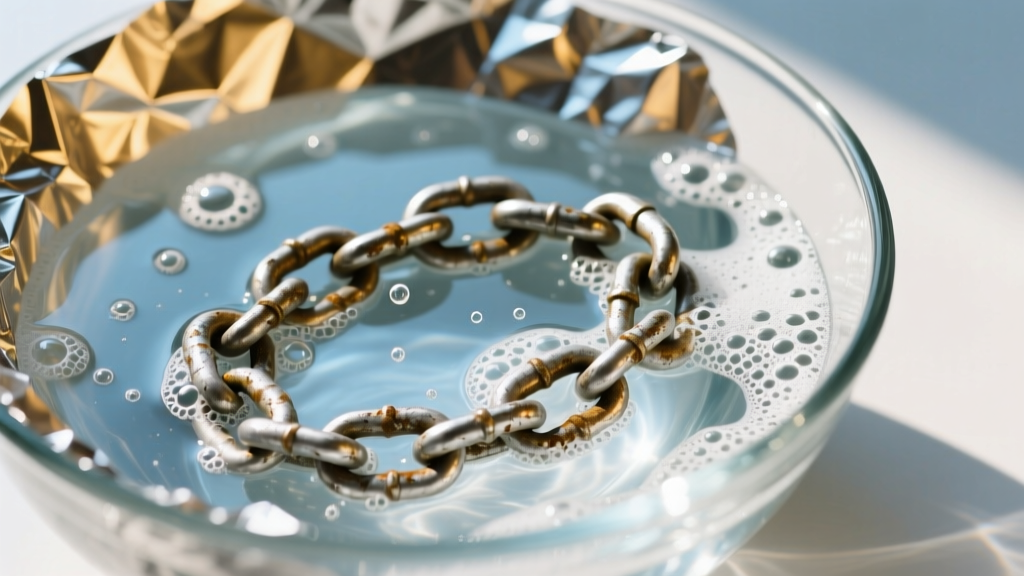
The Aluminum Foil & Baking Soda Method
This method uses an electrochemical reaction where aluminum acts as a sacrificial anode, pulling the sulfur away from the silver and transferring it to the foil.
- Prepare the Bath: Line a glass or ceramic bowl (never use metal bowls) with aluminum foil, shiny side up.
- Add the Catalyst: Place your tarnished .925 sterling silver necklace into the bowl, ensuring it touches the foil. Sprinkle 2 tablespoons of baking soda and 1 teaspoon of salt over the metal.
- The Reaction: Pour boiling water into the bowl until the chain is fully submerged. You will immediately see bubbles and smell a faint rotten-egg odor (hydrogen sulfide gas releasing).
- Agitate and Rinse: Let it sit for 2 to 5 minutes. Use a wooden or plastic spoon to gently move the chain around. Remove the necklace, rinse thoroughly under cool distilled water, and pat dry with a lint-free microfiber cloth.
Critical Failure Modes: When NOT to Use This Method
While the ionic bath is miraculous for bare silver chains, it will destroy certain jewelry elements. According to care guidelines from experts at Tiffany & Co., you must avoid submerging the following in hot chemical baths:
- Porous Gemstones: Turquoise, opals, pearls, emeralds, and lapis lazuli will absorb the water and baking soda, leading to cracking, discoloration, and structural failure.
- Oxidized/Antiqued Silver: Many modern and vintage pendants feature intentional blackening in the crevices to highlight engraving. The ionic bath will strip this intentional patina, leaving the piece looking flat and washed out.
- Plated Jewelry: If the necklace is silver-plated over brass or copper, and the plating is compromised, the bath will accelerate the peeling and flaking of the silver layer.
For necklaces featuring pearls or porous stones, use a damp, untreated microfiber cloth to gently wipe the silver components, avoiding the stones entirely. For intricate 1.5mm box chains or wheat chains where tarnish is trapped in the links, use a soft-bristled baby toothbrush dipped in a mild solution of warm water and phosphate-free dish soap to gently agitate the crevices.
Building a 2026 Silver Care Gift Kit
If you are gifting a silver necklace, elevating the presentation by including a specialized care kit transforms a simple gift into a luxurious, thoughtful experience. Proper storage is the ultimate defense against tarnish.
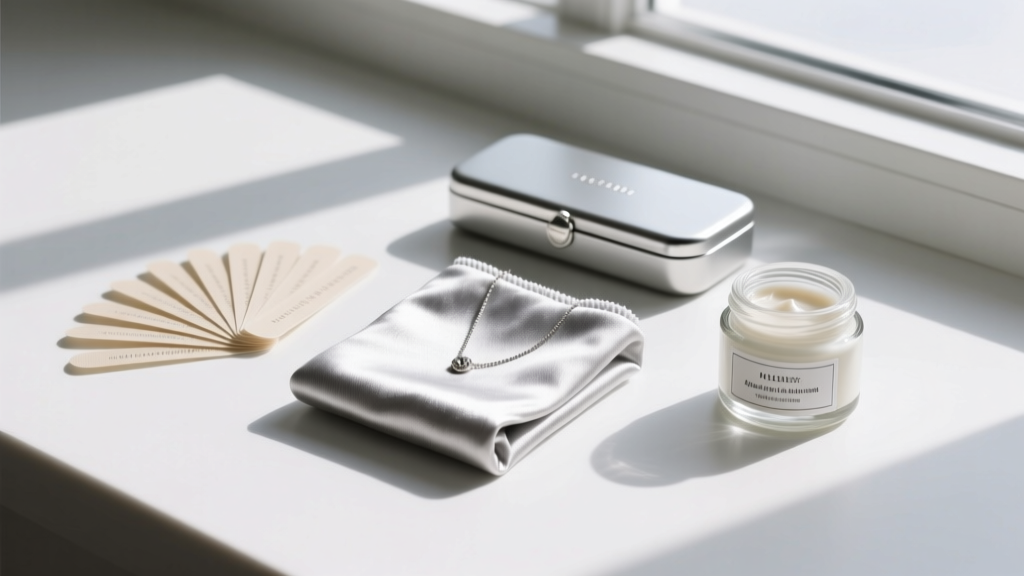
Consider assembling a small linen pouch containing the following essentials:
- Pacific Silvercloth Storage Bag: Unlike standard plastic ziplocks (which can trap moisture and contain sulfur-emitting plasticizers), Pacific Silvercloth is embedded with microscopic silver particles that intercept and absorb tarnish-causing gases before they reach the necklace.
- 3M Anti-Tarnish Strips: These small, treated paper strips absorb airborne sulfides. Tossing one into the recipient's jewelry box will protect their necklace for up to 12 months.
- Untreated Polishing Cloth: Include a high-quality, untreated microfiber or flannel cloth. Warn the recipient against using chemically treated 'dip' polishes or liquid silver cleaners, as these are highly acidic and can degrade the solder joints holding the chain's jump rings together.
Final Thoughts on Gifting Silver
A silver necklace is more than just an accessory; it is a wearable artifact that reflects the wearer's style and the giver's thoughtfulness. By understanding the specific alloy of your gift, matching the chain style to the occasion, and mastering the safe, chemical-based methods to restore its brilliance, you ensure your gift will be cherished for decades. Whether you are presenting a heavy vintage curb chain or a delicate Argentium pendant, the care you put into its preparation will shine just as brightly as the metal itself.


