How to Clean a Silver Rose Necklace Without Ruining the Patina
Learn how to safely clean and restore a tarnished silver rose necklace. Step-by-step guide to removing grime while preserving intricate floral patina.

The Unique Challenge of Textured Floral Silver
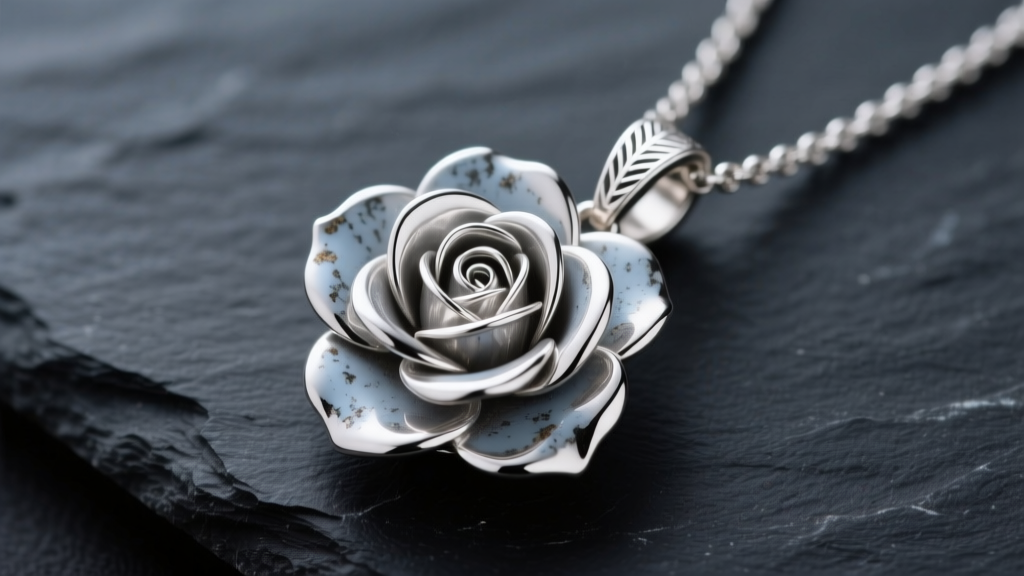
A beautifully crafted silver rose necklace is a timeless staple in any jewelry collection. Whether it features a single sculpted bloom or a cascading garland of petals, the intricate textures that give the rose its lifelike depth also make it a magnet for tarnish, skin oils, and environmental pollutants. Unlike smooth, high-polish silver chains that can be quickly wiped down, a textured floral pendant requires a meticulous, strategic approach to cleaning. The primary challenge lies in distinguishing between unwanted tarnish and intentional oxidation—a deliberate darkening applied by jewelers to the crevices of the petals to create contrast and three-dimensional relief. If you use aggressive cleaning methods, you risk stripping this patina, leaving your rose looking flat and artificially bright. This comprehensive guide will walk you through the exact metallurgical principles and step-by-step techniques required to restore your 925 sterling silver rose necklace to its original glory without compromising its artistic details.
Understanding the Chemistry: Tarnish vs. Intentional Oxidation
Before applying any cleaning agent to your silver rose necklace, it is crucial to understand what you are looking at. Standard 925 sterling silver is an alloy composed of 92.5% pure silver and 7.5% copper or other base metals. It is this copper content that reacts with sulfur compounds in the air, moisture, and everyday cosmetics to form silver sulfide (Ag2S), commonly known as tarnish. Tarnish typically presents as a dull, yellowish, or brownish film on the high-relief areas of the necklace—the parts that rub against your skin and clothing.
Conversely, the deep black or dark gray shading nestled inside the folds of the silver rose petals is usually intentional oxidation. Jewelers use chemicals like liver of sulfur to artificially accelerate tarnishing in these recessed areas, then polish the high points to create a striking contrast. According to the Jewelers of America, preserving this factory-applied patina is essential for maintaining the structural illusion of textured jewelry. Your goal is to remove the silver sulfide from the raised petals while leaving the darkened crevices completely untouched.
Essential Tools and Materials for Safe Restoration
To execute a professional-grade cleaning at home, you must avoid abrasive pastes and harsh chemical dips. Gather the following specific materials:
- Phosphate-Free Dish Soap: A mild, neutral-pH surfactant (like original Dawn) to break down sebum and cosmetic oils without reacting with the silver.
- Distilled Water: Tap water contains chlorine and dissolved minerals that can cause micro-spotting on polished silver. Always use distilled.
- Extra-Soft Baby Toothbrush: The bristles must be soft enough to dislodge debris from the petal crevices without scratching the silver surface.
- Impregnated Silver Polishing Cloth: A high-quality jeweler's cloth (such as a Sunshine Cloth) treated with micro-abrasives and anti-tarnish agents.
- Wooden Toothpicks or Cotton Swabs: For precision detailing in the deepest folds of the rose.
- Microfiber Drying Towel: Lint-free and highly absorbent.
Step-by-Step Cleaning and Polishing Guide
Step 1: The Initial Assessment and Dry Brush
Begin by examining your silver rose necklace under a bright, direct light source or a jeweler's loupe. Identify where the natural tarnish has accumulated. Before introducing any moisture, take a clean, dry baby toothbrush and gently sweep across the surface of the rose. This removes loose dust, dead skin cells, and cosmetic powders that could turn into an abrasive mud when wet. Pay special attention to the bail (the loop where the chain connects) and the underside of the pendant, where hair and lotion tend to accumulate.
Step 2: The Gentle Surfactant Wash
In a small glass bowl, mix one cup of warm distilled water with three drops of phosphate-free dish soap. Submerge the silver rose pendant (and the chain, if it is also sterling silver) into the solution. Let it soak for exactly three to five minutes. This brief soak allows the surfactant to lift oils without giving the water enough time to oxidize the metal further. 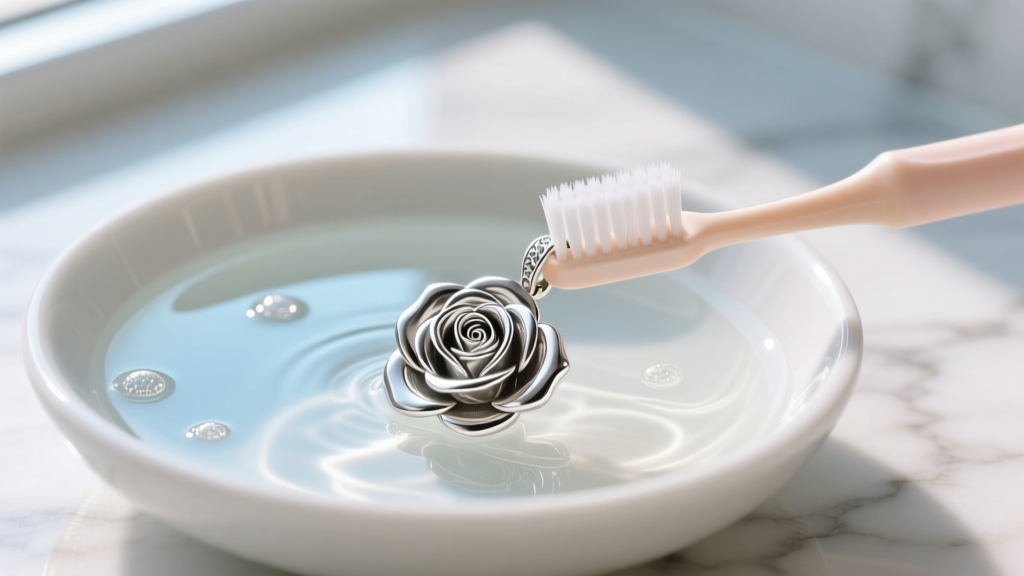 After soaking, take your wet baby toothbrush and gently agitate the surface. Do not scrub aggressively into the deep crevices; instead, use a light, sweeping motion across the raised petals to lift dissolved grime.
Step 3: Precision Detailing and Drying
Rinse the necklace thoroughly under a gentle stream of lukewarm distilled water. To dry, pat the piece gently with a microfiber towel. Because the intricate folds of a silver rose trap water, air-drying is not recommended, as it will leave mineral deposits even if you used distilled water. Instead, use a hair dryer on the 'cool' and 'low' setting to blow the moisture out of the deepest petal crevices. Ensuring the piece is 100% dry is a critical step before moving on to polishing.
Step 4: Selective Polishing for High Relief
This is the most critical step for preserving your necklace's aesthetic. Take your impregnated silver polishing cloth and wrap it tightly around your index finger. Gently rub the raised, outer surfaces of the rose petals and the smooth edges of the leaves. The micro-abrasives in the cloth will safely remove the yellowish silver sulfide tarnish, revealing the brilliant, reflective silver beneath. Crucial Rule: Do not push the cloth into the deep grooves or the center of the rose bloom. You want to avoid the intentional oxidation. For tight areas near the stem or the bail, fold a small corner of the cloth or use a cotton swab to carefully buff only the high points.
Methods to Avoid: What Will Ruin Your Necklace
The internet is full of DIY silver cleaning hacks that are highly destructive to textured, patinated jewelry. The Smithsonian Museum Conservation Institute warns against using unverified chemical reactions on museum-grade silver, and the same rules apply to your fine jewelry. Below is a breakdown of popular methods and why they must be avoided when cleaning a silver rose necklace.
| Cleaning Method | How It Works | Risk to Rose Patina | Risk to Gemstones/Enamel |
|---|---|---|---|
| Baking Soda & Aluminum Foil Bath | Creates an ion exchange that converts silver sulfide back to silver. | Catastrophic. Strips all intentional dark oxidation, leaving the rose looking flat and gray. | High. Alkaline solution can damage porous stones like turquoise or pearls. |
| Liquid Silver Dips (e.g., Tarn-X) | Uses thiourea and strong acids to instantly dissolve tarnish. | Severe. Removes patina and can cause micro-pitting on the silver surface. | Extreme. Will strip enamel and cloud cubic zirconia or opals. |
| Toothpaste and Baking Soda Paste | Relies on harsh physical abrasives to scrape off tarnish. | Moderate. Leaves micro-scratches on high-polish areas and packs into crevices. | Moderate. Scratches softer gemstones and acrylic elements. |
| Ultrasonic Cleaners | Uses high-frequency sound waves to cavitate and blast away dirt. | Low (if no chemicals are added). | High. Vibrations can shatter fractured stones or loosen glued-in gems. |
Long-Term Storage and Anti-Tarnish Strategies
Once your silver rose necklace is perfectly cleaned and polished, the focus must shift to prevention. Silver tarnishes primarily due to exposure to hydrogen sulfide in the air and high humidity. To extend the time between deep cleanings, you must control the micro-environment where the necklace is stored.
Never store your silver rose necklace in a standard cardboard box or a wooden drawer, as wood and paper products emit acidic gases that accelerate tarnishing. Instead, utilize anti-tarnish ziplock bags made from polyethylene with embedded silver-scavenging particles. For an added layer of protection, include a small packet of silica gel desiccant inside the bag to control ambient moisture. 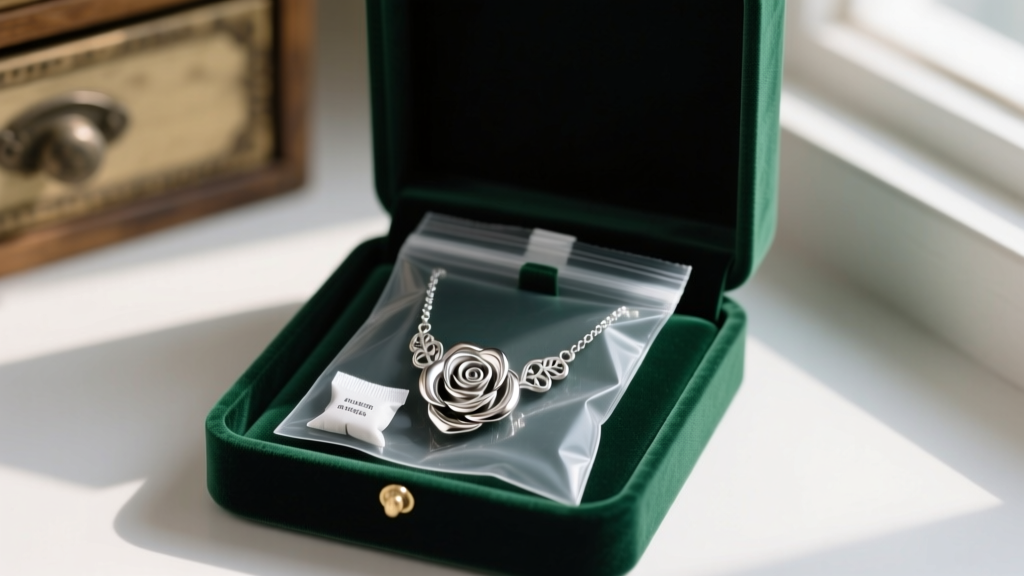 If you prefer to display your necklace, consider investing in a Pacific Silvercloth display case. This specialized fabric is embedded with microscopic silver particles that intercept and absorb sulfur gases before they can reach your necklace, effectively sacrificing themselves to keep your floral pendant pristine. By combining gentle, targeted cleaning with rigorous environmental control, your silver rose necklace will retain its dimensional beauty and brilliant shine for generations.


