Expert Guide: Cleaning Your Stone Necklace Pendant Safely
Learn how to safely clean, maintain, and store your stone necklace pendant. Expert tips on ultrasonic risks, Mohs hardness, and daily care.

The Science of Stone Care: Why One Method Does Not Fit All
Owning a beautiful stone necklace pendant is an investment in both artistry and geology. However, the most common mistake jewelry enthusiasts make is applying a universal cleaning method to vastly different minerals. A technique that will make a diamond sparkle can completely destroy the structural integrity of an opal or turquoise. To properly maintain your jewelry, you must understand the intersection of hardness, toughness, and porosity. According to the Gemological Institute of America (GIA), gemstone stability is dictated by how a stone reacts to light, heat, and chemicals. This guide provides a masterclass in preserving the brilliance and structural integrity of your stone necklace pendant, ensuring it remains a staple in your collection for decades.
The Mohs Scale and Porosity: Dictating Your Cleaning Protocol
The Mohs scale of mineral hardness measures a gem's resistance to scratching, but it does not measure toughness (resistance to breaking) or stability (resistance to chemicals and heat). When cleaning your stone necklace pendant, porosity—the presence of microscopic holes or inclusions within the stone—is actually the most critical factor. Porous stones absorb liquids, meaning harsh chemicals, dirty water, and even natural skin oils can become trapped inside, leading to permanent discoloration.
| Stone Type | Mohs Hardness | Porosity Level | Ultrasonic Safe? | Recommended Cleaning Agent |
|---|---|---|---|---|
| Diamond, Sapphire, Ruby | 9 - 10 | Non-Porous | Yes (with caution) | Warm water, mild dish soap |
| Amethyst, Citrine, Garnet | 7 - 8 | Low | No | Lukewarm water, soft cloth |
| Emerald | 7.5 - 8 | High (Fractured) | Absolutely Not | Dry microfiber cloth only |
| Opal, Pearl, Turquoise | 2.5 - 6.5 | Very High | Absolutely Not | Damp cloth, no submersion |
Step-by-Step Cleaning Protocols by Stone Category
Category 1: High-Hardness, Non-Porous Stones (Diamonds, Sapphires, Rubies)
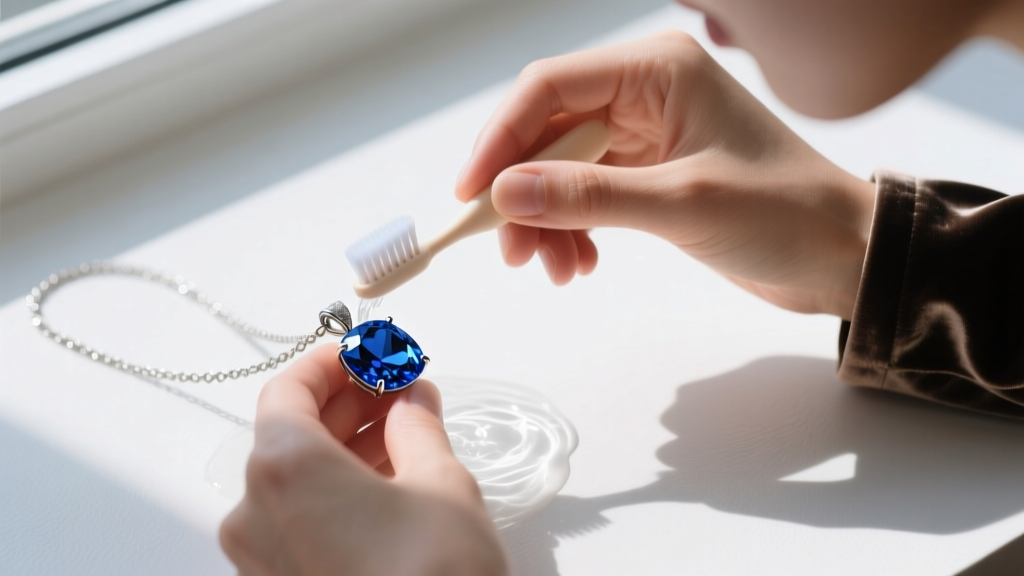
These corundum and carbon-based stones are incredibly durable and can handle gentle submersion. To clean your sapphire or diamond stone necklace pendant, mix a few drops of phosphate-free, mild dish soap into a bowl of warm (not hot) distilled water. Tap water often contains chlorine and hard minerals that can leave a microscopic film on the stone's pavilion (the bottom facets). Let the pendant soak for 15 to 20 minutes to loosen sebum and cosmetic buildup. Using an extra-soft baby toothbrush, gently sweep the bristles across the back of the stone where dirt accumulates. Rinse under a gentle stream of lukewarm distilled water and pat dry with a lint-free microfiber cloth.
Category 2: Medium-Hardness, Low-Porosity Stones (Amethyst, Citrine, Garnet)
While these quartz and silicate stones are relatively hard, they are susceptible to thermal shock and prolonged UV exposure, which can cause their vibrant colors to fade. Never use hot water on an amethyst stone necklace pendant. Instead, use room-temperature water and a drop of gentle castile soap. Avoid scrubbing the stone directly; instead, agitate the water with your fingers and use a soft cotton swab to clean around the prongs or bezel setting. Prolonged soaking is discouraged, as water can seep into the setting and weaken the adhesive or oxidize the metal base over time.
Category 3: High-Porosity, Low-Hardness Stones (Opals, Turquoise, Pearls)
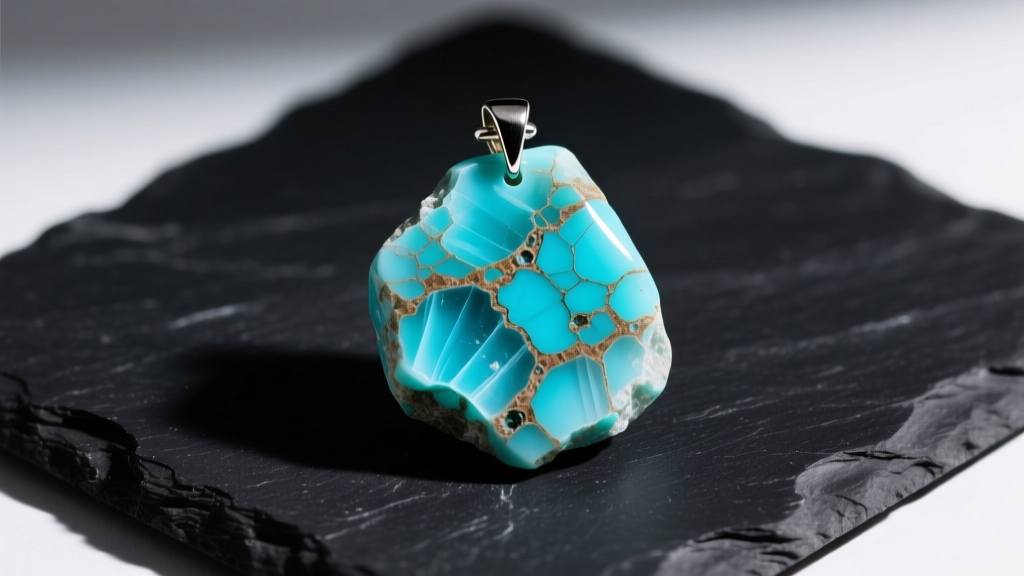
This category requires the most meticulous care. Opals contain up to 20% water; if they dry out or are exposed to sudden temperature changes, they will "craze" (develop a network of internal cracks). Turquoise is highly porous and will absorb oils, lotions, and perfumes, altering its color permanently. To clean a turquoise or opal stone necklace pendant, never submerge it in water. Simply wipe the surface gently with a barely damp, clean microfiber cloth. For pearls, which are organic and highly sensitive to acids (even the natural acidity of human sweat), wipe them with a dry, soft cloth immediately after every wear.
The Hidden Dangers of Ultrasonic and Steam Cleaners
Many consumers purchase at-home ultrasonic jewelry cleaners, assuming they are safe for all fine jewelry. This is a costly misconception. Ultrasonic cleaners work through cavitation—creating microscopic bubbles in a liquid solution that implode with immense force to blast away dirt. While this is excellent for plain diamond solitaires, it is catastrophic for included stones. According to Jewelers of America, the high-frequency vibrations can easily shake loose stones from their settings or shatter stones with internal fracture lines. Emeralds, for example, are almost universally treated with cedar oil or resins to mask natural inclusions. An ultrasonic cleaner will strip this oil out, leaving the emerald looking cloudy, heavily fractured, and significantly devalued. Similarly, the intense heat of a steam cleaner can cause thermal shock, instantly cracking garnets, opals, and tanzanite.
Expert Warning: Never place a stone necklace pendant in an ultrasonic cleaner if the stone is fracture-filled, oiled, dyed, or has a Mohs hardness below 8. The vibrations will compromise the structural integrity of the gem and the metal setting.
Chain, Bail, and Metal Setting Maintenance
The stone is only half the equation; the metal chain and the bail (the loop connecting the pendant to the chain) require distinct maintenance routines. If your stone necklace pendant is set in 925 sterling silver, you must manage tarnish (silver sulfide buildup) without using harsh chemical dips. Liquid silver dips contain thiourea, a toxic chemical that can strip the polish from your gemstone and permanently stain porous stones like lapis lazuli or malachite. Instead, use a treated silver polishing cloth, carefully wrapping the cloth around the metal bail and chain while avoiding direct contact with the stone.
For 18k gold vermeil (a thick layer of gold over sterling silver) or gold-plated chains, avoid all abrasive cloths. Polishing cloths will literally rub the gold layer off, exposing the base metal underneath. Clean vermeil chains by simply wiping them with a soft, damp cloth and drying them immediately. Furthermore, inspect the bail and prongs every six months. If the pendant catches on your clothing, the prongs may have lifted, risking the loss of the stone. A quick visit to a local jeweler to have the prongs tightened with a burnishing tool costs a fraction of replacing a lost gemstone.
Proper Storage to Prevent Scratching and Dehydration
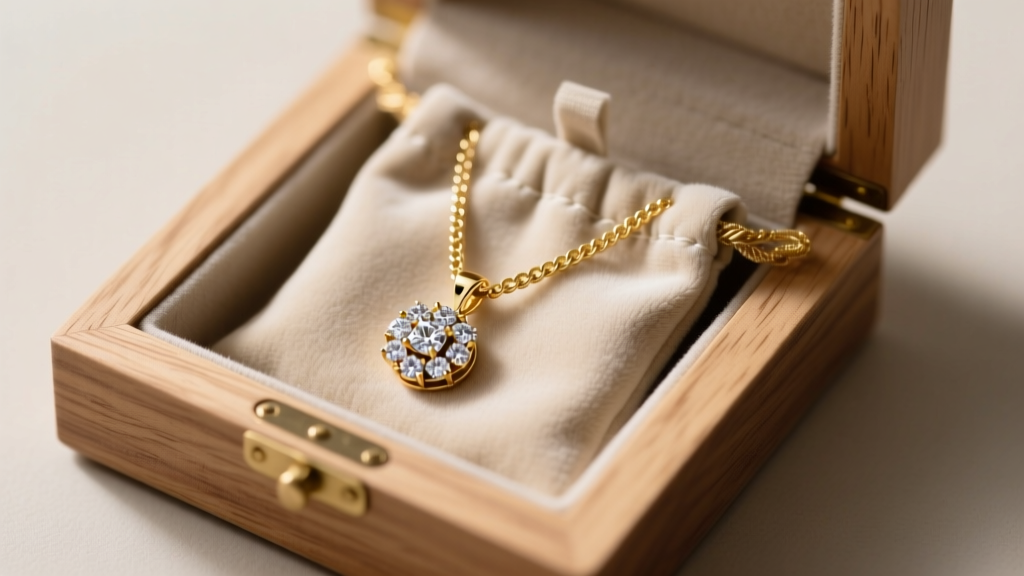
How you store your stone necklace pendant is just as important as how you clean it. Gemstones can easily scratch one another; a diamond (Mohs 10) will effortlessly scratch a sapphire (Mohs 9), which will scratch a quartz (Mohs 7). Never throw multiple necklaces into a single communal jewelry box drawer. Each stone necklace pendant should be stored in its own individual, soft-lined velvet or satin pouch.
For organic and water-bearing stones like opals and pearls, storage environments must be carefully controlled. Storing an opal in an airtight plastic bag or a safety deposit box with low humidity can cause it to dehydrate and crack. Jewelers recommend storing opals with a slightly damp cotton ball inside a sealed glass jar to maintain ambient moisture. Conversely, silver chains benefit from anti-tarnish strips placed inside their storage pouches, which absorb sulfur compounds from the air before they can react with the silver alloy.
Summary Checklist for Daily Wear and Care
- The "Last On, First Off" Rule: Always put your stone necklace pendant on after applying makeup, perfume, and hairspray. Remove it first when you get home to prevent chemical exposure.
- Avoid the Gym and Pool: Chlorine in swimming pools can pit and discolor gold alloys and damage porous stones. Sweat accelerates silver tarnish and degrades delicate silk or nylon threading.
- Monthly Inspections: Hold the pendant close to your ear and gently tap it. If you hear a faint rattling, the stone is loose in its setting and requires immediate professional repair.
- Use Distilled Water: When wet cleaning is appropriate, always opt for distilled water over tap water to prevent hard water spots and mineral buildup on the stone's facets.
By respecting the unique geological properties of your gemstones and abandoning harsh, one-size-fits-all cleaning methods, your stone necklace pendant will retain its optical brilliance and structural integrity for a lifetime.


