Hanging Necklaces: Material & Drape Comparison Guide
Discover how metal density and tensile strength affect the drape, durability, and bail wear of hanging necklaces in our expert material guide.

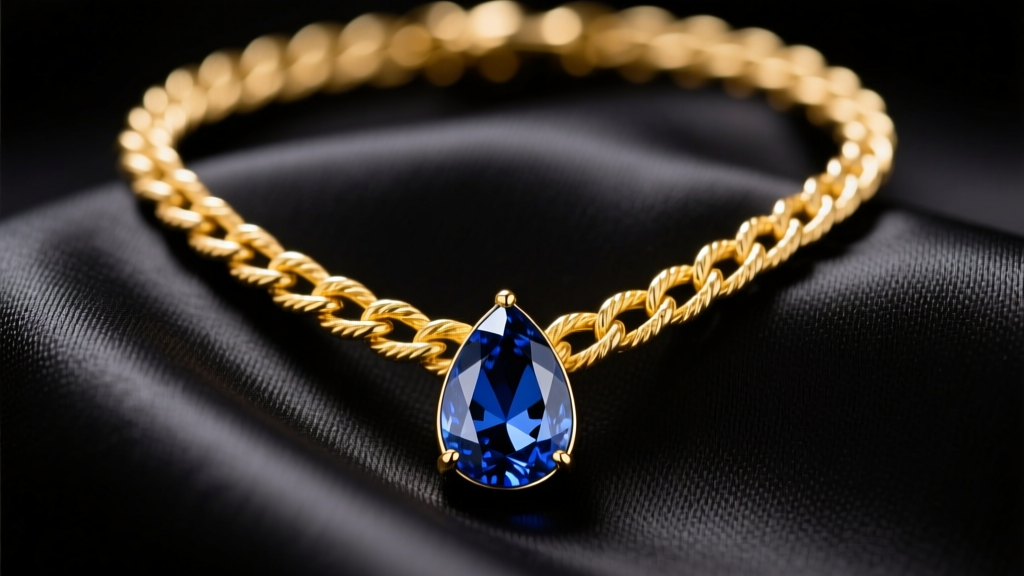
The Physics of the Drape: Why Material Dictates Design
When evaluating hanging necklaces—defined by their elongated drops, dangling pendants, or lariat structures—the visual and physical behavior of the piece is governed entirely by metallurgy. Unlike rigid collars or chokers, hanging necklaces rely on gravity to create their silhouette. The 'drape coefficient' of a necklace is a direct result of the metal's density, its tensile strength, and the specific chain link geometry. A material that is too dense will pull the chain into a harsh, narrow V-shape, potentially causing tension at the clasp. Conversely, a lightweight metal with high flexibility will cascade in a soft, sweeping U-shape. Understanding these material properties is essential for selecting hanging necklaces that not only look elegant but survive the mechanical stress of daily wear.
Precious Metals: Density, Alloys, and Chain Mechanics
Precious metals remain the cornerstone of fine jewelry, but their varying alloy compositions drastically alter how they perform in suspended designs. According to the Gemological Institute of America (GIA), the addition of alloy metals to pure gold or silver is done to increase hardness, which is critical for the delicate links found in hanging chains.
Karat Gold Alloys and Link Integrity
For hanging necklaces, 14k gold (58.5% pure gold) is often superior to 18k gold (75% pure gold) when supporting heavy pendants. The higher copper and zinc content in 14k gold increases its yield strength, making it highly resistant to the 'chain stretch' phenomenon. When a heavy pendant pulls continuously on an 18k gold box chain, the softer links can slowly elongate over months of wear, eventually compromising the structural integrity of the chain. For lariats or Y-drop hanging necklaces where the chain slides through a fixed ring, 14k gold's superior abrasion resistance prevents premature thinning.
Sterling Silver and the Tarnish Friction Factor
Sterling silver (92.5% silver, 7.5% copper) is a popular, accessible choice, but it presents a unique mechanical challenge in hanging necklaces: tarnish-induced friction. As silver oxidizes, the resulting silver sulfide layer creates microscopic abrasives on the surface of the chain. In a hanging necklace where a pendant bail constantly slides or pivots against the chain links, this oxidized layer acts like fine sandpaper. Over time, this friction accelerates wear at the connection points. To mitigate this, experts recommend rhodium-plated sterling silver for hanging designs, or committing to regular polishing to maintain a smooth, low-friction surface.
Platinum’s Heavy Cascade
Platinum is exceptionally dense (21.45 g/cm³), nearly double the density of 14k gold. In hanging necklaces, this weight creates a luxurious, heavy drape that lays perfectly flat against the collarbone without flipping or twisting. However, because platinum is so heavy, the chain itself bears a significant static load. Jewelers typically recommend a minimum wire thickness of 1.5mm for platinum hanging chains to prevent the links from deforming under their own weight plus the added mass of a pendant.
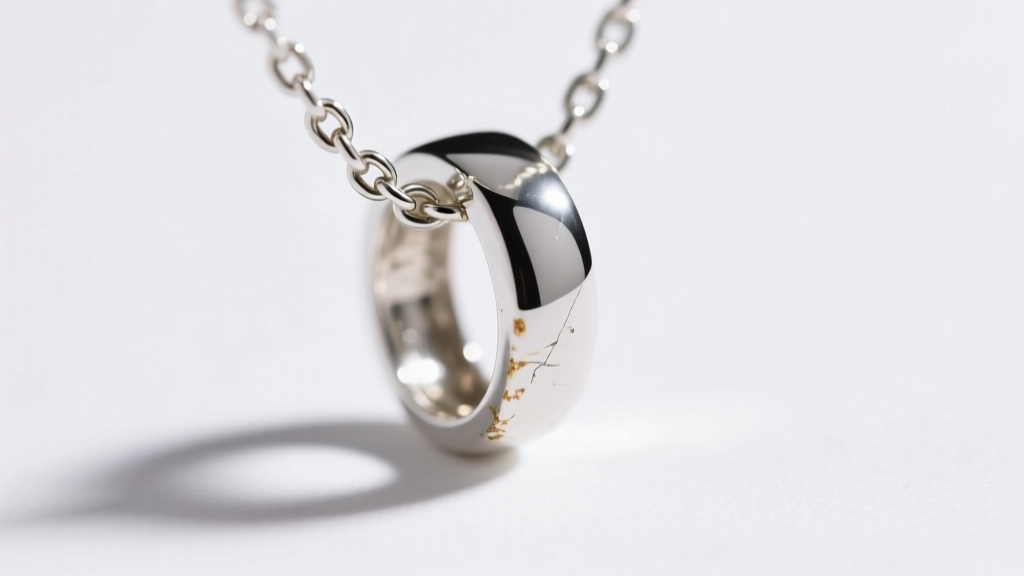
Alternative Metals: Titanium and Stainless Steel
Modern metallurgy has introduced alternative metals that solve many of the mechanical limitations of precious metals. Titanium and surgical stainless steel offer exceptional tensile strength, allowing for incredibly fine, delicate-looking chains that can support surprisingly heavy pendants without stretching or snapping.
| Material | Density (g/cm³) | Tensile Strength | Best Chain Style | Drape Profile |
|---|---|---|---|---|
| 14k Yellow Gold | 13.2 | Moderate | Cable, Rope | Fluid, classic V-shape |
| Sterling Silver | 10.3 | Low-Moderate | Box, Snake | Soft, sweeping U-shape |
| Platinum (950) | 21.4 | High | Wheat, Curb | Heavy, rigid, flat lay |
| Grade 5 Titanium | 4.4 | Very High | Micro-Box, Bead | Lightweight, cascading |
| 316L Steel | 8.0 | High | Rope, Figaro | Structured, bouncy |
As noted by jewelry fabrication experts at Rio Grande, titanium's high strength-to-weight ratio makes it an ideal candidate for ultra-long hanging necklaces (30 inches or more) where traditional precious metals would become uncomfortably heavy on the cervical spine.
Critical Failure Modes in Hanging Necklaces
Hanging necklaces are subjected to dynamic mechanical stresses that static necklaces avoid. Understanding these failure modes is crucial for material selection and long-term maintenance.
The Bail Friction Problem
The bail—the loop that connects the pendant to the chain—is the primary point of failure in any hanging necklace. As the wearer moves, the bail acts as a pivot point, sawing back and forth against the chain link. If a soft metal bail (like pure 24k gold or high-purity silver) is paired with a harder chain (like white gold or steel), the bail will wear through completely, often within a year. The golden rule of hanging necklace design is that the bail must be equal to or harder than the chain material. Platinum or hardened 14k white gold bails are the industry standard for preventing this 'sawing' effect.
Link Kinking and Torsion Stress
Snake chains and herringbone chains are popular for their smooth, liquid-metal appearance, making them visually striking in hanging designs. However, their interlocking plate structure makes them highly susceptible to torsion stress. If a heavy pendant catches on clothing and twists the chain, the links can permanently kink. Once a snake chain kinks, the structural integrity is compromised, and it cannot be fully repaired. For active wearers, interlocking link styles like rope, cable, or box chains are vastly superior, as they allow for multi-directional articulation without permanent deformation.

The Weight-to-Gauge Matching Framework
To ensure the longevity of your hanging necklaces, you must match the chain's wire gauge (thickness) to the exact weight of the pendant. Use this professional framework when selecting or designing a piece:
- Lightweight Pendants (Under 5 grams): A delicate 0.9mm to 1.2mm chain is sufficient. Materials like 18k gold or sterling silver perform beautifully here, as the static load is minimal. Fine box chains or bead chains are ideal.
- Medium Pendants (5 to 20 grams): Step up to a 1.5mm to 2.0mm chain. At this weight, avoid pure silver and opt for 14k gold, platinum, or surgical steel. Rope or wheat chains provide the necessary tensile strength while maintaining a refined aesthetic.
- Heavy Statement Pendants (Over 20 grams): Require a robust 2.5mm to 4.0mm chain. Curb chains, thick Figaro chains, or heavy square box chains are mandatory. The bail must be reinforced, and a lobster clasp with a minimum 12mm length should be used to counterbalance the front-heavy weight distribution.
Final Material Verdicts
Choosing the right material for hanging necklaces requires balancing aesthetic preferences with mechanical realities. For heirloom-quality pieces with a substantial drape, platinum is unmatched, provided the chain gauge is thick enough to support its density. For everyday versatility and excellent resistance to bail friction, 14k gold remains the most reliable precious metal. Finally, for ultra-long, avant-garde lariats or budget-conscious durability, titanium and 316L stainless steel offer modern solutions that outperform traditional metals in tensile strength. By respecting the physics of the drape and the realities of metal friction, you can curate a collection of hanging necklaces that endure beautifully over time.


