How to Clean and Care for Your Tinker Bell Necklace
Discover expert cleaning and maintenance tips for your Tinker Bell necklace. Learn how to safely wash enamel, plated metals, and sterling silver.

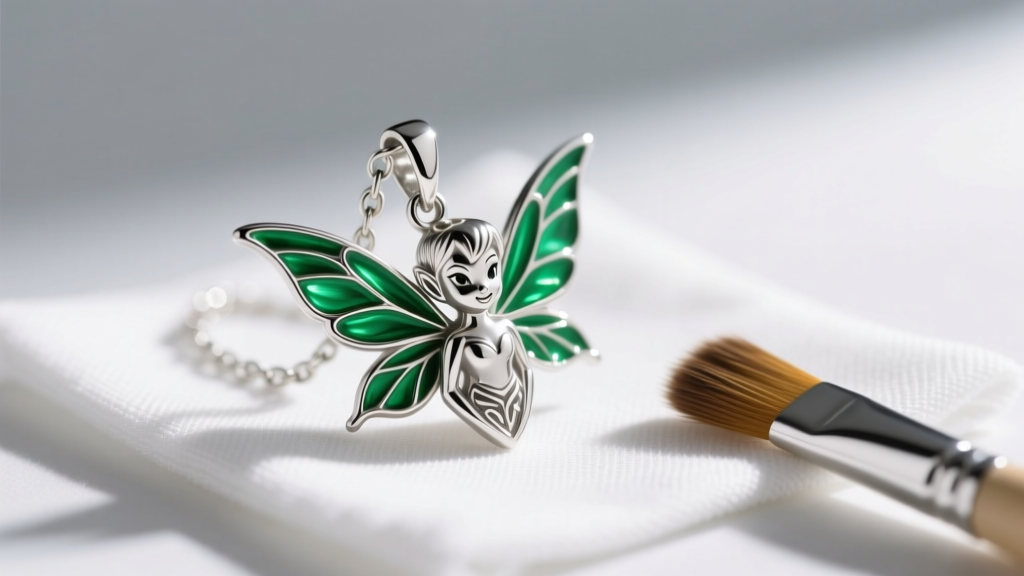
The Magic of Maintenance: Preserving Your Fairy Pendant
A Tinker Bell necklace is more than just a piece of jewelry; it is a wearable token of nostalgia, whimsy, and Disney magic. Whether you acquired an official sterling silver pendant from Disney Parks, a gold-plated piece from the Disney Store, or a custom-crafted brass and resin design from an independent artisan on Etsy, these intricate pendants require specialized care. The delicate filigree of Tinker Bell’s wings, the tiny cubic zirconia (CZ) accents, and the vibrant green or gold enamel finishes are highly susceptible to damage from improper cleaning methods.
In this comprehensive 2026 care guide, we break down the exact material science behind your necklace and provide actionable, professional-grade maintenance protocols. According to the Gemological Institute of America (GIA), the most common cause of jewelry degradation is not daily wear, but rather the use of harsh, non-specific cleaning chemicals that strip platings and fracture enamel. Let’s ensure your favorite fairy pendant continues to sparkle for decades.
Expert Insight: Never assume all 'silver' jewelry is solid. Many mass-market character necklaces are brass or zinc alloy with a microscopic rhodium or silver flash plating. Treating plated jewelry like solid sterling silver will permanently ruin the finish.
Material Matrix: Identifying Your Necklace Composition
Before applying any water or cleaning solution, you must identify the exact materials of your Tinker Bell pendant. The cleaning protocol for a solid .925 sterling silver piece will destroy a resin-based or gold-plated alternative.
- Official Disney Parks Jewelry: Typically crafted from .925 sterling silver, heavily rhodium-plated to prevent tarnish, and accented with cold epoxy enamel and machine-cut cubic zirconia.
- Disney Store & Fashion Jewelry: Often made from base metal alloys (zinc or brass) with gold or silver-tone PVD (Physical Vapor Deposition) plating. Accents are usually glued-in acrylic or glass stones.
- Custom & Artisan Pieces: Frequently cast in raw brass, bronze, or 3D-printed from UV-cured resin, featuring hand-painted details and glued jump rings.
Step-by-Step Cleaning Protocols by Material
1. Sterling Silver & Cubic Zirconia (The Parks Standard)
Sterling silver naturally reacts with sulfur in the air to form silver sulfide (tarnish). To clean a tarnished .925 silver Tinker Bell pendant without damaging the rhodium plating or the epoxy enamel wings, follow this exact protocol:
- Prepare the Solution: Mix 1 cup of distilled water (tap water contains chlorine and hard minerals that can spot silver) with two drops of phosphate-free dish soap, such as Dawn.
- The Soak: Submerge only the metal and CZ portions. If the pendant has enamel, avoid prolonged soaking, as water can seep into microscopic cracks and lift the epoxy from the metal substrate.
- Agitation: Use an extra-soft baby toothbrush. Gently brush the back of the CZ stones (the pavilion), where skin oils and lotions accumulate, causing the stones to look cloudy.
- Rinse & Dry: Rinse under a gentle stream of distilled water. Pat dry with a lint-free microfiber cloth. Never air-dry, as water spots will form.
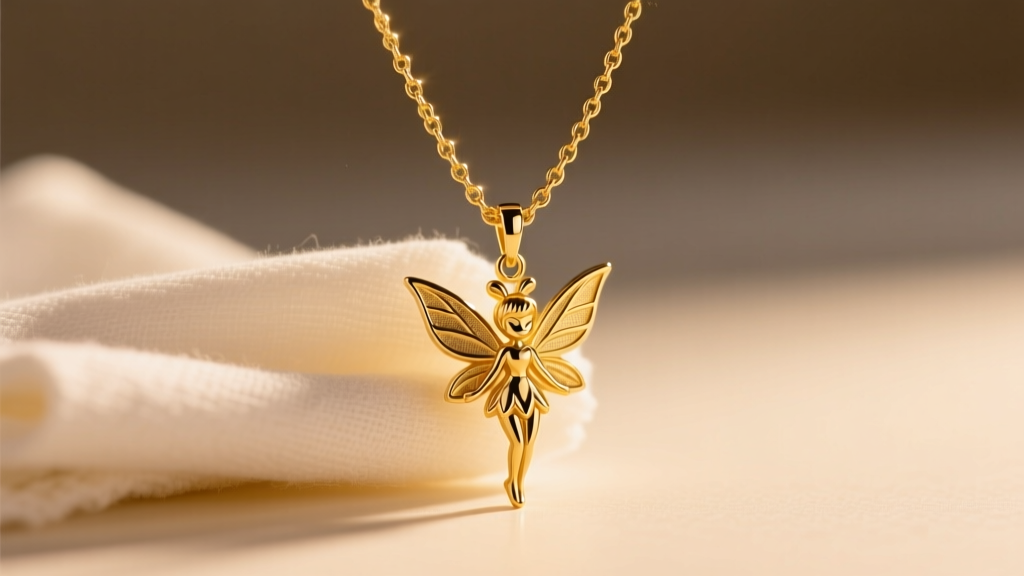
2. Gold-Plated & Enamel Accents
Gold plating is measured in microns. A standard fashion necklace has a plating thickness of just 0.5 to 1.0 microns. Using a traditional silver polishing cloth on a gold-plated Tinker Bell pendant will act like sandpaper, stripping the gold layer right off and exposing the dull base metal beneath.
The Fix: Dampen a cotton swab with warm, soapy water and gently trace the intricate lines of Tinker Bell’s dress and wand. For the colored enamel wings, use a dry, clean microfiber cloth to buff away fingerprints. The Rio Grande Jewelry Cleaning Guide explicitly warns against using any abrasive pastes or treated cloths on plated or enameled surfaces.
3. Base Metals & 3D Printed Resin
Artisan resin pendants are highly sensitive to alcohol, acetone, and heat. Never submerge a resin Tinker Bell pendant. Instead, use a slightly damp cloth with a mild soap solution, wipe gently, and immediately dry. Avoid leaving resin in direct sunlight or hot cars, as UV exposure will yellow the material and warp the delicate wing structures.
The Danger Zone: Cleaning Method Compatibility Chart
Using the wrong cleaning technology is the fastest way to ruin a sentimental piece of jewelry. Refer to this compatibility matrix before attempting any deep cleaning.
| Cleaning Method | .925 Sterling Silver | Gold/Rhodium Plated | Epoxy Enamel | UV Resin / Acrylic |
|---|---|---|---|---|
| Mild Soap & Distilled Water | ✅ Safe | ✅ Safe | ⚠️ Quick Wipe Only | ✅ Safe |
| Ultrasonic Cleaner | ✅ Safe (No stones) | ❌ Strips Plating | ❌ Shatters Enamel | ❌ Melts/Warps |
| Commercial Silver Dip | ⚠️ Use Sparingly | ❌ Causes Discoloration | ❌ Dissolves Epoxy | ❌ Melts Surface |
| Treated Polishing Cloths | ✅ Safe | ❌ Strips Plating | ❌ Scratches Finish | ❌ Scratches Finish |
| Baking Soda Paste | ⚠️ Micro-scratches | ❌ Ruins Plating | ❌ Traps in Crevices | ❌ Scratches Surface |
Mechanical Maintenance: Chain, Bail, and Clasp
The pendant is only half the equation; the chain and hardware endure the most mechanical stress. Most Tinker Bell necklaces utilize a delicate cable or box chain secured by a lobster clasp.
Inspecting the Jump Ring
The jump ring is the small circular wire that connects the pendant’s bail (the loop on Tinker Bell’s head or wand) to the chain. Over time, the tension on this ring can cause it to pull apart, resulting in a lost pendant. Once a month, gently squeeze the jump ring with two pairs of flat-nose jewelry pliers to ensure the seam is completely flush and closed.
Lobster Clasp Lubrication
If your lobster clasp becomes stiff or fails to snap shut completely, it is likely clogged with microscopic debris or skin oils. Do not use WD-40, which contains harsh solvents that degrade skin and jewelry finishes. Instead, dip the tip of a wooden toothpick into food-grade mineral oil and apply a microscopic drop directly into the clasp’s hinge mechanism. Pump the trigger a few times to distribute the oil, then wipe away any excess.
Troubleshooting Common Wear Issues
Issue: The pendant is turning my skin green.
This is a chemical reaction between the copper or zinc in base-metal alloys and the acids in your sweat. It is not a sign of poor hygiene, but rather a metallurgical reality of costume jewelry. Solution: Paint the back of the pendant and the chain’s contact points with a thin layer of clear, hypoallergenic nail polish to create a barrier between the metal and your skin.
Issue: The cubic zirconia stones look dull and grey.
CZ stones are highly refractive, but they are not porous. When lotion, soap scum, and dead skin cells build up on the underside (pavilion) of the stone, light cannot pass through, making the stone appear dead. Solution: Use a wooden toothpick to gently scrape the girdle and pavilion of the stone from the back of the setting, then flush with soapy distilled water.
Proper Storage for Longevity
How you store your Tinker Bell necklace when not wearing it dictates its lifespan. The Federal Trade Commission (FTC) jewelry guidelines emphasize that proper environmental control is key to maintaining metal integrity.
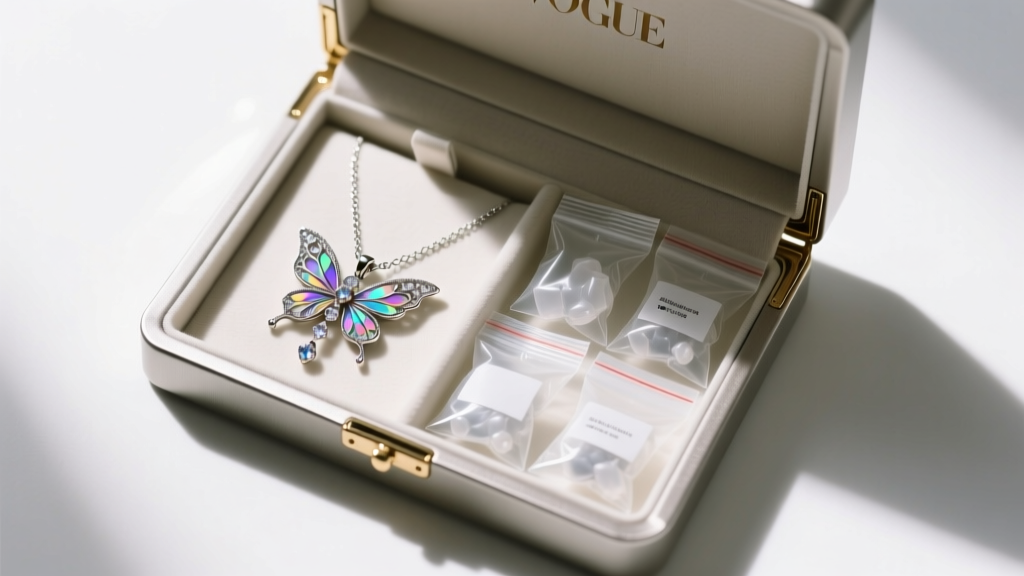
- Anti-Tarnish Strips: Store sterling silver pieces in an airtight polyethylene zip-lock bag alongside a 3M anti-tarnish strip. These strips absorb ambient sulfur gases before they can react with the silver.
- Avoid Cardboard: Never store silver in standard cardboard jewelry boxes. The papermaking process uses sulfuric acid, and cardboard off-gases sulfur, which will rapidly tarnish your necklace.
- Hang or Lay Flat: Delicate box chains are prone to kinking. Store the necklace hanging on a velvet-lined hook or laid perfectly flat in a felt-lined drawer to prevent microscopic stress fractures in the chain links.
By understanding the specific metallurgy of your Tinker Bell necklace and adhering to these targeted cleaning protocols, you ensure that your piece of Neverland remains as vibrant and magical as the day you first fastened the clasp.


