How to Clean the Titanic Heart of the Ocean Necklace Replicas
Learn how to safely clean the Titanic Heart of the Ocean necklace. Expert care tips for sapphire, cubic zirconia, silver, and costume replicas.

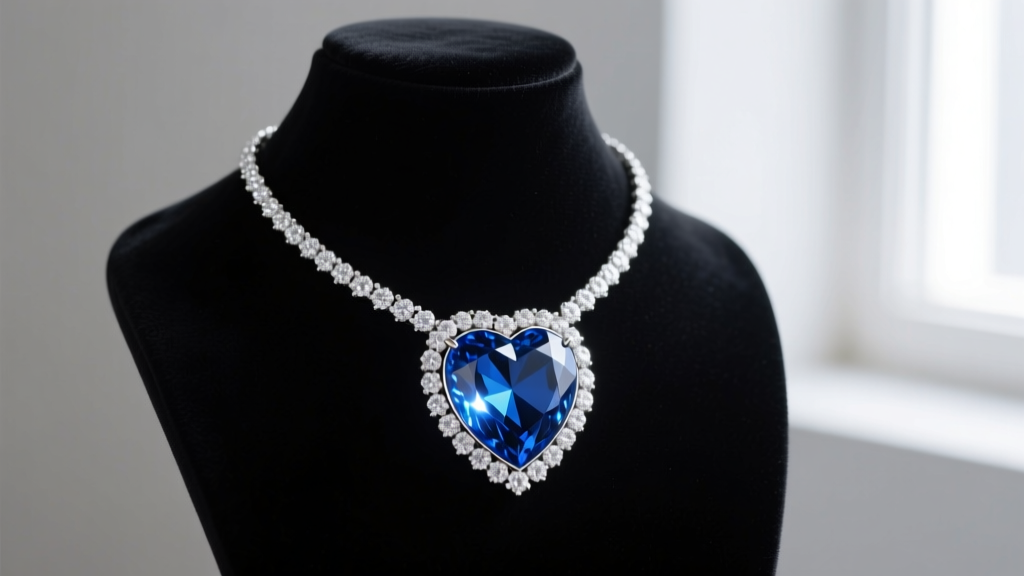
The Legacy and Material Reality of the Heart of the Ocean
Since the blockbuster release of James Cameron's 1997 epic, the demand for the Titanic Heart of the Ocean necklace has never truly waned. As we move through 2026, this iconic piece remains a staple in cinematic jewelry collections and romantic gift-giving. However, the care and maintenance required to keep this necklace sparkling depend entirely on which version you own. The original movie prop, crafted by London jewelers Asprey & Garrard, featured a 170-carat Ceylon sapphire surrounded by 103 diamonds set in platinum. Today, that piece sits in a private collection and requires museum-grade conservation.
For the rest of us, the market is flooded with replicas ranging from high-end solid white gold and natural sapphire pieces to mass-market brass and glass costume jewelry. Applying the wrong cleaning method to the Titanic Heart of the Ocean necklace can result in stripped plating, cloudy stones, or completely dissolved epoxy settings. Before you reach for a jewelry cloth or an ultrasonic cleaner, you must accurately identify your necklace's material tier.
Identify Your Necklace Material Before Cleaning
The first rule of jewelry maintenance is knowing your metals and gemstones. The cleaning agents safe for a natural sapphire will instantly destroy the flash-plating on a budget replica. Below is a breakdown of the most common replica tiers and their specific vulnerabilities.
| Replica Tier | Base Metal | Stone Type | Primary Vulnerability | Ultrasonic Safe? |
|---|---|---|---|---|
| Fine Jewelry | Solid 14k/18k White Gold or Platinum | Natural Sapphire or High-Grade CZ | Prong wear over time | Yes (with caution) |
| Mid-Tier | Sterling Silver (925) | Cubic Zirconia or Synthetic Spinel | Silver sulfide tarnish | No |
| Costume (High) | Brass with thick Rhodium plating (1.5+ microns) | CZ or Crystal | Plating wear at friction points | No |
| Costume (Low) | Alloy/Brass with flash plating (<0.5 microns) | Glass, Acrylic, or Resin | Epoxy dissolution, green skin | Absolutely Not |
Step-by-Step Cleaning Guide for Fine and Mid-Tier Replicas
If your version of the Titanic Heart of the Ocean necklace is crafted from solid gold, platinum, or sterling silver, and features securely prong-set stones, you can perform a deep clean at home. According to the Gemological Institute of America (GIA), warm soapy water is universally safe for sapphires and cubic zirconia, provided you avoid harsh chemicals.
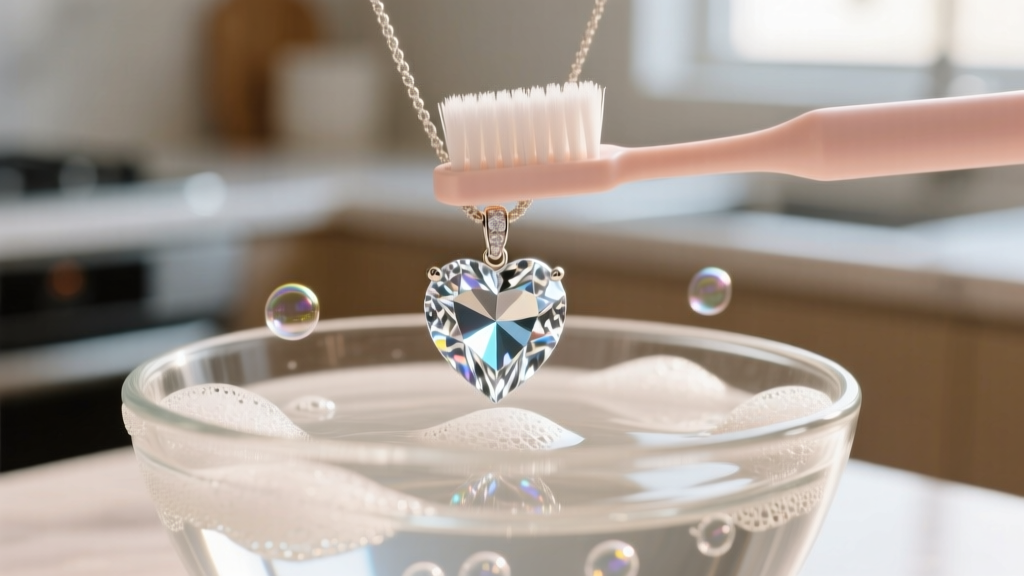
The Distilled Water and Dawn Method
- Prepare the Solution: Mix one cup of warm distilled water with three drops of a mild, lotion-free dish soap (such as Dawn Platinum). Avoid tap water, as the chlorine and calcium deposits can leave a stubborn, cloudy film on cubic zirconia and synthetic spinel.
- Soak: Submerge the pendant and chain for 10 to 15 minutes. This loosens body oils, lotion buildup, and dead skin cells trapped beneath the stone's pavilion (the bottom facets).
- Agitate Gently: Using an extra-soft baby toothbrush, gently brush the back of the heart-shaped stone and the intricate halo setting. Do not use a standard adult toothbrush, as the bristles are too stiff and can scratch softer metals like high-polish silver or gold.
- Rinse and Dry: Rinse thoroughly under a gentle stream of distilled water. Pat dry with a lint-free microfiber cloth. Avoid paper towels, which contain wood fibers that can inflict micro-scratches on polished metal surfaces.
Caring for Costume and Plated Brass Versions
The vast majority of replicas sold online and in souvenir shops fall into the costume category. These pieces feature a brass or zinc alloy base coated in a microscopic layer of rhodium or silver flash-plating to mimic the look of white gold. The stones are frequently held in place by industrial jewelry epoxy rather than metal prongs.
The Dangers of Moisture and Chemicals
Never submerge a costume replica in water. When moisture penetrates the microscopic gaps between the glass or acrylic stone and the metal bezel, it becomes trapped. This trapped moisture reacts with the copper in the brass base, creating copper oxide. This not only degrades the structural integrity of the necklace but also causes the infamous 'green skin' effect on the wearer's chest. Furthermore, commercial silver dips and liquid jewelry cleaners contain thiourea and sulfuric acid, which will instantly strip flash-plating, leaving you with a dull, pinkish brass pendant.
Expert Warning: 'Flash-plated costume jewelry should only ever be cleaned using a slightly damp, lint-free microfiber cloth. Wipe the surface gently to remove oils, and immediately dry it with a separate, completely dry cloth. Never use chemical dips, baking soda pastes, or toothpaste, as these are highly abrasive and will permanently ruin the rhodium finish.' - Senior Bench Jeweler
The Ultrasonic Cleaner Trap
Many jewelry enthusiasts purchase ultrasonic cleaners, assuming they are the ultimate solution for restoring brilliance. While these machines use high-frequency sound waves to create microscopic cavitation bubbles that blast away dirt, they are incredibly destructive to the Titanic Heart of the Ocean necklace replicas. According to Jewelers of America, ultrasonic vibrations can easily shake loose stones that are secured with epoxy or tension settings. Furthermore, the intense vibration can cause micro-fractures in glass or acrylic stones, and will accelerate the peeling of thin rhodium plating on brass bases.
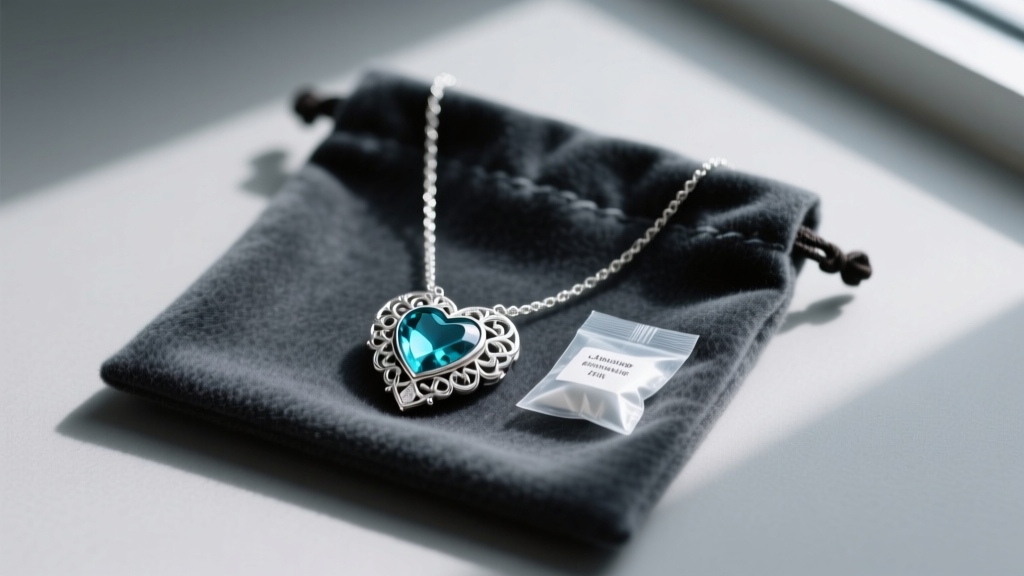
Proper Storage to Prevent Tarnish and Scratching
Maintenance is not just about cleaning; it is primarily about prevention. Sterling silver and copper-based alloys are highly reactive to sulfur and humidity in the air, leading to rapid tarnishing. To preserve your necklace between wears, implement the following storage protocol:
- Use Anti-Tarnish Strips: Place a 3M anti-tarnish strip inside the storage box or pouch. These strips absorb airborne sulfur compounds before they can react with your silver or brass.
- Control Humidity: Include a small silica gel desiccant packet in the storage container to keep the micro-environment completely dry.
- Isolate the Pendant: The heart-shaped center stone and the surrounding diamond halo are prone to scratching the metal chain if stored loose in a jewelry box. Always store the necklace in a dedicated, soft flannel pouch, and ensure the clasp is fastened to prevent the chain from tangling into microscopic knots.
- Avoid the Bathroom: Never store your jewelry in the bathroom. The constant fluctuations in heat and humidity from showers create an ideal environment for rapid oxidation and tarnish.
When to Seek Professional Jewelry Restoration
Even with meticulous care, the Titanic Heart of the Ocean necklace will eventually show signs of wear. If you own a mid-tier or fine jewelry replica, you should take it to a professional bench jeweler every 24 to 36 months. They can perform a prong-tightening service to ensure the center stone remains secure. For rhodium-plated pieces that have begun to show the yellowish or pinkish brass underneath at high-friction areas (like the bail where the chain rubs), a jeweler can polish the piece and apply a fresh layer of rhodium plating, typically costing between $45 and $85, completely restoring the necklace to its original, brilliant white-gold appearance. Always consult the Federal Trade Commission's Jewelry Guides to understand your rights regarding metal purity and plating disclosures when purchasing or restoring high-value replicas.


