Care Guide: Cleaning Your Vintage ZZ Top Pearl Necklace
Learn how to safely clean and maintain a ZZ Top pearl necklace. Expert tips on restoring mixed-media Southwestern rocker pearls and silver.

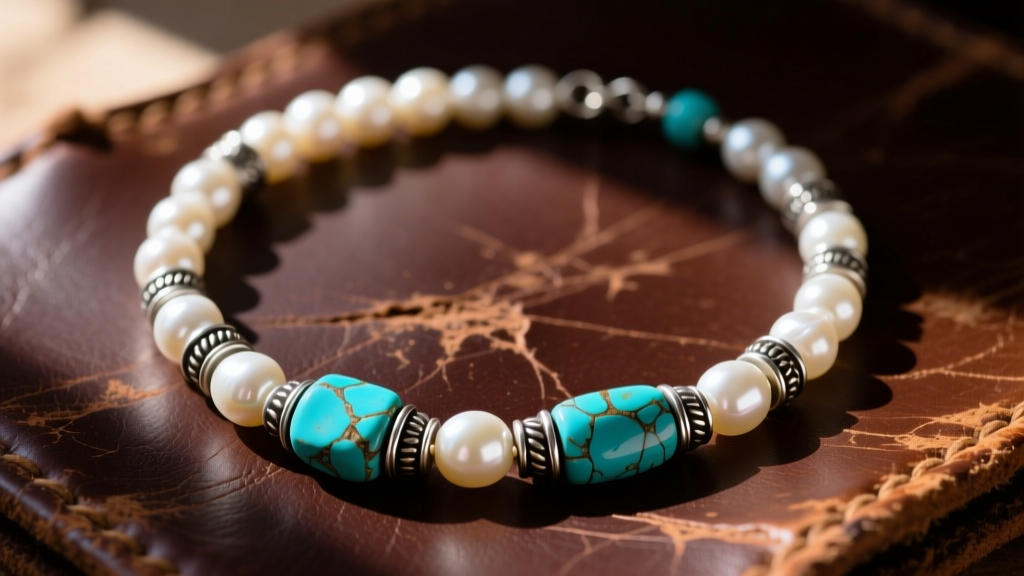
The Anatomy of a Rocker-Chic Southwestern Pearl Strand
When collectors, stylists, and vintage jewelry enthusiasts refer to a 'ZZ Top pearl necklace,' they are rarely talking about a single mass-produced item. Instead, this highly sought-after keyword describes a specific aesthetic category: the intersection of Texas blues-rock, Southwestern silversmithing, and organic gemstones. Popularized by rock legends like Billy Gibbons, this style heavily features rugged, mixed-media designs. Think heavy .925 sterling silver spacers, raw turquoise or snake vertebrae accents, braided leather cords, and large, irregular baroque freshwater pearls.
While visually stunning, these mixed-material pieces present a unique maintenance challenge. You cannot simply drop a mixed-media Southwestern strand into a standard jewelry cleaner. The organic nature of the pearls conflicts with the chemical requirements of oxidized silver, while the leather cords are highly susceptible to moisture damage. As of 2026, modern gemological conservation standards require a segmented, multi-step approach to cleaning these rugged statement pieces without compromising their intentional antiquing or structural integrity.
Material-Specific Cleaning Protocols
To properly care for this style of necklace, you must break the piece down by its constituent materials. What benefits the silver will destroy the pearl, and what cleans the pearl will rot the leather.
Freshwater & Cultured Pearls (Mohs 2.5-4.5)
Pearls are organic gems composed of calcium carbonate and conchiolin (a structural protein). They rank between 2.5 and 4.5 on the Mohs hardness scale, making them incredibly susceptible to scratching and chemical erosion. The primary enemy of the pearl is acid. Even mildly acidic substances like human sweat, citrus-based perfumes, or vinegar will slowly dissolve the nacre, leaving the pearl with a dull, chalky appearance. According to the Gemological Institute of America (GIA), pearls should never be subjected to ultrasonic cleaners or steamers, as the high-frequency vibrations can fracture the nacre layers, especially in older, dehydrated vintage specimens.
Sterling Silver & Oxidized Hardware
The 'ZZ Top' aesthetic relies heavily on oxidized (blackened) .925 sterling silver to achieve a rugged, vintage, road-worn look. Standard silver tarnish is a chemical reaction between the copper in the sterling alloy and hydrogen sulfide in the air. However, you must avoid liquid silver dips or abrasive polishing pastes. These products will strip the intentional oxidation from the crevices of the silver spacers, ruining the Southwestern contrast and leaving the metal looking flat and overly bright. Instead, rely on dry, treated micro-silver cloths to gently buff only the high points of the metal.
Leather Cords and Suede Accents
Many Southwestern rocker pearl strands are strung on 2mm to 4mm braided leather or suede cords rather than traditional silk thread. Leather is highly porous and acts as a sponge for sebum (skin oils), sweat, and environmental pollutants. Over time, these oils degrade the leather fibers, leading to dry rot and catastrophic snapping, usually right at the metal crimp bead near the clasp. Leather should never be submerged in water or cleaned with soap.
Step-by-Step Deep Cleaning Routine
Follow this meticulous, segmented routine to safely restore your mixed-media pearl and silver necklace. This process takes about 20 minutes and requires minimal, household-safe supplies.
- Surface Dusting: Lay the necklace flat on a clean, lint-free microfiber towel. Use a soft, dry horsehair makeup brush to gently sweep away loose dust, dead skin cells, and debris from between the pearl drill holes and silver spacers.
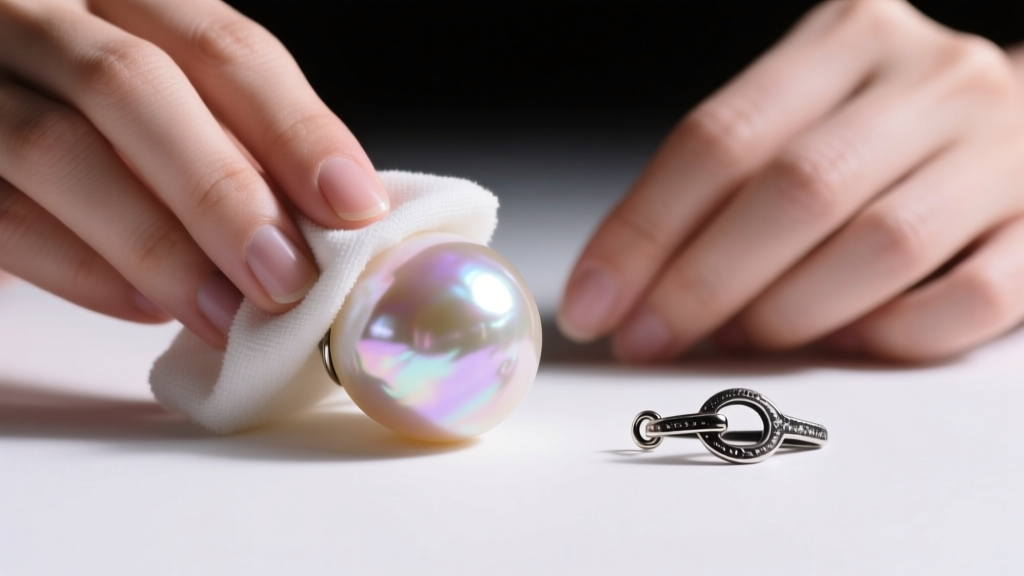
- Pearl Spot Cleaning: Dampen a corner of a microfiber cloth with distilled water (never tap water, as chlorine and hard minerals can leave deposits). Gently wipe each baroque pearl individually. Do not pull or stretch the cord while wiping.
- Silver Polishing: Take a dry, chemically treated silver polishing cloth. Carefully pinch the silver spacers and rub gently. Avoid touching the pearls with the treated cloth, as the anti-tarnish chemicals can leave a stubborn, greasy film on the nacre.
- Leather Conditioning: If the leather cord feels stiff or dry, apply a microscopic drop of pure, unscented mineral oil or a dedicated leather conservator's balm to a cotton swab. Rub it sparingly into the leather, avoiding the metal crimps and the pearls.
- Airing Out: Let the necklace rest flat in a climate-controlled room for 24 hours before storing, ensuring all moisture from the pearl cleaning has fully evaporated.
Common Failure Modes & Troubleshooting
Mixed-media vintage necklaces are prone to specific structural and cosmetic failures. Use this diagnostic table to identify and resolve issues before they result in permanent damage.
| Problem | Root Cause | Expert Solution |
|---|---|---|
| Chalky, dull pearls lacking luster | Acidic sweat erosion or prolonged exposure to aerosol hairspray and perfumes. | Wipe immediately after wear with a damp cloth. For severe dullness, a jeweler can gently polish with a specialized calcium-safe compound. |
| Flaking or peeling nacre | Ultrasonic cleaning damage, extreme dry heat, or 'pearl rot' from trapped moisture. | Irreversible. The damaged pearls must be removed and replaced by a professional bench jeweler. |
| Leather cord snapping at the clasp | Sebum degradation and metal fatigue at the crimp bead cutting into the leather fibers. | Replace the leather cord every 18-24 months. Upgrade to a 49-strand micro-fused stainless steel beading wire coated in nylon for superior drape and strength. |
| Silver spacers turning black/green | Heavy hydrogen sulfide exposure or reaction to sulfur-based cosmetics. | Use a dry silver cloth. If heavily corroded, a jeweler can use a gentle ionic silver cleaner, masking the pearls first. |
What to Absolutely Avoid
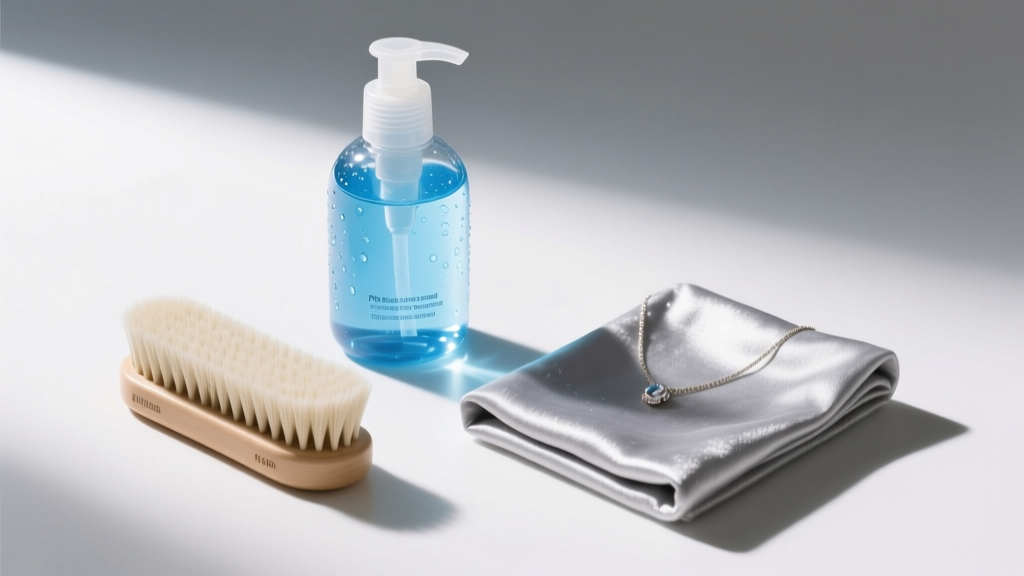
When dealing with a high-value vintage piece, avoiding catastrophic mistakes is just as important as active cleaning. Never use ammonia, bleach, or glass cleaners (like Windex) on any part of the necklace. Ammonia will permanently cloud the nacre of freshwater pearls, while bleach will destroy the conchiolin protein matrix, causing the pearl to literally crumble into dust. Furthermore, never store your Southwestern pearl strand in a plastic ziplock bag. Many plastics emit trace amounts of sulfur gas as they degrade, which will rapidly accelerate the tarnishing of your sterling silver components.
Storage and Long-Term Preservation
Proper storage is the cornerstone of pearl longevity. Pearls actually benefit from a slight amount of ambient humidity; storing them in a bank safety deposit box or a desert-dry safe for years can cause the nacre to crack and peel. The GIA Silver Care Guide also notes that silver should be kept away from direct sunlight and high humidity to slow the oxidation process.
To balance these competing needs, store your ZZ Top pearl necklace in a breathable, unbleached cotton pouch or a lined wooden jewelry box. Place a single 3M anti-tarnish strip inside the box to absorb atmospheric sulfur, protecting the silver without exposing the pearls to harsh chemicals. Finally, always hang heavy pearl and leather strands or lay them perfectly flat. Hanging a heavy, multi-strand pearl necklace on a standard hook for months will cause gravity to permanently stretch the leather cord and weaken the silk or wire knotting, leading to inevitable breakage. Treat your Southwestern rocker pearls with the same respect you would give a museum artifact, and they will maintain their rugged, road-tested luster for decades.


