How to Clean and Care for a Long Chunky Turquoise Necklace
Learn expert cleaning, restringing, and storage tips to protect your long chunky turquoise necklace from damage, discoloration, and string breakage.

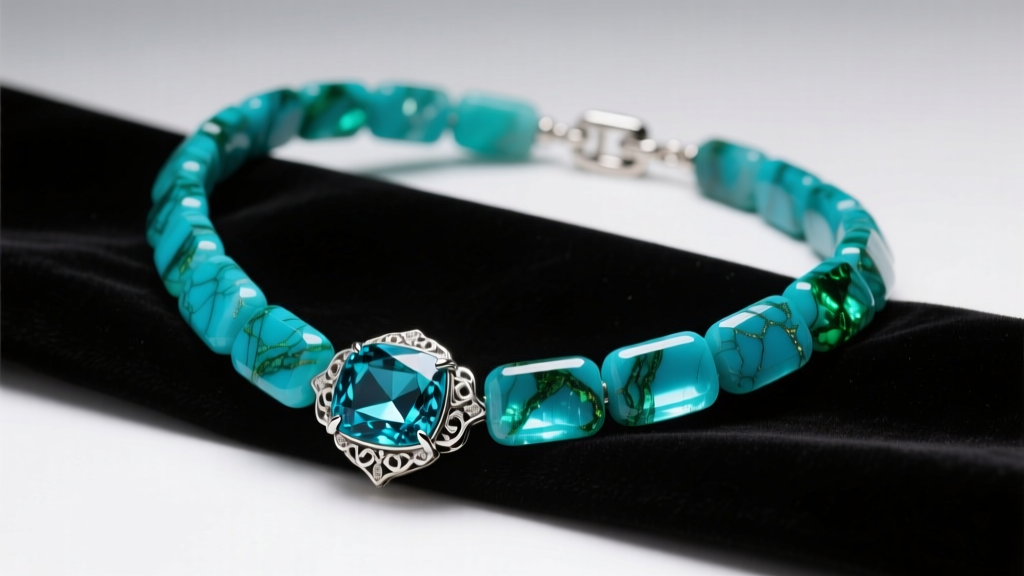
A long chunky turquoise necklace is more than just a piece of jewelry; it is a bold, wearable work of art that commands attention. Whether you are styling a vintage Southwestern piece or a modern bohemian statement strand, the sheer scale of chunky turquoise beads introduces unique vulnerabilities. Turquoise is a relatively soft, porous gemstone, and when fashioned into heavy, oversized beads on a long strand, it faces compounding risks from environmental exposure, chemical damage, and severe tensile stress on its stringing material.
To preserve the vibrant color and structural integrity of your investment, you must move beyond generic jewelry care. This comprehensive guide provides gemologist-backed protocols for cleaning, maintaining, and storing your turquoise treasures in 2026 and beyond.
Understanding Your Turquoise: Natural vs. Stabilized
Before applying any cleaning solution, you must understand the exact nature of your gemstones. According to the Gemological Institute of America (GIA), turquoise ranks between 5 and 6 on the Mohs hardness scale, making it significantly softer than quartz or topaz. More importantly, natural turquoise is highly porous, acting like a microscopic sponge that readily absorbs oils, lotions, and household chemicals.
To combat this, over 90% of the turquoise on the modern market undergoes some form of treatment:
- Natural (Untreated): Extremely rare and valuable. Highly susceptible to color shifts from skin oils and environmental pollutants. Requires the most stringent care.
- Stabilized: The stone is infused with a clear epoxy or polymer resin under pressure to harden it and seal the pores. While more durable, harsh chemicals can still degrade the resin over time, causing cloudiness.
- Zachery-Treated: A modern, proprietary method that reduces porosity without adding polymers or dyes, maintaining a more natural feel while improving durability.
Regardless of the treatment, the fundamental rule of turquoise care remains absolute: avoid acidic, abrasive, and high-heat environments at all costs.
The Step-by-Step Cleaning Protocol
When your necklace accumulates dust, skin oils, or cosmetic residue, a gentle, manual cleaning is the only safe approach. Never submerge a long turquoise strand in water, as prolonged moisture can weaken the stringing material and seep into the drill holes, potentially causing the stone to crack from the inside out.
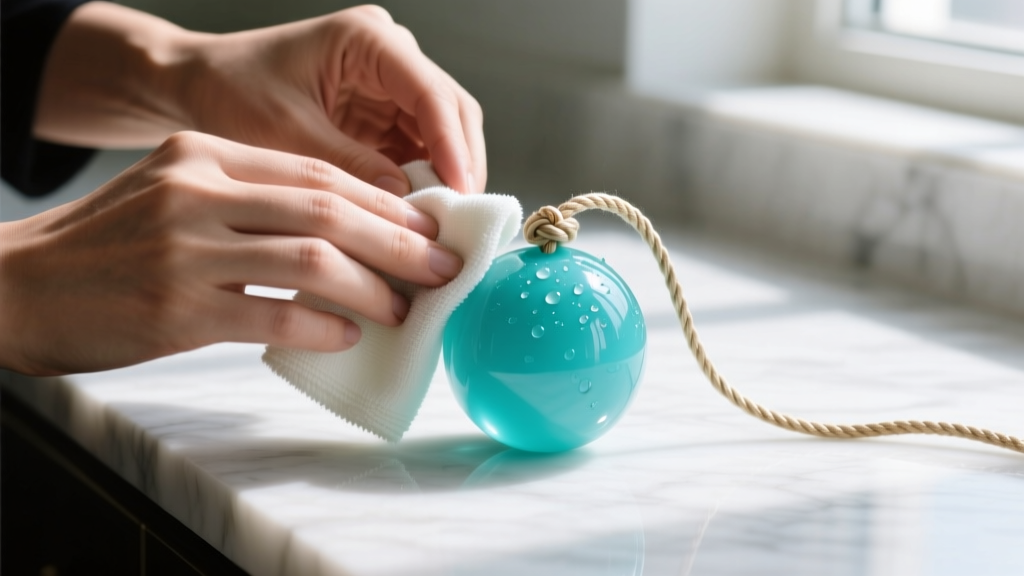
What You Will Need:
- Distilled water (tap water contains minerals and chlorine that can leave deposits)
- Mild, pH-neutral dish soap (e.g., original blue Dawn)
- Two ultra-soft, lint-free microfiber cloths
- A soft-bristled makeup blending brush (for intricate matrix crevices)
The Cleaning Process:
- Prepare the Solution: Mix a few drops of mild dish soap into a bowl of lukewarm distilled water.
- Dampen the Cloth: Dip one microfiber cloth into the solution and wring it out until it is barely damp. It should never be dripping wet.
- Wipe Gently: Carefully wipe each chunky bead individually, avoiding the knotted stringing material as much as possible.
- Detail the Matrix: If your turquoise features deep, rustic matrix (the brown or black host rock veining), lightly dip the soft makeup brush into the soapy water, shake off excess moisture, and gently sweep the crevices.
- Dry Immediately: Use the second, completely dry microfiber cloth to buff the beads and remove any residual moisture.
Cleaning Agents & Turquoise Safety Matrix
| Cleaning Agent / Method | Safety Level | Effect on Turquoise & Stringing |
|---|---|---|
| Ultrasonic Cleaners | Dangerous | Cavitation vibrations shatter the matrix; strips stabilization resins. |
| Baking Soda Paste | Dangerous | Highly abrasive; permanently scratches the 5-6 Mohs surface. |
| Steam Cleaners | Dangerous | Thermal shock causes internal fracturing and dehydration of the stone. |
| Commercial Silver Dips | Dangerous | Thiourea chemicals permanently discolor and strip the stone's waxes. |
| Mild Soap & Damp Cloth | Safe | Lifts surface oils without damaging the stone's pores or stringing. |
Structural Maintenance: Stringing and Clasps
The physical weight of a long chunky turquoise necklace is a hidden danger. A 36-inch opera or rope-length strand featuring 15mm to 20mm chunky beads can easily weigh between 120 and 180 grams. This immense weight places continuous tensile stress on the stringing material, especially at the nape of the neck and near the clasp.
Evaluating the Stringing Material
Historically, heavy turquoise was strung on silk. However, silk stretches, degrades with moisture, and eventually snaps under heavy loads. If you are purchasing a vintage piece or having a modern piece restrung, insist on high-performance synthetics. Materials like Beadalon Power Pro (a braided polyethylene line) or heavy-duty nylon offer superior tensile strength and do not stretch or rot. Ensure the jeweler ties individual knots between each chunky bead; this prevents bead-on-bead friction and ensures that if the strand breaks, you do not lose the entire piece.
Clasp Care and Tarnish Removal
Most high-quality turquoise necklaces feature sterling silver (925) clasps, toggles, or bead caps. Silver tarnishes when exposed to sulfur and humidity.
Jeweler's Warning: Never use liquid silver dips like Tarn-X near your turquoise. The harsh chemicals in these solutions will permanently strip the stone's natural waxes and cause irreversible, blotchy discoloration if even a single drop touches the gem.
Instead, use a treated polishing cloth (such as a Sunshine Cloth) to gently buff the silver hardware. Hold the cloth carefully to ensure it only makes contact with the metal, avoiding the adjacent turquoise beads.
Daily Wear Rules & Environmental Hazards
The American Gem Society advocates for the "Last On, First Off" rule for all porous gemstones, and this is non-negotiable for turquoise. Your necklace should be the very last thing you put on when getting dressed, and the first thing you take off when you return home.
The Hazard Checklist:
- Cosmetics & Fragrances: Hairspray, perfume, and body lotions contain alcohols and oils that will seep into untreated turquoise, causing it to turn a dull, muddy green over time.
- Perspiration: Human sweat is slightly acidic. Wearing a heavy turquoise strand against bare skin during hot weather or physical activity will slowly etch the surface of the beads.
- UV Exposure & Heat: Prolonged exposure to direct sunlight or extreme heat (like leaving the necklace on a car dashboard) can dehydrate natural turquoise, leading to color fading and surface cracking.
- Household Chemicals: Always remove your necklace before washing dishes, cleaning with bleach or ammonia, or swimming in chlorinated pools.
Proper Storage Techniques for Long Strands
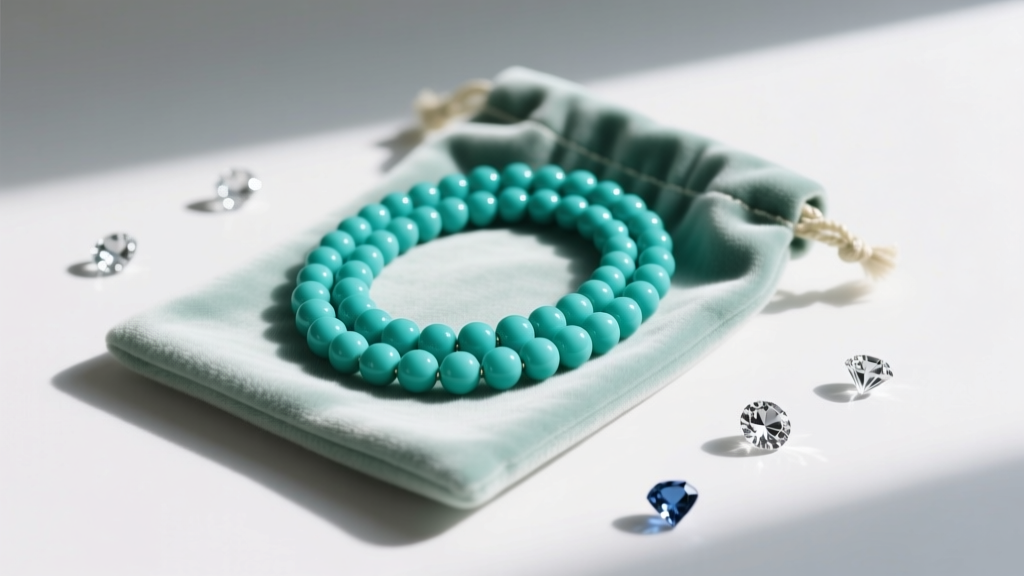
How you store your long chunky turquoise necklace is just as critical as how you clean it. Turquoise is easily scratched by harder materials. Storing it in a communal jewelry box where it can rub against diamonds (Mohs 10), sapphires (Mohs 9), or even quartz (Mohs 7) will result in permanent surface abrasions.
Furthermore, long strands are prone to severe tangling, which can stretch the stringing material and damage the clasps. Follow these storage protocols:
- Use Anti-Tarnish Pouches: Store the necklace in a soft, untreated flannel or anti-tarnish pouch. Avoid plastic ziplock bags, as they can trap moisture and emit off-gassing chemicals that degrade silver and certain gemstone treatments.
- The Coil Method: Do not hang a heavy, chunky necklace on a jewelry tree. The constant downward pull of gravity will permanently stretch the stringing material over time. Instead, gently coil the necklace in a figure-eight pattern or loose loops before placing it in its pouch.
- Isolate from Harder Gems: Dedicate a specific drawer or compartment solely for your turquoise and other soft, porous stones like pearls, opals, and coral.
By adhering to these meticulous care, cleaning, and storage guidelines, your long chunky turquoise necklace will retain its striking color, structural integrity, and heirloom value for decades to come.


