Cloth Necklace Trends 2026: Fabric & Ribbon Jewelry Guide
Discover the 2026 cloth necklace trend. Explore silk, velvet, and technical fabric chokers, styling tips, and how to elevate ribbon jewelry today.

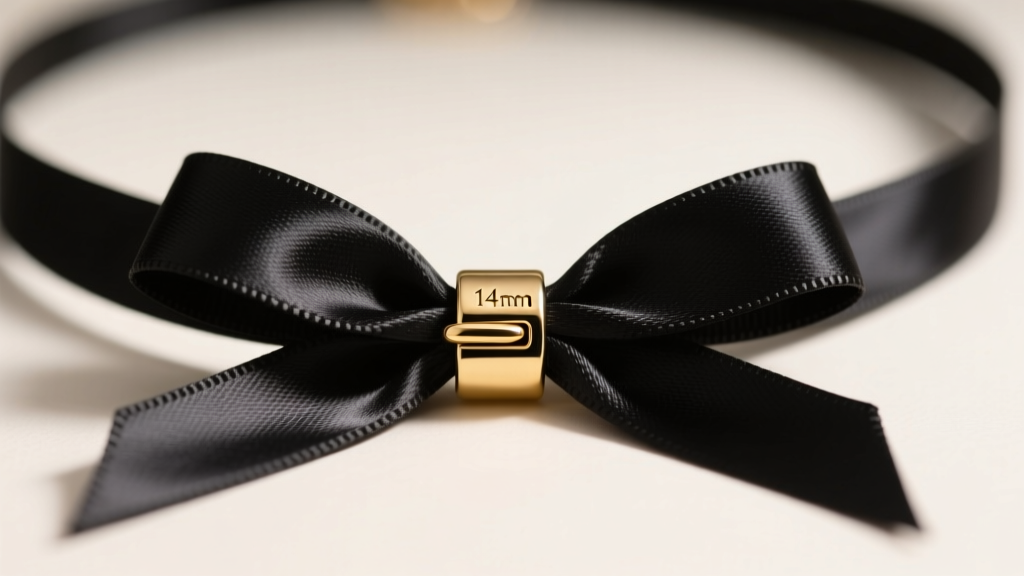
The Renaissance of the Cloth Necklace
Once relegated to the realm of nostalgic 1990s plastic tattoo chokers and bohemian festival wear, the cloth necklace has undergone a radical luxury transformation. As we navigate the 2026 jewelry landscape, textile-based neckwear has emerged as a dominant force on both the runways and in high-end street style. According to Vogue's recent jewelry trend forecasting, designers are pivoting away from heavy, rigid metal chains in favor of fluid, tactile materials that offer a softer silhouette without sacrificing structural elegance.
The modern cloth necklace is an exercise in material science and hardware integration. It bridges the gap between apparel and accessory, utilizing high-grade textiles that drape, tie, and clasp with precision. Whether you are exploring bias-cut silk ribbons, technical ripstop cords, or plush velvet bands, understanding the anatomy of these pieces is crucial for curating a contemporary jewelry wardrobe. This guide breaks down the exact specifications, material grades, and styling frameworks defining the fabric jewelry movement this year.
The Material Matrix: Decoding 2026 Fabric Grades
Not all fabrics are engineered for neckwear. A cloth necklace must withstand the natural oils, moisture, and friction of the décolletage area. In 2026, the market has standardized around three primary textile categories, each offering distinct aesthetic and functional properties.
1. Mulberry Silk (22-Momme Weight)
The gold standard for luxury ribbon necklaces. A 22-momme weight provides enough density to prevent the silk from becoming transparent or tearing under the weight of a pendant. High-end cloth necklaces utilize bias-cut silk satin, which allows the ribbon to stretch slightly and conform to the curve of the collarbone without fraying at the edges. Silk requires meticulous care but offers an unparalleled luminous drape.
2. Technical Ripstop Nylon (70-Denier)
Driven by the techwear and gorpcore aesthetics, technical cloth necklaces use 70-denier ripstop nylon. Recognizable by its crosshatch grid weave, this material is virtually tear-proof, water-resistant, and immune to sweat degradation. These necklaces often feature matte finishes and are paired with utilitarian hardware like matte black carabiners or Fidlock magnetic buckles.
3. Silk-Blend Velvet (Crushed and Pile)
While synthetic velvet crushes and mats quickly, 2026's luxury velvet chokers are woven with a 20% silk blend. This elevates the pile, giving it a rich, light-catching depth. Velvet cloth necklaces are typically cut in widths of 15mm to 25mm to create a bold, historical silhouette that pairs exceptionally well with modern minimalist tailoring.
| Material Grade | Standard Width | Durability & Moisture Resistance | Average Price Range | Best Occasion |
|---|---|---|---|---|
| 22-Momme Mulberry Silk | 5mm - 12mm | Low (Water stains easily) | $85 - $250 | Eveningwear, Bridal, Formal |
| 70D Ripstop Nylon | 3mm - 8mm | High (Waterproof, tear-proof) | $45 - $120 | Streetwear, Active, Daily |
| Silk-Blend Velvet | 15mm - 25mm | Medium (Avoid heavy perspiration) | $60 - $180 | Autumn/Winter, Cocktail |
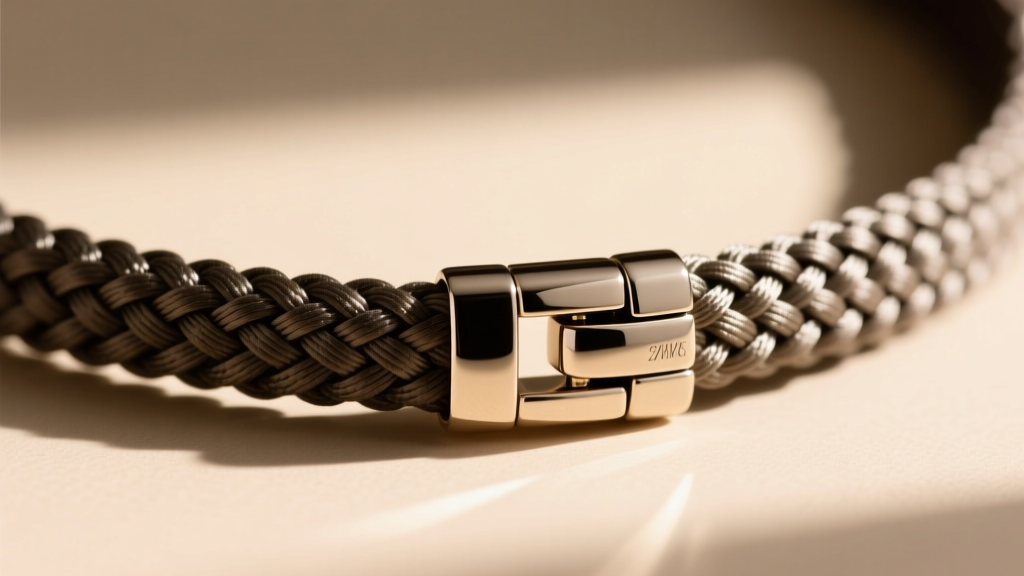
Hardware Integration: Where Textile Meets Metal
The failure point of any cloth necklace is the junction where the fabric meets the clasp. In cheaper iterations, glue is used, which inevitably degrades and leaves a stiff, discolored residue on the fabric. The 2026 standard for premium fabric jewelry relies on mechanical crimping and advanced metallurgy.
For cord and ribbon styles under 10mm, look for end caps with a 1.5mm to 3mm inner diameter that are mechanically crimped using a toothed interior grip. To prevent the metal from tarnishing and staining the adjacent fabric, top-tier brands utilize PVD (Physical Vapor Deposition) coating over stainless steel or brass. PVD creates a molecular bond that is impervious to sweat and perfume acids.
Furthermore, the traditional lobster clasp is being rapidly replaced by N52-grade neodymium magnetic clasps. These rare-earth magnets provide up to 4 pounds of pull force—secure enough to hold a heavy gemstone pendant, yet easily manipulated with one hand. The magnets are encased in smooth, rounded metal shells to prevent snagging delicate silk weaves.
Proportions, Widths, and Neckline Architecture
Styling a cloth necklace requires an understanding of visual weight and neckline geometry. Unlike rigid metal chains that drape into a predictable V-shape, fabric necklaces can be tied, knotted, or wrapped. As noted by industry analysts at The Business of Fashion, consumers are increasingly seeking versatile accessories that adapt to multiple garments.
The 3mm Delicate Cord
- Best Pairing: Deep V-necks and scoop necks.
- Styling Technique: Layering. Wear three 3mm cloth cords in varying lengths (16", 18", 20") with small gold-dipped sliding beads to adjust the cascade.
- Vibe: Ethereal, minimalist, barely-there elegance.
The 10mm Standard Ribbon
- Best Pairing: Crew necks, turtlenecks, and off-the-shoulder tops.
- Styling Technique: The Lariat Tie. Leave the ends long and tie a loose, asymmetrical overhand knot at the base of the throat, allowing the ribbon tails to hang down the sternum.
- Vibe: Romantic, fluid, effortlessly chic.
The 25mm Wide Choker
- Best Pairing: Strapless gowns, sweetheart necklines, and sharp blazer lapels.
- Styling Technique: Worn snugly at the mid-neck (14.5 inches). Avoid wearing wide cloth chokers with high-collared shirts, as the friction will crush the fabric pile and cause uncomfortable bunching.
- Vibe: Bold, architectural, high-fashion.

Longevity and Care: Preserving Textile Jewelry
Unlike solid gold or platinum, cloth necklaces are porous and susceptible to environmental damage. Proper maintenance is non-negotiable if you want to preserve the structural integrity and color of the textile.
"Never submerge a silk or velvet cloth necklace in water. The agitation and moisture will destroy the sizing agents used to keep the ribbon edges crisp. Always opt for targeted, dry-cleaning methods."
Spot Cleaning: For localized stains on nylon or cotton blends, use a microfiber cloth dampened with distilled water and a drop of pH-neutral baby shampoo. Blot—never rub—to lift the stain. For silk and velvet, rely exclusively on professional dry cleaning or specialized textile foams.
Storage Protocols: Never hang a silk ribbon necklace on a standard jewelry hook; the gravity will stretch the bias cut over time, causing permanent distortion. Instead, roll the necklace loosely around an acid-free tissue paper core and store it flat in a breathable cotton pouch. Keep velvet pieces away from high humidity to prevent mildew spores from taking root in the dense pile.
Market Pricing and Designer Tiers
The cloth necklace market in 2026 is distinctly stratified, offering entry points for every budget while maintaining clear boundaries in material quality.
- Fast Fashion & Mass Market ($12 - $35): Typically features synthetic polyester ribbons and glued alloy end caps. Expect fraying within 3-6 months of regular wear. Suitable for single-season trend adoption.
- Indie & Contemporary Jewelers ($60 - $150): The sweet spot for quality. You will find genuine silk, mechanical PVD-coated crimps, and neodymium magnets. Brands in this tier often offer customizable lengths and interchangeable pendant slides.
- Luxury & Haute Couture ($250 - $800+): Features proprietary textile weaves, deadstock vintage fabrics, and hardware cast in solid 18k gold or platinum. These pieces are treated as heirloom garments as much as jewelry.
Ultimately, the cloth necklace is no longer a fleeting novelty; it is a sophisticated category of jewelry that demands the same respect and scrutiny as precious metals. By prioritizing high-grade textiles, precision hardware, and mindful styling, you can seamlessly integrate fabric neckwear into your permanent rotation.


