The True Cost of Common Necklace Chain Lengths: A Value Guide
Discover how common necklace chain lengths impact jewelry pricing, material costs, and overall value to help you make smarter, budget-friendly purchases.

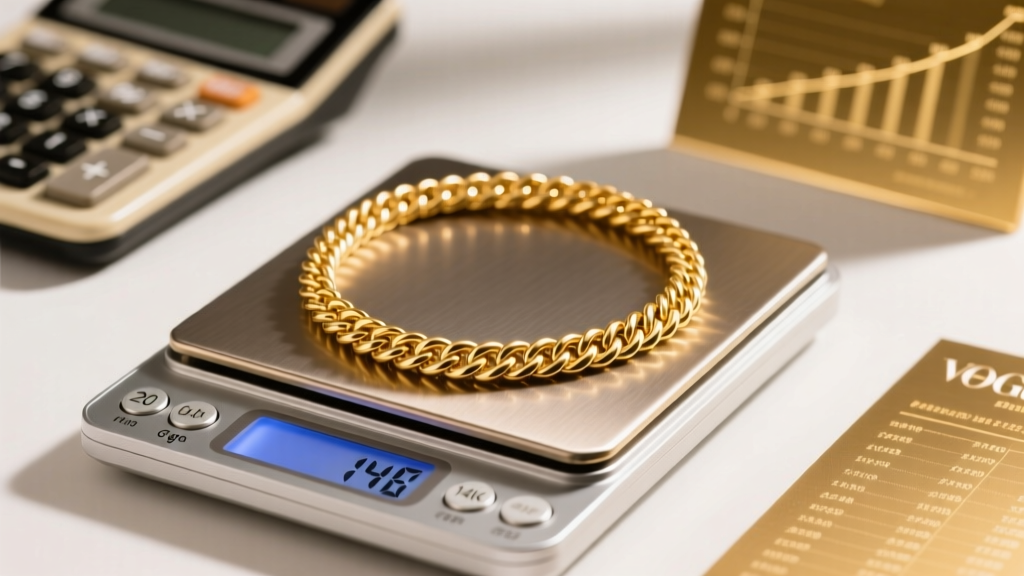
The Economics of Chain Length: Why Inches Equal Dollars
When building a curated jewelry collection, buyers often fixate on the pendant or the metal purity, overlooking a fundamental driver of cost: the chain itself. Understanding the true value of common necklace chain lengths requires looking past the style and examining the metallurgy, weight, and manufacturing economics. In the precious metals market, every fraction of an inch adds tangible gram weight, which directly scales the base price of the piece. Whether you are shopping for solid 14k gold, platinum, or sterling silver, the length of the chain dictates the raw material volume required, making it a critical factor in any budget and value assessment.
A standard 1.5mm rope chain in 14k yellow gold weighs approximately 2.5 grams at a 16-inch choker length. However, extending that same chain to a 24-inch opera length increases the weight to roughly 3.8 grams. That 1.3-gram difference might seem negligible visually, but at current precious metal spot prices, it represents a 25% to 35% increase in the raw material cost alone. By mapping out the financial implications of these dimensions, you can make highly strategic purchasing decisions that maximize your investment without sacrificing aesthetic versatility.
Pricing Breakdown by Common Necklace Chain Lengths
To accurately assess value, we must establish a baseline. The following table breaks down the estimated weights and retail price ranges for a standard 1.5mm solid 14k gold rope chain across the most popular sizes. These figures reflect 2026 market valuations, accounting for standard retail markups over the spot price of gold.
| Chain Length | Style Classification | Est. Gold Weight (1.5mm) | Approx. Retail Value | Value Proposition |
|---|---|---|---|---|
| 16 Inches | Choker / Collar | 2.5 grams | $190 - $230 | High cost-per-wear; best for minimalist daily styling. |
| 18 Inches | Princess | 2.8 grams | $220 - $260 | The ultimate versatile workhorse; highest ROI for everyday wear. |
| 20 Inches | Matinee | 3.1 grams | $250 - $290 | Ideal for layering and pendant suspension; excellent balance of cost and utility. |
| 24 Inches | Opera | 3.8 grams | $330 - $390 | Lower daily utility; better suited for specific fashion statements. |
| 30 Inches | Rope / Lariat | 4.7 grams | $420 - $480 | Premium material cost; high risk of snagging and mechanical wear. |
As the data illustrates, the jump from an 18-inch princess chain to a 24-inch opera chain nearly doubles the financial outlay. For budget-conscious collectors, the 18-inch and 20-inch lengths offer the most favorable intersection of material cost, visual impact, and wardrobe compatibility.

The Cost-Per-Wear Matrix: Maximizing Your Investment
In jewelry economics, the initial purchase price is only half the equation. The true value of any accessory is best measured by its cost-per-wear (CPW). A $450 solid gold 30-inch chain worn only ten times a year yields a CPW of $45. Conversely, a $240 solid gold 18-inch chain worn 250 days a year results in a CPW of less than $1. From a strict value assessment perspective, the 18-inch chain is a vastly superior financial asset.
When evaluating your budget, consider the following layering strategy to maximize value:
- The Core Duo: Invest heavily in an 18-inch and a 20-inch chain in solid 14k or 18k gold. These lengths sit perfectly on the collarbone and upper chest, accommodating almost any neckline from crewnecks to V-necks.
- The Accent Piece: Instead of buying a costly 24-inch solid gold chain, allocate a smaller portion of your budget to a high-quality gold vermeil or gold-filled chain for occasional layering.
- Pendant Allocation: Reserve your heaviest, most durable chains (typically 20-inch or 22-inch lengths with a 2.0mm gauge or higher) for suspending valuable gemstone pendants, ensuring the chain's tensile strength matches the pendant's weight and value.
Material Grades and How They Intersect with Length
The longer the chain, the more aggressively the material grade impacts your wallet. While a 16-inch solid platinum chain is a manageable luxury for many, a 30-inch solid platinum rope chain is an exorbitant expense that rarely justifies its cost-per-wear. This is where alternative metallurgy becomes a vital tool for the savvy buyer.
According to guidelines established by the Gemological Institute of America (GIA), understanding the distinction between solid gold, gold-filled, and gold vermeil is crucial for assessing long-term value. For chains exceeding 24 inches, gold vermeil offers an exceptional budget alternative. True vermeil requires a base of sterling silver plated with a minimum of 2.5 microns of gold. Because longer chains rest against clothing and experience less direct friction against the skin's oils compared to tight chokers, the gold plating on a 24-inch or 30-inch vermeil chain tends to last significantly longer than it would on a 16-inch choker. This makes vermeil a highly strategic, budget-friendly choice for opera and lariat lengths, allowing you to achieve the visual weight of a long chain without the four-figure price tag of solid gold.
Hidden Costs: Clasps, Soldering, and Maintenance
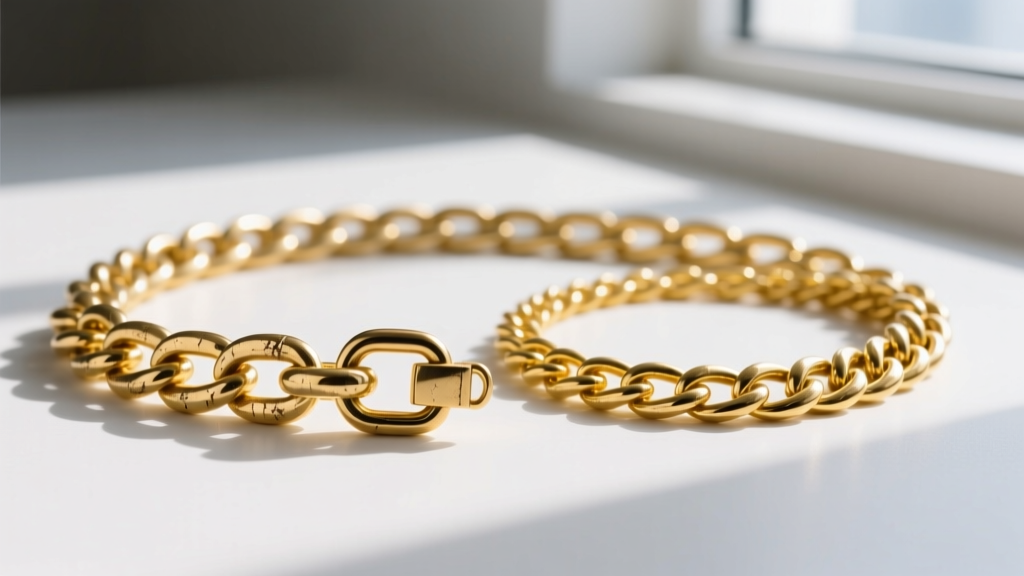
A comprehensive value assessment must also account for the hidden maintenance costs associated with different chain lengths. Longer chains are inherently more prone to mechanical failure. A 24-inch or 30-inch chain swings freely, increasing the likelihood of snagging on fabrics, getting caught in hair, or being pulled accidentally. This kinetic stress is transferred directly to the clasp and the terminal jump rings.
Budget-priced chains often cut costs by utilizing lightweight spring ring clasps. On a heavy 24-inch chain, a spring ring is a critical failure point. If the chain snaps or the clasp breaks, you are immediately faced with repair costs. As noted in recent industry analyses by JCK Industry Reports, jewelry repair costs have surged alongside labor and material shortages. Soldering a broken link on a delicate cable chain can cost anywhere from $45 to $85, while replacing a damaged clasp and reinforcing the terminal rings can push past $120.
Pro-Tip: When purchasing any chain longer than 22 inches, always verify that it features a robust lobster clasp or a secure box clasp with a safety latch. The $15 to $30 premium for a heavier clasp at the point of purchase will save you triple that amount in inevitable jeweler repair fees down the line.
Final Verdict: Sizing Your Budget for the Perfect Fit
Navigating the market for common necklace chain lengths requires a shift in perspective from pure aesthetics to holistic value assessment. The 18-inch and 20-inch lengths remain the undisputed champions of jewelry ROI, offering the best balance of material cost, daily wearability, and styling versatility. For those desiring the dramatic flair of 24-inch or 30-inch lengths, pivoting to high-micron gold vermeil or gold-filled options protects your budget while delivering the exact visual impact you seek. By calculating the cost-per-wear, demanding appropriate clasp hardware, and aligning your material grade with the chain's physical dimensions, you can build a resilient, high-value necklace collection that outlasts fleeting trends and market fluctuations.


