Conch Necklace Value Guide: Shells vs. Pink Pearls
Discover the true value of a conch necklace. We compare budget conch shell pendants against rare pink conch pearls, covering CITES laws and UV fading risks.

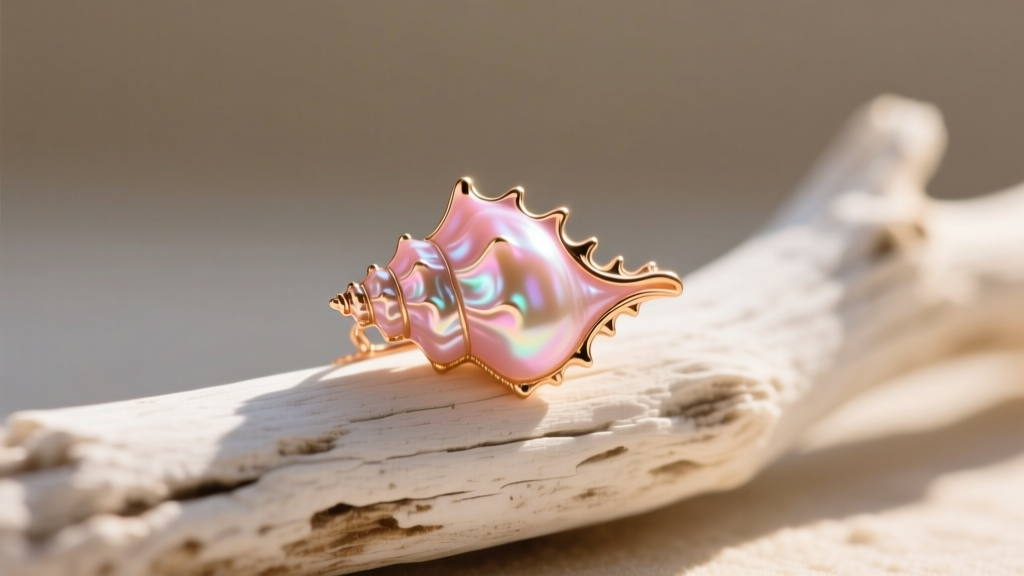
The Tale of Two Conchs: Shell vs. Pearl
When shoppers search for a conch necklace, they are usually met with a confusing dichotomy in pricing. On one hand, you can find carved shell pendants for under $50. On the other, high-jewelry conch pearl necklaces routinely command prices upwards of $50,000. As a jewelry appraiser and trend analyst, I see buyers constantly conflate these two entirely different materials. Understanding the gemological, legal, and structural differences between Queen Conch shell and the ultra-rare conch pearl is critical before you allocate your jewelry budget in 2026.
This comprehensive value assessment breaks down the exact pricing tiers, material failure modes, and legal restrictions you must navigate. Whether you are looking for a budget-friendly vacation souvenir or a museum-grade investment piece, this guide will ensure you get exactly what you pay for.
Conch Shell Necklaces: Budget, Ethics, and CITES
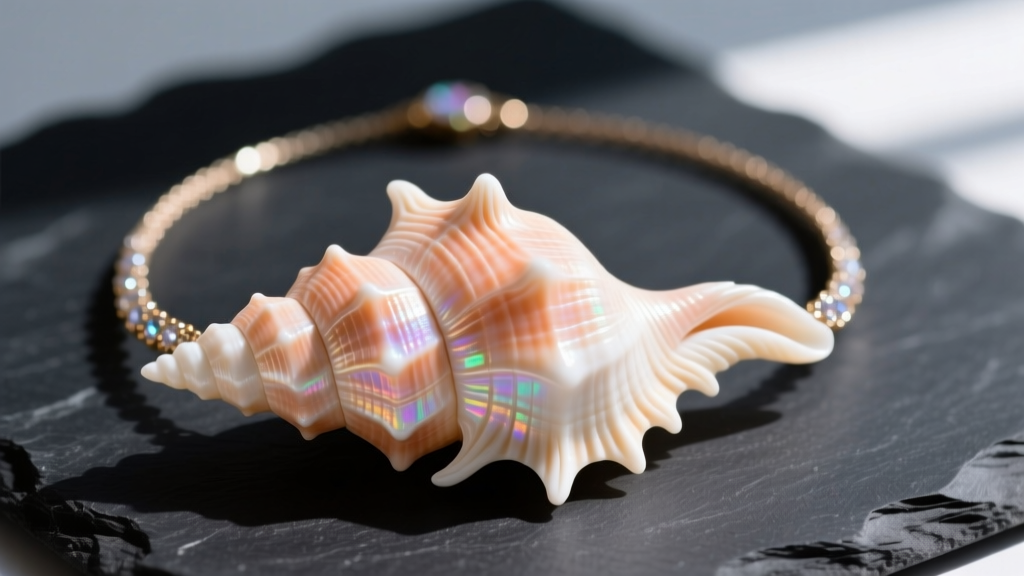
Carved conch shell necklaces are crafted from the outer and inner layers of the Queen Conch (Strombus gigas). The inner lip of the shell features a stunning, natural gradient of peach, pink, and stark white, making it a popular material for cameo carvings and polished cabochons.
The Hidden Costs of Carved Shell
From a purely financial perspective, shell necklaces are highly accessible. However, they come with significant material vulnerabilities. Conch shell is primarily composed of calcium carbonate in a crossed-lamellar structure. While beautiful, it is highly porous and reactive. The most common failure mode for budget shell necklaces is acid delamination. Human sweat has a pH ranging from 4.5 to 7.0; prolonged skin contact will literally dissolve the polished surface of the shell, leaving it chalky, dull, and structurally compromised.
To mitigate this, reputable jewelers often apply a micro-thin epoxy or UV-cured resin coating to the back of shell pendants. If you are buying a vintage or raw shell necklace, expect to spend $15 to $30 on professional jewelry sealing every few years to maintain its luster.
CITES Compliance and Legal Sourcing
The most critical value factor for shell necklaces is legality. The Queen Conch is listed under CITES Appendix II, meaning international trade is strictly regulated to prevent overharvesting. If you purchase a conch shell necklace while vacationing in the Caribbean and attempt to fly home without a CITES export permit, customs agents will confiscate the necklace, and you may face steep fines. Always demand a CITES certificate from the retailer. If they cannot provide one, the necklace is essentially worthless as an international asset.
Conch Pearl Necklaces: The High-Jewelry Investment
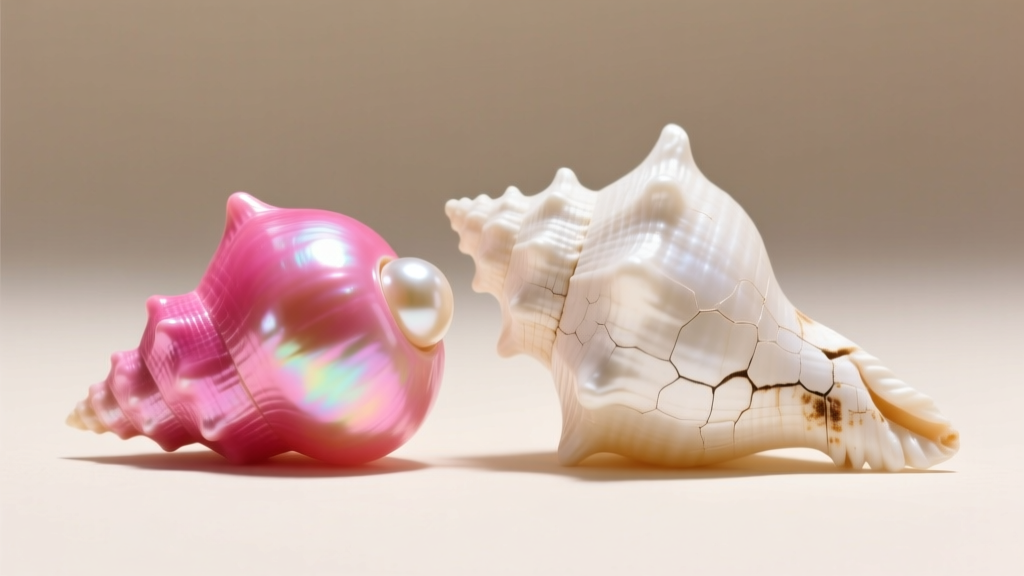
Unlike the shell, the conch pearl is a non-nacreous calcium carbonate gemstone formed within the mantle of the Queen Conch. They are exceptionally rare; the Gemological Institute of America (GIA) notes that only 1 in 10,000 conchs produces a pearl, and fewer than 10% of those are gem-quality. This extreme scarcity dictates a completely different pricing paradigm.
Grading the 'Flame' Structure
Conch pearls do not exhibit the traditional orient or luster of nacreous pearls (like Akoya or South Sea pearls). Instead, their value is driven by a unique optical phenomenon called chatoyancy, manifesting as a 'flame' structure. This is caused by the crossed lamellar microarchitecture of the aragonite crystals reflecting light. When evaluating a conch pearl necklace, use this grading hierarchy:
- Grade A (Investment): Vivid pink or salmon color with a distinct, full-surface 'flame' pattern visible to the naked eye. ($15,000 - $30,000+ per carat)
- Grade B (Commercial Fine): Medium pink or peach with localized flame structures or subtle chatoyancy. ($4,000 - $8,000 per carat)
- Grade C (Decorative): Pale pink, white, or yellow with no visible flame structure; often heavily blemished. ($500 - $1,500 per carat)
The UV Fading Failure Mode
The greatest threat to a conch pearl's value is ultraviolet light. The organic pigments responsible for the pearl's iconic pink hue are highly photosensitive. Prolonged exposure to direct sunlight or even intense retail display lighting will cause the pearl to fade to a chalky, lifeless white. This process is irreversible. When assessing a vintage conch necklace, always ask for the piece's storage history. A pearl that has been kept in a dark, velvet-lined box retains its premium valuation, while one that has sat in a sunlit storefront window is severely depreciated.
2026 Pricing Matrix: What You Should Actually Pay
To help you benchmark your budget, I have compiled a realistic pricing matrix based on current wholesale and retail market data for both shell and pearl conch necklaces.
| Material Type | Quality / Grade | Estimated Retail Price (USD) | Primary Value Drivers |
|---|---|---|---|
| Carved Conch Shell | Standard Commercial | $35 - $90 | Carving detail, silver findings |
| Carved Conch Shell | Master Cameo / CITES Cert. | $150 - $450 | Artisan signature, gold settings |
| Conch Pearl (Pendant) | Grade C (No Flame) | $1,200 - $3,500 | Size (carats), shape symmetry |
| Conch Pearl (Pendant) | Grade B (Partial Flame) | $8,000 - $25,000 | Color saturation, pearl weight |
| Conch Pearl (Strand) | Grade A (Full Flame) | $150,000 - $500,000+ | Matching pearls, provenance |
How to Spot Imitations and Treatments
Because of the high value of Grade A conch pearls, the market is flooded with imitations. The most common substitute is dyed coral or calcified glass painted with a superficial flame pattern. Under 10x magnification, a true conch pearl will show a continuous, interlocking crystalline structure. Glass imitations will reveal gas bubbles and mold marks, while dyed coral will show a distinct granular texture and dye concentration in the pores.
For shell necklaces, watch out for 'reconstituted' shell. Some mass-market vendors grind up cheap shell dust, mix it with epoxy resin, and press it into molds. These lack the natural translucency and gradient of genuine Strombus gigas and hold zero resale value.
Final Verdict: Is a Conch Necklace Worth Your Budget?
The value of a conch necklace depends entirely on your intent. If you are seeking a beautiful, budget-friendly accessory for resort wear, a CITES-certified carved shell pendant set in sterling silver offers excellent aesthetic value for under $100—provided you protect it from sweat and acids. However, if you are looking for a generational investment or a high-jewelry statement piece, a Grade A pink conch pearl remains one of the rarest and most captivating gems on earth. Just remember: demand the gemological report, verify the flame structure, and keep it out of the sun.


