First Communion Necklace Budget Guide 2026: Value & Picks
Discover how to choose the perfect first communion necklace in 2026. Compare materials, pricing tiers, and long-term value to find the best budget picks.

The True Cost of a First Communion Necklace
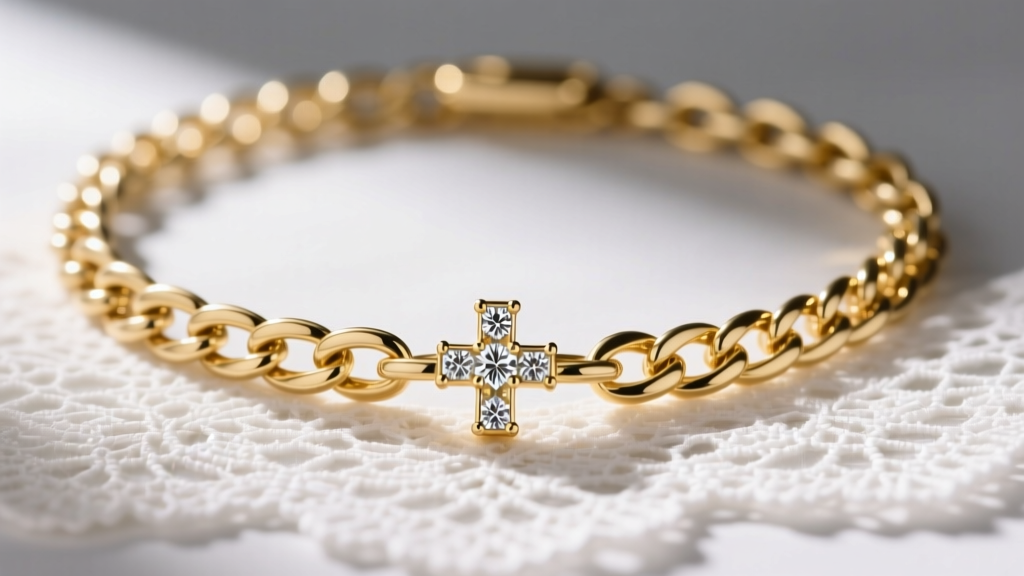
Selecting a first communion necklace is a deeply emotional milestone for families, but navigating the jewelry market in 2026 requires a pragmatic approach to budget and value. The price spectrum for these sacred pendants is vast, ranging from $15 costume pieces to $400+ solid gold heirlooms. While it is tempting to opt for the cheapest option to accommodate a growing child, understanding the material science and failure modes of budget jewelry is crucial. A poorly constructed chain will snap within weeks, and low-grade plating will oxidize, leaving a green residue on your child's neck. This guide dissects the actual value proposition across different price tiers, helping you balance financial prudence with long-term sentimental worth.
Material Breakdown: Where Your Money Actually Goes
The foundation of any necklace's value lies in its metallurgical composition. When shopping for a first communion necklace, you will primarily encounter four material categories. Understanding the difference between marketing terms and actual metal content is your best defense against overpaying.
Solid Gold vs. Gold Vermeil vs. Plated
Solid 14k gold (58.5% pure gold) remains the undisputed champion for heirloom potential. It is hypoallergenic, waterproof, and will never tarnish. However, it commands a premium. Gold vermeil is a step down but still offers respectable value; by law, vermeil must feature a sterling silver base coated with at least 2.5 microns of gold. This is vastly superior to standard "gold-plated" or "gold-flash" jewelry, which typically uses a brass or copper base with a microscopic 0.1-micron gold layer that wears off within months of daily wear. For a child who may pull or sweat on the chain, vermeil offers a middle-ground budget option, though it will eventually require re-plating.
Sterling Silver: The Budget Champion
For families prioritizing budget without sacrificing genuine metal value, solid 925 sterling silver is the optimal choice. Comprising 92.5% pure silver and 7.5% copper for structural integrity, sterling silver provides a brilliant white luster that perfectly complements communion attire. The primary drawback is tarnishing, but unlike peeling gold plating, silver tarnish is entirely reversible with a simple polishing cloth. A high-quality sterling silver communion pendant and chain can easily last a lifetime for a fraction of the cost of solid gold.

2026 Pricing Tiers & Value Assessment
To help you allocate your budget effectively, we have categorized the current market offerings based on material quality, expected lifespan, and overall value. This assessment assumes a standard 14-inch chain with a small (0.8g - 1.5g) religious pendant.
| Value Tier | Material Composition | 2026 Price Range | Longevity & Failure Modes | Heirloom Potential |
|---|---|---|---|---|
| Budget / Costume | Brass base, gold/silver flash plating | $15 - $35 | 3-6 months. Plating rubs off; copper base oxidizes skin. | None |
| Mid-Tier / Vermeil | Sterling silver base, 2.5+ micron gold coat | $60 - $130 | 2-5 years. Gold layer eventually wears thin at the clasp and links. | Moderate |
| High Value / Silver | Solid 925 Sterling Silver | $50 - $120 | Lifetime. Requires occasional polishing to remove sulfur tarnish. | High |
| Premium Heirloom | Solid 10k or 14k Gold | $180 - $400+ | Lifetime. Impervious to water, sweat, and tarnish. Links may stretch if pulled hard. | Exceptional |
Chain Types and Durability for Active Children
The pendant may hold the spiritual significance, but the chain is the structural weak point. Children aged 7 to 9 are active, and a delicate necklace will inevitably be tugged, caught on clothing, or slept in. Choosing the right chain profile and thickness is critical to protecting your investment.
- Box Chains (0.8mm - 1.2mm): The gold standard for children. The square, interlocking links lay flat, resist kinking, and offer excellent tensile strength. A 1.0mm box chain can withstand moderate pulling without snapping.
- Cable Chains: Classic but prone to catching on hair and lace veils. If you choose a cable chain, ensure the links are soldered shut rather than simply bent closed.
- Snake Chains: Avoid these entirely for children. The tightly wound, smooth surface looks elegant but will irreparably kink and dent if a child sleeps in it or bends it backward.
- The Clasp Factor: Never accept a spring-ring clasp for a child's necklace. They are notoriously difficult for small fingers to operate and feature weak internal springs that fail. Always upgrade to a lobster clasp, which features a secure, locking mechanism that prevents accidental drops.
Sizing for Growth: The 14 to 16-Inch Rule
A common budget mistake is buying a standard 18-inch adult necklace, assuming the child will "grow into it." An 18-inch chain on a 7-year-old poses a severe strangulation hazard and will hang awkwardly low, ruining the aesthetic of the communion dress. The industry sweet spot for first communion is a 14-inch base chain with a 2-inch extender. This allows the necklace to sit perfectly at the collarbone on the day of the sacrament, while the extender provides enough adjustability to accommodate growth spurts over the next three to four years. This simple feature dramatically increases the cost-per-wear value of the piece.
How to Verify Authenticity and Avoid Overpaying
When investing in precious metals, verification is non-negotiable. The secondary market and online boutiques are flooded with mislabeled jewelry. According to the Federal Trade Commission (FTC) Jewelry Guides, any item stamped with a quality mark (like 14k or 925) must also bear the registered trademark of the manufacturer or retailer, ensuring accountability for the metal's purity.
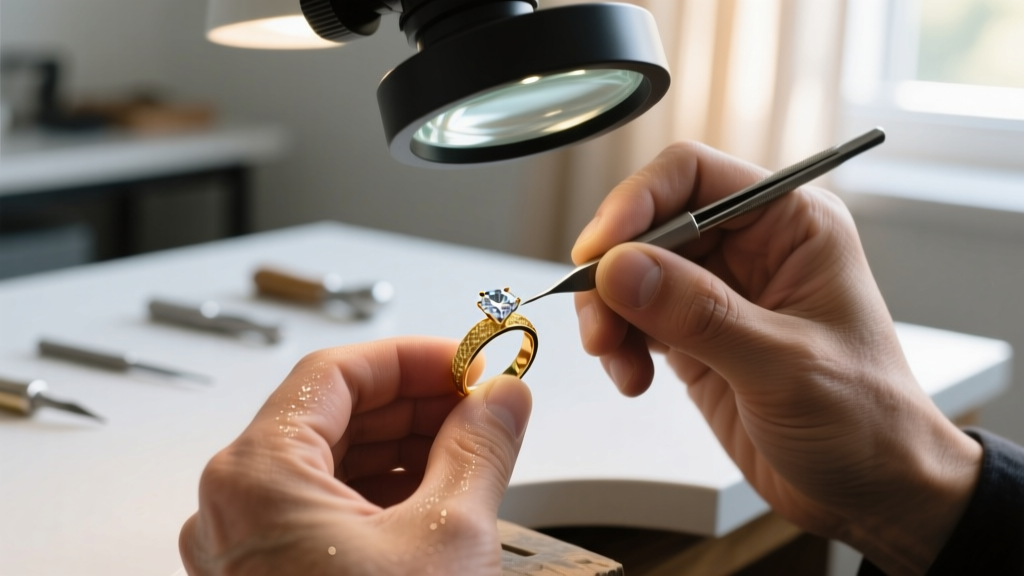
Furthermore, the Gemological Institute of America (GIA) notes that 14k gold should be distinctly stamped, often accompanied by a country of origin mark (e.g., ITALY). When inspecting a sterling silver communion necklace, use a magnifying glass to check the clasp and the jump ring attaching the pendant. If the stamp reads "925" but the metal underneath a slight scratch reveals a brassy yellow hue, you have purchased a silver-plated item masquerading as solid silver. Always purchase from established jewelers who provide a written guarantee of metal content, rather than relying solely on third-party marketplace listings where hallmarks are easily counterfeited.
Final Verdict: Maximizing Your Budget
If your budget is strictly under $50, abandon the pursuit of gold and invest in a high-quality, rhodium-plated sterling silver necklace. Rhodium plating prevents tarnish and gives silver a bright, white-gold appearance, maximizing the visual impact without the premium price tag. If your budget extends to the $150–$250 range, bypass vermeil entirely and purchase a lightweight, solid 14k gold box chain with a simple, solid cross or dove pendant. By prioritizing structural integrity (lobster clasps, 1.0mm box chains) and genuine metal content over elaborate, heavy pendant designs, you secure a first communion necklace that honors the sanctity of the occasion while respecting your financial boundaries.