Heart Link Necklace Troubleshooting: Fix Tangles & Breaks
Learn how to fix common heart link necklace problems. Expert troubleshooting for tangles, broken links, clasp failures, and tarnish removal.

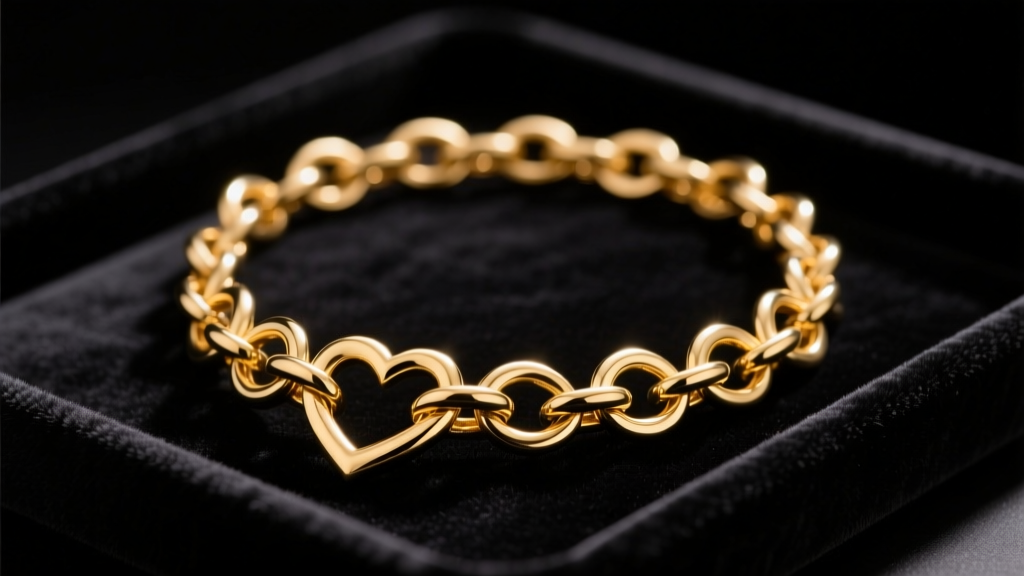
The heart link necklace is a beloved staple in modern jewelry design, offering a romantic twist on the classic cable chain. However, the very geometry that makes these chains visually striking—the cleft at the top of the heart and the curved lobes—creates unique structural vulnerabilities. Unlike standard oval or round links, heart links are prone to severe interlocking tangles, asymmetric stretching, and trapped tarnish in their inner crevices.
Whether you are dealing with a delicate 20-gauge sterling silver piece or a chunky 14-gauge solid gold chain, understanding the mechanics of your heart link necklace is the first step toward effective repair and maintenance. This comprehensive troubleshooting guide dives deep into the specific failure modes of heart-shaped chains and provides professional-grade solutions to restore them.
The Anatomy of a Heart Link Chain and Its Weak Points
Before attempting any repair, you must identify how your heart links were manufactured. The structural integrity of the chain dictates which troubleshooting methods are safe to use.
- Stamped and Soldered Links: These are cut from a flat sheet of metal, stamped into a heart shape, and soldered closed. They are highly durable and can be reshaped or re-soldered if broken.
- Cast Links: Each heart is individually cast and then linked. These tend to be thicker and heavier but can be brittle if the alloy mix (like certain brass or low-karat gold blends) is porous.
- Hollow/Electroformed Links: Common in lightweight, affordable jewelry. These are essentially hollow shells. Warning: Never attempt to squeeze or reshape a hollow heart link with pliers; they will crush instantly and cannot be repaired.
According to metallurgical guidelines from the Gemological Institute of America (GIA), the malleability of the metal also plays a crucial role. An 18k gold heart link will stretch and warp much faster under tension than a 14k gold or platinum link due to its higher pure gold content.
Troubleshooting Severe Tangling and Knots
Heart link necklaces are notorious for tangling. The "V" shaped cleft at the top of the heart acts as a natural hook, catching on the rounded bottom lobe of adjacent links. When stored improperly, a 16-inch chain can quickly devolve into a rigid, knotted mass.
The Cornstarch and Needle Technique
Do not pull on a knotted heart chain; you will permanently warp the links. Instead, use this jeweler-approved method:
- Lay the tangled necklace flat on a hard, non-slip surface (a silicone mat works best).
- Dust the knot heavily with cornstarch or unscented baby powder. This reduces the friction coefficient between the metal links.
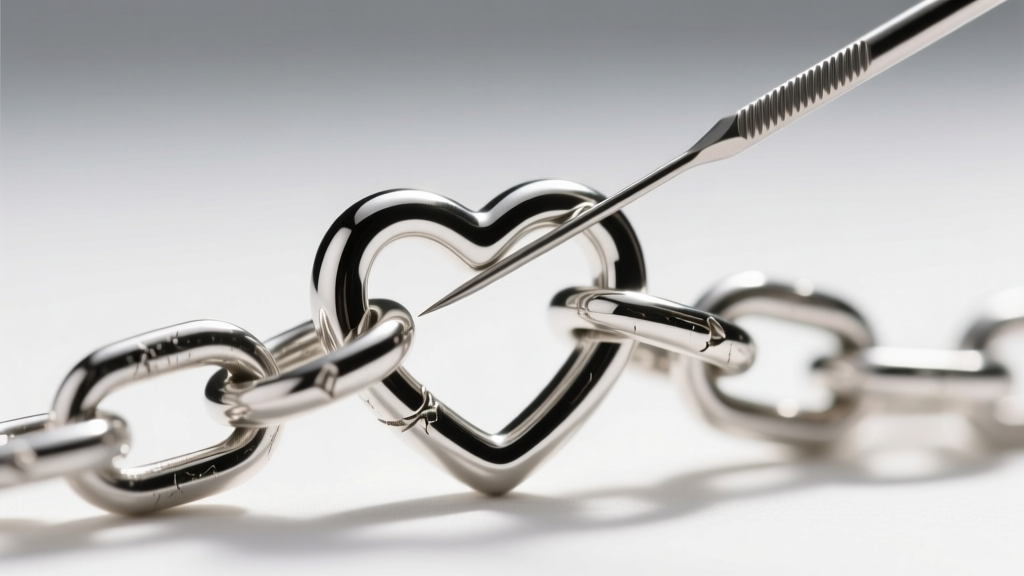
- Using two fine-tipped sewing needles or specialized jewelry untangling tools, gently work the needles into the center of the knot.
- Push the needles outward to create slack, carefully guiding the cleft of one heart link away from the lobe of another.
Fixing Stretched or Warped Heart Links
If your necklace has caught on a sweater or been pulled, you may notice that some heart links have elongated into oval or teardrop shapes. This is especially common in chains ranging from 18-gauge (1.0mm) to 22-gauge (0.6mm).
The Fix: You will need a pair of nylon-jaw pliers. Standard metal jewelry pliers will mar the finish of the gold or silver. Place the warped heart link between the nylon jaws and apply very gentle, even pressure to coax the metal back into its original symmetrical shape. If the link is soldered, ensure you are squeezing it along the correct axis to avoid popping the solder joint.
"Never use metal chain-nose pliers on a polished heart link. The teeth will leave permanent gouges that require extensive buffing to remove, which thins the metal and weakens the chain." — Master Bench Jeweler
Clasp Failures and Soldering Broken Links
The connection point between the heart link chain and the clasp is a high-stress area. Standard spring ring clasps often fail on heart chains because the jump ring connecting them can slip into the heart's cleft, causing awkward twisting that eventually fatigues the metal.
Upgrading the Clasp Assembly
If your clasp is failing, upgrade to a lobster clasp with a slightly larger, soldered jump ring. The lobster mechanism is more secure, and a soldered jump ring prevents the heart link from slipping into the gap of the ring.
Repairing a Snapped Heart Link
When a link breaks, traditional torch soldering can be risky because the heat spreads through the thin metal of the heart, potentially melting adjacent links. Modern jewelry repair shops, like those utilizing techniques documented by Rio Grande, prefer laser welding for intricate chains. Laser welding uses a concentrated pulse of light to fuse the metal at the break point without heating the surrounding heart links, preserving the chain's temper and finish.
| Issue | Link Type | Recommended Repair Method | Estimated Cost Range (2026) |
|---|---|---|---|
| Single snapped link | Solid Stamped | Laser Welding | $35 - $60 |
| Crushed link | Hollow | Link Replacement / Removal | $20 - $45 |
| Missing jump ring at clasp | Any | Soldered Jump Ring Install | $15 - $30 |
| Severe warping | Solid Cast | Mandrel Reshaping | $25 - $50 |
Cleaning Tarnish from Intricate Heart Crevices
Sterling silver heart link necklaces tarnish rapidly in the inner curves where the metal is recessed and air circulation is poor. Standard polishing cloths cannot reach these tight radii, leaving dark lines that ruin the contrast of the piece.
The Electrochemical Bath Method
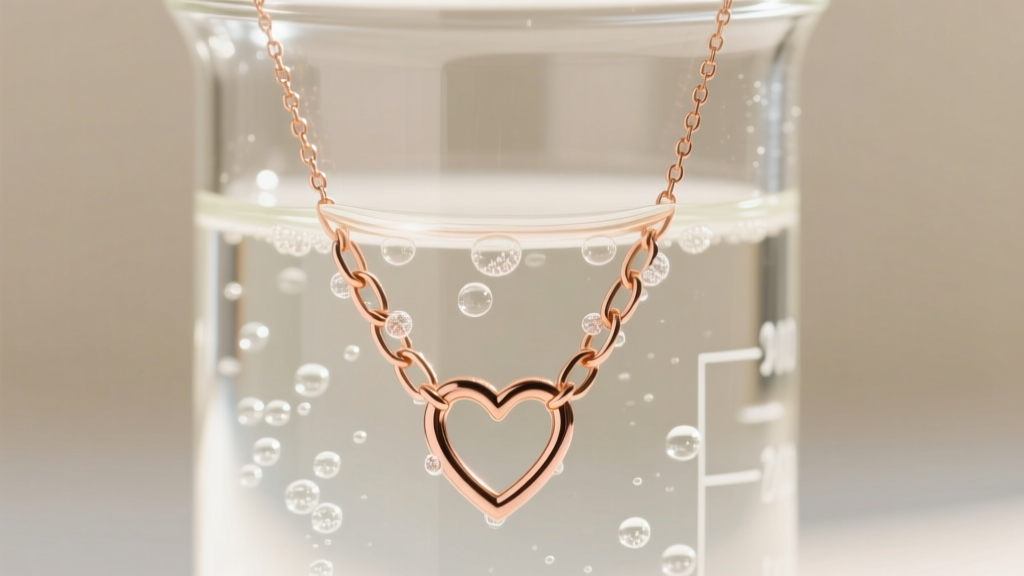
For solid sterling silver heart chains (never use this on oxidized/antiqued silver or gold vermeil), an electrochemical bath is the safest way to remove tarnish from deep crevices without abrasion.
- Line a glass bowl with aluminum foil (shiny side up).
- Add 1 tablespoon of baking soda and 1 tablespoon of sea salt.
- Pour boiling water over the mixture to activate it.
- Submerge the silver heart link necklace completely. Ensure the silver is touching the aluminum foil.
- Leave for 2 to 5 minutes. The sulfur tarnish will transfer from the silver to the aluminum.
- Rinse thoroughly with distilled water and dry with a microfiber cloth.
Note: Avoid ultrasonic cleaners for heart link chains that feature micro-pave gemstones set within the links, as the high-frequency vibrations can loosen the delicate prongs.
Preventative Maintenance for Longevity
The best way to troubleshoot a heart link necklace is to prevent the damage from occurring in the first place. Implement these storage and wearing habits to extend the life of your chain:
- The Straw Trick for Storage: Thread one end of the necklace through a plastic or silicone straw and clasp it. This keeps the chain taut and prevents the heart clefts from interlocking during storage.
- Avoid Tension: Never wear a delicate heart link chain (20-gauge or higher) while sleeping or exercising. The lateral pressure of rolling over can easily snap a soldered heart joint.
- Chemical Exposure: Remove the necklace before swimming in chlorinated pools. Chlorine reacts with the copper alloys in 14k gold and sterling silver, causing microscopic stress fractures along the soldered seams of the heart links.
By understanding the unique geometry and material science behind your heart link necklace, you can confidently address tangles, warps, and tarnish, ensuring your favorite piece remains in pristine condition for years to come.


