Coral Pearl Necklace Gift Guide: Occasions & Styling 2026
Discover the ultimate 2026 coral pearl necklace gift guide. Learn to match grades, occasions, and ethical sourcing for the perfect meaningful jewelry gift.

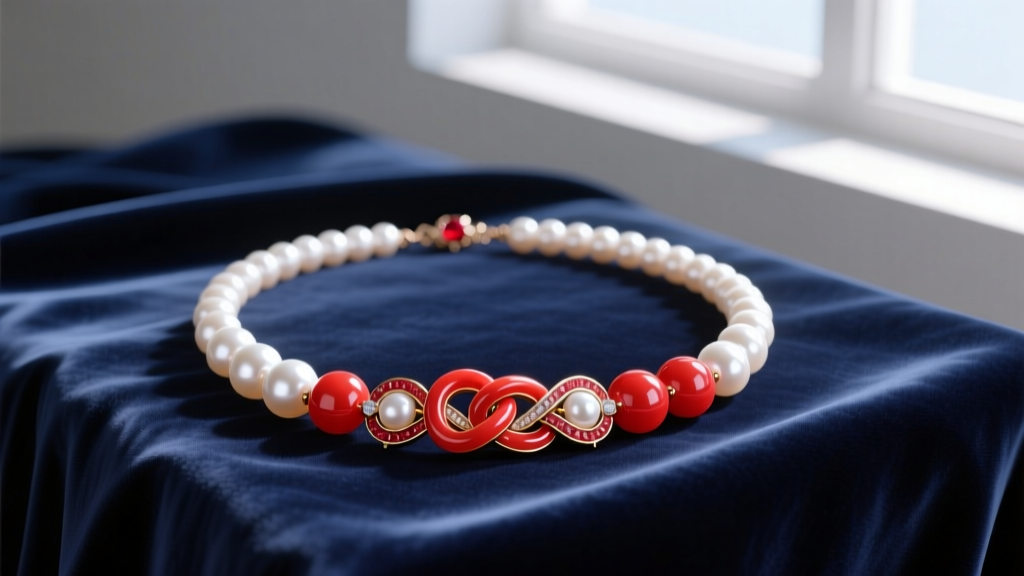
The Symbolism and Allure of the Coral Pearl Necklace
Few jewelry combinations carry as much historical weight and visual contrast as a coral pearl necklace. In traditional anniversary lore, pearls represent the 30th milestone, while coral is the designated gift for the 35th. Combining these two organic gems into a single piece creates a deeply meaningful gift that bridges decades of commitment, love, and personal growth. As we navigate the jewelry market in 2026, gifting a coral pearl necklace requires a nuanced understanding of material grades, ethical sourcing, and occasion-specific styling. This comprehensive guide will equip you with the expert knowledge needed to select a piece that is both breathtaking and structurally enduring.
Decoding the Materials: Coral and Pearl Grades
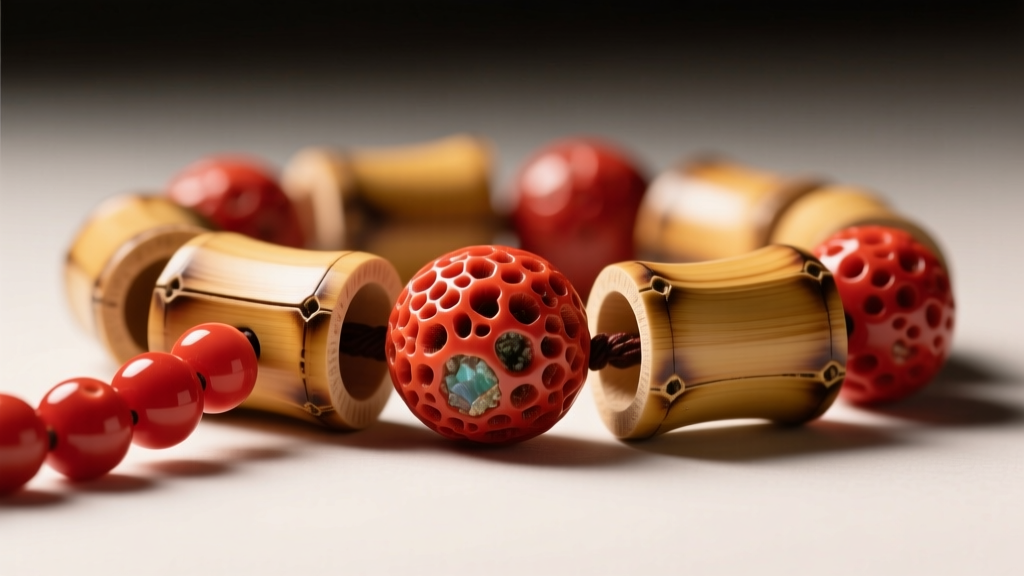
Not all coral and pearls are created equal. The organic nature of these materials means their value is dictated by origin, density, and luster. According to the Gemological Institute of America (GIA), genuine precious coral belongs to the Corallium genus, with Mediterranean red coral (Corallium rubrum) and Japanese deep-sea coral (Corallium japonicum) commanding the highest premiums. Conversely, bamboo coral and sponge coral are frequently dyed to mimic precious red coral, drastically altering the price point and longevity of the necklace.
When paired with pearls, the type of pearl used will define the necklace's overall luster and durability. Akoya pearls are the traditional choice for their sharp, mirror-like luster and perfect roundness, while high-grade freshwater pearls offer a more budget-friendly alternative with excellent nacre thickness.
Material Comparison Chart
| Material | Origin / Type | Typical Size | Mohs Hardness | Market Value Tier |
|---|---|---|---|---|
| Mediterranean Red Coral | Corallium rubrum | 4mm - 8mm | 3.5 - 4.0 | Premium / Investment |
| Dyed Bamboo Coral | Keratoisis (Dyed) | 6mm - 12mm | 3.0 - 3.5 | Entry-Level |
| Akoya Pearl | Saltwater (Japan/China) | 6mm - 9mm | 2.5 - 3.0 | Mid to High |
| Freshwater Pearl | Hyriopsis (China) | 7mm - 12mm | 2.5 - 3.0 | Entry to Mid |
Occasion Matching: When to Gift Which Style
Matching the specific design of the coral pearl necklace to the recipient's lifestyle and the occasion is critical for ensuring the gift is actually worn. Here is a strategic framework for occasion matching.
Weddings and Bridal Parties
For a mother-of-the-bride or groom gift, a graduated coral and pearl collar necklace (14-16 inches) offers a striking pop of color against neutral-toned wedding attire. Opt for smaller, uniform beads (5mm-6mm) to maintain an elegant, refined profile that won't compete with intricate lace or beadwork on wedding gowns. Pairing the warm, earthy red of the coral with the cool, bright white of Akoya pearls creates a sophisticated contrast that photographs beautifully in natural daylight.
Milestone Anniversaries (30th to 35th)
For a 30th or 35th anniversary, provenance and luxury take precedence. A 18-inch opera-length necklace featuring alternating 7mm genuine Mediterranean red coral and 7mm AAA-grade Akoya pearls is a museum-quality gift. Look for pieces that feature a custom 18k gold filigree clasp, which elevates the piece from standard jewelry to an heirloom investment. This length is highly versatile, allowing the recipient to wear it long and elegant, or doubled as a luxurious choker.
Graduations and Professional Milestones
For a recent graduate or a partner celebrating a major career promotion, a minimalist coral pearl pendant on a delicate 18-inch gold chain is the most practical choice. A single, high-grade baroque freshwater pearl capped with a carved coral flower provides a modern, artistic aesthetic suitable for daily office wear. This style avoids the formality of a full strand while still honoring the organic gemstone theme.
Construction and Durability: What to Look For
The structural integrity of a strand necklace is just as important as the gems themselves. Because both coral and pearls are highly sensitive to acids and friction, the stringing method dictates the lifespan of the piece.
- French Wire (Gimp): Always inspect the ends of the necklace where the silk thread meets the metal clasp. There must be a tiny coiled metal tube (French wire) protecting the silk. Without it, the metal will saw through the thread, leading to catastrophic strand failure.
- Silk Knotting: High-end coral pearl necklaces are individually knotted using 100% silk thread (typically Griffin Size E or F for 6mm beads). Knots prevent the beads from rubbing against each other—crucial since coral (Mohs 3.5) can easily scratch the delicate nacre of a pearl (Mohs 2.5).
- Clamshell Knot Covers: Premium pieces hide the final structural knots inside gold or sterling silver clamshell bead tips, providing a seamless transition to the clasp.

Ethical Sourcing and CITES Regulations in 2026
Gifting coral requires strict attention to environmental ethics and international law. Precious coral harvesting is heavily regulated under CITES regulations to prevent the depletion of deep-sea coral beds. When purchasing a genuine Corallium rubrum necklace, reputable jewelers must provide documentation proving the coral was harvested sustainably or sourced from pre-ban vintage stock.
If you prefer an eco-conscious gift without the regulatory paperwork, consider vintage estate pieces from the 1960s and 1970s, an era when Mediterranean coral was abundant and masterfully crafted. Alternatively, necklaces utilizing sustainably harvested sponge coral (which is stabilized with resin) or ethically sourced bamboo coral offer the vibrant aesthetic of red coral with a significantly lower environmental footprint.
Pricing Tiers and Brand Expectations
Understanding the pricing landscape will protect you from overpaying for dyed imitations or underestimating the value of genuine organic gems.
Entry-Level ($100 - $400)
At this tier, expect dyed bamboo coral or stabilized sponge coral paired with commercial-grade freshwater pearls. The stringing may be done on synthetic wire rather than knotted silk. These are excellent for fashion-forward, trend-based gifting but lack heirloom value.
Mid-Range ($500 - $1,500)
This is the sweet spot for high-quality gifting. You will find genuine, albeit smaller (4mm-5mm), Mediterranean or Japanese coral beads paired with AA-grade Akoya or premium freshwater pearls. The construction will feature proper silk knotting and secure sterling silver or 14k gold clasps.
Investment Grade ($2,500 - $10,000+)
Investment pieces feature large (7mm+), deeply saturated Corallium rubrum beads with flawless, blemish-free surfaces, interspersed with Hanadama-certified Akoya pearls. These necklaces are fully knotted, finished with 18k gold custom clasps, and come with extensive gemological and CITES provenance documentation from American Gem Trade Association (AGTA) members.
Care and Maintenance Guide for the Recipient
To ensure your gift remains pristine, include a care guide with your presentation. Both coral and pearls are porous and highly susceptible to chemical damage. Advise the recipient to follow the "last on, first off" rule: the necklace should be put on after applying perfumes, hairsprays, and cosmetics, and removed immediately upon returning home. Sweat and skin acids can dull the polish of the coral and degrade the silk thread over time. Cleaning should only involve a soft, slightly damp microfiber cloth—never ultrasonic cleaners, steamers, or commercial jewelry dips, which will strip the coral's natural waxes and dissolve the pearl's nacre. Store the necklace flat in a soft pouch, away from direct sunlight and extreme heat, which can cause the coral to bleach and the silk to become brittle.


