Cord Necklace Pendant Materials: Properties & Guide
Compare leather, silk, nylon, and rubber cord necklace pendant materials. Discover tensile strengths, failure modes, and the best cord for your jewelry.

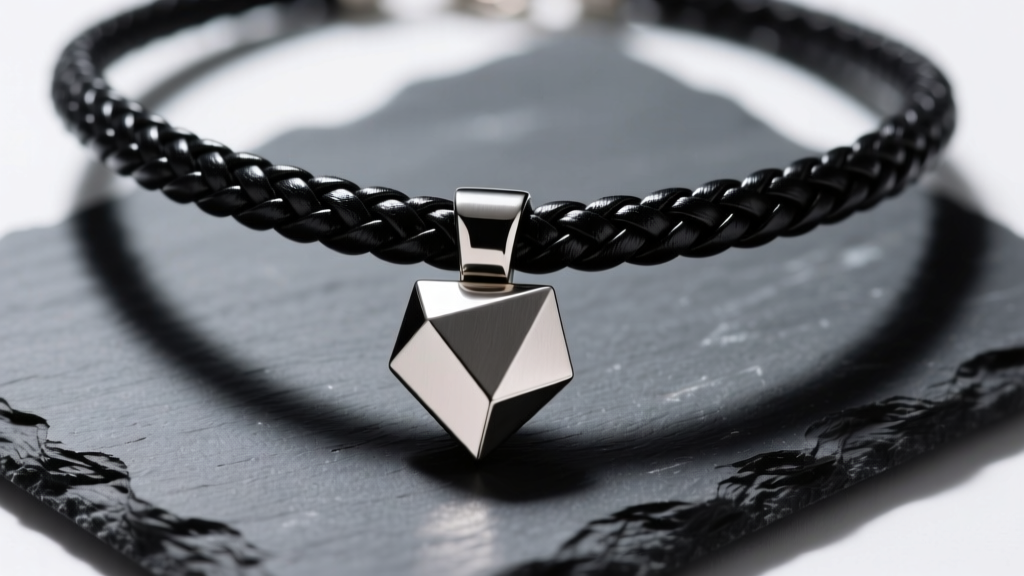
The Physics of Pendant Suspension
When selecting a cord necklace pendant setup, most buyers focus entirely on the aesthetic of the gemstone or metal charm. However, the structural integrity of the cord dictates the lifespan of the piece. A pendant is essentially a suspended mass subject to dynamic loading—every time you walk, bend, or pull a shirt over your head, kinetic energy transfers to the cord. Understanding the material properties of your cord is critical to preventing catastrophic failure and losing a cherished pendant.
According to jewelry fabrication standards, the ideal cord must balance tensile strength, abrasion resistance, and flexibility. A cord that is too rigid will snap under sudden tension, while one that is too elastic will suffer from "creep," permanently stretching and altering the drape of the necklace. Below, we dissect the most common cord materials used in modern jewelry design, evaluating their specific mechanical properties and ideal use cases.
Natural Fibers: Silk, Cotton, and Hemp
Natural fibers have been used for centuries to suspend amulets and gemstones. They offer a classic, matte aesthetic but come with distinct environmental vulnerabilities.
Silk
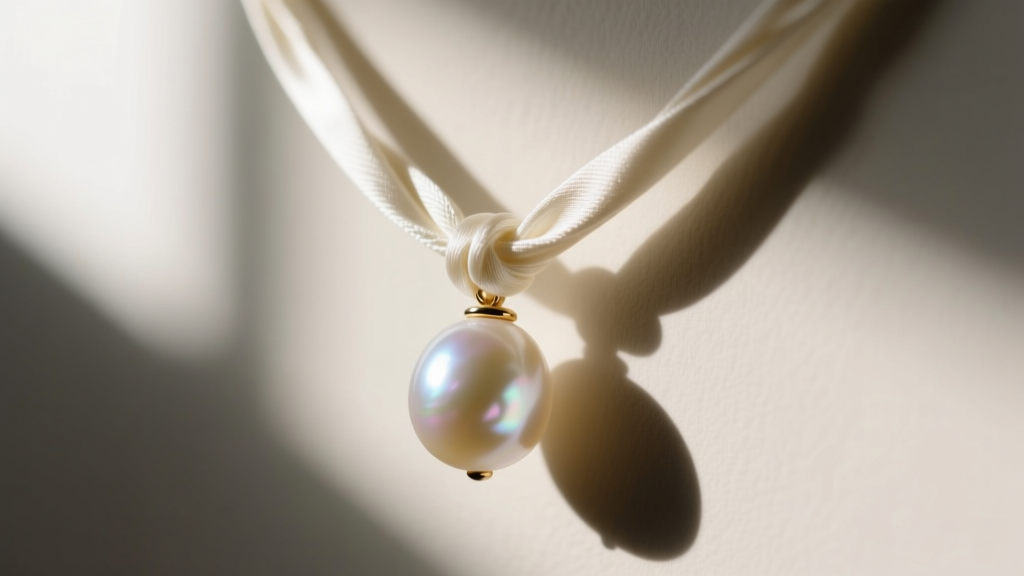
Silk is the gold standard for lightweight, high-end pearl and gemstone pendants. Griffin silk cord, a benchmark in the industry, is available in sizes ranging from 0 (0.30mm) to 16 (1.05mm). Silk boasts an impressive tensile strength for its diameter—approximately 500 MPa—due to its fibroin protein structure. However, silk is highly susceptible to degradation from human sweat (which is slightly acidic) and UV exposure. A silk cord necklace pendant worn daily in humid conditions will typically lose 40% of its structural integrity within 12 to 18 months.
Cotton and Hemp
Cotton and hemp provide a rustic, bohemian look. Hemp is notably stronger than cotton, with a high resistance to UV light and saltwater. However, both materials are highly porous. They absorb skin oils, lotions, and environmental moisture, which can lead to bacterial growth, odor, and eventual dry rot. For pendants weighing more than 15 grams, cotton and hemp are generally not recommended unless they are heavily waxed and braided into a multi-strand configuration.
Leather and Suede: The Classic Heavy-Duty Option
Leather remains the most popular choice for medium-to-heavy pendants, particularly in men's jewelry and rustic designs. The structural performance of a leather cord necklace pendant depends entirely on the hide quality and the cutting method.
- Full-Grain Round Leather: Cut from the densest part of the hide, full-grain round leather (typically 1.5mm to 3.0mm thick) offers exceptional tensile strength. A high-quality 2mm kangaroo leather cord can support over 20kg of static weight, making it virtually unbreakable under normal human wear.
- Suede and Split Leather: Suede is created from the inner split of the hide. While soft and flexible, it lacks the dense fiber matrix of full-grain leather. Suede cords are prone to tearing at the clasp crimp and should only be used for lightweight pendants (under 10g).
- Failure Mode: The most common point of failure for leather is not the cord itself, but the metal crimp tube used to attach the clasp. Crushing leather into a metal crimp reduces its local tensile strength by up to 50%. For heavy pendants, a loop-and-knot finish secured with jeweler's epoxy is vastly superior to crimping.
High-Tenacity Synthetics: Nylon, Polyester, and Rubber
Synthetic cords have revolutionized pendant suspension, offering waterproof durability and vibrant colorways that natural fibers cannot match.
Bonded Nylon and Polyester
Materials like C-LON and S-LON (bonded nylon) are the industry standard for macrame and heavy bead-weaving. Bonded nylon features a specialized coating that prevents fraying and increases abrasion resistance. A mere 0.9mm nylon cord can easily support a 30-gram brass or silver pendant without stretching. Furthermore, nylon is entirely impervious to water, sweat, and pool chemicals, making it the ultimate choice for active lifestyles. As noted by the Fire Mountain Gems Jewelry Making Hub, synthetics like nylon retain their structural integrity indefinitely when kept away from direct, high-heat sources.
Vulcanized Rubber and Silicone
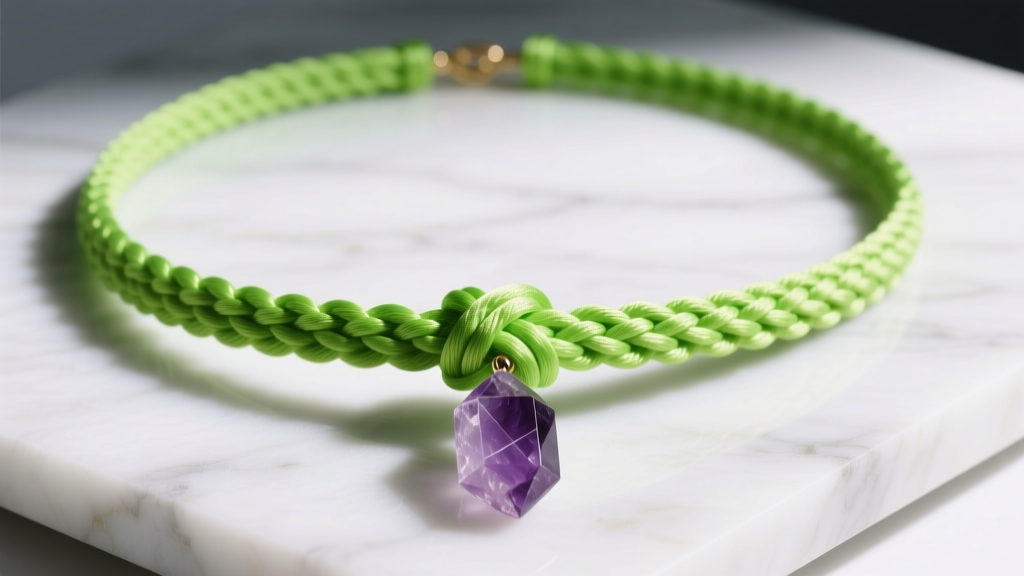
Rubber and silicone cords offer a sleek, modern, matte-black aesthetic that pairs beautifully with stainless steel and tungsten pendants. They are completely waterproof and hypoallergenic. However, they suffer from a mechanical property known as "cold flow" or creep. If a heavy pendant (over 25g) is left hanging on a 2mm rubber cord for months, the cord will permanently stretch and thin out at the bail, eventually snapping. Silicone is softer and more prone to this stretching than vulcanized rubber.
The Tensile Strength and Weight Matrix
To help you match your cord to your specific jewelry piece, refer to the material comparison matrix below. Always factor in a 3:1 safety margin for dynamic movement.
| Cord Material | Standard Thickness | Max Static Load | Water Resistance | Ideal Pendant Weight |
|---|---|---|---|---|
| Griffin Silk | 0.70mm (Size 6) | 4 kg | Poor | 1g - 8g |
| Full-Grain Leather | 2.0mm Round | 22 kg | Moderate | 10g - 40g |
| Bonded Nylon | 0.90mm | 12 kg | Excellent | 5g - 25g |
| Vulcanized Rubber | 2.0mm Round | 15 kg | Excellent | 10g - 20g |
| Hemp (Waxed) | 1.5mm Braided | 8 kg | Moderate | 5g - 15g |
Failure Modes: Why Cords Actually Snap
According to gemological and jewelry care guidelines from the Gemological Institute of America (GIA), proper maintenance of jewelry components is essential to prevent loss. When a cord necklace pendant fails, it rarely snaps in the middle of the cord. It almost always fails at a stress concentration point.
- The Bail Abrasion Point: If the metal bail (the loop connecting the pendant to the cord) has sharp inner edges or is made of a harder metal than the cord's abrasion threshold, it will act like a saw. Over months of friction, a leather or silk cord will be silently sliced from the inside out.
- The Clasp Crimp: As mentioned, metal crimps crush fibers. A sliding square knot or a figure-eight follow-through knot retains roughly 85% of the cord's original tensile strength, whereas a crushed metal crimp tube retains only 40% to 50%.
- Chemical Degradation: Chlorine from swimming pools will rapidly oxidize and weaken natural fibers and lower-grade leathers, causing sudden snapping without visible warning signs.
Matching the Bail: Thickness and Gauge Rules
A critical, often overlooked aspect of designing or buying a cord necklace pendant is the ratio of cord thickness to bail inner diameter (ID). For optimal longevity and drape, the bail ID must be at least 20% to 25% larger than the cord's thickness. For example, a 2.0mm leather cord requires a bail with a minimum 2.5mm ID. If the cord is forced through a tight bail, it creates a rigid "hinge" effect. Every time the pendant swings, the cord bends at a severe 90-degree angle against the metal, accelerating fatigue and micro-fractures in the material.
Pro-Tip for Heavy Pendants: If you are suspending a heavy gemstone or solid metal pendant (30g+) on a leather or rubber cord, always opt for a pendant with a "wrap-over" bail or a tube bail lined with a soft metal like sterling silver or 14k gold fill. Avoid unlined brass or steel bails on soft cords, as the friction will rapidly degrade the exterior of the leather or rubber.
Ultimately, the perfect cord balances the visual weight of the pendant with the mechanical demands of your lifestyle. By respecting the tensile limits and environmental vulnerabilities of these materials, you ensure that your favorite pendant remains securely suspended for years to come.


