Cornicello Necklace Meaning: Materials, History & Buying Guide
Discover the cornicello necklace meaning, from ancient Neapolitan roots to modern metallurgy. Learn how to choose authentic coral, gold, or silver horns.

Decoding the Cornicello Necklace Meaning and Origins
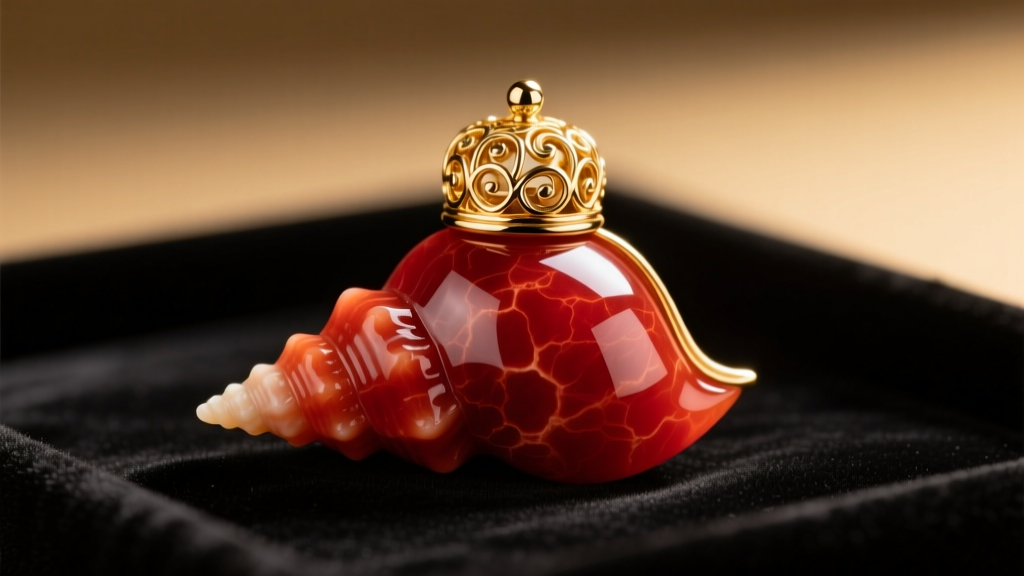
The cornicello necklace meaning is deeply rooted in Southern Italian folklore, specifically within the regions of Campania, Calabria, and Naples. Known colloquially as the "Italian horn," the cornicello is a talismanic amulet designed to ward off the Malocchio (the Evil Eye)—a curse believed to be cast by a malevolent glare, often resulting from envy or jealousy. Unlike generic good luck charms, the cornicello’s efficacy is historically tied to its specific anatomical shape: it must resemble a twisted animal horn or a chili pepper (peperoncino), tapering to a sharp point to "pierce" and deflect negative energy before it reaches the wearer.
From an anthropological perspective, the horn shape predates Christianity, linking back to ancient Mediterranean bull cults and the worship of lunar deities, where the crescent shape of the horn symbolized fertility and divine protection. Today, understanding the true cornicello necklace meaning requires looking past mass-produced tourist souvenirs and examining the piece through the lens of traditional Italian goldsmithing and gemology.
"A true cornicello must be red, twisted, and pointed. If it lacks the spiral tension of a natural horn, it holds no power against the Malocchio." — Traditional Neapolitan Folklore
Material Grades: Coral, Gold, and Silver Specifications
The protective power of the amulet is intrinsically linked to its material composition. In traditional Italian jewelry making, specifically from the historic cameo and coral carving hub of Torre del Greco, three materials dominate the market.
Mediterranean Red Coral (Corallium rubrum)
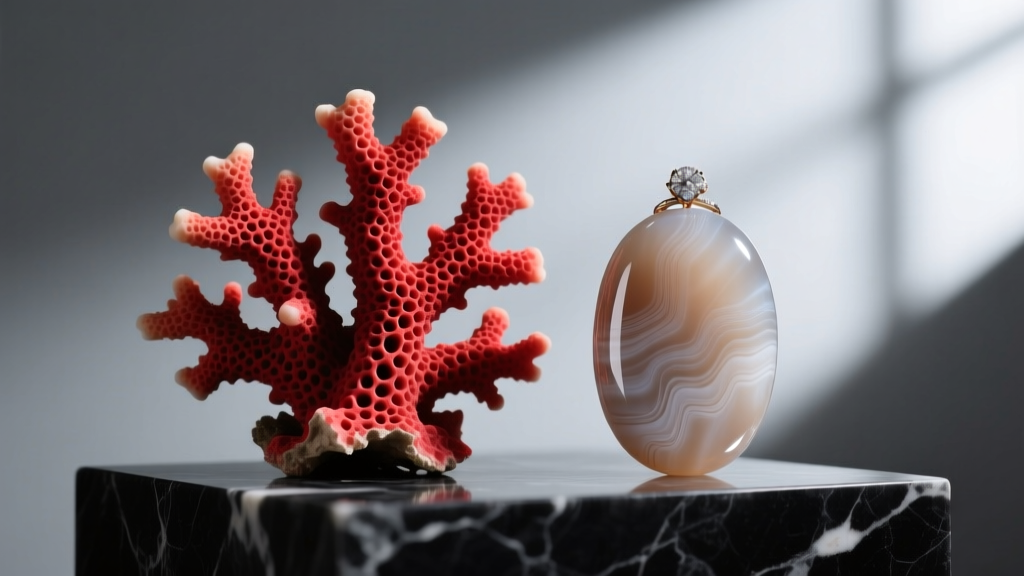
The most potent and traditional material for a cornicello is Mediterranean red coral. Gemologically, this is an organic gemstone composed primarily of calcium carbonate (CaCO3) with a Mohs hardness of 3.5 to 4.0, making it relatively soft and susceptible to scratching. Its specific gravity ranges from 2.60 to 2.70. The deep, ox-blood red color is caused by carotenoid pigments within the coral's skeletal structure. Due to overharvesting, Corallium rubrum is now strictly regulated. When sourcing a vintage or modern coral horn, buyers must verify compliance with CITES (Convention on International Trade in Endangered Species) regulations to ensure the material was legally harvested and exported.
18k Yellow Gold (750 Stamp)
When the cornicello is crafted in metal rather than carved from organic material, 18k yellow gold is the Italian standard. Stamped as "750" in Europe, this alloy consists of 75% pure gold, typically mixed with 12.5% copper and 12.5% silver to achieve the warm, rich hue characteristic of heritage Italian jewelry. The copper content not only provides the necessary tensile strength for carving intricate twists but also subtly echoes the red protective properties of traditional coral. A high-quality 18k gold cornicello should feature a seamless, hand-soldered crown cap (the top of the horn) rather than a glued-on fitting.
925 Sterling Silver
For a more accessible, everyday option, 925 sterling silver is widely used. To maintain the bright, reflective finish and prevent the sulfur-induced tarnishing that silver is prone to, premium Italian manufacturers apply a micro-layer of rhodium plating over the silver. When evaluating a silver horn, inspect the bail (the loop at the top). It should be stamped "925" and ideally feature a laser-welded seam to prevent snapping under the weight of a heavier pendant.
Anatomical Breakdown and Dimensional Standards
A technically correct cornicello is not merely a curved cone; it requires a specific spiral twist. This twist mimics the natural growth pattern of a caprine or bovine horn, creating a dynamic silhouette that catches the light and, symbolically, the wandering gaze of the Evil Eye. Below is a technical breakdown of standard market dimensions and their corresponding chain requirements.
| Size Category | Length (mm) | Weight (Coral/Gold) | Chain Gauge Recommendation | Primary Use Case |
|---|---|---|---|---|
| Petite (Bambino) | 12 - 18mm | 0.4 - 1.0g | 0.8mm - 1.0mm | Children, subtle layering |
| Standard | 22 - 32mm | 1.5 - 4.5g | 1.2mm - 1.5mm | Everyday wear, standalone |
| Statement | 38 - 55mm+ | 6.0 - 15.0g+ | 1.8mm - 2.5mm | Outerwear, bold fashion |
Chain Pairing and Suspension Mechanics
The structural integrity of your necklace relies heavily on the pairing between the pendant's bail and the chain's gauge. A common failure point in cornicello necklaces is the bail tearing through a chain that is too thin, or a thick chain failing to pass through a poorly calibrated bail.
Selecting the Right Chain Profile
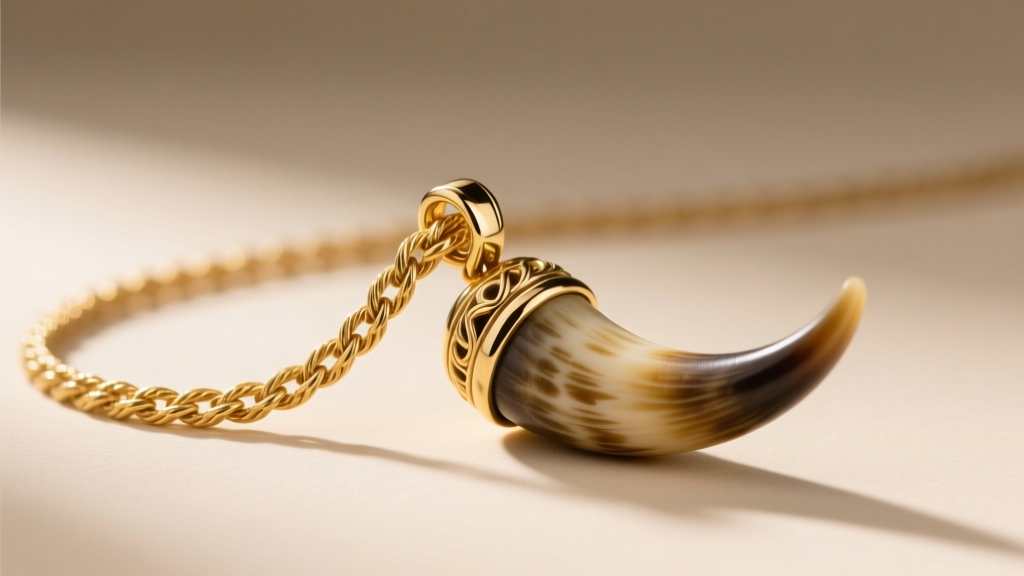
- Rope Chain (1.2mm - 1.5mm): The traditional choice. The twisted links of a rope chain visually complement the spiral anatomy of the horn. It offers excellent tensile strength relative to its thickness.
- Box Chain (1.0mm - 1.2mm): Ideal for smaller, lighter coral pieces. The square links lay flat against the clavicle but can kink if subjected to lateral pressure.
- Figaro Chain (2.0mm+): Reserved for heavy, statement-sized gold horns. The alternating link pattern provides a robust, masculine aesthetic that anchors large pendants securely.
Clasp Mechanics
For any cornicello weighing over 3 grams, avoid standard spring-ring clasps. The internal spring mechanism is prone to fatigue and failure. Instead, opt for a lobster clasp with a reinforced soldered jump ring, or a specialized Italian box clasp with a figure-eight safety catch for high-value 18k gold configurations.
Authenticity Verification: Spotting Synthetic and Dyed Imposters
As the cornicello necklace meaning has gained global popularity, the market has been flooded with counterfeit red coral. According to the Gemological Institute of America (GIA), the most common simulants include dyed howlite, dyed magnesite, and red-tinted glass. As an informed buyer, you must employ specific verification techniques before purchasing.
The Magnification Test
Using a 10x jeweler's loupe, examine the surface of the red horn. Genuine Corallium rubrum will exhibit subtle, natural growth lines, minor pitting, and a distinct lack of uniform perfection. Dyed howlite will reveal a web-like matrix of gray or white veins beneath the surface dye, while glass will show perfectly smooth surfaces, molded seams, or spherical gas bubbles.
The Acetone Swab Test
To test for superficial dye, lightly dampen a cotton swab with pure acetone (nail polish remover) and rub it against an inconspicuous area of the pendant, such as the flat bottom base or the inside of the bail cap. If the swab picks up red pigment, the stone is dyed and holds no traditional gemological value. Note: Do not perform this test on plastics or resins, as acetone will melt the surface.
Pricing Tiers and Market Valuation
Understanding the pricing structure of authentic cornicellos prevents overpaying for mass-market trinkets. Pricing in 2026 reflects both the scarcity of Mediterranean coral and the fluctuating spot price of precious metals.
- Tier 1: Tourist Grade ($15 - $45) - Carved from dyed howlite, shell, or low-grade agate. Often set in base metals or silver-plated brass. Lacks gemological certification.
- Tier 2: Artisan Silver ($80 - $250) - Genuine 925 sterling silver horns, or small, lower-grade coral pieces set in silver. Crafted by reputable but non-heritage brands.
- Tier 3: Heritage Gold & Premium Coral ($600 - $3,500+) - Hand-carved, deep-red Mediterranean coral with 18k gold caps, or solid 18k gold horns with intricate hand-engraved twists. Sourced from historic houses in Torre del Greco or Naples, accompanied by CITES documentation and gemological certificates.
Conclusion: Wearing the Horn with Intent
The cornicello is far more than a decorative pendant; it is a culturally significant artifact with strict anatomical and material requirements. Whether you are investing in a vintage 18k gold piece or a freshly carved red coral amulet, prioritizing metallurgical purity and gemological authenticity ensures that your jewelry respects the profound cornicello necklace meaning. By selecting the correct chain gauge, verifying the spiral twist, and demanding proper documentation for organic materials, you secure both a masterclass in Italian craftsmanship and a timeless shield against the modern world's negativity.


