Evaluating the Cost of Real Pearl Necklace Grades in 2026
Discover the true cost of real pearl necklace varieties in 2026. Compare Akoya, Tahitian, and South Sea pearl prices, grades, and buying tips.

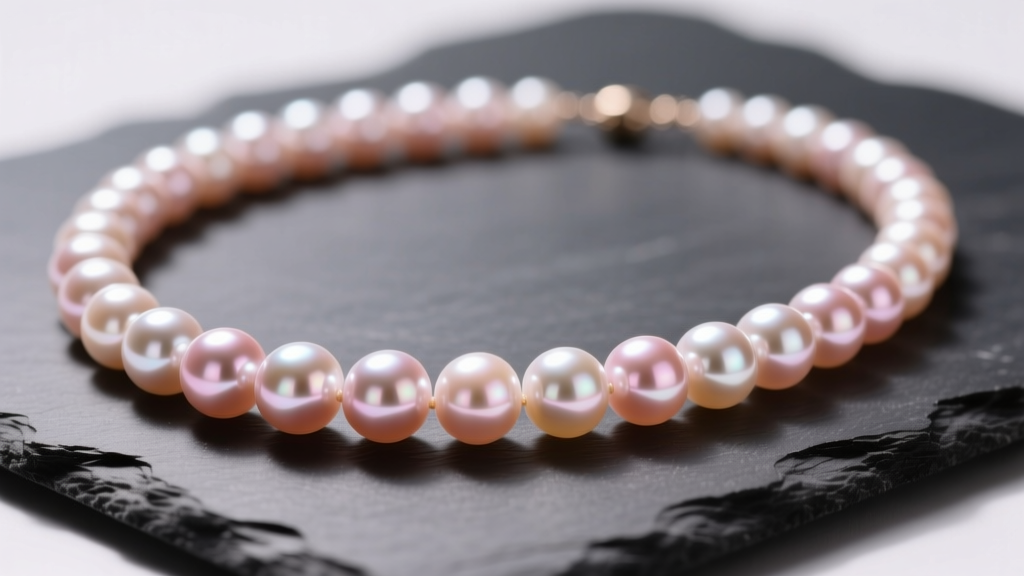
The Complex Reality of Pearl Valuation
When evaluating the cost of real pearl necklace options, consumers often encounter staggering price discrepancies. A strand of seemingly identical white pearls can cost $150 at a department store or $15,000 at a high-end jeweler. Unlike diamonds, which are graded on a rigid, universally standardized scale, pearl valuation is a nuanced interplay of biology, craftsmanship, and market rarity. In 2026, with advancements in culturing techniques and shifting luxury market demands, understanding the material properties that dictate pearl pricing is essential for making an informed investment.
The price of a pearl necklace is never determined by a single metric. It is the cumulative result of the oyster species, the cultivation time, the nacre quality, and the post-harvest treatments applied. To navigate this market, buyers must look beyond basic size and color, diving into the gemological factors that separate commercial-grade jewelry from heirloom-quality treasures.
The Four Pillars of Pearl Grading and Pricing
According to the Gemological Institute of America (GIA), pearl quality factors are distinctly different from those of faceted gemstones. The cost of real pearl necklace strands is primarily driven by four material properties:
- Luster: The most critical value factor. High luster is created by thousands of microscopic aragonite platelets layered over conchiolin (an organic protein). When these layers are thin, translucent, and perfectly aligned, light reflects sharply, creating a mirror-like surface. Poor luster appears chalky or dull, drastically reducing the strand's value.
- Nacre Thickness: Nacre is the crystalline substance the oyster secretes to form the pearl. For bead-nucleated pearls like Akoya, a nacre thickness of less than 0.4mm is considered commercial grade and is prone to peeling or flaking within a few years. Fine jewelry grades demand 0.8mm to 1.2mm of nacre, ensuring longevity and deep luster.
- Surface Quality: Blemishes such as spots, bumps, and wrinkles are common. A completely flawless strand is exceptionally rare and commands a massive premium. However, minor surface imperfections that do not affect durability or overall luster are acceptable and offer better value.
- Shape and Symmetry: Perfectly round pearls are the most difficult to culture and therefore the most expensive. Symmetrical shapes (like drops or ovals) hold value, while baroque (irregular) shapes are significantly more affordable, though they have gained niche popularity in avant-garde 2026 jewelry designs.
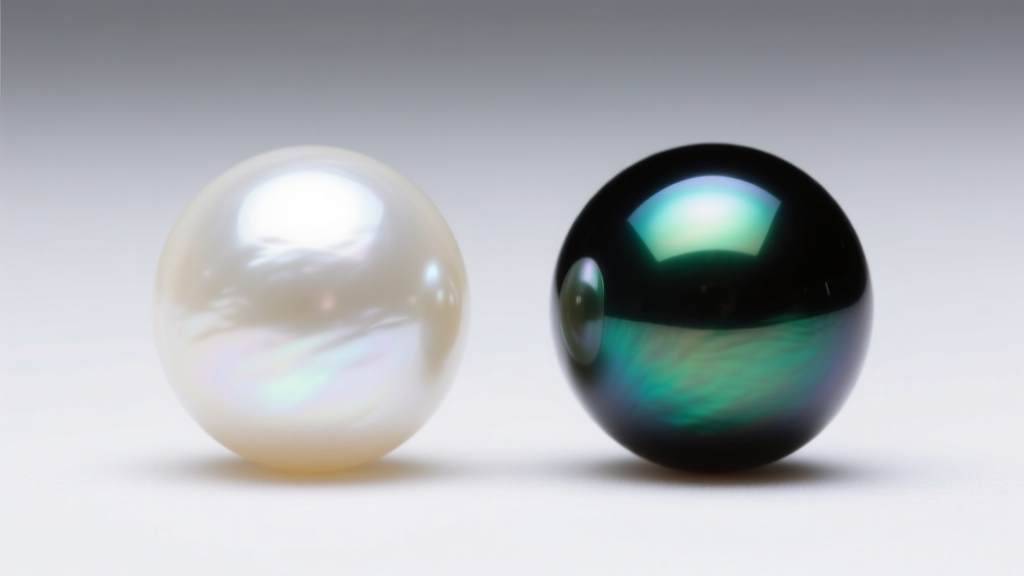
2026 Market Pricing by Pearl Variety
The biological origin of the pearl sets the baseline for its cost. Different oyster species produce pearls of varying sizes, colors, and cultivation timelines. Below is a comparative breakdown of the current market pricing for a standard 18-inch princess-length strand.
| Pearl Type | Oyster Species | Typical Size | Cultivation Time | Entry-Level Cost | Fine Jewelry Cost |
|---|---|---|---|---|---|
| Freshwater | Hyriopsis cumingii | 7mm - 12mm | 1 - 2 Years | $150 - $500 | $1,500 - $4,000 |
| Akoya | Pinctada fucata martensii | 6mm - 9.5mm | 1.5 - 2 Years | $400 - $1,200 | $3,500 - $12,000+ |
| Tahitian | Pinctada margaritifera | 8mm - 16mm | 2 - 3 Years | $600 - $1,500 | $5,000 - $25,000+ |
| White South Sea | Pinctada maxima (Silver-lip) | 9mm - 20mm | 2 - 4 Years | $1,500 - $4,000 | $15,000 - $80,000+ |
| Golden South Sea | Pinctada maxima (Gold-lip) | 9mm - 20mm | 2 - 4 Years | $2,000 - $5,000 | $20,000 - $100,000+ |
Note: Prices reflect unbranded, high-quality jeweler pricing in 2026. Designer brand markups can increase these figures by 200% to 400%.
Cultured vs. Natural: The Origin Premium
It is vital to distinguish between natural and cultured pearls when assessing cost. Today, over 99% of the pearl market consists of cultured pearls, where human intervention introduces a nucleus or tissue graft to stimulate nacre production. Natural pearls, formed entirely by chance in the wild without human intervention, are exceedingly rare.
The Auction-Grade Rarity Factor
Antique natural pearl necklaces, such as those originating from the historic Basra fisheries in the Persian Gulf, do not follow standard retail pricing models. They are sold at auction houses like Sotheby's or Christie's, where a matched strand of natural saltwater pearls can fetch hundreds of thousands, or even millions, of dollars. For the modern consumer seeking the cost of real pearl necklace strands for daily wear, cultured pearls offer the exact same chemical and physical properties (calcium carbonate and conchiolin) at a fraction of the price.
Enhancements and Treatments That Depreciate Value
Post-harvest processing significantly impacts both the immediate cost and the long-term durability of a pearl necklace. While some treatments are industry standard, others are deceptive and should be avoided.
- Maeshori (Pre-treatment): A standard Japanese process for Akoya pearls involving a mild bleaching and polishing bath to remove organic impurities and enhance luster. This is accepted and does not negatively impact value.
- Dyeing: Often used on freshwater pearls to mimic expensive Tahitian black pearls or South Sea golden pearls. Dyed pearls show concentrated color pools around drill holes under magnification. These sell for a fraction of the cost of naturally colored pearls and may fade over time.
- Irradiation: Gamma ray treatment darkens the nucleus of a pearl, creating a metallic, peacock-like appearance in Akoya or freshwater pearls. While stable, irradiated pearls are significantly cheaper than naturally dark Tahitian pearls and must be disclosed by ethical jewelers.
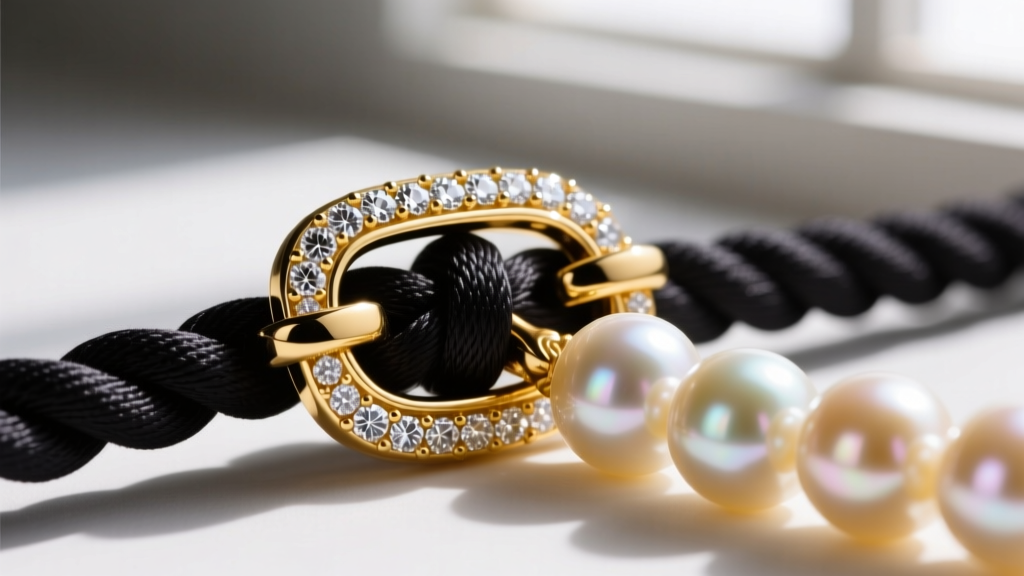
Hidden Costs: Stringing, Hardware, and Maintenance
The cost of real pearl necklace ownership extends beyond the initial purchase price of the gems. The structural integrity of the necklace relies heavily on its assembly.
Silk Knotting: Fine pearl strands are hand-knotted on pure silk thread between every single pearl. This prevents the pearls from rubbing against each other (which damages the nacre) and ensures that if the strand breaks, only one pearl is lost. Professional hand-knotting costs between $75 and $200 per strand, depending on the number of pearls and the complexity of the design.
Clasps and Findings: A high-end South Sea or Tahitian necklace will typically feature an 18k gold or platinum clasp, often accented with diamonds. The clasp alone can add $500 to $3,000 to the final retail price. Conversely, commercial strands often use sterling silver or base-metal barrel clasps, which can tarnish and degrade the silk thread over time.
Maintenance: Pearls are organic gems with a Mohs hardness of only 2.5 to 3.0. They are highly susceptible to damage from perfumes, cosmetics, and acidic sweat. The Cultured Pearl Association of America (CPAA) recommends having frequently worn pearl necklaces professionally restrung every 1 to 2 years, adding an ongoing maintenance cost to your investment.
Authenticity Verification Before You Buy
To ensure you are paying a fair price, you must verify the material authenticity of the pearls. The traditional 'tooth test'—gently rubbing the pearl against the biting edge of your front tooth—will reveal a gritty, sandy texture on real nacre, while glass or plastic imitations will feel perfectly smooth.
For high-value purchases like South Sea or Tahitian strands, rely on magnification and gemological testing. Inspect the drill holes under a 10x loupe; real pearls will show concentric layers of nacre, while imitation pearls will reveal a glass core with a painted or dipped coating that may be chipping at the edges. For natural vs. cultured verification, X-radiography is the only definitive method, as it reveals the internal bead nucleus and the exact thickness of the nacre layers, ensuring you are not overpaying for a thin-nacre commercial product disguised as fine jewelry.
Expert Insight: When negotiating the cost of real pearl necklace strands, always ask for the exact millimeter size range (e.g., 8.5mm - 9.0mm) rather than a generic 'large' descriptor. A half-millimeter increase in diameter can increase the price of a matched strand by 30% to 50% due to the exponential rarity of larger, perfectly round pearls.


