Choosing a Unique Diamond Necklace: Metal Settings Compared
Discover how to choose the ideal metal for a unique diamond necklace. We compare platinum, gold alloys, and palladium for ultimate durability.

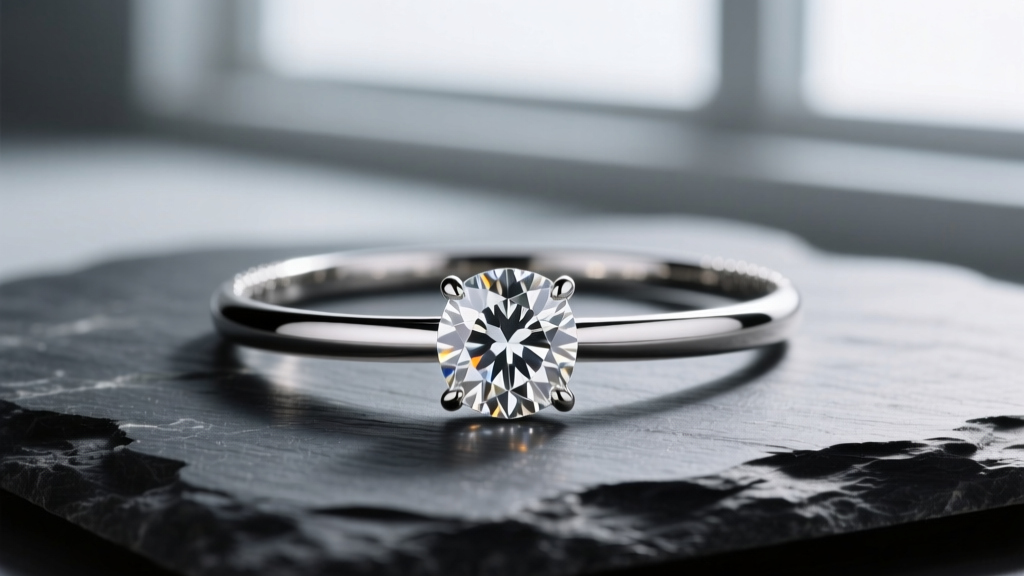
The Foundation of a Unique Diamond Necklace
When curating a truly unique diamond necklace, most collectors and first-time buyers fixate entirely on the center stone. While the diamond's cut, color, and clarity are undeniably critical, the metallurgical foundation of the setting and chain dictates the piece's longevity, drape, and ultimate aesthetic. In 2026, with the rise of intricate custom settings and the mainstream acceptance of high-quality lab-grown diamonds allowing for more elaborate metalwork, understanding the physical properties of jewelry metals is no longer optional—it is essential.
A unique diamond necklace is an investment in wearable art. The metal you choose must not only complement the diamond's optical properties but also withstand the mechanical stresses of daily wear. According to the Gemological Institute of America (GIA), the interaction between a diamond's extreme hardness (10 on the Mohs scale) and the relative softness of precious metals creates a dynamic wear environment that varies drastically depending on the alloy used. This guide breaks down the exact metallurgical properties, gauge specifications, and long-term maintenance realities of the top metals used in fine diamond pendants and chains.
The Hardness vs. Malleability Paradox
A common misconception in jewelry design is that "harder" metals are universally better for securing diamonds. In metallurgy, hardness (resistance to scratching and surface indentation) is fundamentally different from malleability and toughness (resistance to bending, deformation, and snapping). This distinction is the crux of the debate between platinum and gold alloys.
Platinum is a dense, highly malleable metal. When a platinum prong is subjected to a blunt impact, it tends to bend or displace—a process known as burnishing. The metal moves, but it does not lose mass. Conversely, gold alloys are harder but more brittle. When a gold prong suffers the same impact, it is more likely to abrade, scratch, or snap off entirely, leading to stone loss. The Federal Trade Commission (FTC) Jewelry Guides mandate strict disclosures regarding metal purity, but they do not regulate structural engineering, leaving the choice of structural integrity to the buyer and the bench jeweler.
Vickers Hardness and Density Breakdown
To understand how these metals behave, we must look at the Vickers Hardness (HV) scale and specific gravity (density). The following table illustrates the mechanical baseline for the most common necklace settings:
| Metal Alloy | Vickers Hardness (HV) | Density (g/cm³) | Prong Wear Mechanism | Maintenance Level |
|---|---|---|---|---|
| 950 Platinum (5% Ruthenium) | ~135 HV | 21.45 | Burnishing (Displacement) | Low (Polishing only) |
| 18k White Gold (Palladium Alloy) | ~125 HV | 15.60 | Abrasion (Metal Loss) | High (Rhodium replating) |
| 14k Yellow Gold | ~160 HV | 13.10 | Abrasion (Metal Loss) | Medium |
| 950 Palladium | ~85 HV | 12.02 | Burnishing / Micro-cracking | Low |
Platinum vs. White Gold: The Classic Debate
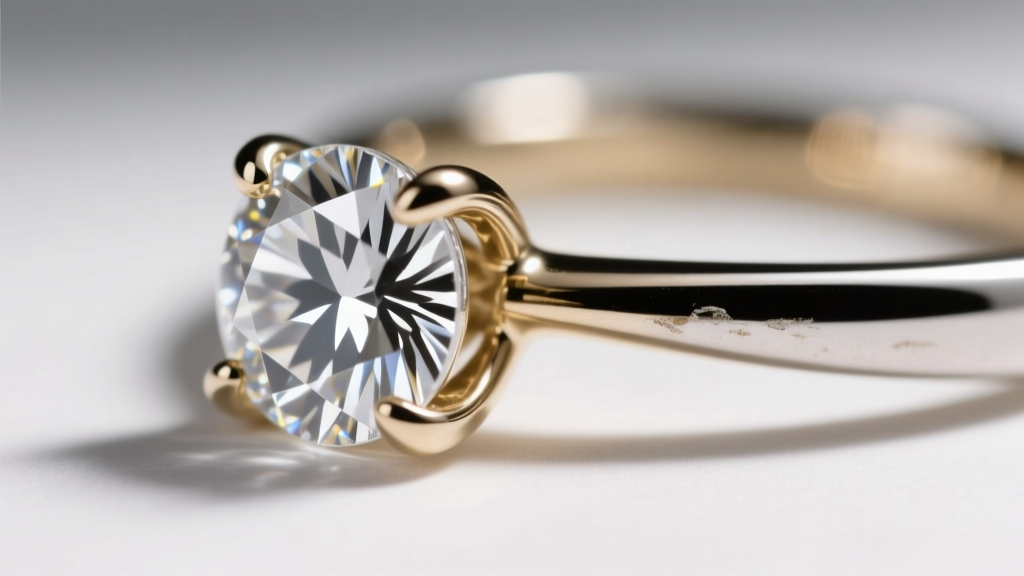
For a unique diamond necklace featuring colorless or near-colorless stones (D-F color grades), white metals are the traditional choice to maximize brilliance without introducing color cast. However, the structural realities of 950 Platinum and 18k White Gold are vastly different.
Platinum's high specific gravity (21.45 g/cm³) means that a platinum cable chain will be approximately 37% heavier than the exact same chain cast in 18k gold. This additional weight drastically alters the drape of the necklace. A heavier chain pulls the pendant bail down, ensuring the diamond sits perfectly flat against the clavicle rather than flipping over—a common annoyance with lightweight chains. Furthermore, platinum's natural white color penetrates the entire alloy. When scratched, it develops a soft patina that many collectors desire, and it requires no chemical coatings to maintain its hue.
Rhodium Plating and Long-Term Maintenance
White gold, on the other hand, is inherently yellowish-gray due to its 75% pure gold content. To achieve a bright white finish, it is alloyed with bleaching metals like palladium or nickel and then flash-plated with rhodium, a rare platinum-group metal. Over time, the friction from clothing and skin oils wears away the rhodium layer, revealing the yellowish under-alloy. For a daily-wear diamond pendant, the gallery wire and bail will typically require replating every 12 to 18 months. In recent years, some master jewelers have begun utilizing unplated, high-palladium white gold alloys that mimic the color of platinum without the need for rhodium, though these remain niche and command a premium.
Emerging Alloys: Palladium and Rose Gold in Modern Designs
As buyers seek more distinctive aesthetics, alternative metals are gaining traction. Palladium (950 Pd) is a platinum-group metal that is naturally white, hypoallergenic, and significantly lighter than platinum. Its low density makes it an excellent choice for oversized, avant-garde pendant settings where a platinum equivalent would be uncomfortably heavy. However, palladium is notoriously difficult to cast and solder; it requires specialized equipment and a jeweler with specific metallurgical expertise. If a palladium prong is bent back and forth to tighten a stone, it can suffer from work hardening and snap, making it less ideal for active lifestyles.
Rose gold, alloyed with a high percentage of copper, offers a warm, romantic contrast to icy diamonds. The copper content actually increases the alloy's tensile strength, making 18k rose gold slightly more durable against bending than 18k yellow gold. However, the copper can cause skin discoloration or allergic reactions in a small subset of wearers, and the warm metal can reflect a pinkish hue into the lower pavilion facets of a poorly cut diamond.
"The metal is the skeleton of the necklace. A flawless diamond set in a poorly engineered, ultra-thin gold bail is a lost stone waiting to happen. Always prioritize the structural gauge of the findings over the karat weight of the chain."
— Master Bench Jeweler, Jewelers of America Symposium
Prong Thickness and Security: Gauge Specifications
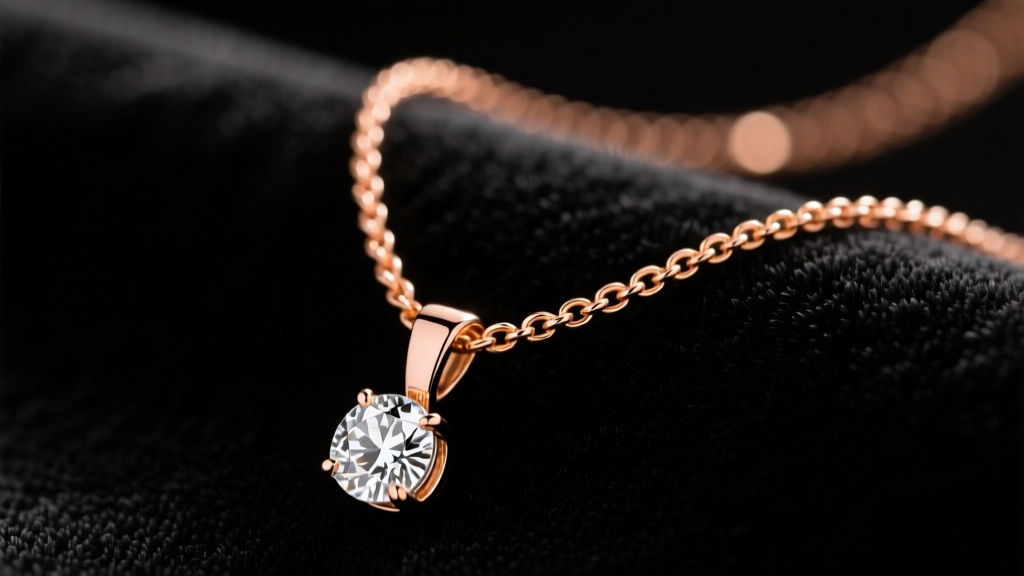
The security of your unique diamond necklace relies heavily on the wire gauge used for the prongs and the pendant bail. Many mass-market jewelers utilize 20-gauge (0.81mm) or even 22-gauge (0.64mm) wire to minimize metal costs and maximize the visible surface area of the diamond. While this looks delicate, it offers catastrophic failure resistance.
For a standard solitaire pendant housing a 1.00 to 2.00-carat diamond, the industry best practice is 18-gauge (1.02mm) wire. This provides enough mass to withstand the torque applied when the necklace is caught on a sweater or towel. For unique designs featuring east-west settings, elongated baguettes, or stones exceeding 2.50 carats, 16-gauge (1.29mm) or 14-gauge (1.63mm) wire is mandatory. Additionally, the pendant bail—the loop connecting the setting to the chain—must be constructed from heavy-wall tubing or solid cast metal. A flimsy, hollow-formed bail will quickly abrade against the chain's jump ring, eventually snapping and dropping the pendant.
Chain Metallurgy and Clasp Mechanics
The chain itself is a critical failure point. According to the Jewelers of America, the most common cause of necklace loss is an open jump ring pulling apart. An open jump ring can deform under as little as 4 to 6 pounds of tension. A properly soldered jump ring, however, can withstand over 15 pounds of force. Always inspect the connection points of your chain. Furthermore, while the chain links may be 18k gold or platinum, the internal spring mechanism of a lobster clasp must be made of stainless steel or titanium, as precious metals lack the elastic memory required to snap the clasp shut repeatedly.
Final Verdict: Matching Metal to Lifestyle
Choosing the right metal for your unique diamond necklace requires balancing aesthetic preferences with mechanical realities. If you prioritize heirloom-level security, zero color maintenance, and a substantial, luxurious drape, 950 Platinum is the undisputed champion. Its burnishing wear pattern ensures that your prongs will hold the diamond securely for generations, even if the metal develops a soft, matte patina over time.
If you prefer a brighter, highly reflective white metal and are willing to commit to annual rhodium replating, 18k White Gold offers a beautiful, albeit higher-maintenance, alternative. For those seeking lightweight comfort or warm, vintage-inspired contrasts, Palladium and Rose Gold provide unique avenues for expression, provided the structural engineering of the prongs and bails is executed by a master jeweler. Ultimately, the most unique diamond necklace is one that is engineered to survive the beautiful chaos of daily life.


