Best Metals for a Women's Sideways Cross Necklace: A Material Guide
Find the best metal for a women's sideways cross necklace. Compare durability, tarnish resistance, and pricing for sterling silver, gold, and platinum.

The Physics of the Horizontal Cross
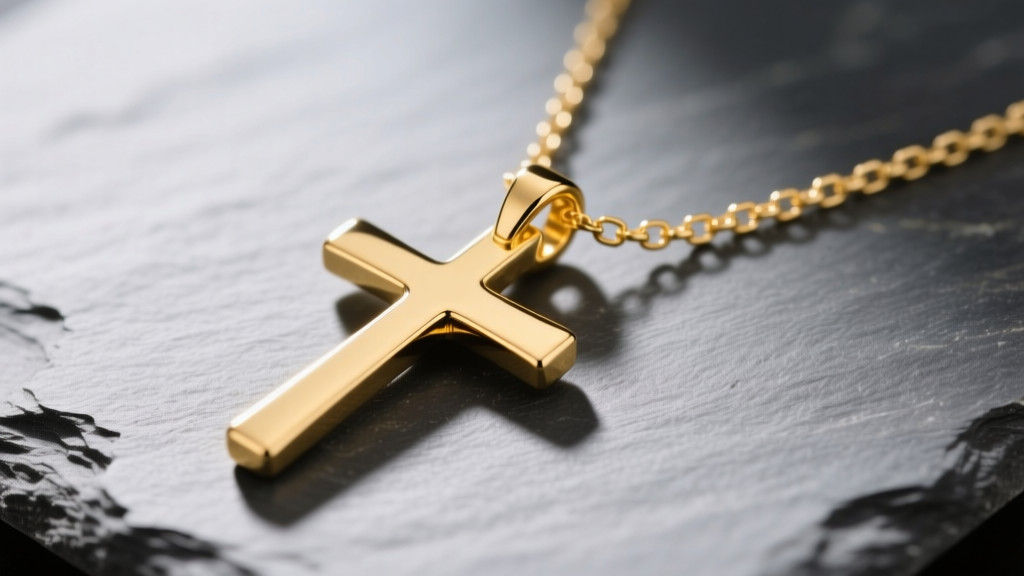
When selecting a women's sideways cross necklace, most buyers focus entirely on the aesthetic of the horizontal orientation. However, from a metallurgical and structural engineering standpoint, a sideways cross fundamentally changes how stress is distributed across the jewelry. Unlike a traditional vertical crucifix where gravity pulls the pendant straight down from the bail, a horizontal cross features a wider lateral profile. This creates a pendulum effect, placing asymmetric torque on the bail and the connecting jump ring.
Because the center of gravity is spread horizontally, the bail experiences lateral friction against the chain every time the wearer moves. This means the metal you choose must possess adequate shear strength and abrasion resistance. A soft metal will quickly develop grooves in the bail, eventually leading to structural failure and a lost pendant. Understanding the specific material properties of precious metals is critical to ensuring your necklace survives daily wear.
Sterling Silver (925): Budget-Friendly but High Maintenance
Sterling silver remains the most accessible entry point for a women's sideways cross necklace, typically priced between $40 and $120. By definition, 925 silver consists of 92.5% pure silver and 7.5% alloy metals, usually copper. While pure silver is too soft for jewelry (rating just 25 on the Vickers hardness scale), the copper addition raises the hardness to a more durable 60-70 HV.
The Tarnish Factor and Rhodium Plating
The copper alloy is also responsible for silver's primary failure mode: tarnishing. Copper reacts with atmospheric sulfur and moisture to form silver sulfide, creating a dark patina. To combat this, most modern silver sideways crosses are flash-plated with rhodium. A standard rhodium plating thickness ranges from 0.75 to 1.0 microns. This provides a brilliant, white-metal finish and a temporary barrier against oxidation.
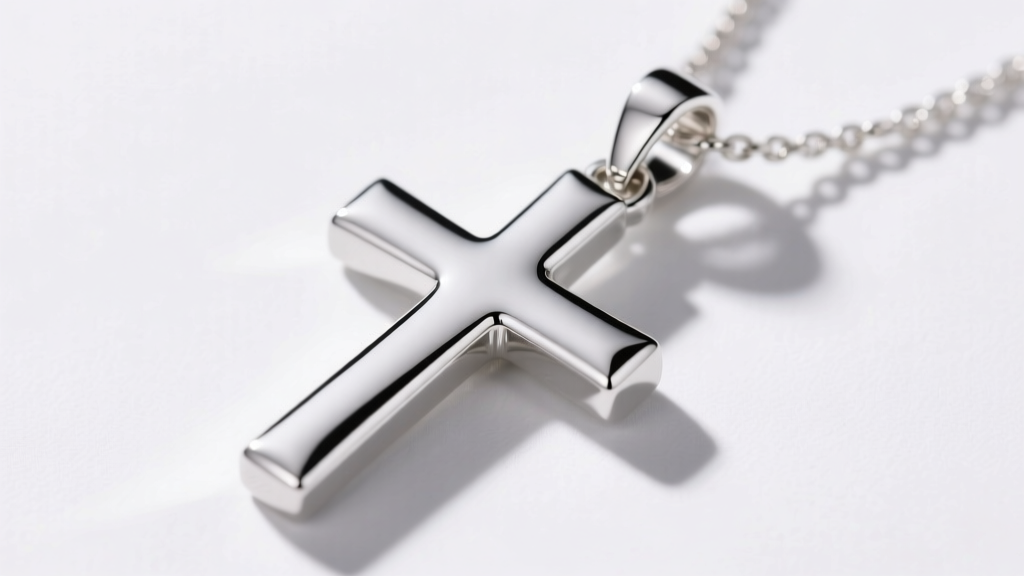
However, rhodium is not permanent. On a sideways cross, the horizontal bail will rub against the chain, wearing through the 1-micron rhodium layer in 12 to 18 months of daily wear. Once the plating breaches, the underlying copper alloy is exposed to skin acids and sulfur, requiring regular polishing with a micro-abrasive cloth to maintain the finish.
Solid Gold (14K vs. 18K): The Sweet Spot for Durability
For a piece meant to be worn daily without the maintenance of replating, solid gold is the industry standard. When evaluating gold for a sideways cross, the karat weight dictates both the color depth and the structural integrity of the piece.
- 14K Gold (58.5% Pure Gold): With a Vickers hardness of approximately 140 HV, 14K gold is significantly harder and more scratch-resistant than higher karats. If your sideways cross features micro-pavé diamonds along the horizontal arms, 14K gold is vastly superior because its harder alloy matrix grips the tiny prongs more securely, reducing the risk of stone loss.
- 18K Gold (75% Pure Gold): Softer (around 125 HV) and richer in color, 18K gold is highly prized for its hypoallergenic properties and deep yellow hue. However, the bail of an 18K sideways cross will wear down faster due to the lateral friction mentioned earlier. It is best suited for lighter, solid-metal crosses without gemstone prongs.
Pricing for solid gold sideways crosses generally ranges from $250 for a minimalist 14K wire cross to over $800 for a solid, diamond-accented 18K piece. According to the Gemological Institute of America (GIA), the alloy metals mixed with gold (like zinc, nickel, or palladium) also dictate whether the piece will cause contact dermatitis, making 18K or nickel-free 14K the safest bets for sensitive skin.
Platinum (950 Pt): The Premium Heavyweight
Platinum is the ultimate choice for heirloom-quality jewelry. A 950 platinum alloy (95% platinum, 5% ruthenium or iridium) boasts a density of 21.45 g/cm³, making it roughly 60% heavier than 14K gold. For a sideways cross, this weight provides a luxurious, substantial drape that prevents the pendant from flipping over on the chest.
Unlike gold, which loses microscopic layers of metal when scratched, platinum merely displaces. Over years of wear, a platinum sideways cross will develop a soft, satin-like patina rather than wearing thin. Furthermore, platinum's natural white color never requires rhodium plating. The primary drawback is the price point; expect to pay between $800 and $2,500+ for a solid platinum sideways cross, largely due to the metal's high density and the specialized casting temperatures required by jewelers.
Material Comparison Matrix
To make an informed purchasing decision, compare the metallurgical properties of the most common metals used for horizontal cross pendants:
| Metal | Composition | Vickers Hardness (HV) | Tarnish Risk | Avg. Price Range |
|---|---|---|---|---|
| Sterling Silver | 92.5% Ag, 7.5% Cu | 60 - 70 | High (without plating) | $40 - $120 |
| 14K Yellow Gold | 58.5% Au, Alloy | 130 - 140 | None | $250 - $600 |
| 18K Yellow Gold | 75.0% Au, Alloy | 120 - 125 | None | $450 - $900 |
| Platinum 950 | 95.0% Pt, 5.0% Ru | 130 - 135 | None | $800 - $2,500+ |
Chain Gauge and Clasp Engineering
The pendant is only half the equation. The horizontal profile of a sideways cross demands a specific chain architecture to prevent breakage. Because the pendant swings laterally, a chain that is too thin will experience severe friction at the clasp and the bail loop.
Matching Gauge to Pendant Weight
As a strict rule of thumb endorsed by the Jewelers of America, your chain's tensile strength must exceed the pendant's weight by a factor of at least three.
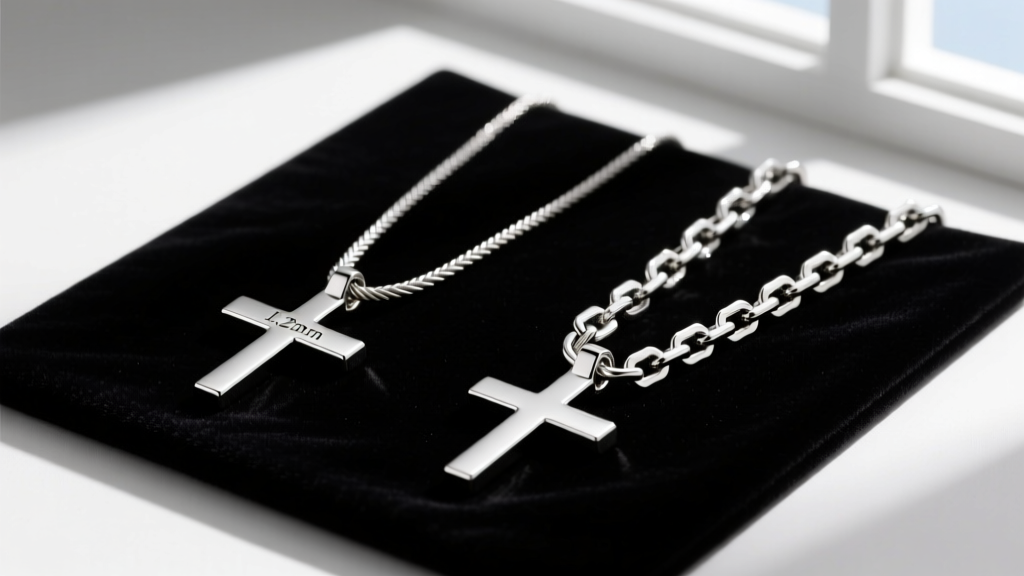
- Under 2 grams (Delicate Wire Crosses): A 0.8mm to 0.9mm cable or box chain is sufficient.
- 2 to 4 grams (Solid Cast Crosses): Upgrade to a 1.0mm to 1.2mm chain. Box chains and wheat chains are preferred here, as their interlocking geometric links resist the lateral twisting caused by the horizontal pendant.
- Over 4 grams (Diamond-Encrusted or Platinum): Require a minimum 1.5mm rope or curb chain to safely support the dense metal weight without stretching the links.
The Clasp Weak Point
Never pair a heavy platinum or 18K gold sideways cross with a standard spring-ring clasp. The internal spring mechanism is a known failure point under lateral torque. Always opt for a solid lobster clasp with a soldered jump ring to ensure the necklace remains secure during active wear.
Expert Care Protocols by Metal Type
Maintaining the pristine look of your necklace requires metal-specific care routines. Avoid generic jewelry dips, which can strip rhodium plating from silver or damage the alloy matrix of lower-karat golds.
- For Rhodium-Plated Silver: Clean only with a soft, lint-free microfiber cloth. If tarnish breaches the plating, use a mild soap and warm water solution with a baby-soft toothbrush. Never use silver polish, as the mild abrasives will strip the remaining rhodium layer.
- For Solid Gold: Soak in a mixture of warm water and a few drops of ammonia-free dish soap for 15 minutes. Gently brush the back of the horizontal cross where skin oils and lotions accumulate, which can dull the metal's natural luster.
- For Platinum: Platinum is highly resilient and can withstand ultrasonic cleaners. However, if you wish to restore the high-polish factory finish and remove the natural patina, this must be done professionally by a jeweler using a high-speed buffing wheel and platinum-specific polishing compounds.
By aligning your metal choice with your lifestyle, budget, and maintenance willingness, you can ensure your women's sideways cross necklace remains a structurally sound and beautiful staple in your collection for decades.


