Cow Necklace Material Guide: Silver, Enamel, Horn & Leather
Discover the best materials for a cow necklace. Compare sterling silver, enamel, horn, and leather for durability, style, and care in this expert guide.

The Anatomy of a Cow Necklace: Beyond the Motif
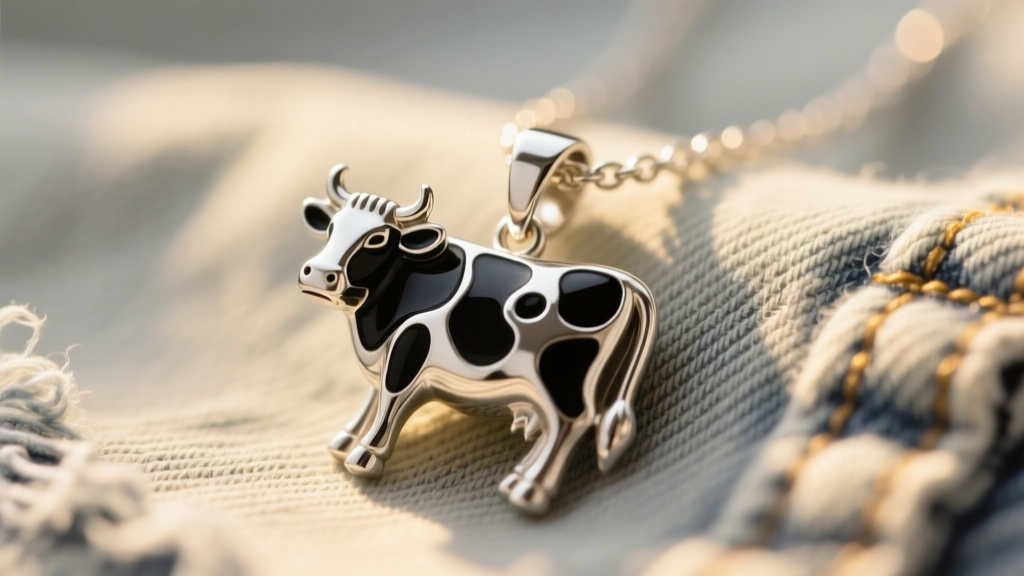
As the farmcore and neo-Western aesthetics continue to dominate jewelry trends in 2026, the cow necklace has evolved from a whimsical novelty into a sophisticated style staple. Whether you are drawn to the rustic charm of the American West, the playful nostalgia of farm life, or the high-fashion interpretations of bovine motifs, the material composition of your necklace dictates its longevity, aesthetic appeal, and daily wearability. A cow necklace is not just about the shape of the pendant; it is about how the medium brings the motif to life. Choosing the right material requires a deep understanding of metallurgy, organic structural integrity, and enamel craftsmanship. In this comprehensive guide, we break down the exact properties, durability metrics, and care protocols for the most popular materials used in cow-themed necklaces, ensuring your investment stands the test of time.
Precious Metals: Sterling Silver & Gold Vermeil
For classic, high-end cow charms and intricate bovine silhouettes, precious metals remain the gold standard. The most prevalent choice is 925 sterling silver, an alloy comprising 92.5% pure silver and 7.5% copper. According to The Silver Institute, the addition of copper is essential for structural integrity, as pure silver is too malleable to hold the fine details of a cow pendant, such as the curvature of horns or the texture of a hide. However, this copper content makes sterling silver susceptible to tarnishing when exposed to sulfur and humidity. To combat this, many premium jewelers apply a micro-thin layer of rhodium plating, which provides a brilliant, tarnish-resistant white finish that mimics platinum.
The Gold Vermeil Standard
For those seeking the warm, luxurious aesthetic of gold without the prohibitive cost of solid 14k or 18k gold, gold vermeil is the superior choice. It is critical to distinguish vermeil from standard gold plating. The Federal Trade Commission Jewelry Guides strictly dictate that for a piece to be legally marketed as vermeil, it must feature a sterling silver base coated with a minimum of 2.5 microns of 10k, 14k, or 18k gold. This thickness ensures that the golden cow pendant will not quickly wear away against the skin, providing years of rich color and hypoallergenic wear. When purchasing a gold vermeil cow necklace, always verify the micron thickness and the karatage of the gold layer to ensure you are getting a piece built for longevity.
Enamel & Resin: Crafting the Classic Cow Print
The iconic black-and-white Holstein cow print is a cornerstone of bovine jewelry design. Achieving this high-contrast, glossy finish requires the application of enamel or resin over a metal base. Understanding the difference between vitreous enamel and cold enamel is crucial for evaluating the quality and durability of your cow necklace.
Vitreous Enamel vs. Cold Enamel
Vitreous enamel is a traditional, high-end technique where finely ground glass powder is fused to a metal surface in a kiln at temperatures exceeding 1400°F. The result is a remarkably hard, scratch-resistant surface that registers between 5 and 6 on the Mohs hardness scale. Vitreous enamel will not yellow or fade over time, making it ideal for heirloom-quality cow print pendants. However, because it is essentially glass, it can shatter or chip if dropped on a hard surface. Conversely, cold enamel (often referred to as epoxy resin) is a synthetic polymer that cures at room temperature. While it lacks the crystalline depth and extreme scratch resistance of vitreous enamel, cold enamel is highly impact-resistant and less prone to shattering. It is the preferred material for everyday, affordable cow print jewelry, though it may eventually yellow with prolonged exposure to UV light and cosmetics.
Organic & Rustic Materials: Horn, Bone, and Leather
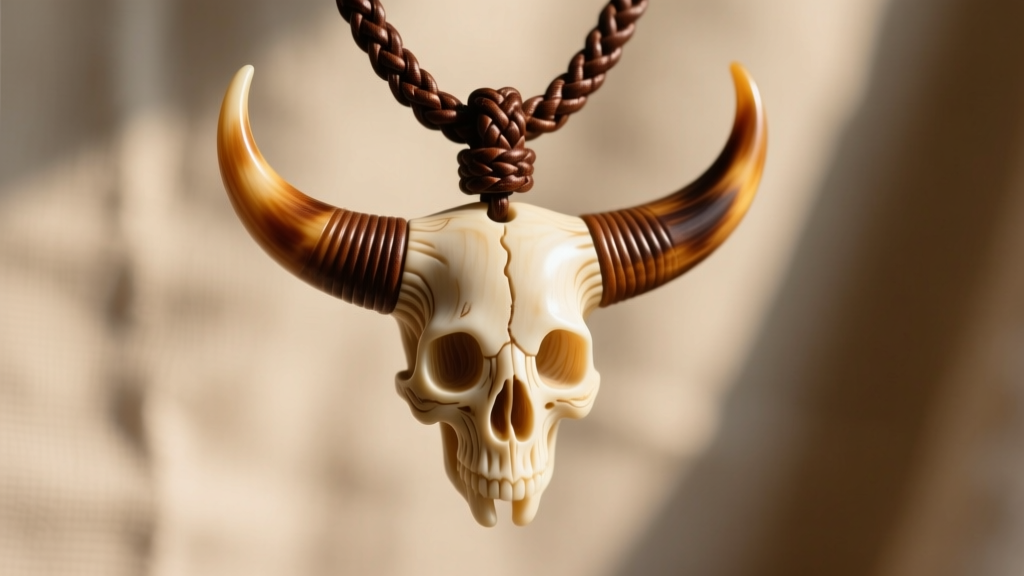
For authentic Western and rustic cow necklaces, organic materials provide an unparalleled earthy aesthetic. Carved cow horn and bone are frequently used to craft skull pendants, horn-shaped charms, and intricate scrimshaw designs. Horn is primarily composed of keratin—the same protein found in human hair and nails. This organic composition gives horn a unique, translucent warmth and a beautiful natural grain, but it also makes the material highly sensitive to environmental changes. Prolonged exposure to extreme heat can cause horn to warp, while excessive moisture can lead to delamination. Ethical sourcing is paramount when purchasing organic jewelry; reputable artisans source horn and bone strictly as byproducts of the food industry, ensuring no animals are harmed solely for jewelry production.
Leather Cords and Accents
A heavy horn or bone cow pendant is rarely paired with a delicate metal chain; instead, it is suspended from a robust leather cord. When selecting a leather necklace, prioritize vegetable-tanned leather over chrome-tanned alternatives. Vegetable tanning uses natural tannins from tree bark, resulting in a durable, eco-friendly cord that develops a rich, personalized patina over time. The Leather Working Group provides excellent resources and certifications for identifying environmentally responsible leather manufacturers. Ensure the leather cord is at least 2mm to 3mm in thickness to safely support the weight of a solid bone or horn pendant without stretching or snapping.
Comprehensive Material Comparison Chart
To help you make an informed decision, we have synthesized the core properties of the most common cow necklace materials into a structured comparison framework. This data-driven approach highlights the practical trade-offs between aesthetics, durability, and maintenance.
| Material | Mohs Hardness | Water Resistance | Best Use Case | Est. Price Range |
|---|---|---|---|---|
| 925 Sterling Silver | 2.5 - 3 | Moderate (Tarnishes) | Intricate charms, everyday wear | $45 - $150 |
| Gold Vermeil (2.5μm) | 2.5 - 3 | Low (Degrades in water) | Luxury motifs, special occasions | $80 - $250 |
| Vitreous Enamel | 5 - 6 | High (Shatter risk) | Heirloom cow print, high gloss | $120 - $400+ |
| Cold Enamel / Resin | 2 - 3 | Moderate (UV sensitive) | Affordable cow print, daily wear | $25 - $75 |
| Carved Cow Horn | 2.5 | Low (Warping risk) | Western skull pendants, rustic | $50 - $200 |
| Veg-Tanned Leather | N/A (Flexible) | Low (Stains/Warps) | Heavy pendant suspension cords | $20 - $60 |
Chain Selection: Matching the Pendant Material
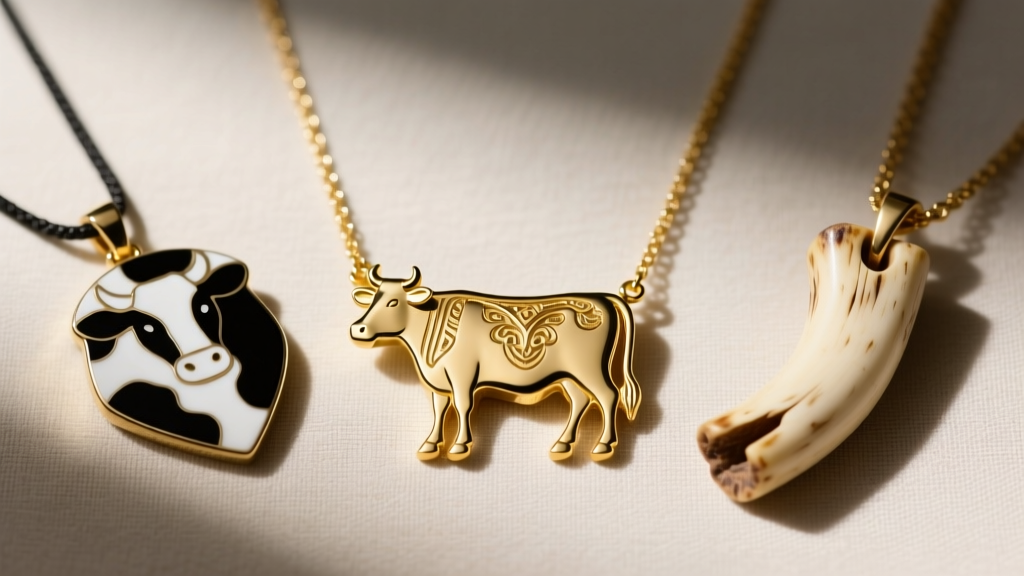
The structural integrity of a cow necklace relies heavily on the pairing of the pendant with an appropriate chain. A common failure mode in jewelry is suspending a heavy, solid-cast silver or horn cow pendant on a thin, hollow-cable chain, which inevitably leads to chain snapping or bail deformation. For pendants weighing under 10 grams, a standard 1.2mm cable or box chain is sufficient. However, for heavier rustic pieces, such as a solid bone cow skull or a thick vitreous enamel pendant, you must upgrade to a rope chain or a wheat chain in the 2.0mm to 3.0mm gauge range. These interlocking patterns distribute the kinetic stress of daily movement, preventing weak points. Additionally, always check the inner diameter of the pendant's bail (the loop that holds the chain) to ensure it smoothly accommodates the clasp and thickness of your chosen chain without causing abrasive friction.
Care and Maintenance Protocols by Material
Proper maintenance is highly material-dependent. Treating a porous organic pendant with harsh chemical silver dips will permanently ruin the piece. Here are the expert-approved care protocols for your cow necklace:
- Sterling Silver & Vermeil: Store in an anti-tarnish cloth pouch. Clean gently with a microfiber polishing cloth. Never use ultrasonic cleaners on gold vermeil, as the high-frequency vibrations can strip the micron layer from the silver base.
- Vitreous & Cold Enamel: Wipe with a damp, lint-free cloth. Avoid contact with perfumes, lotions, and harsh solvents, which can degrade the resin matrix of cold enamel or dull the glass finish of vitreous enamel.
- Horn & Bone: Keep away from extreme heat sources and prolonged submersion in water. If the horn begins to look dry or ashy, apply a microscopic amount of food-grade mineral oil or jojoba oil with a soft cloth to restore its natural luster and prevent micro-cracking.
- Leather Cords: Condition vegetable-tanned leather every six months with a dedicated leather balm to maintain flexibility and prevent dry rot. Remove the necklace before swimming or showering.
Final Verdict: Which Material is Right for You?
The ideal material for your cow necklace ultimately depends on your lifestyle, aesthetic preferences, and budget. If you desire a timeless, high-end piece that captures the whimsical nature of the cow motif with enduring brilliance, a rhodium-plated sterling silver pendant with vitreous enamel spots is unmatched in quality. For those embracing the rugged, authentic spirit of Western heritage, a hand-carved cow horn skull suspended from a thick, vegetable-tanned leather cord offers an organic, deeply personal connection to the land. By understanding the specific metallurgical and organic properties outlined in this guide, you can confidently select a cow necklace that not only makes a bold stylistic statement but also possesses the structural integrity to become a cherished, long-lasting addition to your jewelry collection.


