How to Craft and Style a Miniature Tote Bag Necklace
Learn how to craft and style a miniature tote bag necklace. We cover hardware selection, chain gauges, and step-by-step assembly for this quirky trend.


The Rise of the Micro-Tote: From Runway to Jewelry Bench
The intersection of high fashion and micro-jewelry has given birth to one of the most playful accessories of the decade: the tote bag necklace. What began as a runway novelty—designers shrinking iconic canvas and leather shoppers into 25mm charms—has evolved into a massive DIY and indie-jeweler movement. In 2026, wearing a miniature tote bag pendant is no longer just a quirky statement; it is a highly personalized staple in the layering routines of streetwear enthusiasts and minimalist fashion lovers alike. Whether you are upcycling hardware from a vintage canvas bag, crafting a seed-bead micro-tote, or casting a tiny leather replica, assembling a functional, non-flipping pendant requires precise jewelry-making techniques.
Unlike standard geometric pendants, a tote bag charm is asymmetrical and top-heavy. If assembled incorrectly, the pendant will constantly flip backward, hiding the design against the wearer's chest. This guide provides a masterclass in selecting the correct findings, chain gauges, and counter-weighting techniques to ensure your tote bag necklace hangs perfectly every time.
Essential Hardware and Material Specifications
To achieve a professional-grade finish, you must scale your jewelry findings to match the micro-proportions of the tote charm. A standard miniature tote bag pendant measures between 20mm and 30mm in width. Using heavy-duty clasps or thick chains will visually overwhelm the piece and cause structural strain on the bail.
Chain Gauges and Clasp Selection
For a micro-tote pendant weighing under 15 grams, you should opt for a delicate but structurally sound chain. According to metallurgical standards for lightweight pendants, a 1.2mm to 1.5mm cable chain or a 1.0mm box chain provides the ideal visual balance. Avoid chains heavier than 2.0mm, such as Cuban links, as they will drag the lightweight charm downward, causing it to rest awkwardly in the hollow of the collarbone rather than laying flat against the sternum. For the clasp, a 9mm or 10mm lobster claw in 925 sterling silver or 316L stainless steel offers the best ease of use without adding excessive weight to the nape of the neck.
Bail Selection: The Secret to Preventing the "Pendant Flip"
The most common failure mode in novelty charm necklaces is the pendant flipping backward. Because a tote bag charm is wider than it is deep, its center of gravity is offset. Glue-on bails are highly discouraged for canvas or leather micro-totes; the flexibility of the materials will cause cyanoacrylate or epoxy adhesives to fracture and peel within weeks of wear. Instead, you must use mechanical attachment methods.
- Pinch Bails (3mm - 4mm): Ideal for charms with pre-drilled top holes. The prongs grip the material mechanically, ensuring the charm remains fixed in a forward-facing position.
- Tube Bails with Soldered Jump Rings: Best for rigid resin or metal-cast tote charms. The tube slides over a horizontal peg on the charm, locking it in place.
- The Counter-Weight Trick: If your charm still flips, thread a 3mm sterling silver or brass bead onto the chain directly behind the bail. This acts as a pendulum counter-weight, forcing the tote bag face to remain outward.
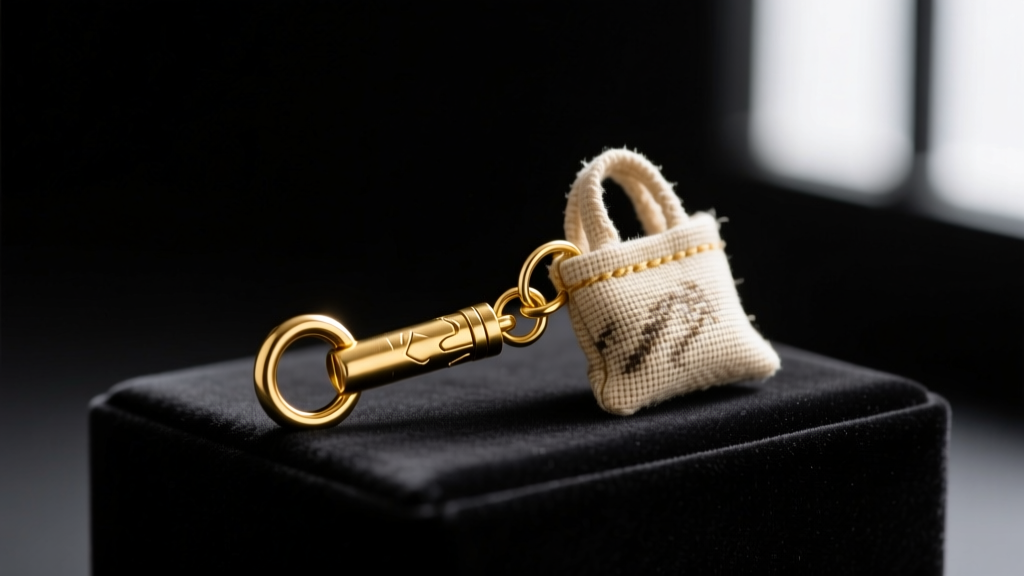
Step-by-Step Guide: Assembling Your Tote Bag Necklace
Follow this precise assembly sequence to construct a durable, retail-quality tote bag necklace. You will need two pairs of chain-nose pliers, flush cutters, and your selected findings. For an in-depth look into professional jump ring manipulation, the technical guides at Rio Grande remain the industry gold standard for jewelry fabrication.
- Prepare the Charm: If you are using a leather or canvas micro-tote, seal the top edge with a micro-drop of flexible fabric glue or beeswax to prevent fraying where the bail will attach.
- Attach the Bail: Using your chain-nose pliers, gently open the pinch bail prongs just enough to slide them into the pre-punched holes on the tote handle or top rim. Squeeze the prongs firmly until they click or sit flush against the material.
- Open the Jump Ring: Take a 20-gauge, 4mm outer-diameter jump ring. Grip it with two pairs of pliers at the 3 o'clock and 9 o'clock positions. Never pull the ring apart outward; instead, twist one hand toward you and the other away to open it laterally. This preserves the perfect circle and ensures a seamless closure.
- Connect the Chain: Thread one end of your 1.2mm cable chain through the jump ring, followed by the loop of your attached bail. If you are using the counter-weight bead, thread it onto the chain now, positioning it exactly one inch behind the bail.
- Close the Jump Ring: Twist the jump ring back into alignment. Listen for a subtle "snap" as the two cut ends meet perfectly flush. If you are working with sterling silver, you may optionally solder this jump ring closed using a micro-torch to guarantee it never opens under tension.
- Attach the Clasp: Secure your 9mm lobster claw to one end of the chain with another twisted jump ring, and a 5mm soldered ring on the opposite end for the clasp to catch.
Material Comparison: Choosing Your Micro-Tote Base
The material of your miniature tote dictates not only the aesthetic but the longevity of the jewelry piece. Below is a comparison of the most popular materials used for tote bag necklaces in the current market.
| Material | Average Weight | Durability & Wear | Best Bail Type | Price Range (DIY) |
|---|---|---|---|---|
| Full-Grain Leather | 8g - 12g | High; develops a patina. Must be kept dry to prevent warping. | Pinch Bail or Riveted Loop | $15 - $35 |
| Waxed Canvas | 5g - 8g | Medium; water-resistant but edges can fray if unsealed. | Pinch Bail with Washers | $8 - $20 |
| Seed Bead (Woven) | 10g - 15g | Low; thread can snap if caught on clothing. Avoid moisture. | Woven Loop (No metal bail) | $25 - $50 |
| Cast Brass/Enamel | 15g - 22g | Very High; scratch-resistant. Enamel may chip if dropped on tile. | Soldered Tube Bail | $30 - $65 |
Styling the Tote Bag Necklace for 2026
The beauty of the tote bag necklace lies in its versatility. As highlighted by trend forecasters at Vogue, the modern approach to novelty jewelry is to treat it with the same sartorial respect as fine jewelry, integrating it into sophisticated layered stacks rather than wearing it as an isolated statement piece.
The "Mixed Metal & Texture" Stack
Pair a 25mm canvas tote bag pendant on a 1.2mm gold cable chain with a 14-inch oxidized silver herringbone choker. The contrast between the casual, utilitarian vibe of the canvas and the sleek, liquid-metal look of the herringbone chain creates a high-low tension that is incredibly fashionable. Let the tote bag pendant hang at 18 inches, creating a distinct V-shape layering effect.
The Monochromatic Leather Stack
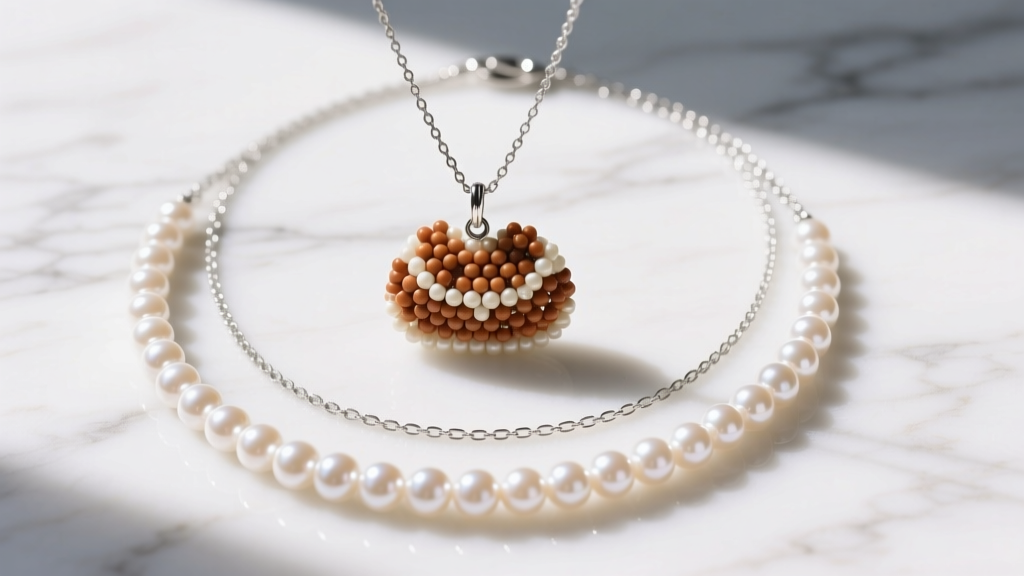
If you are wearing a miniature leather tote charm, match the chain metal to the hardware on the charm (e.g., gold-plated brass). Layer it with a simple 16-inch gold pearl-choker or a delicate gold paperclip chain. This setup works beautifully over a ribbed turtleneck or a crisp, unbuttoned white linen shirt, allowing the charm to rest directly against the skin or fabric without snagging.
Troubleshooting Common Assembly Failures
Even experienced jewelers run into issues when working with asymmetrical novelty charms. Here is how to troubleshoot the most frequent complaints associated with tote bag necklaces:
- The Charm Snags on Clothing: This is usually caused by a pinch bail with sharp, unfiled prongs. Use a fine-grit needle file to gently bevel the edges of the bail prongs, then polish with a micro-mesh pad to ensure they glide smoothly over silk and cotton.
- The Chain Kinks Around the Bail: If your jump ring is too small (e.g., 3mm), the chain won't have enough clearance to pivot, leading to permanent kinks in delicate cable chains. Always use a minimum 4mm outer-diameter jump ring for 1.2mm chains to allow a full range of motion.
- Canvas Tearing at the Bail Hole: Canvas is prone to micro-tearing under the stress of a metal bail. To reinforce the attachment point, punch the hole using a leather awl rather than a standard hole punch, and insert a tiny metal eyelet (grommet) before attaching the bail. This distributes the tension across a wider surface area and guarantees the charm will never rip off.
Crafting a tote bag necklace is a masterclass in scale, proportion, and mechanical jewelry design. By respecting the physics of the pendant and selecting the appropriate micro-findings, you can elevate a playful fashion trend into a durable, everyday heirloom that perfectly captures the whimsical yet refined spirit of contemporary accessorizing.


