The Crassula Jade Necklace Trend: 2026 Botanical Style Guide
Discover the 2026 crassula jade necklace trend. Explore botanical succulent motifs, jade carving grades, styling tips, and prosperity symbolism.

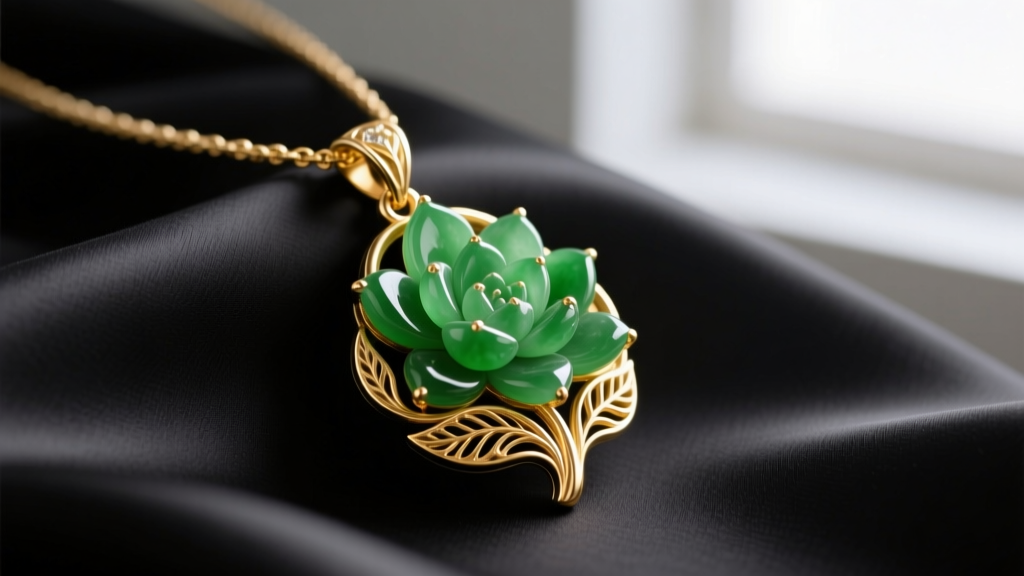
In the ever-evolving landscape of fine jewelry, 2026 has ushered in a definitive shift away from stark minimalism toward hyper-naturalism and botanical storytelling. At the forefront of this movement is the crassula jade necklace, a highly specific, deeply symbolic pendant style that merges the lush, resilient aesthetics of the succulent world with the ancient lapidary traditions of jade carving. No longer just a generic leaf motif, today’s botanical pendants are scientifically accurate, meticulously carved, and rich in cultural significance.
As a style radar analyst, I have tracked the surge of the crassula jade necklace across artisan markets and high-end jewelry houses alike. This guide breaks down the anatomy of this trend, the gemological specifics you need to know before purchasing, and how to style these prosperity pendants for the modern wardrobe.
The Botanical Shift: Why Succulents are Dominating 2026
The transition from geometric Art Deco revivals to organic, nature-inspired silhouettes reflects a broader cultural desire for grounding and resilience. The Crassula ovata, commonly known as the jade plant, is a succulent native to South Africa and Mozambique, celebrated for its thick, oval, fleshy leaves and tree-like maturity over time. According to botanical experts at Britannica, the plant's ability to store water and thrive in harsh conditions makes it a universal symbol of endurance.
Jewelers have capitalized on this symbolism. Instead of flat, stamped metal leaves, the 2026 crassula jade necklace features three-dimensional, in-the-round carvings or intricate bas-relief sculptures. The visual weight of the succulent leaf—plump, rounded, and tactile—translates beautifully into polished gemstones, offering a sensory experience that flat pendants simply cannot match.
Decoding the Materials: Nephrite vs. Jadeite Carvings
When evaluating a crassula jade necklace, understanding the gemological distinction between the two minerals commonly referred to as 'jade' is critical for assessing both value and durability. The Gemological Institute of America (GIA) notes that while both are used in carving, their internal structures dictate how a jeweler can shape the succulent motif.
Nephrite: The Carver’s Canvas
Nephrite is a calcium and magnesium-rich amphibole. Its interlocking fibrous structure gives it exceptional toughness—arguably the highest of any natural gemstone. This makes nephrite the preferred medium for intricate crassula carvings where the jeweler wants to carve deep undercuts between the succulent leaves without risking fracture. Nephrite typically presents in deep, earthy greens, spinach greens, and creamy celadons, perfectly mimicking the shaded leaves of a mature jade plant.
Jadeite: The Vitreous Luxury
Jadeite is a sodium and aluminum-rich pyroxene, prized for its vitreous (glass-like) luster and vibrant, sometimes translucent colors. Imperial jadeite, with its emerald-green hue, is exceptionally rare. Carving a crassula motif from high-grade jadeite is a high-stakes endeavor; because it is slightly more brittle than nephrite, lapidaries usually opt for smoother, rounded cabochon-style succulent leaves rather than deeply undercut foliage. The result is a glossier, more light-reflective pendant that catches the eye from across the room.
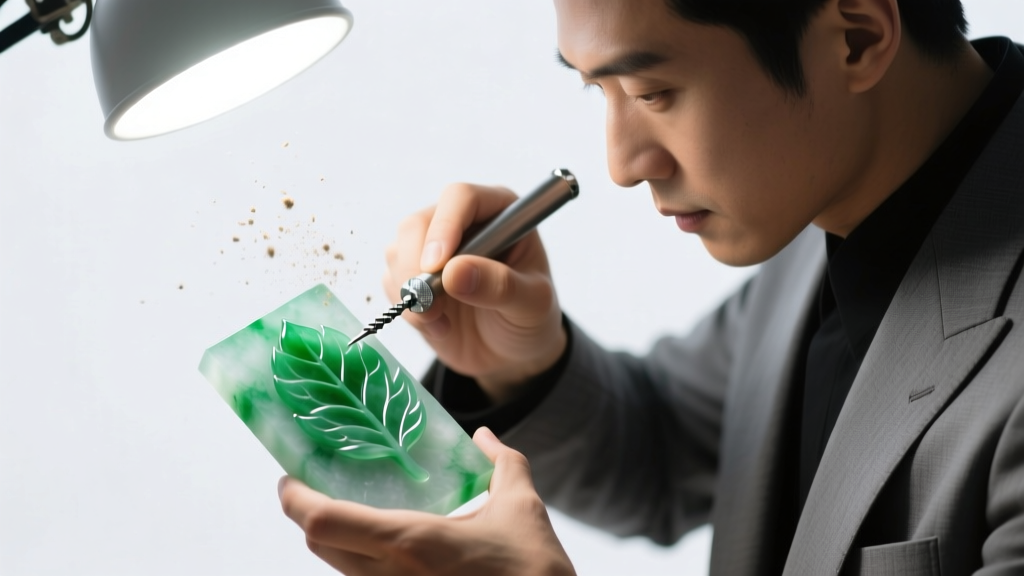
The Red Margin Detail: A Mark of Artisan Mastery
One of the most exciting micro-trends within the 2026 crassula jade necklace market is the replication of the 'stress color' found on real succulents. When a Crassula ovata is exposed to bright, direct sunlight, the margins of its green leaves develop a striking crimson or ruby-red edge.
Master jewelers are now replicating this botanical reality using multi-material inlay techniques. You will find high-end pendants where the central leaf is carved from green nephrite, but the outer bezel or marginal inlay is crafted from heat-treated citrine, red jasper, or even a subtle rose-gold enamel. This attention to biological accuracy is a primary indicator of an artisan-crafted piece versus a mass-produced, generic leaf pendant.
Feng Shui and the Double-Prosperity Motif
The appeal of the crassula jade necklace extends far beyond visual aesthetics; it is deeply rooted in Feng Shui. In traditional Chinese culture, the jade plant is known as the 'money tree' or 'wealth plant,' often placed in the southeast corner of a home or business to attract financial prosperity. The rounded, coin-like leaves are believed to generate positive 'Chi' (energy).
When you combine the Crassula ovata motif with actual jade—the stone historically revered in East Asian cultures as the 'Stone of Heaven' that offers protection and wisdom—the pendant becomes a dual-layered talisman. For many buyers in 2026, wearing this necklace is a daily, tactile reminder of growth, financial stability, and grounded energy.
Styling and Layering the Succulent Pendant
Because the crassula motif is inherently organic and slightly voluminous, pairing it with the correct chain and neckline is essential for maintaining a sophisticated silhouette. Here is a structural framework for styling your botanical pendant:
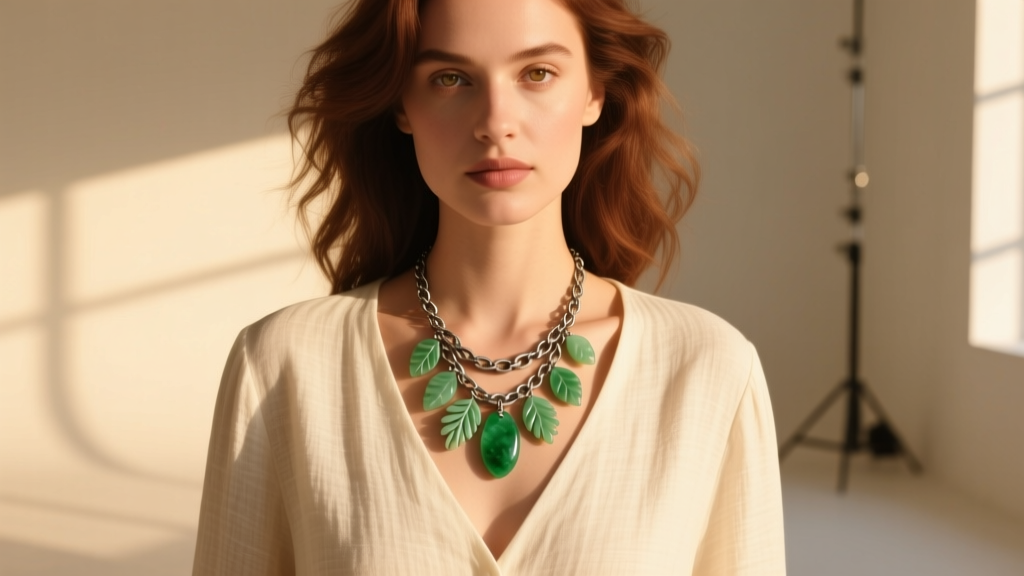
- The 16-Inch Choker Length (1.2mm Box Chain): Best for V-neck blouses and wrap dresses. A delicate 1.2mm 14k yellow gold box chain provides a modern, geometric contrast to the organic curves of the carved jade leaves. The box chain's flat surface reflects light, drawing the eye up to the collarbone.
- The 18-Inch Princess Length (1.5mm Rolo Chain): The most versatile option. An oxidized sterling silver rolo chain with rounded links complements the earthy, rustic origins of the succulent motif. This length rests perfectly on the sternum, ideal for crew necks, button-down shirts, and casual linen tunics.
- The 24-Inch Opera Length (Cord or Silk): For larger, statement-sized crassula carvings (often exceeding 40mm in width), bypass metal chains entirely. Suspend the pendant from a braided dark-green silk cord or a hand-knotted macramé rope. This leans heavily into the bohemian, nature-forward aesthetic and pairs beautifully with high-necked sweaters and maxi dresses.
Market Analysis: Pricing Tiers and What to Expect
The market for botanical jade jewelry is highly stratified. Understanding these tiers will protect you from overpaying for commercial-grade goods or underestimating the value of artisan lapidary work.
| Market Tier | Material & Craftsmanship | Chain / Hardware | Estimated Price Range (2026) |
|---|---|---|---|
| Commercial | Mass-produced, low-grade nephrite or dyed quartzite. Flat, machine-stamped or simple molded shapes lacking botanical accuracy. | Plated brass or thin sterling silver cable chains with base-metal clasps. | $35 – $85 |
| Artisan / Boutique | Hand-carved mid-grade nephrite or chrysoprase. Features 3D bas-relief, accurate leaf veining, and occasional multi-gem inlays (e.g., citrine margins). | Solid 14k gold or heavy oxidized silver rolo/box chains with secure lobster clasps. | $180 – $450 |
| Fine / High Jewelry | Translucent, untreated Type-A Imperial Jadeite or premium Russian nephrite. Master-level in-the-round carving. Bespoke diamond or sapphire accents. | Custom-forged 18k gold chains, often featuring integrated botanical bail designs and hidden diamond clasps. | $1,200 – $5,000+ |
Authentication: Avoiding the 'Bathed' Jade Scam
As the crassula jade necklace trend peaks, the market has seen an influx of treated stones. The most common deception is selling 'Type B' or 'Type C' jade as natural. Type B jade has been acid-bleached to remove impurities and then injected with polymer resin, while Type C is artificially dyed.
Because the crassula motif relies on the natural, waxy luster of the succulent leaf, polymer-injected jade will often look unnaturally glossy or 'plastic' under magnification. Furthermore, dyed quartzite (often sold as 'new jade') will show color pooling in the microscopic fractures of the stone when viewed with a 10x jeweler's loupe. Always request a certificate of authenticity from a reputable gemological lab for any crassula jade pendant priced above the artisan tier, ensuring the stone is certified as 'Type A' (completely untreated).
Final Thoughts on the Botanical Renaissance
The crassula jade necklace is more than a fleeting seasonal trend; it is a masterful convergence of botany, cultural symbolism, and advanced lapidary art. Whether you are drawn to the Feng Shui prosperity it represents, the tactile beauty of hand-carved nephrite, or simply the lush, green aesthetic it brings to your wardrobe, this pendant style offers a deeply personal connection to the natural world. As we move through 2026, investing in an artisan-crafted succulent motif ensures you are wearing a piece of jewelry that is as resilient, unique, and enduring as the plant that inspired it.


