Caring for Your Necklace for Cremation Ashes: A Complete Guide
Learn expert care, cleaning, and maintenance tips to protect your necklace for cremation ashes. Preserve resin, glass, and metal memorial jewelry safely.

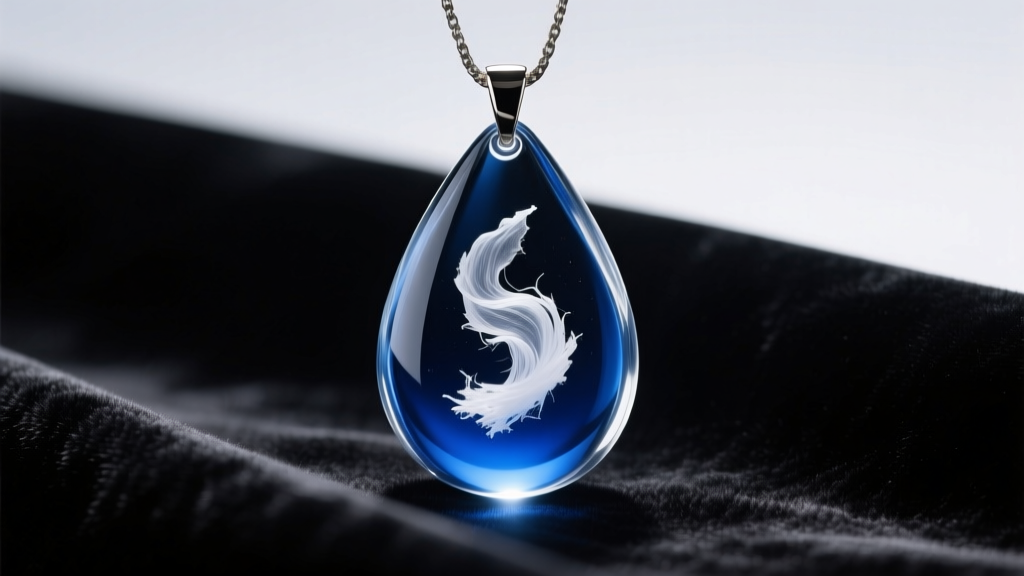
Understanding the Anatomy of Memorial Jewelry
A necklace for cremation ashes is far more than a standard accessory; it is a deeply personal keepsake that requires specialized maintenance. Unlike traditional gemstone pendants, memorial jewelry integrates organic remains into its structure, meaning the cleaning protocols must account for both the host material (resin, glass, or metal) and the integrity of the seal protecting the ashes. According to the Gemological Institute of America (GIA), understanding the specific Mohs hardness and chemical vulnerabilities of your jewelry's primary material is the first step in preventing irreversible damage.
Memorial necklaces generally fall into two structural categories:
- Infusion Pendants: The cremains are permanently suspended within a medium, such as UV-cured resin, epoxy, or borosilicate lampwork glass.
- Encapsulation Vessels: The ashes are stored inside a hollow metal chamber (often sterling silver, 316L stainless steel, or 14k gold) secured by a threaded bail, an O-ring gasket, or a glued stopper.
Because the contents are irreplaceable, the primary goal of cleaning a necklace for cremation ashes is surface preservation without compromising the structural seal or the optical clarity of the viewing window.
Daily Wear and Preventative Maintenance
The most effective cleaning method is preventing the accumulation of corrosive substances in the first place. Memorial jewelry is highly susceptible to the chemicals found in everyday cosmetics. Hairsprays, perfumes, and body lotions contain alcohols and volatile organic compounds (VOCs) that can chemically etch soft resins or degrade the adhesive seals on metal compartments.
Adopt the 'Last On, First Off' protocol. Your necklace for cremation ashes should be the very last item you put on after dressing and applying cosmetics, and the first item you remove upon returning home. Furthermore, never wear memorial jewelry in swimming pools or hot tubs; chlorine and bromine will rapidly pit sterling silver hardware and can cloud glass inclusions through microscopic surface etching.
Step-by-Step Cleaning Guide by Material
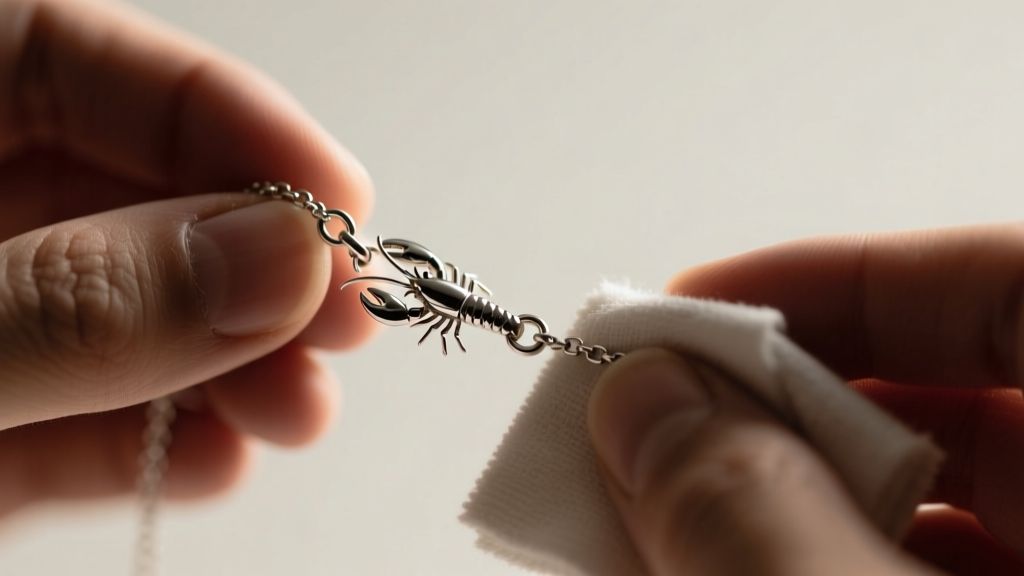
When it is time to clean your pendant, avoid ultrasonic cleaners and steamers at all costs. The high-frequency vibrations of an ultrasonic bath can shatter glass inclusions, while the intense heat of a steamer can melt resin or compromise waterproof O-rings. The American Gem Society recommends gentle, manual cleaning methods for delicate or composite jewelry pieces.
Cleaning Infused Resin and Glass Pendants
Resin (Mohs hardness 2-3) scratches easily, while borosilicate glass (Mohs 5-6) is more durable but prone to smudging.
- Dampen a clean, lint-free microfiber cloth with distilled water. Avoid tap water, as heavy minerals can leave hard water spots on glass.
- Gently wipe the surface of the pendant in a circular motion. Do not apply heavy pressure to resin, as microscopic dust particles can act like sandpaper and create micro-scratches.
- For stubborn oils, use a single drop of pH-neutral dish soap (like Dawn) on the damp cloth. Wipe the pendant, then immediately follow with a cloth dampened only with distilled water to remove soap residue.
- Buff dry with a separate, dry microfiber cloth.
Cleaning Hollow Metal Encapsulation Vessels
If your necklace for cremation ashes features a threaded screw-top bail or a glued stopper, never submerge the pendant in water. Water ingress will ruin the ashes inside.
- Use a slightly damp cotton swab to carefully clean the exterior metal, avoiding the seam where the bail meets the vessel.
- For sterling silver vessels that have tarnished, use a treated silver polishing cloth (such as a Sunshine cloth). Rub the metal gently, ensuring the treated fabric does not touch any resin or glass windows, as the mild abrasives in the cloth will permanently cloud the viewing area.
- Use a soft, dry makeup brush to dust the crevices around the bail and jump ring.
Material Vulnerability and Cleaning Agent Chart
Using the wrong chemical agent can cause catastrophic, irreversible damage to memorial jewelry. Refer to this chart before applying any solution to your necklace for cremation ashes.
| Material | Mohs Hardness | Safe Cleaning Agents | Agents to Avoid (Will Cause Damage) |
|---|---|---|---|
| Epoxy / UV Resin | 2 - 3 | Distilled water, pH-neutral soap | Alcohol, acetone, ammonia, ultrasonic |
| Borosilicate Glass | 5 - 6 | Glass cleaner (ammonia-free), distilled water | Hydrofluoric acid, extreme thermal shock |
| Sterling Silver (925) | 2.5 - 3 | Silver polish cloth, mild soapy water | Bleach, chlorine, salt water, hard bristles |
| 316L Stainless Steel | 5.5 - 6.3 | Warm soapy water, microfiber | Chlorine bleach, prolonged salt water exposure |
| 14k / 18k Gold | 2.5 - 3 | Mild dish soap, soft brush (avoiding seals) | Chlorine, harsh abrasives, toothpaste |
Troubleshooting Common Memorial Jewelry Issues
Even with meticulous care, time and environment can affect your necklace for cremation ashes. Here is how to address the most common issues safely.
Issue: Resin Yellowing
All organic resins will eventually yellow when exposed to ultraviolet (UV) light due to the breakdown of polymer chains. While high-end memorial jewelers use UV-inhibiting stabilizers, prolonged direct sunlight will still cause discoloration over several years. Solution: Yellowing is a chemical change and cannot be reversed or polished out. Prevention is the only cure. Store the necklace away from windows and avoid wearing it during peak sun exposure. If the yellowing is severe, consult the original artist about carefully sanding and re-pouring a fresh resin cap, provided the vessel allows for it.
Issue: Loose Threaded Bails or Stoppers
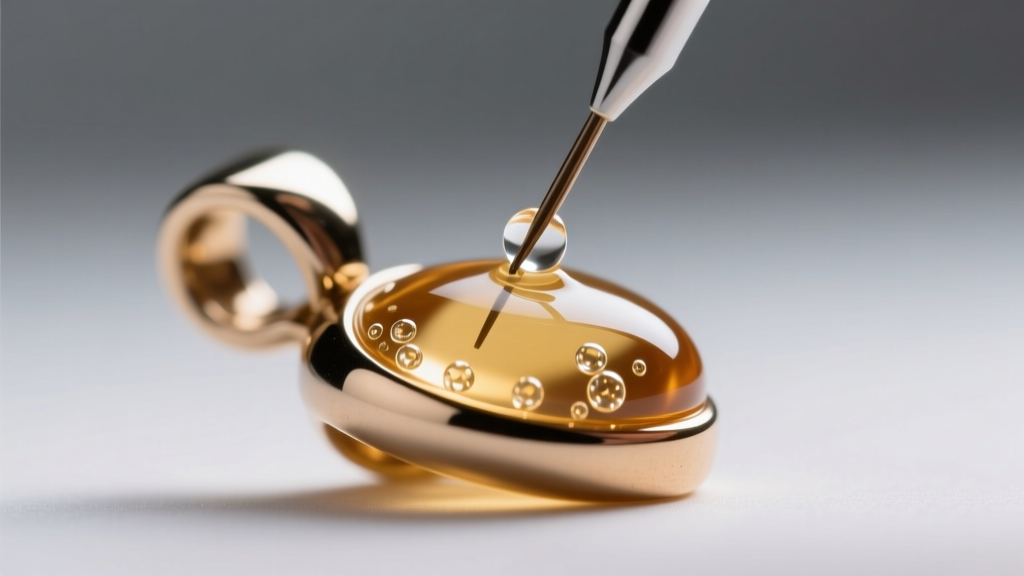
The constant friction of the chain moving against the bail can slowly unscrew a threaded compartment over time, risking the loss of the ashes. Solution: If you notice the bail loosening, remove the necklace immediately. Carefully unscrew the bail, apply a microscopic drop of jeweler's epoxy (like E6000) or a UV-curing resin to the threads, and screw it back in tightly. Wipe away any excess immediately. Never use cyanoacrylate (Super Glue), as it outgasses while curing, leaving a permanent white, cloudy film on the surrounding metal and glass.
Long-Term Storage and Archival Preservation
If you choose not to wear your necklace for cremation ashes daily, proper archival storage is essential to preserve its condition for future generations. Avoid tossing the necklace into a standard jewelry box where it can be scratched by harder gemstones or metal chains.
- Use Anti-Tarnish Bags: Store sterling silver or copper-alloy pieces in specialized anti-tarnish ziplock bags (such as Pacific Silvercloth) which absorb sulfur compounds from the air that cause oxidation.
- Control Humidity: Moisture accelerates tarnishing and can degrade certain adhesive seals. Place a small silica gel desiccant packet inside the storage box or bag to maintain a dry micro-environment.
- Isolate the Pendant: Store the pendant and the chain separately, or lay the chain out straight. Coiling a chain tightly can cause permanent kinking, especially with delicate cable or box chains.
When to Seek Professional Restoration
While routine cleaning can be done at home, certain situations require a professional. If the glass window of an infusion pendant cracks, if the metal vessel becomes deeply dented, or if the internal seal fails and moisture enters the ash chamber, do not attempt DIY repairs. Contact the original memorial jeweler or a specialist in commemorative artifacts. They possess the specialized vacuums, cleanrooms, and archival-grade adhesives required to safely open, repair, and reseal the vessel without risking the integrity of the cremains inside.
By treating your necklace for cremation ashes with the technical care and deep respect it deserves, you ensure that this tangible connection to your loved one remains beautiful, secure, and pristine for decades to come.


