Crochet Bead Necklace Trends: 2026 Style & Layering Guide
Discover the 2026 crochet bead necklace trend. Expert styling tips, layering techniques, and material guides for this artisanal staple.

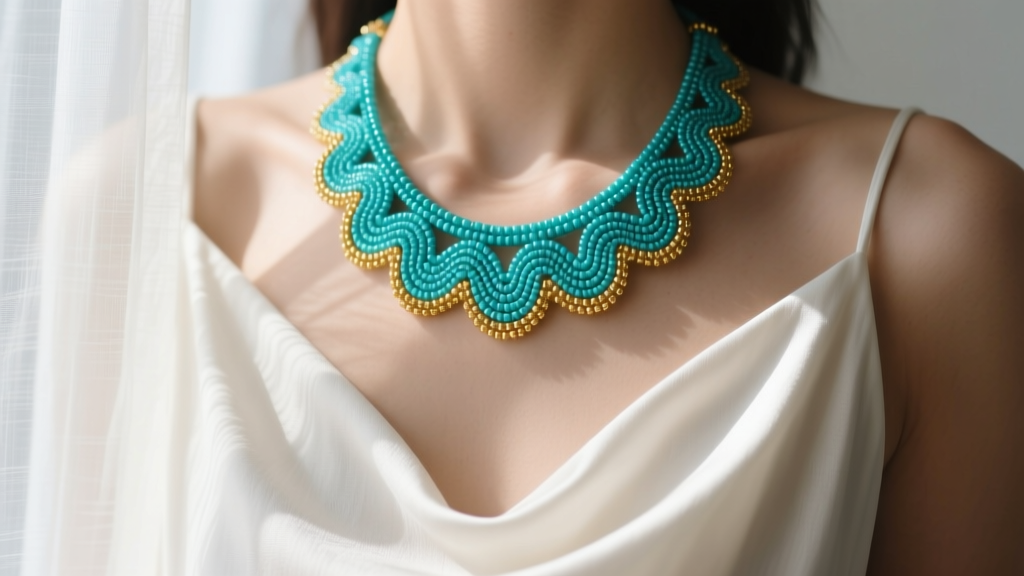
The jewelry landscape of 2026 has decisively pivoted from the sterile minimalism of 'quiet luxury' toward what trend forecasters are calling 'artisanal maximalism.' At the forefront of this movement is the crochet bead necklace. Once relegated to craft fairs and vintage Victorian repros, this intricate textile-meets-jewelry hybrid has been reclaimed by high-fashion runways and independent ateliers alike. According to recent trend reports from Vogue, the fusion of tactile craftsmanship and vibrant beadwork is the defining neckwear statement of the year.
But not all bead crochet is created equal. The gap between mass-produced, glued-together imitations and genuine, hand-crocheted bead ropes is vast. This comprehensive guide breaks down the anatomy, 2026 trend forecasts, and expert layering frameworks you need to master the crochet bead necklace.
The Anatomy of a Luxury Crochet Bead Necklace
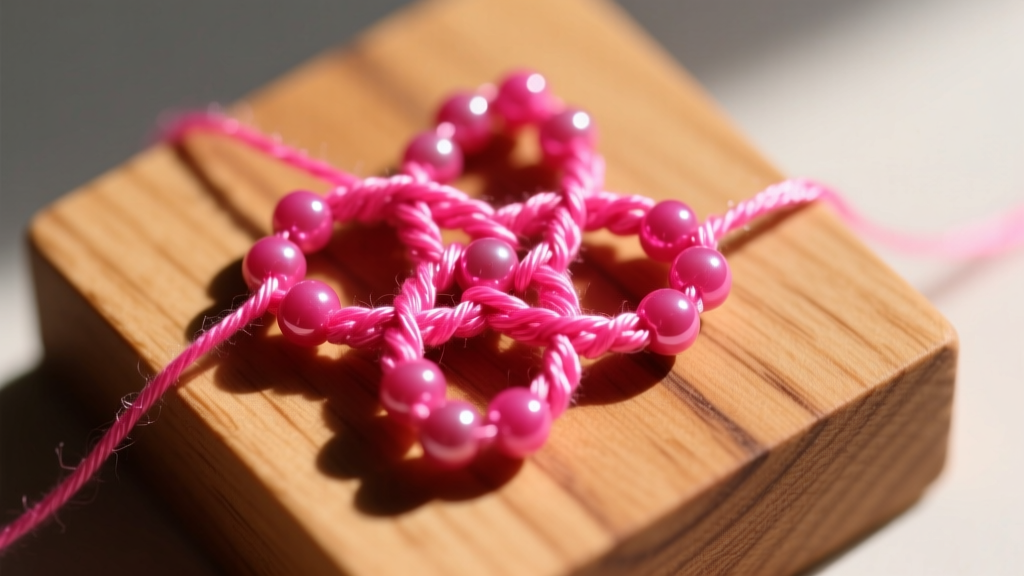
True bead crochet is a marvel of structural engineering. Unlike strung beads, where the thread passes straight through the center, bead crochet requires the artisan to pre-string hundreds (or thousands) of beads onto a continuous thread before using a micro-hook to pull loops through each bead. The result is a flexible, tubular 'rope' that drapes like heavy silk.
Thread Composition: The Hidden Backbone
The longevity and drape of your necklace depend entirely on the thread. In 2026, luxury artisans have largely moved away from traditional cotton.
- C-Lon / Superlon Nylon (0.115mm - 0.15mm): The undisputed gold standard for modern micro-crochet. It offers a tensile strength of over 5 lbs, resists UV fading, and does not absorb skin oils. It provides a slight sheen that mimics silk without the degradation.
- Mercerized Cotton: Offers a beautiful matte finish and historical accuracy for Victorian-style pieces, but it is highly susceptible to sebum absorption, leading to eventual dry rot and snapping.
- Spun Silk: Used exclusively in ultra-high-end heritage pieces. It requires meticulous care and is often reserved for bridal or archival jewelry.
Bead Selection: Geometry and Sparkle
The choice of bead dictates the necklace's texture. Japanese cylinder beads, specifically Miyuki Delica 11/0 (1.6mm diameter), are favored for their uniform, geometric lattice, creating a smooth, snake-like tube. Conversely, Czech Charlotte 13/0 seed beads feature a single flat cut facet. When crocheted in a spiral, these facets catch the light omnidirectionally, creating a 'liquid metal' effect that rivals faceted gemstones.
2026 Trend Matrix: Silhouettes and Colorways
This year's runways have moved past the simple, single-strand beaded choker. The 2026 crochet bead necklace is defined by architectural silhouettes and unexpected material mashups. We analyzed top boutique releases to categorize the dominant trends.
| Silhouette | Defining Characteristics | Best For | Price Range (Artisan) |
|---|---|---|---|
| The Asymmetrical Lariat | Off-center drop with a heavy, beaded tassel; often incorporates raw brass or oxidized silver end-caps. | Deep V-necks, slip dresses | $140 - $280 |
| The Micro-Torsade | Multiple thin strands (4-6) of 15/0 micro-crochet twisted together, secured with a magnetic clasp. | Boat necks, high-collared blouses | $250 - $450 |
| The Mixed-Media Choker | Crocheted bead rope integrated with segments of 14k gold chain or leather cord via hidden jump rings. | Everyday streetwear, casual layering | $180 - $350 |
Color-wise, 2026 is dominated by 'Digital Aura' gradients—necklaces that transition seamlessly from deep ultraviolet to bioluminescent green using dyed glass seed beads, as well as 'Earthen Metallics' which blend matte bronze beads with raw freshwater pearls crocheted directly into the rope.
The Economics of Craft: Fast Fashion vs. Artisan
As the crochet bead necklace trend peaks, the market has been flooded with cheap alternatives. It is vital for consumers to understand the pricing structure to avoid overpaying for machine-made or glued fakes.
'A genuine 24-inch bead crochet rope using 11/0 seed beads requires the artisan to pre-string approximately 2,200 individual beads before a single crochet stitch is made. The labor time alone dictates a floor price of $120 for authentic pieces.' — Independent Jewelry Atelier Survey, 2025.
Mass-market retailers often use 'mock' crochet techniques, where beads are simply strung on elastic and wrapped around a nylon core, or glued onto a crocheted fabric base. These lack the signature flexibility and tubular drape of true bead crochet. Always inspect the interior of the rope; a genuine piece will show a continuous, interlocking thread chain inside the tube, visible if you gently pull the beads apart.
Neckline Pairing and Layering Framework
The tactile nature of a crochet bead necklace makes it a phenomenal anchor piece for mixed-metal and mixed-texture layering. However, because the textile thread absorbs light differently than metal, you must balance the visual weight.
The Slip Dress & Lariat Combo
For a 90s-inspired slip dress (silk or satin), avoid chokers. The delicate fabric requires a long, asymmetrical lariat crochet necklace (28-34 inches). The matte texture of the nylon thread and glass beads provides a necessary visual break against the high-shine silk, preventing the outfit from looking overly formal.
The Heavy Metal Contrast
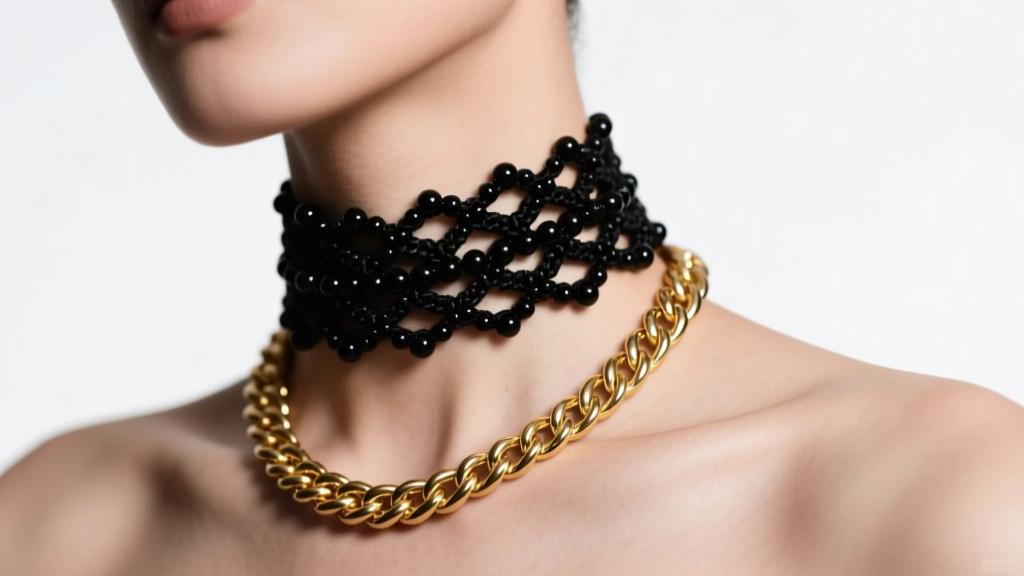
Layering a crochet bead choker (14-16 inches) with heavy metal chains is a massive trend for 2026. Pair a dark, oxidized silver or black seed bead crochet choker with a 4mm 14k yellow gold Cuban link chain (18 inches) and a simple gold pendant (22 inches). The juxtaposition of the soft, flexible beadwork against rigid, high-polish gold creates a sophisticated, curated stack. Ensure the metal chains are at least 2mm thick; anything thinner will tangle in the microscopic loops of the crochet thread.
High-Neck and Turtleneck Solutions
When wearing high collars, skip standard pendants that get lost in the fabric folds. Opt for a multi-strand micro-torsade (twisted bead ropes) in a bright, contrasting colorway like cobalt or marigold. The sheer volume and thickness of a torsade sit proudly on top of heavy knits without losing its shape.
Archival Care and Maintenance
While C-Lon nylon is incredibly durable, a crochet bead necklace is still a textile hybrid and requires specific care protocols to maintain its structural integrity and color vibrancy. Historical textile conservation methods, similar to those used by The Metropolitan Museum of Art for Victorian beadwork, apply here.
- Never Submerge: Do not wash bead crochet in water. Water can become trapped inside the tubular rope, leading to mildew or rusting of the internal metal armature (if a wire core was used for structural shaping).
- Chemical Avoidance: Alcohol-based perfumes and hairsprays will degrade the outer coating of dyed glass beads and cause nylon threads to become brittle over time. Always apply fragrance and let it dry before putting on your necklace.
- Surface Cleaning: To remove sebum and skin oils from the thread interstices, use a clean, dry, soft-bristled makeup brush to gently sweep the surface of the beadwork. Follow up with a dry microfiber cloth.
- Storage: Store the necklace coiled in a loose figure-eight pattern in a breathable cotton pouch. Avoid hanging it for long periods, as the weight of the beads can stretch the nylon thread over time, causing the internal stitches to gap and expose the core thread.
The crochet bead necklace in 2026 is more than a fleeting trend; it is a celebration of slow fashion and wearable art. By understanding the materials, respecting the craftsmanship, and styling it with intentional contrast, you can elevate this historic technique into a cornerstone of your modern jewelry wardrobe.


