How to Choose and Style a Cross Crown Necklace: A Beginner Guide
Discover how to choose, style, and layer a cross crown necklace. Our beginner guide covers materials, chain pairings, and neckline matching.

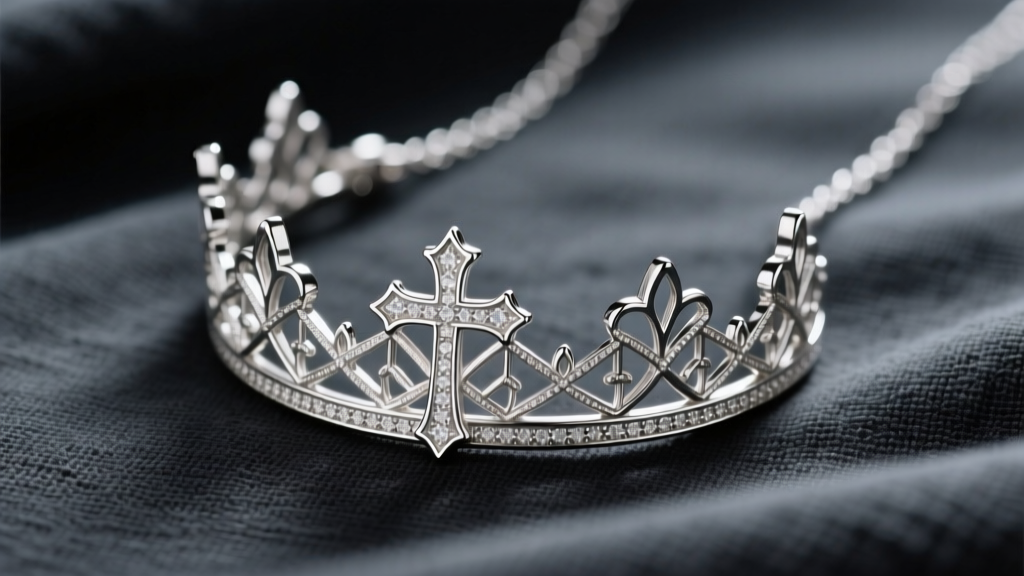
The cross crown necklace is more than just a piece of jewelry; it is a powerful intersection of symbolism, heritage, and modern streetwear aesthetics. Combining the foundational geometry of the cross with the sovereign authority of the crown, this pendant style has evolved from traditional religious iconography into a staple of contemporary fashion. Whether you are drawn to its spiritual significance or its bold visual weight, navigating the market as a beginner can be overwhelming. From deciphering metal stamps to understanding chain link mechanics, this comprehensive guide will teach you exactly how to choose, style, and maintain a cross crown necklace that fits your personal aesthetic and budget.
The Anatomy of the Motif: Decoding the Symbolism
Before making a purchase, it helps to understand the design variations you will encounter. The cross crown motif typically manifests in three distinct structural layouts:
- The Crowned Cross: The crown sits directly atop the vertical axis of the cross. This is the most traditional layout, often associated with the concept of divine royalty or the 'King of Kings' motif in Christian theology.
- The Intersecting Crown: The crown wraps around the horizontal and vertical beams, weaving through the cross. This design is highly popular in gothic and streetwear jewelry, offering a 3D, sculptural aesthetic that catches light from multiple angles.
- The Crown of Thorns Variant: Instead of a royal jeweled crown, a woven thorn motif wraps the cross. This is a heavier, more somber design that appeals to those looking for edgy, alternative, or deeply penitent religious expressions.
Decoding Materials: What to Buy and What to Avoid
The longevity, weight, and skin-compatibility of your necklace depend entirely on its metallurgy. Many beginners make the mistake of buying 'fashion jewelry' that oxidizes within weeks. According to the Gemological Institute of America (GIA), understanding metal purity is the first step in making a smart jewelry investment.
| Material | Grade / Stamp | Pros | Cons | Price Range |
|---|---|---|---|---|
| Sterling Silver | 925 | Excellent for intricate filigree; classic luster. | Requires polishing; soft and prone to scratching. | $45 - $180 |
| Stainless Steel | 316L Surgical | Tarnish-free; highly durable; sweat-resistant. | Cannot be easily resized or soldered if broken. | $20 - $75 |
| Solid Gold | 14k / 18k | Heirloom quality; hypoallergenic; retains value. | High cost; 18k is soft and can warp under stress. | $350 - $2,000+ |
| Zinc Alloy | "Tibetan Silver" | Extremely cheap; heavy feel. | Contains nickel/lead; turns skin green; toxic. | $5 - $15 |
Expert Tip: If you want the look of silver without the maintenance of 925 sterling, opt for 316L stainless steel with a rhodium flash plating. It provides a brilliant, mirror-like finish that will not oxidize, even if you wear it in the shower.
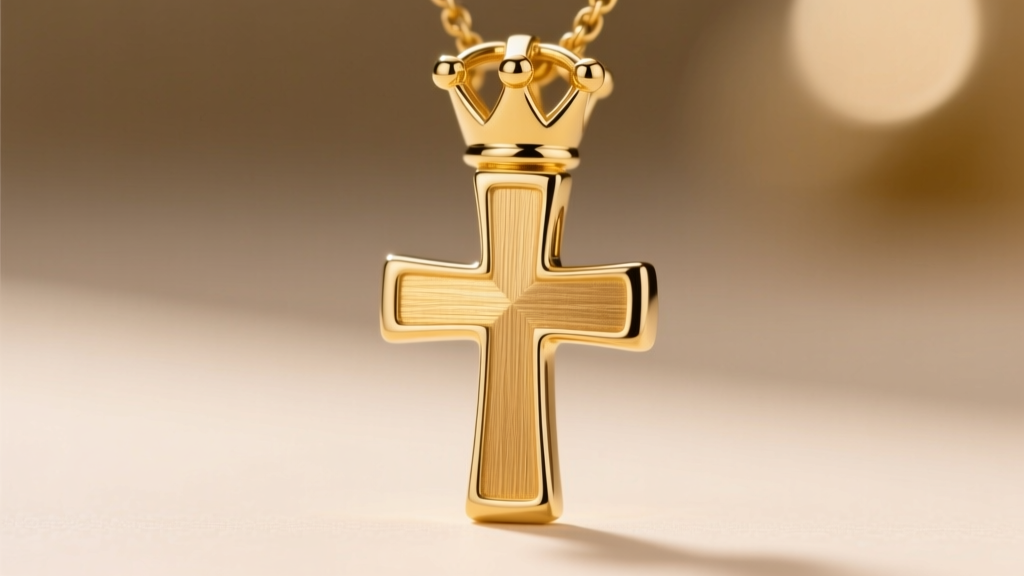
Chain Pairings: Matching the Right Link to the Pendant
A common beginner mistake is pairing a heavy, ornate cross crown pendant with a weak, delicate chain. The pendant's weight and the bail size (the loop that connects the pendant to the chain) dictate your chain choice.
1. The Cuban Link Chain
Best for heavy, oversized streetwear pendants (30g+). The flat, interlocking links of a Cuban chain distribute weight evenly and prevent the pendant from flipping upside down. Aim for a width between 4mm and 6mm.
2. The Rope Chain
Best for medium-weight, highly detailed pendants. The twisted links of a rope chain reflect light beautifully, complementing the intricate facets of a crown motif. A 3mm rope chain is the sweet spot for versatility.
3. The Box Chain
Best for lightweight, minimalist cross crown designs (under 10g). Box chains are sleek and modern but have a critical flaw: once they kink or bend, the structural integrity is compromised, and they cannot be easily repaired.
Sizing and Proportions: Finding Your Perfect Drop
The visual impact of a cross crown necklace changes drastically depending on where it rests on your chest. Here is a practical framework for selecting chain length based on your neckline and body type:
- 18 Inches (Collarbone): Ideal for smaller, delicate pendants. Works best with V-neck shirts or unbuttoned collars. Not recommended for large, heavy crowns as they will sit too high and feel restrictive.
- 20 to 22 Inches (Upper Chest): The universal standard for men's and women's pendant jewelry. This length allows a medium-sized cross crown to rest just below the collarbone, making it visible over crewneck t-shirts and hoodies.
- 24 to 28 Inches (Sternum): Reserved for oversized, heavy streetwear pieces. This length creates a bold, layered look and is typically worn over outerwear or longline tees.
"When buying a pendant online, always check the bail dimensions. A thick 5mm Cuban chain requires a bail with an inner diameter of at least 6mm to slide on smoothly without scraping the metal."
Styling and Layering Techniques
Layering a cross crown necklace requires an understanding of visual hierarchy. Because the crown and cross motif is inherently busy and detailed, it should act as the 'anchor' piece in your stack.

The 2-Inch Rule for Layering
To prevent your chains from tangling and to ensure each piece is visible, maintain a minimum 2-inch difference between chain lengths. For example, pair a 22-inch cross crown necklace with a 20-inch plain herringbone chain or a simple 18-inch bead chain. Keep the secondary chains minimalist—avoid layering a cross crown with another highly detailed pendant, as the competing motifs will look cluttered and diminish the impact of the crown.
Common Failure Modes and How to Spot Them
Not all jewelry is constructed equally. When inspecting a cross crown necklace, look out for these specific manufacturing flaws that lead to premature breakage:
- The Open Bail: If the bail (the loop at the top) has a visible seam or gap where the metal was simply bent into shape rather than soldered shut, it will eventually pull open under the weight of the pendant. Always look for laser-welded or cast-solid bails.
- Glued Gemstones: Many budget-friendly crowns feature cubic zirconia (CZ) or faux rubies. If the stones are held in by adhesive rather than metal prongs, they will fall out upon contact with water, sweat, or ultrasonic cleaners.
- Hollow-Back Casting: To save on gold costs, some manufacturers hollow out the back of the pendant. While this makes the piece lighter, it makes the thin metal highly susceptible to denting if bumped against a hard surface.
Maintenance and Preventing Tarnish
Proper care ensures your piece retains its detail and luster. The Jewelers of America recommends regular, gentle cleaning over harsh chemical dips. For 925 sterling silver, use a specialized microfiber polishing cloth to remove oxidation from the high-polish edges, while using a soft-bristled toothbrush with mild dish soap to clean the crevices around the crown's jewels. Never use silver dip solutions on oxidized or 'blackened' silver, as it will strip the intentional dark patina that gives the cross crown its 3D depth and vintage character. Store your necklace flat or hung vertically to prevent chain kinks and protect the delicate points of the crown from scratching other jewelry in your collection.


