The Cross of Jerusalem Necklace: Budget & Value Guide
Discover how to assess the true value of a cross of Jerusalem necklace. We break down materials, pricing tiers, and craftsmanship for smart buyers.

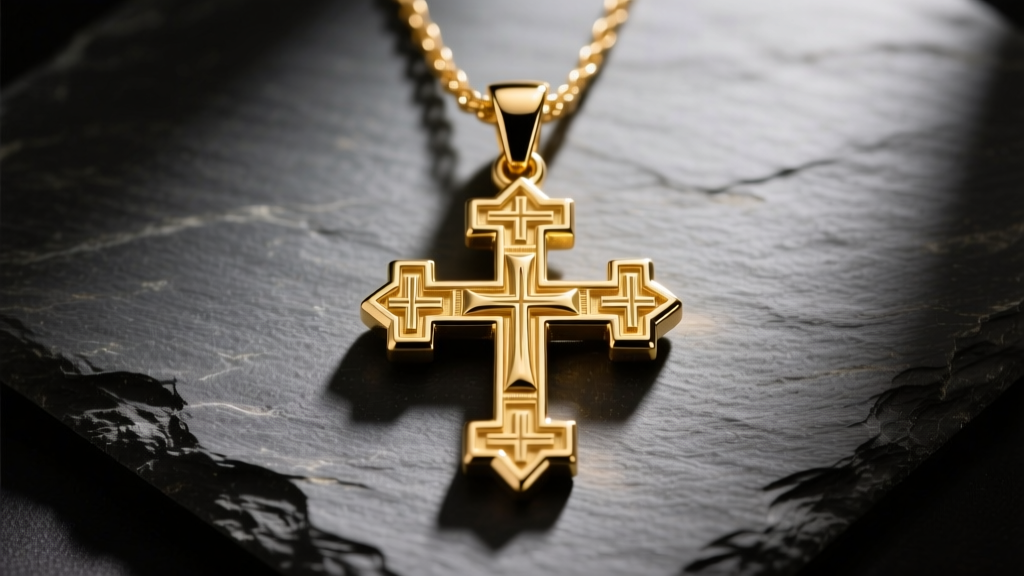
The Anatomy and Historical Weight
When evaluating a cross of Jerusalem necklace, buyers are not just purchasing a piece of metallic ornamentation; they are acquiring a symbol steeped in centuries of complex history. Also known as the Crusader's Cross, the design is highly specific: it features one large central cross potent (a cross with T-shaped arms at the ends) surrounded by four smaller Greek crosses (crosses with arms of equal length). According to historical archives maintained by institutions like the Metropolitan Museum of Art, this motif became heavily associated with the Latin Kingdom of Jerusalem in the 11th century. The five crosses are widely interpreted to represent the five wounds of Christ, or alternatively, Christ and the four evangelists.
Because of this profound historical and religious significance, the market for these necklaces is vast, ranging from cheap, mass-produced tourist trinkets to high-end, artisan-fabricated heirloom pieces. Assessing the true budget and value of a Jerusalem cross pendant requires looking past the aesthetic and deeply analyzing the metallurgy, the manufacturing technique, and the origin of the craftsmanship. In 2026, with precious metal markets experiencing significant volatility, understanding exactly what you are paying for is more critical than ever.
Material Tiers and True Market Value
The single largest factor dictating the price of your necklace is the base material. However, the jewelry market is rife with misleading terminology. Here is a forensic breakdown of the material tiers you will encounter.
The Budget Tier: Base Metals and Flash Plating
Pendants priced between $15 and $45 are almost exclusively crafted from base metals like brass, zinc alloy, or stainless steel, and then subjected to 'flash plating'—a process that deposits a microscopic layer of gold or silver (usually less than 0.5 microns thick). While these pieces offer the visual aesthetic of a Jerusalem cross, they possess zero intrinsic metal value. The plating will inevitably wear off within months of daily wear, exposing the base metal which can cause skin discoloration or allergic reactions due to nickel content. From a value assessment standpoint, this tier is purely a fast-fashion expense, not an investment.
The Mid-Range Sweet Spot: Sterling Silver and Vermeil
The $60 to $200 range is where value-conscious buyers should focus. Solid 925 sterling silver offers excellent longevity, provided it is stamped with the '925' hallmark. For those desiring a gold appearance without the solid gold price tag, gold vermeil is the superior choice. However, you must verify the specifications. According to the Federal Trade Commission Jewelry Guides, for a piece to be legally marketed as vermeil in the United States, it must have a sterling silver base and be plated with gold that is at least 10 karat fineness and a minimum of 2.5 microns thick. Anything less is merely 'gold-plated' and will degrade much faster. A high-quality 18k vermeil Jerusalem cross with a 3-micron thickness offers exceptional value, often lasting a decade or more with proper care.
The Investment Tier: Solid 14k and 18k Gold
Solid gold pieces start around $450 and can easily exceed $1,500 depending on the gram weight. A genuine 14k (585) or 18k (750) gold Jerusalem cross holds intrinsic melt value tied to the global commodities market. When assessing value here, you must calculate the 'scrap value' versus the 'retail premium.' A well-crafted, hand-finished 18k gold pendant will carry a retail premium of 100% to 300% over its raw gold weight, which is justified by the artisan labor, casting costs, and brand reputation.
Pricing Matrix: Value Assessment Chart
Use this matrix to benchmark the fairness of a retailer's pricing based on current market standards for a standard-sized pendant (approximately 25mm x 20mm).
| Tier | Material Composition | Avg. Weight | Expected Price Range | Longevity & Tarnish Risk |
|---|---|---|---|---|
| Budget | Brass/Zinc with Flash Plating | 5 - 8 grams | $15 - $45 | Low (High tarnish/skin reaction risk) |
| Mid-Range | Solid 925 Sterling Silver | 6 - 12 grams | $60 - $140 | High (Can be polished indefinitely) |
| Premium | Heavy Gold Vermeil (3+ microns) | 7 - 12 grams | $110 - $220 | Medium-High (Depends on wear friction) |
| Investment | Solid 14k Gold (585) | 8 - 15 grams | $450 - $850 | Lifetime (Heirloom quality) |
| Luxury | Solid 18k Gold (750) | 10 - 18 grams | $800 - $1,600+ | Lifetime (Superior color retention) |

The 'Made in Jerusalem' Premium: Authenticity vs. Mass Production
A critical variable in the value assessment of this specific necklace style is its geographic origin. The Old City of Jerusalem, particularly the Armenian Quarter, is globally renowned for its historic silversmithing and ceramic traditions. A cross of Jerusalem necklace hand-fabricated or cast by local artisans in the Old City carries a distinct provenance.
Retailers selling authentic, locally sourced pieces typically apply a 20% to 40% 'authenticity premium' over identical-looking pieces manufactured in overseas mass-production facilities. Is this premium justified? From a purely metallurgical standpoint, no; silver is silver regardless of where it is cast. However, from a historical, emotional, and artisan-support perspective, the premium is highly relevant to the target demographic. If provenance matters to you, demand a certificate of origin or purchase directly from established, reputable galleries within the Old City or their verified international distributors. Be highly skeptical of 'Jerusalem-style' pendants sold on massive e-commerce marketplaces for under $30, as these are definitively not authentic local crafts.
Chain Pairing and Hardware Integrity
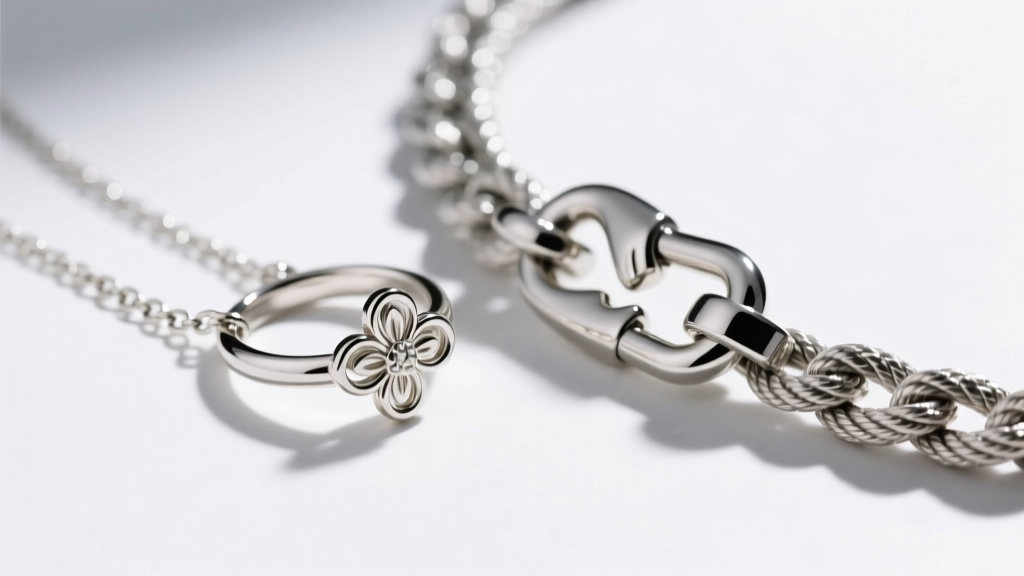
A common failure point in value assessment is ignoring the chain. A heavy, solid 15-gram sterling silver or gold Jerusalem cross pendant exerts significant kinetic stress on its chain. Many mid-tier retailers cut costs by pairing heavy pendants with flimsy, 1mm-thick cable chains equipped with weak spring-ring clasps. This is a structural liability waiting to fail.
When budgeting for your necklace, allocate at least 30% of your total spend toward a high-quality chain. For pendants weighing over 10 grams, you must insist on a chain with a minimum thickness of 2.0mm to 2.5mm. Box chains, wheat chains, and rope chains offer superior tensile strength compared to standard cable chains. Furthermore, verify the clasp hardware: a sturdy lobster clasp is mandatory for heavy pendants. If a retailer is selling a heavy solid gold cross on a 1mm chain with a spring-ring clasp, they have severely compromised the structural integrity to inflate their profit margins.
Final Assessment Framework for Buyers
To ensure you extract maximum value from your purchase, apply this three-point checklist before finalizing your transaction:
- Verify the Hallmarks and Microns: Look for the '925', '14k', or '18k' stamps. If buying vermeil, explicitly ask the seller for the micron thickness of the gold plating. If they cannot answer, walk away.
- Evaluate the Casting Quality: Inspect the crevices where the four smaller Greek crosses meet the central cross potent. High-value pieces will feature deep, sharp relief and meticulous polishing (or intentional, high-quality oxidation) in the recessed areas. Cheap castings will look rounded, muddy, and lack distinct edges.
- Match the Chain to the Mass: Ensure the chain's gauge and clasp are rated to support at least double the physical weight of the pendant to prevent catastrophic snapping during daily wear.
By prioritizing metallurgical transparency, structural hardware, and authentic craftsmanship over superficial flash, you can secure a cross of Jerusalem necklace that serves as both a meaningful historical emblem and a sound financial acquisition.


