Crystal Cage Necklace Buying Guide: What to Look For
Discover how to choose the perfect crystal cage necklace. Our expert buying guide covers metal grades, stone durability, cage construction, and pricing.

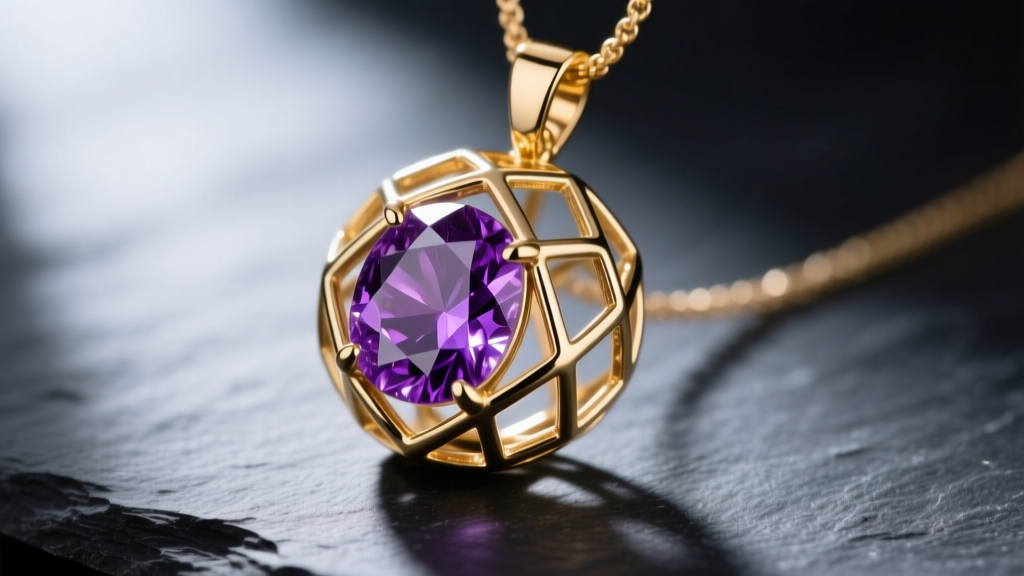
The crystal cage necklace has evolved from a niche metaphysical accessory into a mainstream jewelry staple. By 2026, the demand for ethically sourced raw minerals encased in precision metalwork has pushed designers to innovate far beyond simple wire-wrapping. However, the market is flooded with mass-produced, low-quality pieces that suffer from metal tarnishing, stone rattling, and structural failure. Whether you are looking for a delicate geode slice or a heavy raw quartz point, understanding the mechanics of cage construction and material grades is essential. This comprehensive buying guide breaks down exactly what to look for when investing in a crystal cage necklace.
Understanding Crystal Cage Construction Methods
The 'cage' is the structural framework that holds the stone. The method used to create this cage dictates the necklace's durability, price, and aesthetic. There are three primary construction methods you will encounter:
1. Traditional Wire-Wrapping
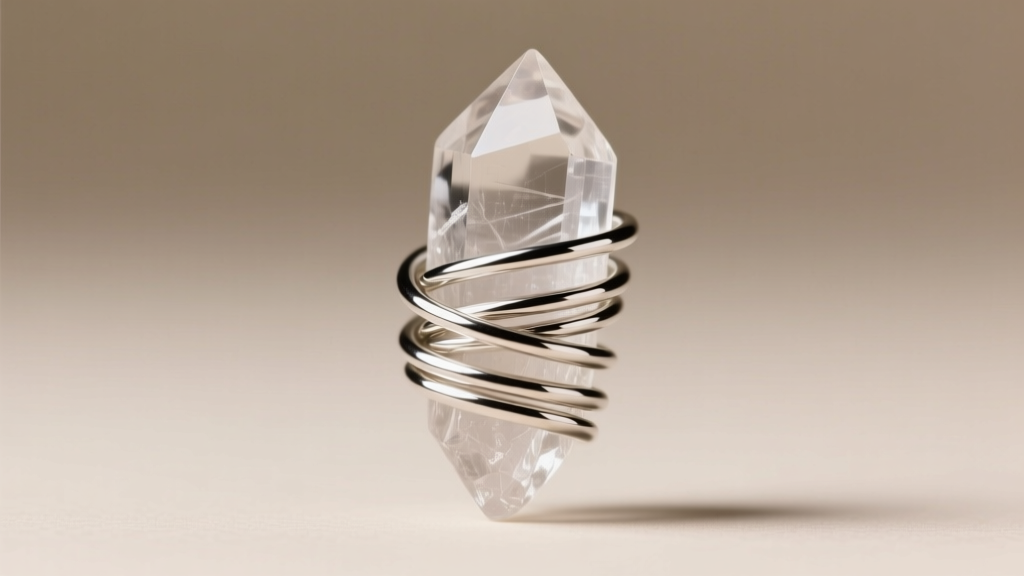
Artisan wire-wrapping relies on the tension and weaving of metal wire to secure the stone without soldering. Look for wire-wrapped cages made with 20-gauge or 18-gauge wire for the structural frame. Thinner wires (24-gauge or 26-gauge) are strictly decorative and prone to 'memory loss'—meaning they will bend out of shape if snagged on clothing, eventually releasing the stone. A high-quality wire-wrapped cage will have tucked wire ends (no sharp prongs to scratch your skin) and a reinforced bail loop.
2. Cast and Soldered Cages
For geometric or highly structured designs (like hexagonal brass cages or precious metal prong settings), casting and soldering are required. Soldered joints are significantly stronger than wire tension. When inspecting a soldered cage, check the 'prongs' or bezel edges that grip the crystal. They should be smoothly filed and apply even pressure. If the stone rattles when you gently shake the pendant, the casting tolerances are too loose, and the stone will eventually chip against the metal interior.
3. Tension and Spring-Loaded Mechanisms
A newer trend in fine jewelry involves spring-loaded precious metal cages designed to hold interchangeable tumbled stones. These require precise calibration. Ensure the internal tension springs are made of a fatigue-resistant alloy like beryllium copper or spring-tempered sterling silver, otherwise, the mechanism will fail within a year of daily wear.
Choosing the Right Metal for Your Cage
The metal housing your crystal must withstand constant contact with skin oils, sweat, and environmental humidity. Here is a breakdown of the most common metals used in crystal cage pendants and their real-world performance.
| Metal Type | Durability & Tarnish Resistance | Best For | Price Tier |
|---|---|---|---|
| 925 Sterling Silver | Moderate. Will tarnish (oxidize) over time, especially against raw sulfur-bearing stones like pyrite. | Raw quartz, amethyst, and neutral stones. | Mid to High |
| 14k Gold-Filled | Excellent. Contains 5% solid gold by weight. Highly tarnish-resistant and hypoallergenic. | Everyday wear, high-sweat environments. | Mid |
| Solid Brass / Bronze | Low. Will develop a patina and can turn skin green due to copper oxidation unless heavily lacquered. | Vintage aesthetics, occasional wear. | Budget |
| Titanium (Grade 23) | Superior. Completely inert, hypoallergenic, and will not react with any mineral or skin chemistry. | Sensitive skin, reactive stones (e.g., moldavite). | High |
Expert Tip: If you are buying a sterling silver cage for a raw stone, ensure the silver is rhodium-plated. Raw stones have microscopic porous surfaces that can trap sulfur and accelerate silver tarnishing from the inside out.
Selecting the Crystal: Durability and the Mohs Scale
Not all crystals are suited for cage necklaces. Because cage pendants often lack the protective bezels of traditional gemstone jewelry, the exposed crystal is vulnerable to impact and environmental degradation. According to the Gemological Institute of America (GIA), understanding the Mohs Hardness Scale is critical for predicting how your stone will survive daily wear.
High-Durability Stones (Mohs 7 and Above)
Stones like Clear Quartz, Amethyst, Citrine, and Agate are excellent choices for exposed cage necklaces. They resist scratching from airborne dust (which contains quartz particles) and can handle accidental bumps against desks or doorframes.
Fragile and Reactive Stones (Mohs 6 and Below)
Many popular metaphysical stones are highly problematic for cage settings. Selenite (Mohs 2) will dissolve and degrade if exposed to sweat or rain. Moldavite (Mohs 5.5) is notoriously brittle; a cage with tight, rigid prongs can actually crack the stone if the metal expands or contracts in extreme temperatures. Malachite (Mohs 3.5-4) is sensitive to acids and will lose its polished finish if it comes into contact with acidic skin pH or perfumes. For these stones, look for 'fully encapsulated' cages that act as a protective exoskeleton rather than simple prong settings.
For precise mineral properties and cleavage planes, always consult the Mindat mineral database before purchasing rare or expensive raw specimens.
Chain Pairing and Bail Mechanics
The bail (the loop connecting the cage to the chain) is the most common point of mechanical failure. A heavy raw crystal cage pendant requires a bail with a large internal diameter and a thick wire gauge.
- The Jump Ring Bail: Common in wire-wrapped pieces. Ensure the jump ring is 'closed and soldered' rather than just pinched shut. A pinched jump ring will eventually pull apart under the pendulum weight of a heavy crystal.
- The Tube Bail: Ideal for cast metal cages. A 5mm to 8mm sterling silver or gold-filled tube bail provides excellent structural support and allows the pendant to lay flat against the sternum.
- Chain Selection: Avoid delicate chains (under 1.5mm) for heavy raw stones. A 2mm to 3mm rolo, box, or wheat chain provides the necessary tensile strength to support a 15-30 gram crystal cage without stretching the links.
Pricing Tiers and Red Flags
When shopping for a crystal cage necklace, price is a strong indicator of material integrity and artisan labor. Here is what you should expect to pay in the current market:
Budget Tier ($15 - $45)
Typically features mass-produced, hollow-cast brass or zinc-alloy cages with synthetic or dyed glass stones. The chains in this tier are usually thin, unsoldered cable chains that will snap within weeks. Red Flag: If the metal is described as 'Tibetan Silver' or 'Alloy' without a specific breakdown, it is likely a cheap pot metal that will cause contact dermatitis.
Mid-Tier Artisan ($50 - $150)
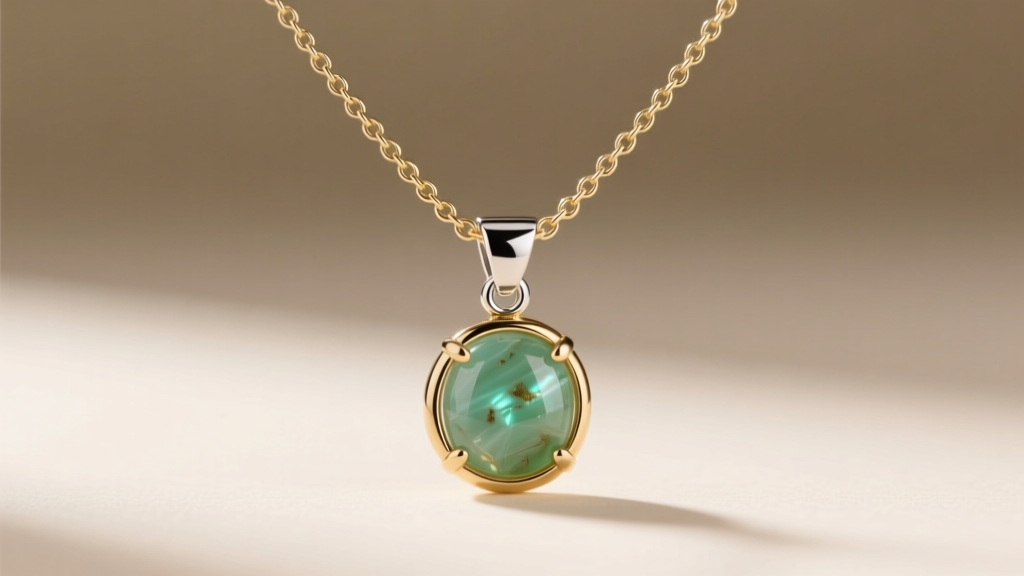
This is the sweet spot for genuine wire-wrapping and small-batch casting. You will find genuine 925 sterling silver, 14k gold-filled components, and authentic, ethically sourced raw minerals. The wire work will be tight, and the stones will be securely seated without excessive glue.
Fine Jewelry Tier ($200 - $600+)
Features solid 14k/18k gold or platinum cages, often with micro-pave diamond accents on the metalwork. The crystals are usually high-grade, museum-quality specimens (like gem-grade tourmaline or rare beryl) that are custom-fitted to the cage via precision CAD casting.
Maintenance and Care for Caged Crystals
Cleaning a crystal cage necklace requires balancing the needs of the metal with the chemical sensitivity of the stone. Never use ultrasonic cleaners or harsh silver dips on a caged pendant. The chemicals can become trapped between the metal cage and the porous raw stone, leading to irreversible staining or internal fracturing.
The Golden Rule of Cage Maintenance: Clean the metal framework with a dry, untreated microfiber polishing cloth. If the stone needs cleansing, use a soft, dry makeup brush to gently sweep dust out of the crevices where the metal meets the mineral. Avoid water entirely unless you are 100% certain the stone is non-porous and the metal is solid gold.
By prioritizing structural integrity, appropriate metal grades, and Mohs-scale awareness, you can invest in a crystal cage necklace that is not only visually striking but engineered to last a lifetime. Whether you choose a minimalist gold-filled hexagon holding a raw diamond or an intricately wire-wrapped silver cradle for a smoky quartz point, buying with intention ensures your piece remains a staple in your collection for years to come.


