Necklace Curb Chain Trends 2026: Sizing & Styling Guide
Discover 2026 necklace curb chain trends. Expert guide on link geometry, width gauges, mixed-metal layering, and hardware upgrades.


The Renaissance of the Necklace Curb Chain in 2026
Once relegated exclusively to streetwear and hip-hop culture, the necklace curb chain has undergone a radical metamorphosis. As we navigate the jewelry landscape of 2026, the curb link has firmly established itself as a cornerstone of high-jewelry and minimalist haute couture alike. According to trend forecasts from Vogue, the modern consumer is moving away from hyper-delicate, barely-there chains, opting instead for structural, architectural pieces that command attention while remaining remarkably versatile. The contemporary necklace curb chain is no longer just a heavy statement piece; it is a masterclass in geometric precision, available in micro-gauges and mixed-metal finishes that blur the lines between masculine and feminine styling.
However, the market is currently flooded with varying qualities of curb links, from mass-produced hollow alloys to artisan-crafted solid gold. Understanding the nuances of link tension, faceting, and hardware is critical for making an informed investment. This guide breaks down the exact specifications, material grades, and styling frameworks you need to master the curb chain trend this year.
Anatomy of the Modern Curb: Link Geometry and Faceting
The defining characteristic of any necklace curb chain is its interlocking, flattened links. But not all curbs are created equal. The geometry of the link dictates how the chain drapes, how it catches the light, and ultimately, how it wears over time.
- Tight vs. Loose Links: A tight-link curb (where the gap between interlocking links is less than 0.5mm) offers a fluid, fabric-like drape that lays perfectly flat against the clavicle. Loose-link curbs have a more rigid, industrial aesthetic but are prone to catching on fine knits and hair.
- Diamond-Cut Faceting: In 2026, diamond-cut curbs dominate the luxury sector. This technique involves precision-milling the edges of the metal links to create angled facets that reflect light similarly to a gemstone. A 4mm diamond-cut 14k gold curb will appear significantly more brilliant than a standard flat-polished 6mm chain.
- Puffed vs. Flat Curbs: Puffed curbs offer a three-dimensional, lightweight profile, often used in statement pieces (10mm+). Flat curbs are denser, heavier, and offer a sleeker, more modern silhouette.
The Clasp Conundrum: Upgrading Your Hardware
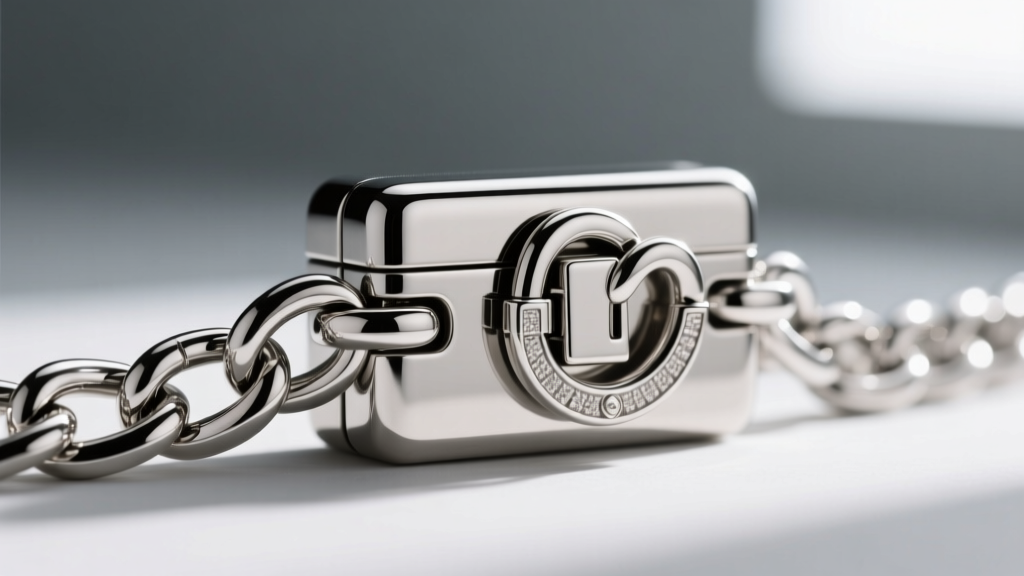
A necklace curb chain is only as secure as its weakest point: the clasp. Standard spring-ring clasps are entirely inadequate for chains weighing over 15 grams. For standard 3mm to 5mm curbs, a reinforced lobster clasp with a dual-spring mechanism is the minimum acceptable standard. For statement curbs (8mm and above), you must demand a box clasp with a secondary safety figure-eight. The Jewelers Mutual insurance data frequently cites clasp failure as the primary cause of lost luxury jewelry, making hardware upgrades a non-negotiable aspect of chain acquisition.
2026 Material Matrix: What to Buy and What to Avoid
When selecting a necklace curb chain, the metallurgy dictates both the price point and the longevity of the piece. The Gemological Institute of America (GIA) emphasizes the importance of understanding alloy compositions, especially as mixed-metal jewelry surges in popularity.
| Material Grade | Average Price (18" 4mm) | Durability & Tarnish | 2026 Trend Status |
|---|---|---|---|
| 14k Yellow Gold (Solid) | $650 - $950 | Excellent; highly resistant to tarnish and bending. | The undisputed standard for heirloom-quality daily wear. |
| 925 Sterling Silver (Rhodium-Plated) | $120 - $250 | Good; rhodium prevents tarnish but will wear off in 1-2 years. | Peaking in popularity for mixed-metal layering stacks. |
| 18k White Gold | $1,400 - $2,200 | Superior; requires occasional re-rhodium plating for stark white finish. | Niche; favored in high-end, diamond-pavé curb hybrids. |
| Gold Vermeil over Brass Core | $40 - $80 | Poor; prone to rapid wear-through and skin discoloration. | Declining; consumers are shifting to solid metals or PVD titanium. |
The Hollow vs. Solid Link Debate
One of the most critical E-E-A-T factors in chain purchasing is distinguishing between hollow and solid links. Many mass-market jewelers sell 8mm to 12mm necklace curb chains that are surprisingly lightweight. These are hollow electroformed chains. While they offer a massive visual footprint for a fraction of the gold weight (and price), they are structural nightmares. A hollow curb link will dent irreparably if dropped on a hard surface or subjected to moderate pulling force. In 2026, informed buyers are strictly adhering to solid-link constructions, even if it means dropping down to a 3mm width to afford the density and permanence of solid 14k gold.
Styling Framework: Proportional Layering with Curb Chains
The days of wearing a single, isolated chain are fading. The 2026 styling ethos revolves around "textural stacking"—pairing the rigid, geometric lines of a curb chain with organic, fluid chains like rope, cable, or serpentine links. To avoid the dreaded "tangled nest" effect, layering requires strict adherence to proportional spacing.
The Rule of Thirds for Neckline Pairing
When building a three-chain stack featuring a necklace curb chain, utilize the Rule of Thirds for length and width differentiation:
- The Anchor (16 inches): A 1.5mm to 2mm micro-curb or delicate cable chain sitting tightly at the base of the throat. This provides a refined baseline.
- The Protagonist (18 to 20 inches): Your primary necklace curb chain, ideally between 4mm and 6mm. This is the visual weight of the stack, resting on the upper sternum.
- The Pendant Bearer (24 inches): A longer, medium-weight chain (perhaps a 3mm box or rope chain) carrying a solitary gemstone or geometric pendant, drawing the eye downward and elongating the torso.
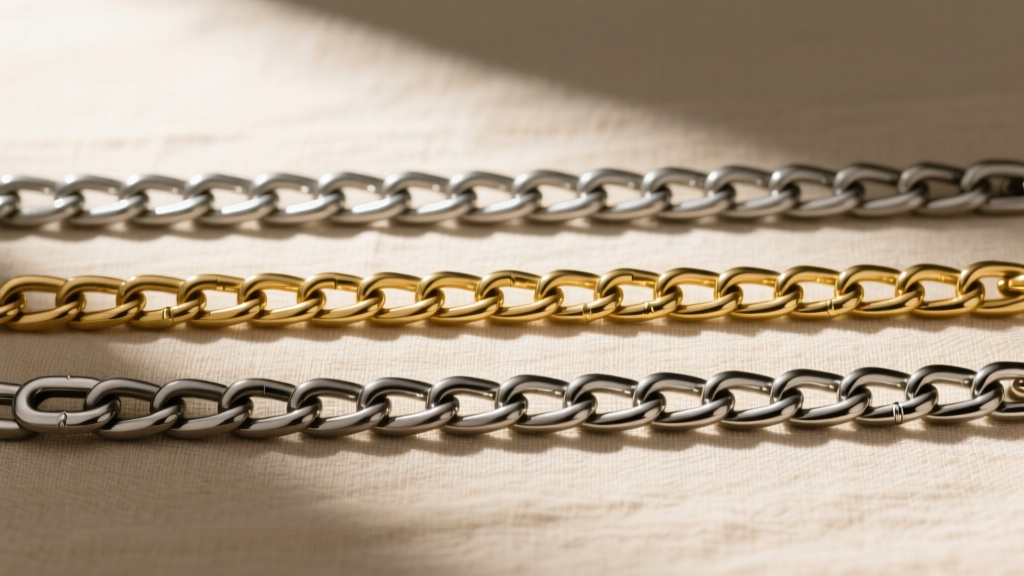
Mixing metals is no longer a fashion faux pas; it is a requirement for modern depth. Pairing a rhodium-plated silver micro-curb with a warm 14k yellow gold standard curb creates a striking, intentional contrast that reads as highly curated rather than accidental.
Care and Maintenance for High-Polish Curbs
The flattened surface area of a curb chain makes it a magnet for micro-scratches, which can eventually dull its high-polish finish. Furthermore, the tight interlocking gaps trap sebum, lotions, and environmental dust. To maintain the optical brilliance of a diamond-cut necklace curb chain, avoid ultrasonic cleaners if your chain features any tension-set stones or hollow links, as the high-frequency vibrations can compromise structural integrity. Instead, utilize a specialized jewelry cleaning cloth infused with micro-abrasives once a month, and soak the chain in a mild, phosphate-free dish soap solution with a soft-bristled baby toothbrush to dislodge debris from the link joints.
Final Verdict: Investment vs. Fast Fashion
The necklace curb chain has proven its enduring relevance, transitioning from a subcultural signifier to a universal jewelry staple. In 2026, the smartest investments are found in the mid-weight category (4mm to 6mm) crafted from solid 14k gold or heavily rhodium-plated sterling silver. By prioritizing tight link geometry, diamond-cut faceting, and robust box clasps over hollow, oversized fast-fashion alternatives, you secure a piece that not only anchors your current wardrobe but possesses the structural integrity to be passed down as a genuine heirloom.


