Daisy Diamond Necklace Value Guide: Are They Worth It?
Discover the true value of a daisy diamond necklace. We break down melee diamond costs, metal choices, and brand markups to help you buy smart.

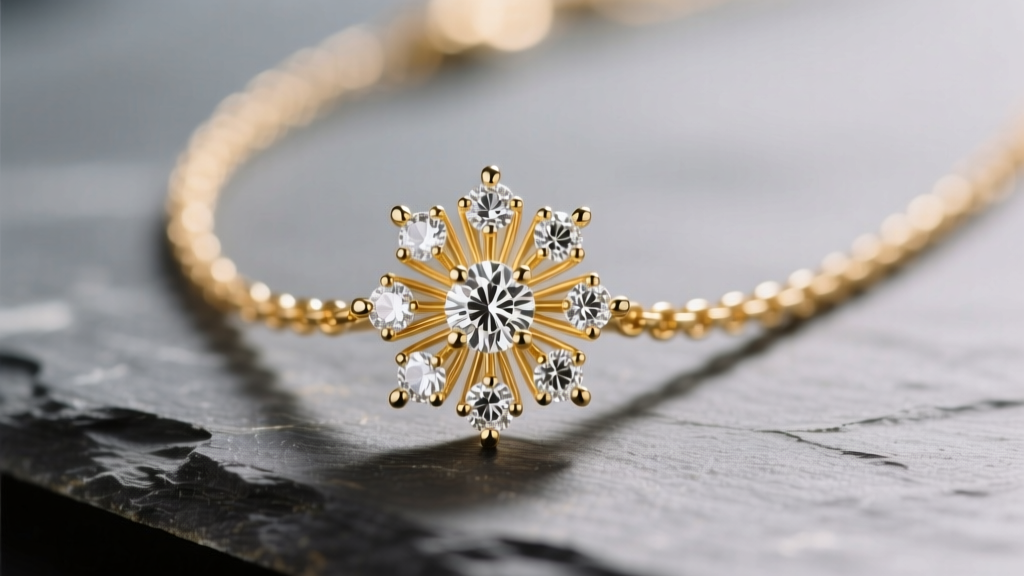
The daisy motif has remained a staple in fine jewelry for decades, symbolizing innocence, purity, and new beginnings. However, when you introduce diamonds into this delicate floral design, the pricing can become incredibly opaque. As a buyer in 2026, navigating the market for a daisy diamond necklace requires looking past the romantic aesthetic and examining the raw materials, craftsmanship, and brand markups that dictate the final price tag.
Whether you are eyeing a piece from a luxury fashion house or a custom design from an independent bench jeweler, understanding the true cost breakdown is essential. This comprehensive value assessment will help you determine if the necklace you are considering is a fair deal, an overpriced fashion accessory, or a genuine heirloom-quality investment.
The Anatomy of a Daisy Diamond Pendant
To assess value, you must first understand what you are actually paying for. A standard daisy pendant typically features a central element—either a solid metal dome, a colored gemstone, or a larger center diamond—surrounded by six to twelve 'petals.' In diamond-centric designs, these petals are usually crafted using melee diamonds (small diamonds weighing less than 0.15 carats each) or feature a pavé setting where multiple tiny stones cover the metal surface.
The total carat weight (TCW) of a typical daisy diamond pendant ranges from 0.15 to 0.40 carats. Because the diamonds are so small, they are rarely accompanied by individual grading reports from laboratories like the GIA or AGS. Instead, they are sorted and sold in parcels based on general color and clarity ranges. This lack of individual certification is where unscrupulous retailers often inflate prices, charging premium rates for low-grade melee stones.
2026 Market Pricing: Natural vs. Lab-Grown Melee
The most significant shift in the jewelry market over the last few years is the precipitous drop in lab-grown diamond prices. By 2026, lab-grown melee diamonds have become exceptionally affordable at the wholesale level, drastically altering the value proposition of floral diamond jewelry.
| Material Composition | Estimated TCW | Average Retail Price (2026) | Value Retention |
|---|---|---|---|
| 10k Gold + Lab-Grown Melee | 0.20 ct | $250 - $400 | Poor (Fashion tier) |
| 14k Gold + Lab-Grown Melee | 0.25 ct | $450 - $650 | Fair (Everyday wear) |
| 14k Gold + Natural Melee | 0.25 ct | $800 - $1,200 | Good (Heirloom tier) |
| 18k Gold + Natural Melee | 0.35 ct | $1,500 - $2,500+ | Excellent (Luxury tier) |
If a retailer is charging over $1,000 for a 14k gold daisy pendant featuring lab-grown melee diamonds, you are paying a massive brand premium rather than intrinsic material value. According to the Gemological Institute of America (GIA), melee diamonds are primarily used to accent jewelry, and their resale value is minimal compared to center stones. Therefore, buying lab-grown melee is the smartest budget move, provided the price reflects the current market reality.
Metal Purity and Setting Durability
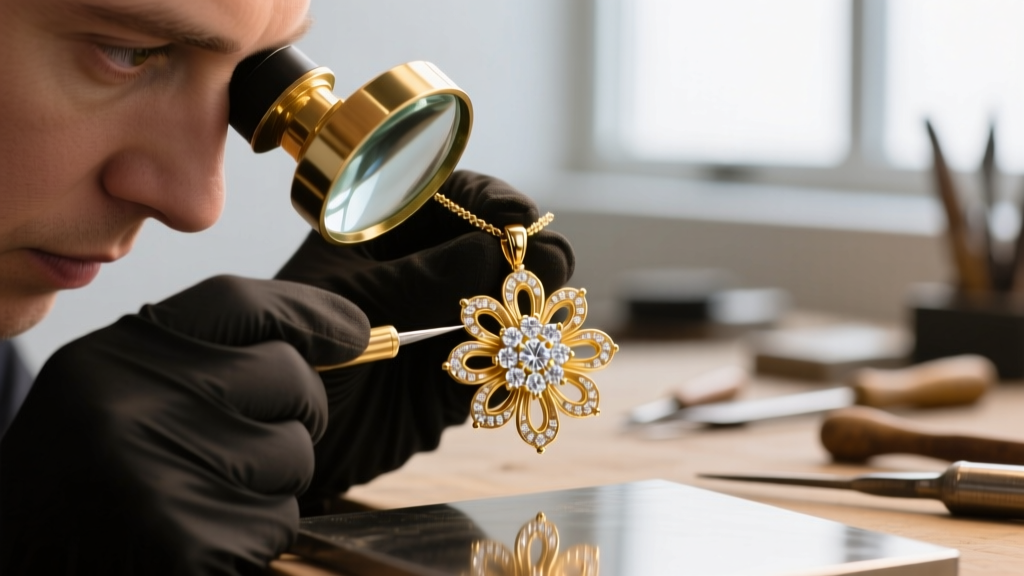
The metal chosen for the setting plays a critical role in both the longevity and the value of your necklace. While 18k gold offers a richer, warmer yellow hue and higher intrinsic gold value, it is a softer metal. For a daisy design featuring dozens of tiny prongs holding 1mm to 2mm diamonds, 14k gold is vastly superior. The higher alloy content in 14k gold provides the necessary tensile strength to keep those microscopic prongs from bending or snapping during daily wear.
Beware of gold vermeil or gold-plated silver daisy necklaces. While they may look identical in a display case, the thin layer of gold (often just 2.5 microns) will eventually wear away, exposing the sterling silver beneath. Silver is highly prone to tarnishing and lacks the structural integrity to hold small diamonds securely over time. If you want a piece that holds its value and withstands daily friction, solid 14k gold is the non-negotiable baseline.
Prong vs. Bezel Settings: A Cost and Security Analysis
The way the diamonds are set into the daisy petals heavily influences the manufacturing cost and the security of the stones.
- Shared Prong Settings: This is the most common setting for daisy pendants. Adjacent diamonds share a single metal prong, minimizing the metal visible and maximizing light return. It is less labor-intensive than bezel setting, keeping the retail price lower. However, if one prong catches on a sweater and lifts, you risk losing two stones instead of one.
- Micro-Bezel Settings: Each diamond is completely encircled by a thin rim of metal. This requires significantly more bench time and precise craftsmanship, driving up the initial cost by 20% to 30%. However, it offers unparalleled security for the melee diamonds and creates a sleek, modern aesthetic that resists snagging.
When assessing a high-priced daisy diamond necklace, look closely at the setting. If you are paying luxury prices ($2,000+), you should expect flawless micro-bezel work or exceptionally crafted, uniform shared prongs with no visible tool marks or uneven metal distribution.
Chain Quality: The Hidden Value Killer
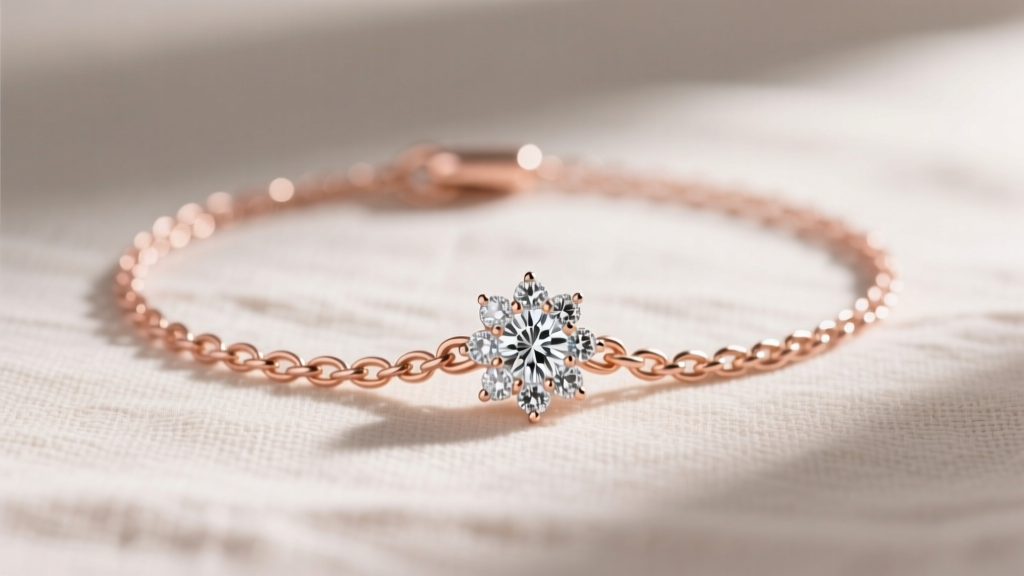
A common trap in the jewelry industry is pairing a well-crafted, expensive pendant with a flimsy, mass-produced chain to keep the overall retail price competitive. A $1,200 daisy diamond pendant hanging on a hollow, 0.8mm box chain is a structural failure waiting to happen.
When evaluating the total package, check the chain's specifications:
- Width and Weight: The chain should be at least 1.0mm to 1.2mm thick to support the weight of a solid gold and diamond pendant without stretching.
- Clasp Hardware: Avoid tiny spring-ring clasps. They are difficult to operate and prone to internal spring failure. A high-value necklace should feature a sturdy lobster clasp or a secure magnetic locking clasp with a safety figure-eight catch.
- Soldering Points: Inspect the jump rings connecting the chain to the clasp and the pendant. They should be cleanly soldered shut, not just pushed together, to prevent accidental loss.
For more information on proper metal hallmarks and chain manufacturing standards, refer to the consumer guidelines provided by Jewelers of America.
Brand Markup vs. Independent Bench Jewelers
Where you buy your daisy diamond necklace dictates how much of your budget goes toward actual materials versus marketing overhead. Large fashion jewelry brands and mall retailers often mark up their diamond floral pendants by 300% to 500%. You are paying for the logo on the box, the prime retail real estate, and the influencer campaigns.
Conversely, working with an independent bench jeweler or a reputable online custom caster allows you to allocate your budget directly to better materials. For the price of a mass-produced 10k gold and lab-grown necklace from a mall brand, an independent jeweler can cast a custom daisy pendant in solid 14k gold using high-color (F-G) natural melee diamonds with a fully soldered, heavy cable chain.
Final Verdict: Is It a Good Investment?
If you define 'investment' strictly in financial terms—expecting the piece to appreciate or even retain its exact purchase price upon resale—a daisy diamond necklace is a poor financial vehicle. The secondary market for small melee diamonds is virtually non-existent, and you will only recoup a fraction of the gold's melt value.
However, if you define value through the lens of cost-per-wear, emotional resonance, and material longevity, a well-constructed daisy diamond necklace is an excellent purchase. To maximize your budget in 2026, prioritize a sturdy 14k gold setting, opt for high-quality lab-grown melee diamonds to keep the price under $600, and ensure the chain hardware is robust enough to keep your sentimental piece safe for decades of daily wear.


