Danity Gold Necklace Buying Guide: Karats, Chains & Care
Discover what to look for when buying a danity gold necklace. Compare 14k vs 18k, chain styles, clasp types, and 2026 pricing in our expert guide.

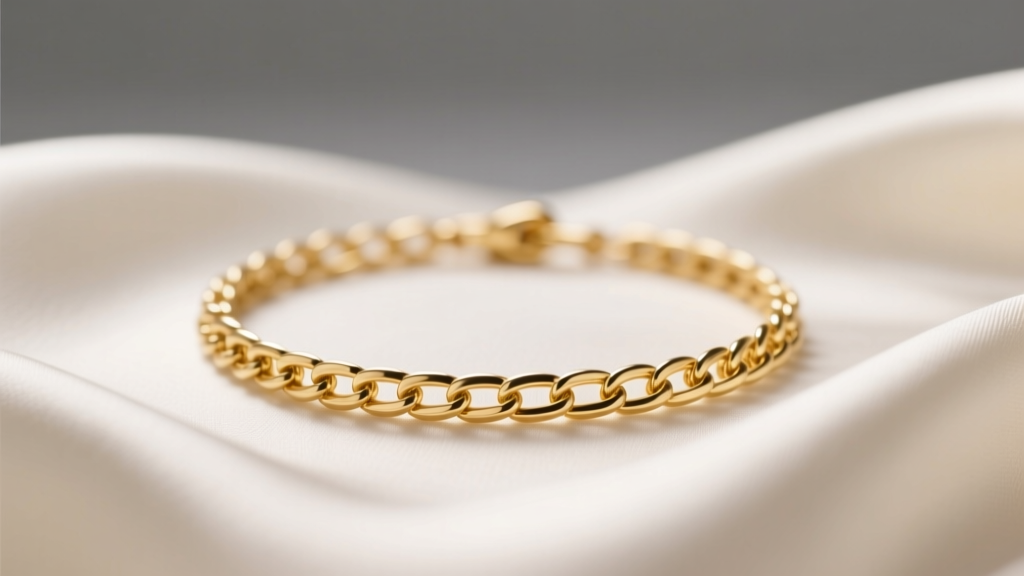
The Anatomy of the Danity Gold Necklace Trend
When navigating the 2026 fine jewelry market, you will frequently encounter the highly searched term danity gold necklace. While often a phonetic search evolution of "dainty," this specific keyword has come to represent a distinct category of ultra-minimalist, sub-millimeter gold chains favored for layering and everyday wear. These necklaces are defined by their delicate footprint, typically ranging from 0.5mm to 1.2mm in width and weighing between 1.2 and 3.5 grams.
The appeal is undeniable: a danity gold necklace offers a subtle, skin-like shimmer that pairs effortlessly with both casual and formal necklines. However, the extreme reduction in metal volume introduces significant structural vulnerabilities. Buying a chain this thin requires a deep understanding of metallurgy, link architecture, and hardware mechanics to ensure your investment survives daily wear without snapping.
Metallurgy and Karat Selection for Ultra-Thin Chains
The most critical decision when purchasing a delicate chain is the gold purity. Pure gold (24k) is far too malleable for jewelry, which is why it is alloyed with metals like copper, silver, and zinc. According to the Gemological Institute of America (GIA), the karat system dictates the ratio of pure gold to these strengthening alloys. For a danity gold necklace, tensile strength is just as important as color.
| Karat / Type | Gold Content | Durability (Tensile Strength) | 2026 Price Range (16-inch) | Verdict for Thin Chains |
|---|---|---|---|---|
| 10k Solid Gold | 41.7% | Excellent (High copper/zinc) | $60 - $110 | Most durable, but lacks rich yellow hue. |
| 14k Solid Gold | 58.3% | Very Good (Optimal alloy balance) | $90 - $220 | The Sweet Spot. Best blend of strength and color. |
| 18k Solid Gold | 75.0% | Poor (High gold content = soft) | $180 - $400+ | Prone to stretching and snapping at sub-1mm widths. |
| Gold Vermeil | N/A (Sterling base) | Moderate (Base is strong, plating wears) | $40 - $85 | Good for budget, but requires replating over time. |
For chains under 1.0mm, 18k gold is generally discouraged. The high pure-gold content lowers the yield strength, meaning a simple snag on a sweater can permanently stretch or break the links. 14k gold remains the undisputed industry standard for delicate chains, providing the necessary structural integrity while maintaining a warm, luxurious tone.
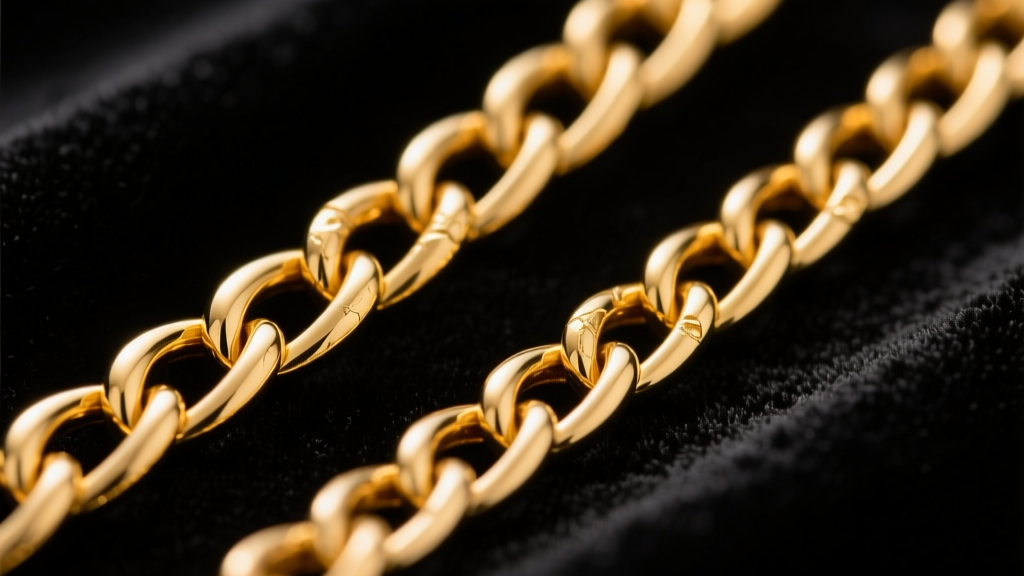
Chain Link Profiles: What Survives Daily Wear?
Not all chain links are created equal. The geometry of the link dictates how the chain handles tension, torsion, and compression. When shopping for a danity gold necklace, the link profile will determine its lifespan.
Box Chains (The Strength Standard)
Box chains are constructed from square, interlocking links that create a smooth, continuous surface. At ultra-thin gauges (0.8mm to 1.0mm), box chains offer superior structural integrity. The squared edges distribute tension evenly across the link, making them highly resistant to stretching. They are the safest choice for holding small, lightweight pendants.
Cable Chains (The Classic Minimalist)
Cable chains feature uniform round or oval links. A 0.9mm cable chain is a staple for minimalist layering. While slightly more prone to catching on fine hair or knit fabrics than a box chain, a well-soldered 14k cable chain offers excellent flexibility and a classic, timeless aesthetic.
Profiles to Avoid: Snake and Herringbone
Expert Warning: Never purchase a snake or herringbone chain in a sub-1.2mm width. These flat, tightly woven chains lack structural memory. Once a snake chain kinks or a herringbone chain bends, the internal metal structure is permanently compromised, leading to inevitable breakage.
Clasp Mechanics and Sizing Standards
The clasp is the most common point of failure on any delicate necklace. A danity gold necklace requires hardware that is proportionate to the chain's weight but robust enough to secure it.
- Lobster Clasps: The superior choice for thin chains. The internal spring mechanism is enclosed, protecting it from dust and debris. Look for a lobster clasp with a reinforced swivel joint to prevent the chain from twisting.
- Spring Ring Clasps: Often found on budget-friendly or vintage pieces. These are circular and rely on a tiny, exposed spring. They are difficult to operate with one hand and more prone to mechanical failure than lobster clasps.
- Jump Rings: The small ring connecting the clasp to the chain must be soldered shut or made of a thick enough gauge wire (at least 0.25mm) to prevent it from pulling open under tension.
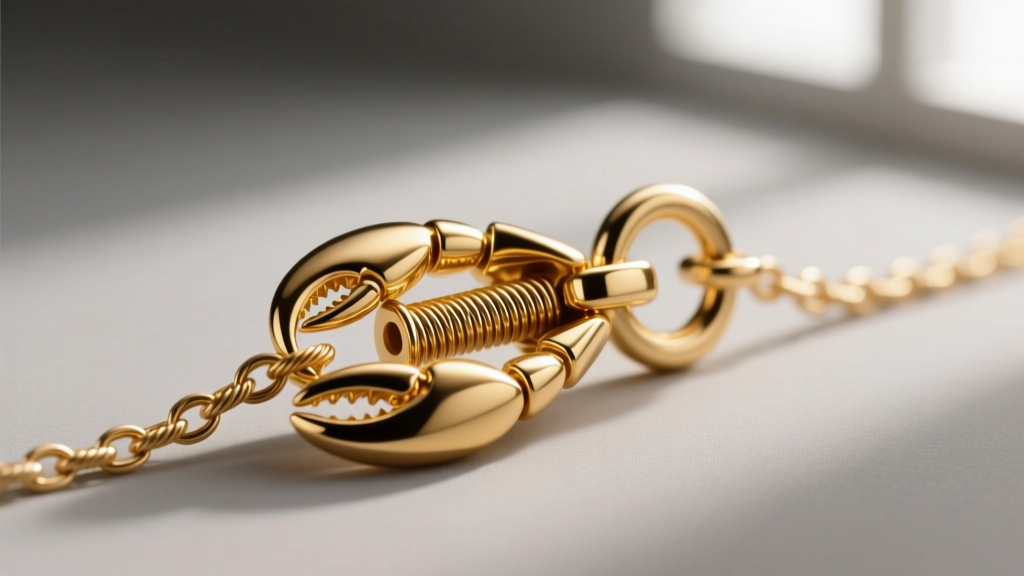
Regarding length, the 2026 industry standard for a versatile danity gold necklace is a 16-inch base chain with a 2-inch extender. This allows the wearer to adjust the drop from a collarbone-skimming 16 inches to a slightly lower 18 inches, which is essential for achieving the perfect staggered effect when layering multiple chains.
2026 Pricing Tiers and Red Flags
Understanding market pricing protects you from deceptive marketing tactics. The Federal Trade Commission (FTC) maintains strict guidelines on how gold content must be disclosed, but the terminology can still be confusing for consumers.
- Solid 14k Gold ($90 - $220): The price fluctuates based on the exact gram weight and the brand's markup. This is a lifetime piece that can be easily repaired by a jeweler if it breaks.
- Gold Vermeil ($40 - $85): Vermeil requires a heavy layer of gold (minimum 2.5 microns) over a sterling silver base. It is a legitimate, high-quality alternative to solid gold, provided you accept that it may need replating after a few years of heavy wear.
- Gold Plated / Flash Plated ($15 - $35): Red Flag. These chains feature a microscopic layer of gold over brass or copper. They will tarnish, turn your skin green, and cannot be easily repaired. Avoid these for delicate chains, as the base metals are often brittle.
- Hollow Chains: Some manufacturers create thicker-looking chains by making the links hollow to save on gold weight. Avoid hollow chains entirely; they crush easily under minor pressure and are virtually impossible to solder back together.
Care, Maintenance, and Tangle Prevention
A chain measuring less than a millimeter in width requires specific care protocols. The primary enemy of a danity gold necklace is tangling. When multiple thin chains are stored together in a jewelry box, they will inevitably knot. Pulling at these knots weakens the individual links.
To prevent this, always store your delicate chains either hanging from a multi-hook jewelry stand or laid completely flat in a lined drawer. If you must pack them for travel, thread the chain through a plastic drinking straw and clasp it; this keeps the chain rigid and entirely tangle-free.
For cleaning, the Jewelers of America recommends a simple, non-abrasive approach. Mix a few drops of mild, phosphate-free dish soap into a bowl of lukewarm water. Let the necklace soak for 15 minutes to break down body oils and lotion residue. Gently agitate the chain using a baby toothbrush (which has ultra-soft bristles that won't scratch the gold alloy). Rinse thoroughly under distilled water and pat dry with a microfiber cloth. Avoid ultrasonic cleaners for ultra-thin chains, as the high-frequency vibrations can shake loose delicate solder joints or damage small gemstone settings attached to the chain.
By prioritizing 14k solid gold, selecting a structurally sound box or cable link, and insisting on a high-quality lobster clasp, your danity gold necklace will remain a resilient, beautiful staple in your jewelry rotation for decades.


