What Does Dark Blue on a Mood Necklace Mean? 2026 Trend Analysis
Discover what dark blue on a mood necklace means, the science of thermochromic crystals, and how Y2K nostalgia drives 2026 jewelry trends.

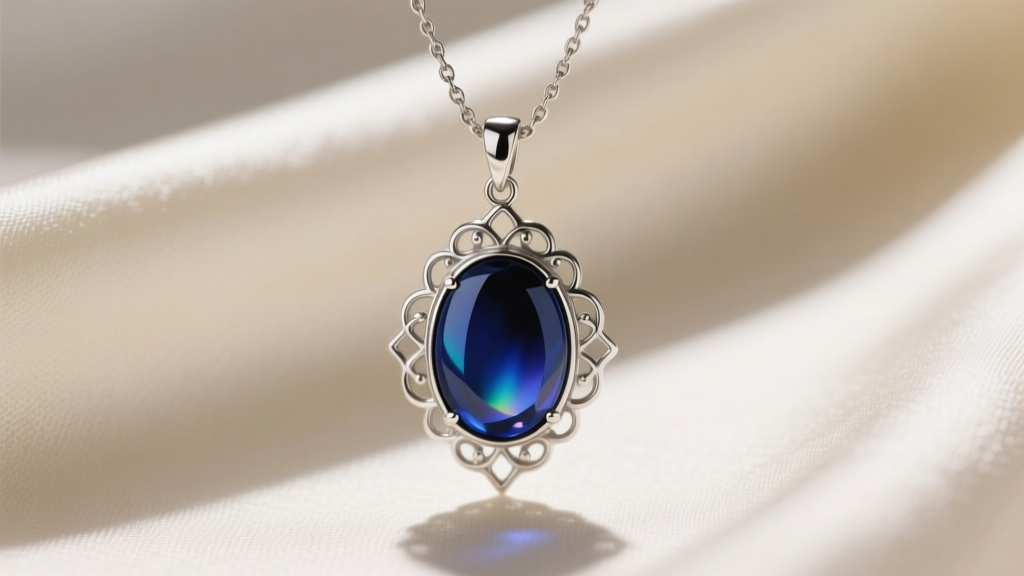
If you have recently found yourself asking, what does dark blue on a mood necklace mean, you are not alone. As the Y2K aesthetic continues its massive resurgence in 2026, mood jewelry has transitioned from a nostalgic novelty into a highly sought-after fashion staple. But beyond the aesthetic appeal of a shifting, oceanic hue, there is a fascinating intersection of chemistry, biology, and style at play. In this comprehensive guide, we will decode the dark blue hue, explore the thermochromic science powering your pendant, and analyze how mood necklaces are being reimagined for the modern jewelry market.
The Short Answer: Decoding the Dark Blue Hue
When your mood necklace turns a deep, dark blue, it is traditionally interpreted as a sign that the wearer is feeling calm, relaxed, and at peace. However, from a purely scientific standpoint, the necklace is not reading your mind or your emotions; it is reading your peripheral skin temperature.
A dark blue color typically manifests when the surface temperature of your skin rests between 82°F and 86°F (28°C to 30°C). This temperature range indicates that your blood vessels are neither constricted (which happens when you are stressed or cold) nor fully dilated (which happens when you are flushed or overheated). Therefore, the "relaxed" association is biologically accurate: a calm, resting state maintains a steady, comfortable peripheral skin temperature, resulting in that beautiful dark blue shade.
The Science of the Shift: Thermochromic Liquid Crystals
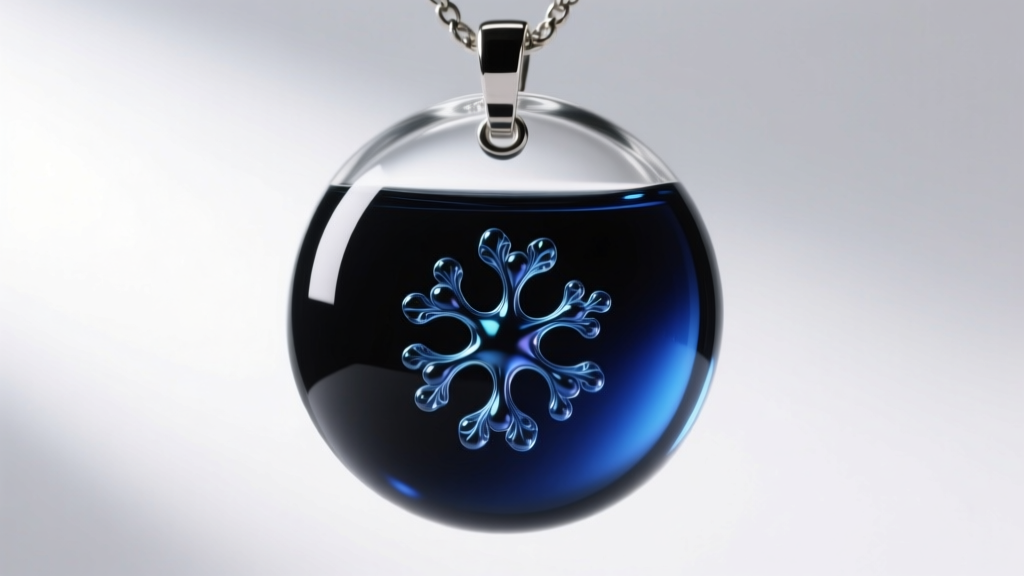
To truly understand your jewelry, you have to look at the chemistry. Modern mood pendants do not use the exact same volatile compounds as the original 1975 mood rings invented by Josh Reynolds and Maris Ambats. Today's pieces utilize advanced thermochromic liquid crystals (TLCs) or specialized leuco dyes encased within a hollow quartz or borosilicate glass capsule.
How Leuco Dyes and TLCs Work
According to the American Chemical Society, thermochromic materials change color in response to temperature variations due to shifts in their molecular structure. In leuco dyes, a temperature change alters the pH balance of the surrounding micro-environment, causing the dye molecule to shift between a colored and a colorless state. In liquid crystals, the molecules physically twist to reflect different wavelengths of light as they heat up or cool down.
When the pendant rests against your sternum, it absorbs your body heat. If your autonomic nervous system triggers a stress response, it causes vasoconstriction—blood is pulled away from the skin's surface toward your core. The pendant cools, the crystals twist, and the color shifts from dark blue to gray or black. Conversely, if you are warm and your blood vessels dilate, the color shifts toward bright blue or violet.
Mood Necklace Color Chart: Temperature vs. Emotion
While marketing has assigned emotional states to these colors since the 1970s, the reality is rooted in thermodynamics. Below is a detailed breakdown of how the colors map to both temperature and the traditionally marketed emotions.
| Color Displayed | Approx. Skin Temperature | Marketed Emotion | Biological Reality |
|---|---|---|---|
| Black / Gray | Below 77°F (25°C) | Stressed, Anxious, Cold | Severe vasoconstriction; low peripheral blood flow. |
| Amber / Brown | 77°F - 81°F (25°C - 27°C) | Nervous, Restless | Slightly below average resting skin temperature. |
| Dark Blue | 82°F - 86°F (28°C - 30°C) | Calm, Relaxed, Peaceful | Normal, healthy resting peripheral temperature. |
| Bright Blue / Cyan | 87°F - 90°F (31°C - 32°C) | Happy, Flirty, Energized | Mild vasodilation; increased blood flow to the skin. |
| Violet / Purple | Above 90°F (32°C+) | Passionate, Romantic | High skin temperature; flushing or external heat source. |
Expert Insight: The sternum is a highly reactive area for temperature shifts. Because the skin over the chest is relatively thin and close to major blood vessels, a mood pendant resting here will shift colors much faster and more accurately than a traditional mood ring worn on the extremities.
The 2026 Trend Report: Why Mood Jewelry is Back
As documented by fashion authorities like Vogue, the mid-2020s have seen a massive revival of "Indie Sleaze" and elevated Y2K aesthetics. However, the 2026 iteration of this trend is distinctly different from the cheap plastic novelties of the early 2000s. Today's consumers demand fine jewelry quality combined with nostalgic interactivity.
Elevated Materials and Craftsmanship
In 2026, you will rarely find high-end mood pendants set in base metals. The market has pivoted toward recycled 925 sterling silver and 14k gold vermeil settings. Jewelers are integrating the thermochromic glass capsules alongside lab-grown sapphires, moonstones, and pavé diamond halos. The dark blue shift of the mood stone perfectly complements the cool tones of white gold and silver, making it a favorite among designers creating moody, celestial-themed collections.
The "Mindfulness" Marketing Angle
Brands are no longer marketing these pieces merely as toys; they are positioning them as somatic awareness tools. In an era dominated by digital health trackers and smartwatches, a mood necklace offers an analog, grounding way to check in with your physical state. Noticing your pendant has turned dark blue serves as a visual affirmation of your calm state, while a shift to black can act as a gentle prompt to practice deep breathing and regulate your nervous system.
Styling Your Dark Blue Mood Pendant in 2026
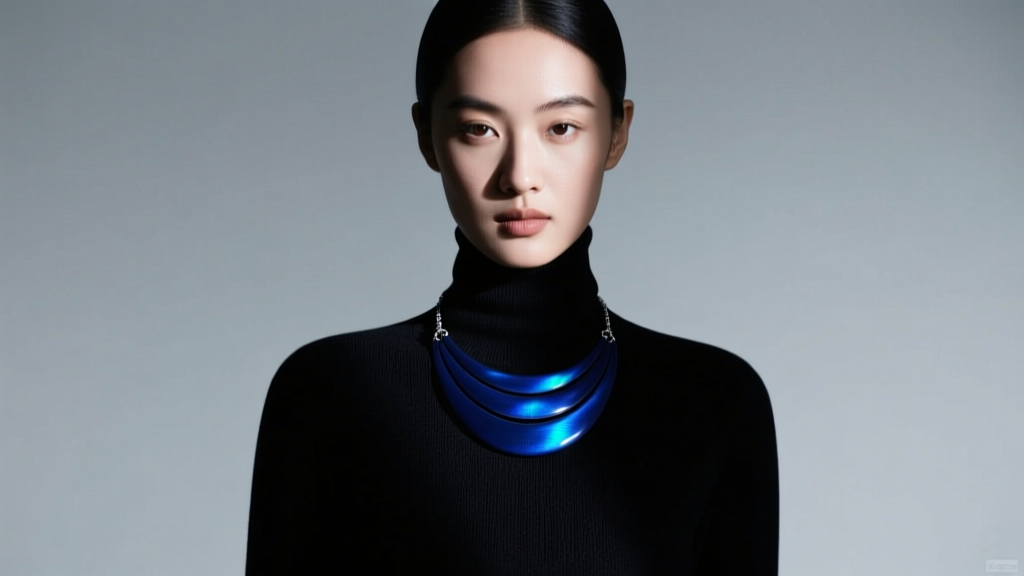
Styling a mood necklace requires balancing its interactive nature with modern silhouette trends. Because the stone needs direct or near-direct contact with the skin to register temperature changes accurately, necklines are everything.
- The Sweetheart Neckline: A dark blue mood pendant resting just above the décolletage on a sweetheart neckline maximizes skin contact while drawing the eye to the center of the chest. This is ideal for date nights or evening wear.
- Layering with Chains: For a casual, everyday look, pair a 16-inch sterling silver mood pendant with a 14-inch textured rope chain and an 18-inch satellite chain. Ensure the mood pendant is the shortest or middle layer so it rests flat against the sternum.
- The Turtleneck Trick: While thick fabrics block temperature transfer, you can still wear mood jewelry over a thin, silk-blend turtleneck. The thermochromic capsule will slowly absorb ambient body heat through the silk, though the color shifts will be more gradual and subtle.
Caring for Thermochromic Jewelry
The most common complaint with mood jewelry is the stone "dying" and getting stuck on one color (usually black or clear). This is rarely a defect; it is usually the result of environmental damage. To protect the leuco dyes and liquid crystals inside your pendant, follow these strict care guidelines:
- Avoid UV Degradation: Prolonged exposure to direct, harsh sunlight can break down the chemical bonds in thermochromic compounds. Store your necklace in a dark jewelry box or a velvet pouch when not in use.
- Keep It Dry: Never wear your mood necklace in the shower, pool, or ocean. If the glass or quartz capsule has even a microscopic fracture, water will seep in, dilute the dye, and permanently ruin the color-shifting mechanism.
- Skip the Chemicals: Apply perfumes, lotions, and hairsprays before putting on your jewelry. The alcohol and aerosols can degrade the outer seal of the pendant casing.
Final Thoughts
So, what does dark blue on a mood necklace mean? It means your body is in a state of thermal equilibrium, reflecting a calm and relaxed physiological baseline. It means the thermochromic crystals inside your pendant are functioning perfectly at a comfortable 82°F to 86°F. More importantly, in the context of 2026 fashion, a dark blue mood pendant represents a brilliant fusion of nostalgic science and modern, mindful style. Whether you are drawn to the chemistry, the history, or simply the mesmerizing oceanic color, the mood necklace remains a timeless, interactive piece of wearable art.


