Sourcing & Styling Your David from Lilo and Stitch Necklace
Learn how to source, style, and care for an authentic David from Lilo and Stitch necklace inspired by traditional Hawaiian shark tooth pendants.

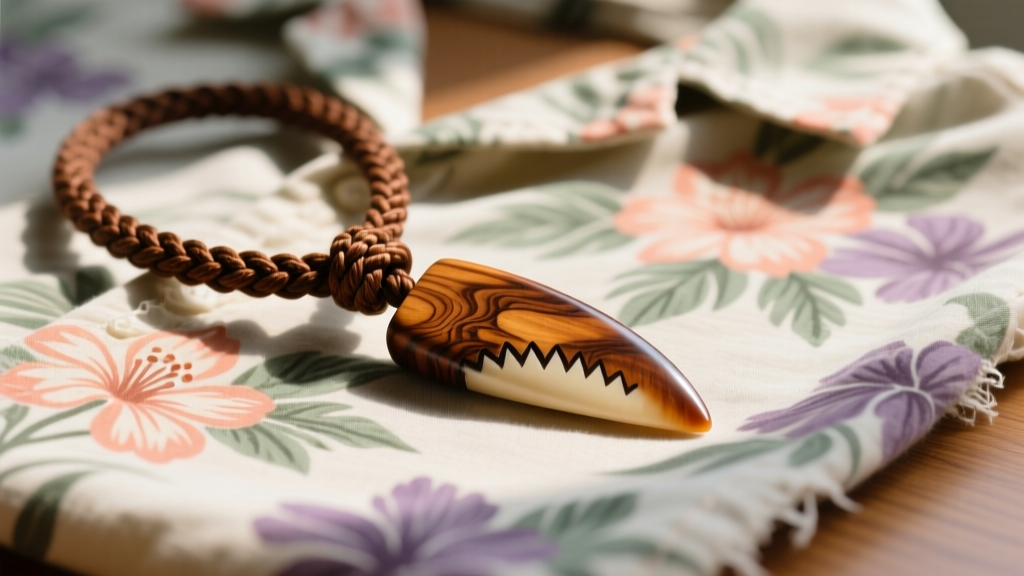
When fans and jewelry enthusiasts search for a david from lilo and stitch necklace, they are typically looking to capture the laid-back, culturally grounded aesthetic of David Kawena. As Nani's supportive boyfriend and a quintessential Hawaiian surfer, David's character design features a distinct, traditional pendant. This piece is not merely a cartoon accessory; it is a representation of the niho mano (shark tooth) or traditional Hawaiian carvings that symbolize protection, strength, and a deep connection to the ocean. Recreating or sourcing this necklace requires an understanding of organic materials, proper cord selection, and respectful styling. In this comprehensive guide, we will walk you through the exact steps to source, assemble, and style your own David Kawena-inspired pendant.
The Cultural Roots of the Niho Mano
Before purchasing or crafting any piece of cultural jewelry, it is vital to understand its origins. According to the Bishop Museum, Hawaii's premier museum of natural and cultural history, shark teeth and carved wooden pendants were historically worn by Hawaiian warriors and surfers to invoke the protection of aumakua (ancestral spirits). When seeking a replica or an inspired piece, the goal should be cultural appreciation rather than cheap caricature. Avoid mass-produced, injection-molded plastic replicas. Instead, focus on ethically sourced organic materials or high-quality metals that honor the craftsmanship of traditional Hawaiian artisans.
Step 1: Selecting Your Pendant Material
The foundation of your necklace is the pendant itself. David's necklace appears to be a carved organic material, likely wood, bone, or a fossilized tooth. Here is a breakdown of the best materials to look for when sourcing your piece, including their specific traits and market pricing.
| Material Grade | Durability & Water Resistance | Average Price Range | Best Use Case |
|---|---|---|---|
| Carved Koa Wood | Moderate; degrades if soaked frequently | $45 - $150 | Most authentic Hawaiian aesthetic; lightweight |
| Fossilized Shark Tooth | High; completely waterproof and dense | $80 - $300+ | Surfers and daily ocean wear |
| Carved Bovine Bone | High; porous but water-resistant when oiled | $25 - $75 | Budget-friendly traditional look |
| 925 Sterling Silver | Very High; requires polishing for tarnish | $60 - $200 | Modern, elevated streetwear styling |
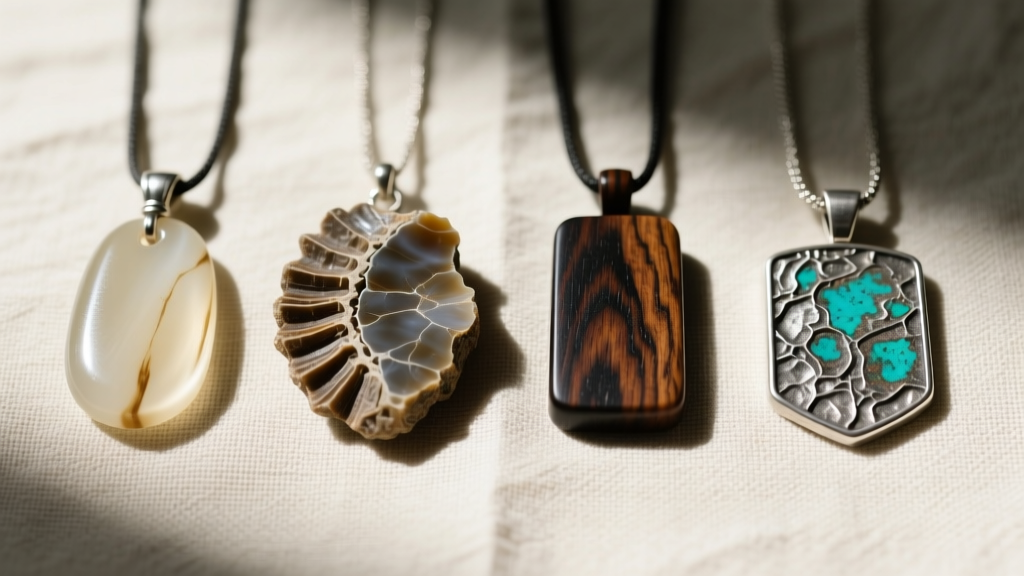
For the most accurate David Kawena look, a dark-stained Koa wood or polished bone carving is your best option. Koa wood is endemic to Hawaii and holds immense cultural value, making it the most respectful and visually accurate choice for this specific character tribute.
Step 2: Choosing and Prepping the Cord
A common mistake in assembling organic pendants is using the wrong cordage. Standard cotton or nylon will fray, rot, or snap when exposed to saltwater and sweat. You must select a cord that matches the rugged, surf-ready nature of the pendant.
- 2.0mm Waxed Cotton Cord: The gold standard for surf jewelry. The wax coating repels water and prevents the fibers from rotting. It is thick enough to support heavy bone or wood pendants without snapping.
- 1.5mm Hemp Cord: Offers a highly authentic, rustic look but degrades much faster when exposed to moisture. Only choose hemp if the necklace will be worn strictly for casual, dry-land events.
- Braided Leather (2.0mm): Durable and stylish, but can become stiff and uncomfortable when repeatedly soaked in ocean water.
Cut your chosen cord to a length of exactly 40 inches. This provides ample slack for tying the adjustable knot while ensuring the necklace can slip over your head when fully expanded.
Step 3: Tying the Adjustable Sliding Knot
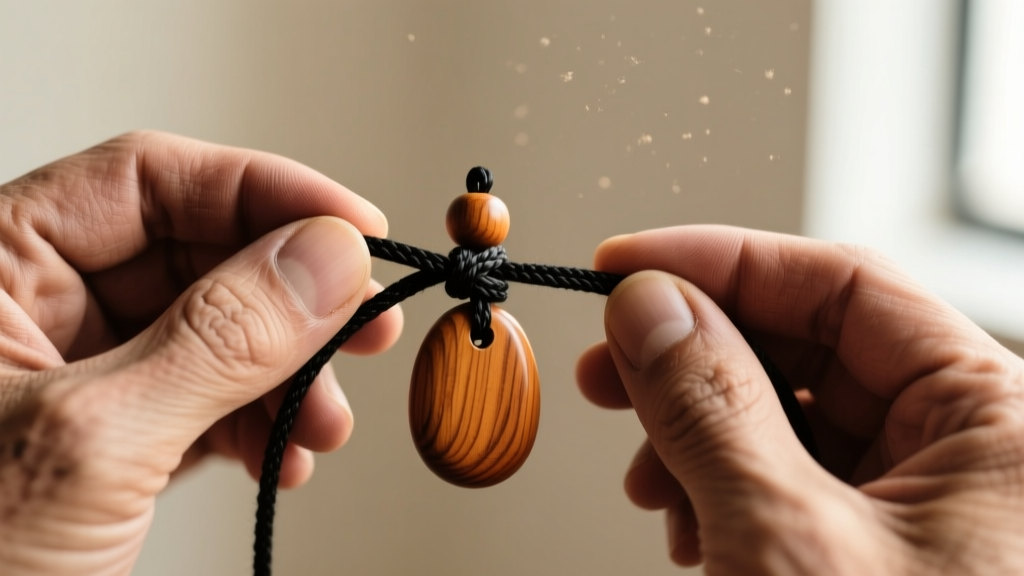
David's necklace sits at a mid-chest length, which is best achieved using an adjustable macrame sliding knot. This allows you to tighten the necklace to a choker length or loosen it to layer over a t-shirt. For a visual and technical breakdown of this knot, Animated Knots provides an excellent step-by-step visual guide. Here is the manual process:
- Overlap the Ends: Lay the two ends of your 40-inch cord parallel to each other, overlapping by about 4 inches.
- Anchor the Wrap: Take a separate, smaller piece of the same waxed cord (about 10 inches long) and place it horizontally across the overlapping parallel cords.
- Wrap Tightly: Begin wrapping the 10-inch piece tightly around the parallel cords. Ensure each wrap sits snugly next to the previous one without overlapping. Do 8 to 10 wraps.
- Secure the Knot: Pass the end of your wrapping cord through the loop created at the very beginning of your wraps. Pull the opposite end tightly to snap the loop through the center, locking the wraps in place.
- Trim and Melt: Trim the excess wrapping cord close to the knot. Because you are using waxed cotton, briefly pass a lighter flame over the trimmed ends to melt the wax and seal them flush against the knot.
Step 4: Styling and Layering Techniques
Styling a tribal or surf-inspired pendant requires balancing its rugged texture with your wardrobe. The David Kawena aesthetic is inherently casual, rooted in Hawaiian surf culture, but it can be adapted for modern streetwear.
Pairing with Necklines
The pendant should ideally rest in the upper-middle chest zone (about 22 to 24 inches down from the nape of the neck). This length perfectly complements Henley shirts and deep V-necks, allowing the pendant to sit flush against the skin without tangling in fabric. Avoid wearing it over stiff, high-collared garments like Oxford button-downs, as the organic pendant will clash with the structured collar and may scratch the fabric.
Occasion-Based Adjustments
Because the sliding knot is fully adjustable, you can alter the necklace's drop length on the fly. For a day at the beach or surfing, tighten the cord to a 16-inch choker length to prevent the pendant from swinging and hitting you in the face or getting caught on a surfboard leash. For casual evening dinners or streetwear outings, drop it to a 24-inch length so it rests over your shirt, acting as a bold, standalone statement piece.
Layering with Metal Chains
If you want to modernize the look, layer the organic pendant with a thin, 18-inch oxidized sterling silver rope chain. The contrast between the dark, matte finish of the wood or bone and the subtle metallic gleam of the silver creates a sophisticated, layered aesthetic that bridges the gap between beachwear and urban streetwear.
Care and Maintenance for Organic Materials
Organic pendants require specific maintenance to prevent cracking and drying. If you have chosen Koa wood or carved bone, you must periodically treat the material. Once every three months, apply a single drop of food-grade mineral oil or specialized wood wax to the pendant. Rub it in with a microfiber cloth and let it sit for 15 minutes before buffing off the excess. This replenishes the natural oils stripped away by sweat and sun exposure. Never use chemical jewelry cleaners or ultrasonic machines on organic materials, as the harsh solvents will permanently ruin the patina and structural integrity of the piece.
Furthermore, always remove your organic pendant before entering chlorinated pools or hot tubs. Chlorine is highly reactive and will bleach bone, strip the natural oils from Koa wood, and cause rapid, irreversible discoloration. If your necklace does get exposed to heavy saltwater, rinse it briefly under fresh, cool tap water and pat it completely dry with a soft towel before storing it in a breathable cotton pouch.
By carefully selecting your materials, mastering the sliding knot, and respecting the cultural origins of the design, your necklace will be a meaningful, durable, and stylish tribute to one of animation's most grounded and beloved characters.


