Decoding 'I Asked Him to Buy Me a 60000 Necklace' Lyrics: Luxury Guide
Discover what a $60k luxury necklace actually gets you. A step-by-step guide to high jewelry, diamond grades, and custom commissions in 2026.

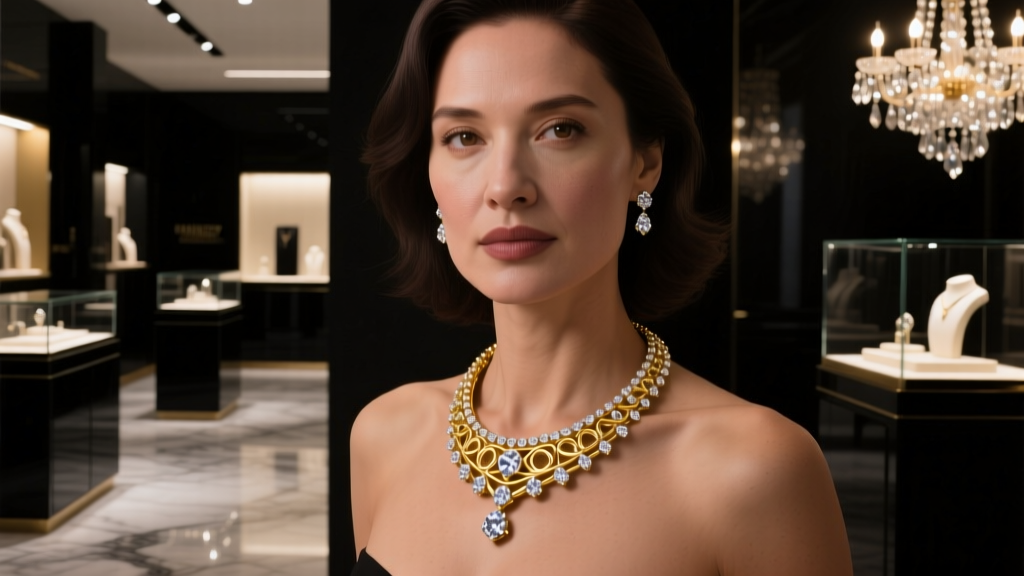
When the viral audio featuring the i asked him to buy me a 60000 necklace lyrics flooded social media, it sparked a massive conversation about luxury gifting, high jewelry investments, and the true cost of elite craftsmanship. While the catchy hook became a cultural phenomenon, the reality of purchasing a $60,000 necklace in 2026 requires far more than just dropping a hint. It demands a rigorous understanding of gemology, metallurgy, and market valuations. Whether you are the one asking or the one buying, navigating the upper echelons of the jewelry market requires a strategic approach to ensure you acquire a piece that holds both breathtaking beauty and intrinsic value.
The Cultural Impact of the Viral Lyrics
The i asked him to buy me a 60000 necklace lyrics trend highlights a growing fascination with high-jewelry as a status symbol and an alternative asset class. However, translating a viral lyric into a real-world luxury acquisition means stepping away from impulse and into the meticulous world of high-end jewelry curation. A $60,000 budget places you firmly in the realm of haute joaillerie, where you are no longer just paying for precious metals; you are investing in rare geological formations, master-level bench craftsmanship, and potentially, heritage brand premiums.
What $60,000 Actually Buys in High Jewelry
At this price point, buyers generally choose between two distinct paths: the high-carat diamond tennis necklace or the massive statement solitaire pendant. Each requires a different evaluation framework.
The High-Carat Tennis Necklace
A $60,000 budget secures an exceptional 15 to 18-carat total weight (CTW) tennis necklace. To maximize brilliance, you should target diamonds in the F-G color range with VS1 to VS2 clarity. At this tier, the cut quality is paramount. You must demand stones with Excellent/Ideal cut grades, ensuring the pavilion angles sit strictly between 40.6 and 41.8 degrees to prevent light leakage. The setting should be crafted in 18k white gold (stamped 750) or Platinum 950, utilizing four-prong settings to maximize the surface area of light entering each stone.
The Statement Solitaire Pendant
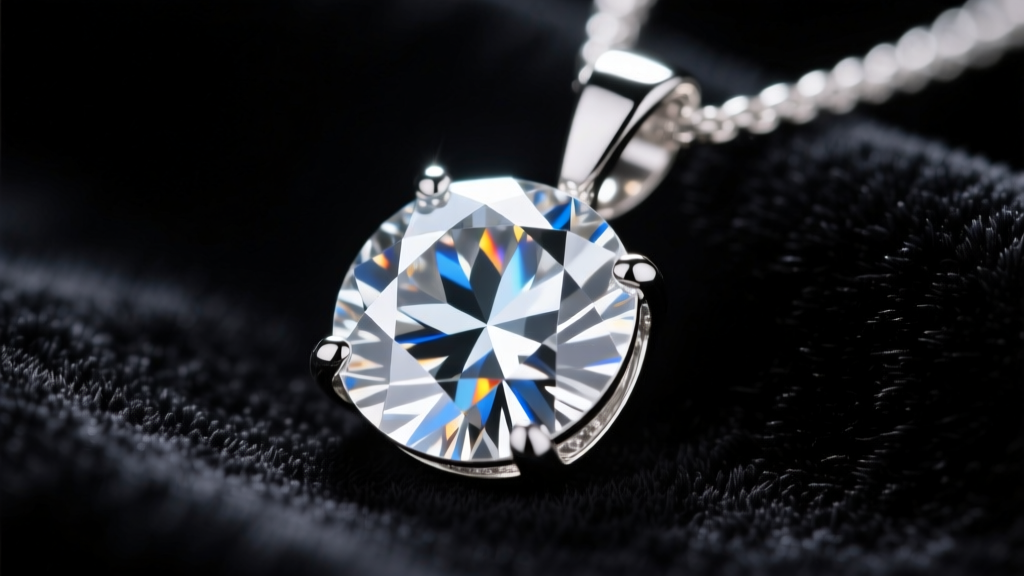
If you prefer a singular focal point, $60,000 allows you to acquire a spectacular 4.00 to 5.00-carat center stone. For a pendant, you can push the quality parameters higher than you could for a tennis necklace. Target a D or E color diamond with VVS1 clarity, certified by the Gemological Institute of America (GIA Diamond Grading). A bezel setting in platinum is highly recommended for a stone of this magnitude, as it provides superior protection against chipping the girdle during daily wear.
Step-by-Step Guide to Commissioning Luxury Jewelry
Acquiring a piece at this caliber requires a methodical purchasing process. Follow these steps to ensure your investment is sound.
- Define the Silhouette and Metal: Decide between a continuous diamond line (tennis) or a focal pendant. Choose Platinum 950 for its natural white luster and hypoallergenic properties, or 18k yellow gold for a warm, vintage contrast against colorless diamonds.
- Set the Gemological Baseline: Never compromise on the cut grade. According to GIA Price Factors, cut dictates the stone's scintillation and fire. A poorly cut 5-carat diamond will look smaller and duller than a perfectly cut 4-carat stone.
- Request 360-Degree Video and Idealscope Images: Do not rely on static photographs. Ask the jeweler for an Idealscope or ASET image to verify the light return and ensure the stone does not suffer from a bow-tie effect or central extinction.
- Verify the Dossier and Laser Inscription: Ensure the GIA or AGS report number is laser-inscribed on the diamond's girdle and matches the physical certificate provided at the time of sale.
Brand Heritage vs. Custom Benchmade
One of the most critical decisions when acting on the i asked him to buy me a 60000 necklace lyrics inspiration is choosing between a legacy maison and an elite custom bench jeweler. The table below illustrates the fundamental differences in what your capital achieves in each avenue.
| Feature | Heritage Brand (e.g., Place Vendôme Maisons) | Elite Custom Benchmade |
|---|---|---|
| Diamond Quality | F-G Color, VS1-VS2 Clarity | D-E Color, VVS1-VVS2 Clarity |
| Total Carat Weight | 8 - 12 CTW | 15 - 20 CTW |
| Metal Purity | 18k Gold (750) | Platinum 950 or 18k Gold |
| Resale Value Retention | High (Brand Premium & Provenance) | Low (Intrinsic Material Value Only) |
| Lead Time | Immediate / 4 Weeks | 8 - 14 Weeks |
The Authentication and Appraisal Protocol
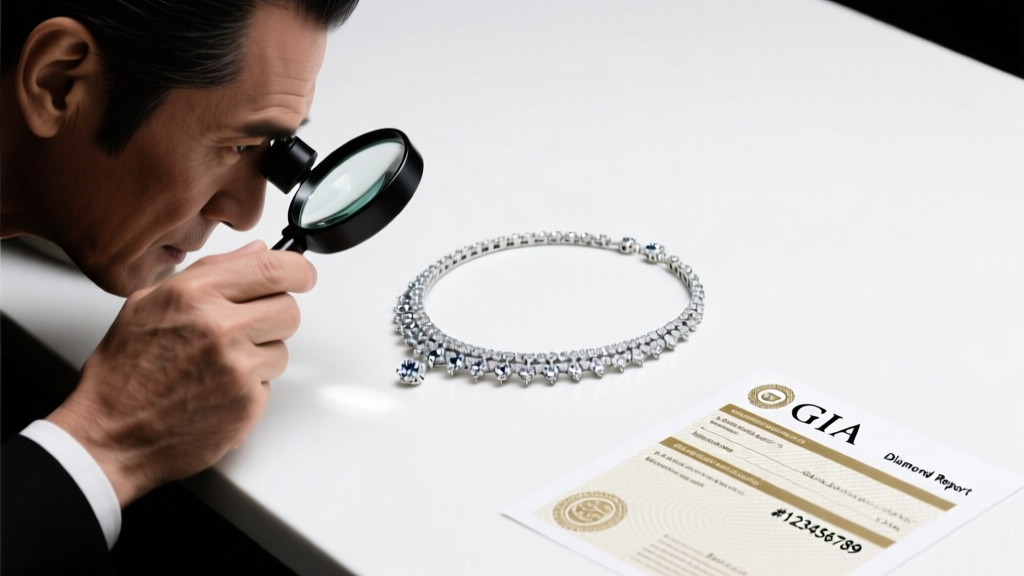
Once the piece is in your possession, the transaction is not complete until the authentication protocol is finalized. High-value necklaces are frequent targets for sophisticated synthetics and fracture-filled treatments. Always cross-reference the inclusions plotted on your GIA certificate with the actual stone using a 10x triplet loupe. Look for the specific crystal formations or pinpoint inclusions mapped on the report.
A $60,000 necklace is not merely an accessory; it is a wearable asset class. The difference between a mediocre cut and an ideal cut at this price point can result in a 30% variance in brilliance and long-term resale liquidity.
Furthermore, you must secure an independent insurance appraisal. Do not rely on the retail receipt, as replacement costs fluctuate based on the global diamond index and precious metal spot prices. An independent certified gemologist appraiser will document the exact millimeter dimensions, metal weight, and gemological characteristics required by elite insurers.
Securing and Insuring Your Investment
Standard homeowner's or renter's insurance policies typically cap jewelry payouts at $1,500 to $2,500. For a $60,000 piece, you must secure a scheduled personal property floater through specialized carriers like Jewelers Mutual or Chubb. These policies offer worldwide coverage, zero deductibles, and guaranteed replacement value. Finally, adhere to strict maintenance guidelines. As outlined by Jewelers of America, you should have the prongs and clasps of high-value necklaces inspected by a professional bench jeweler every six months to prevent catastrophic stone loss. Avoid ultrasonic cleaners if your piece features fracture-filled diamonds or secondary gemstones like emeralds, which require gentle, manual cleaning with a soft brush and mild degreasing solution.


