Expert Care and Cleaning Tips for a Diamond Halo Necklace
Learn expert tips to clean, maintain, and protect your diamond halo necklace. Discover safe home cleaning methods and pro care advice.

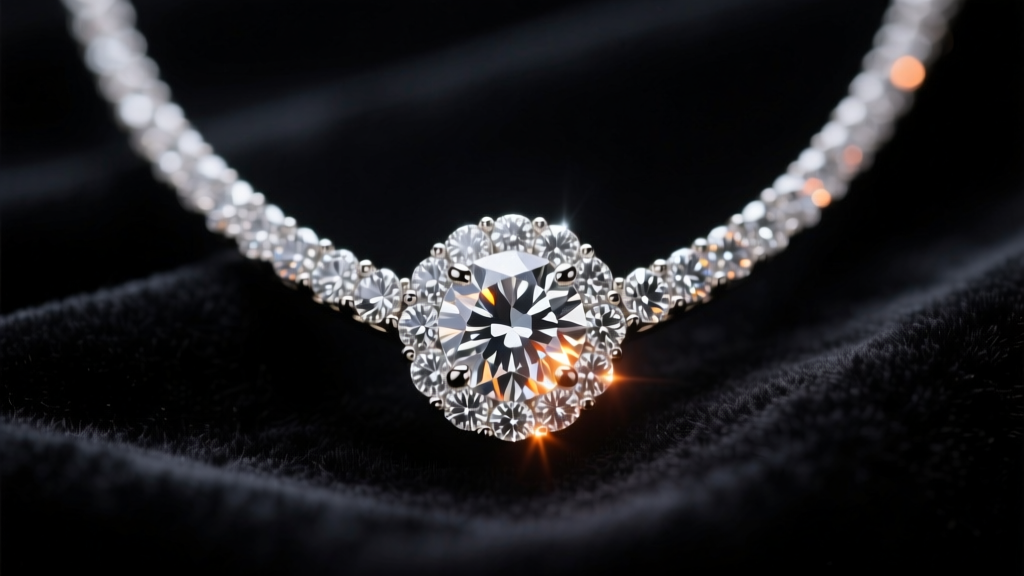
A diamond halo necklace is a masterpiece of light and precision engineering. The design features a central gemstone encircled by a continuous ring of smaller melee diamonds, creating an optical illusion that makes the center stone appear significantly larger. However, this intricate architecture—specifically the micro-pavé or bead settings used to secure the halo—creates numerous microscopic crevices where lotion, dead skin cells, soap scum, and environmental dust accumulate. When dirt builds up beneath the gallery and between the tiny prongs, it blocks light from entering the pavilion of the diamonds, resulting in a dull, lifeless appearance. Maintaining the brilliance of your jewelry requires a strategic approach that balances thorough cleaning with the preservation of delicate metalwork.
The Anatomy of a Halo Setting: Why It Traps Dirt
To properly care for a diamond halo necklace, you must understand its structural vulnerabilities. The halo itself is typically composed of melee diamonds ranging from 0.01 to 0.02 carats each. These tiny stones are held in place by micro-prongs or tiny beads of metal pushed over the girdle of the stone. Because these prongs are exceptionally small, they are more susceptible to wear, bending, and snagging on fabrics than the heavy prongs of a classic solitaire.
Furthermore, the gallery wire—the metal framework beneath the halo that supports the stones—is a prime trap for debris. Skin oils and cosmetic residues easily pack into the underside of the pendant. According to the Gemological Institute of America (GIA), grease and oils adhere readily to the surface of diamonds, which are naturally lipophilic (oil-attracting). This means the underside of your halo pendant will naturally attract and hold onto the oils from your skin, requiring regular, targeted cleaning to maintain maximum light return.
The Step-by-Step Home Cleaning Protocol
While professional cleanings are necessary for long-term maintenance, a disciplined at-home routine will keep your necklace sparkling between jeweler visits. You should perform this cleaning once every two to three weeks, depending on how often you wear the piece and your exposure to cosmetics.
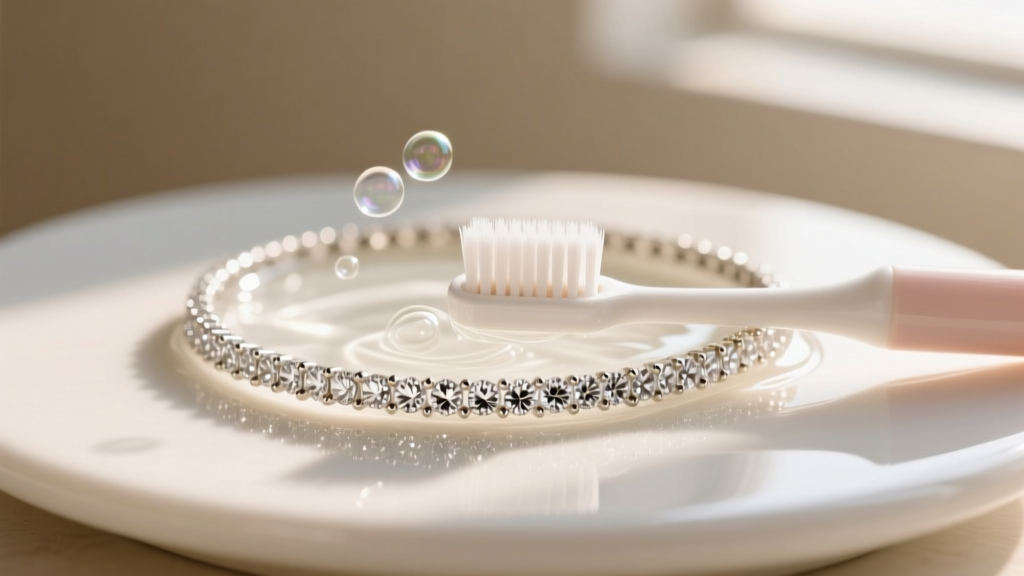
Materials Needed
- Distilled or filtered water: Tap water often contains hard minerals like calcium and magnesium that can leave microscopic water spots on the diamonds and metal.
- Ammonia-free mild dish soap: A basic, clear dish soap (like Dawn) is ideal. Avoid soaps with added moisturizers or heavy fragrances, which leave a filmy residue.
- Ultra-soft baby toothbrush: You need bristles soft enough to dislodge dirt without scratching the precious metal alloy or bending the micro-prongs.
- Lint-free microfiber cloth: For drying and polishing.
The Cleaning Process
- Prepare the Solution: Mix a few drops of mild dish soap into a bowl of warm (not hot) distilled water. Hot water can cause sudden thermal expansion, which is risky if your center stone has been fracture-filled or clarity-enhanced.
- Soak the Pendant: Submerge the diamond halo pendant in the solution for 15 to 20 minutes. This softens hardened lotions and oils trapped beneath the gallery wire.
- Gentle Agitation: Using the baby toothbrush, gently brush the necklace. Focus heavily on the underside of the pendant and the perimeter of the halo. Brush in small, circular motions, moving from the center stone outward toward the halo to push debris away from the setting.
- Rinse Thoroughly: Rinse the necklace under a gentle stream of warm distilled water. Ensure the sink drain is securely plugged or use a mesh strainer to prevent catastrophic loss if the chain slips.
- Dry and Polish: Pat the piece dry with a microfiber cloth. Avoid paper towels, as the wood fibers can cause micro-scratches on softer gold alloys.
The Halo Necklace Danger Zone: What to Avoid
The most common mistake jewelry owners make is treating a delicate halo pendant with the same aggressive methods used for plain metal bands or simple solitaires. The micro-settings of a halo require a much gentler touch.
| Method / Agent | Verdict | Why It Matters for Halo Settings |
|---|---|---|
| Ultrasonic Cleaners | Avoid | High-frequency vibrations can easily shake loose the tiny 0.01ct melee diamonds if the micro-prongs are even slightly worn. They can also shatter fracture-filled center stones. |
| Chlorine / Bleach | Avoid | Chlorine attacks the alloy metals (copper, zinc, nickel) in 14k and 18k gold, causing stress corrosion cracking that will snap the delicate halo prongs. |
| Toothpaste | Avoid | Contains abrasive silica particles that will scratch the gold or platinum setting, creating dull patches that trap even more dirt over time. |
| Mild Dish Soap | Safe | Effectively breaks down lipophilic oils and cosmetic residues without damaging the metal alloy or the diamond's crystalline structure. |
| Isopropyl Alcohol | Use Caution | Safe for natural diamonds and platinum, but can dry out or damage the adhesive if your halo features secondary gemstones like emeralds or opals. |
For a comprehensive look at what chemicals to keep away from your fine jewelry, Blue Nile's Jewelry Cleaning Guide offers excellent baseline rules for protecting precious metal alloys from household corrosives.
Professional Maintenance: Prong Retipping and Rhodium
Even with impeccable at-home care, the physical wear and tear on a diamond halo necklace necessitates professional intervention. The micro-prongs securing the halo diamonds are incredibly thin. Over time, friction from clothing, hair, and daily movement will wear these prongs down. If a prong wears flush with the diamond's table, the stone will inevitably fall out.

The 18-Month Inspection Rule
You should have your halo necklace professionally inspected under a jeweler's loupe or microscope every 18 months. The jeweler will check for lifted prongs, bent gallery wires, and weakened chain links. If a prong is worn, the jeweler will perform prong retipping—a process where a tiny bead of matching metal is laser-welded or soldered onto the worn prong and filed down to secure the stone once more. Replacing a single lost melee diamond typically costs between $30 and $75, whereas regular retipping during an inspection costs a fraction of that and prevents the loss entirely.
Rhodium Plating for White Gold
If your diamond halo necklace is crafted from white gold, you must account for rhodium plating. White gold is naturally a pale yellow alloy; it is plated with rhodium (a platinum-group metal) to achieve a bright, silvery-white finish. This plating wears off over time, usually within 12 to 24 months, revealing the yellowish undertone of the gold beneath. Professional cleaning appointments are the perfect time to have the pendant and chain re-dipped in rhodium to restore its crisp, bright contrast against the diamonds.
Daily Wear and Storage Best Practices
Preventative care is just as critical as active cleaning. How you wear and store your necklace dictates how often it requires deep maintenance.
- The "Last On, First Off" Rule: Always put your diamond halo necklace on after applying makeup, perfume, hairspray, and lotions. Conversely, take it off first when you return home, before showering or applying skincare products.
- Avoid the Gym: Sweat is mildly acidic and can degrade metal finishes over time. More importantly, the friction of gym clothing and the risk of the pendant catching on equipment can bend the delicate halo settings or snap the chain.
- Proper Storage: Never toss your necklace into a communal jewelry box. Diamonds are a 10 on the Mohs hardness scale and will easily scratch softer gemstones and precious metals. Store the necklace flat in a dedicated, fabric-lined compartment, or hang it from a jewelry arbor to prevent the chain from tangling and putting lateral stress on the pendant's bail.
By understanding the unique structural demands of the micro-pavé halo setting and adhering to a gentle, consistent cleaning regimen, you ensure that your diamond halo necklace remains a brilliant, secure, and breathtaking focal point for decades to come.


