Is the Diamond Necklace Worth It? A 2026 Value & Budget Guide
Discover if the diamond necklace you want is truly worth the price. We break down 2026 market values, lab-grown vs. natural, and the 4Cs that matter.

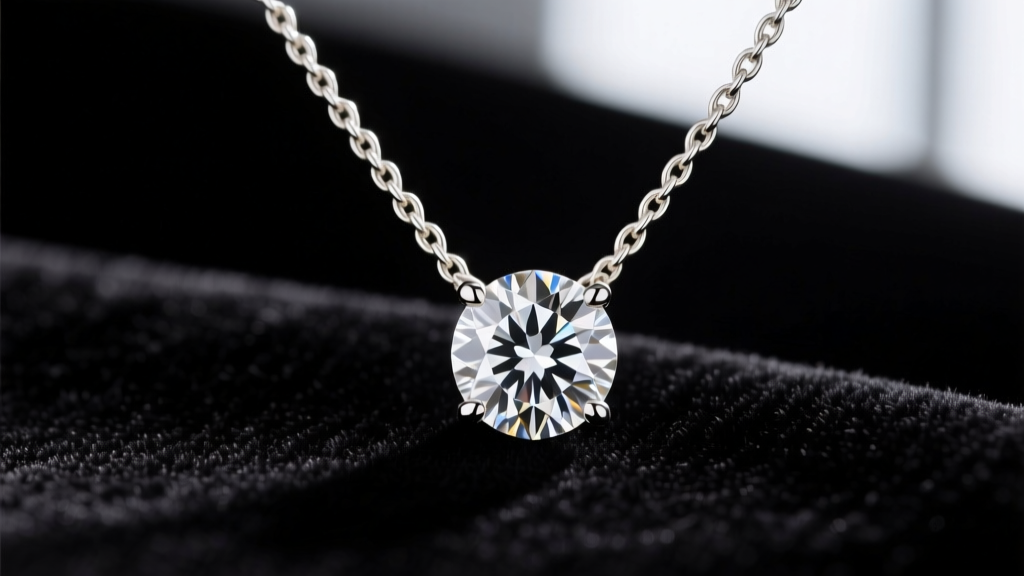
The Anatomy of Diamond Necklace Pricing in 2026
Evaluating the true worth of a diamond necklace requires looking past the showroom lighting and into the structural economics of the jewelry market. In 2026, the pricing landscape for diamond pendants and tennis necklaces has been fundamentally reshaped by the mainstream acceptance of lab-grown stones and the stabilization of natural diamond wholesale markets. When you are investing in the diamond necklace that will serve as a signature piece or a generational heirloom, understanding where your money actually goes is critical.
Retail markups in the jewelry industry traditionally range from 100% to 300% above wholesale costs. However, the rise of direct-to-consumer online jewelers has compressed these margins for well-informed buyers. A 1.00-carat natural diamond solitaire pendant that might cost $8,500 at a legacy mall-brand jeweler can often be sourced for $5,500 to $6,200 through specialized online vendors who operate with lower overhead. The key to assessing value is decoupling the center stone cost from the setting and chain cost, and evaluating each component on its own merits.
Where to Compromise (and Where Never to Skimp)
Not all of the traditional 4Cs (Cut, Color, Clarity, Carat) carry equal weight when a diamond is suspended from a chain rather than set on an engagement ring. Because a necklace rests on the chest and is typically viewed from a distance of three to five feet, your budget allocation should shift dramatically compared to ring shopping.
The "Cut" Non-Negotiable
Cut is the single most important factor for a diamond pendant. A poorly cut diamond will appear dull and lifeless, even if it boasts flawless clarity and D-color grading. For round brilliant solitaires, insist on a GIA or AGS "Excellent" or "Ideal" cut grade. Specifically, look for a table percentage between 54% and 58%, and a depth percentage between 60% and 62.5%. According to the Gemological Institute of America (GIA), precise facet alignment is what creates the scintillation (sparkle) that makes a necklace catch the eye across a room. Never compromise on cut to afford a larger carat weight.
Color and Clarity Sweet Spots for Pendants
Because the diamond will be resting against the skin or clothing and viewed from a distance, you can safely downgrade color and clarity without any visible loss in beauty.
- Color: While D and E colors command massive premiums, a G or H color diamond will face up completely white once set in a pendant, especially if mounted in yellow or rose gold.
- Clarity: Flawless (FL) or Internally Flawless (IF) grades are a waste of budget for necklaces. An SI1 (Slightly Included) or even a well-chosen SI2 diamond that is "eye-clean" (meaning inclusions are not visible to the naked eye) will look identical to a VS1 stone from a conversational distance. This single adjustment can save you 20% to 35% on the center stone.
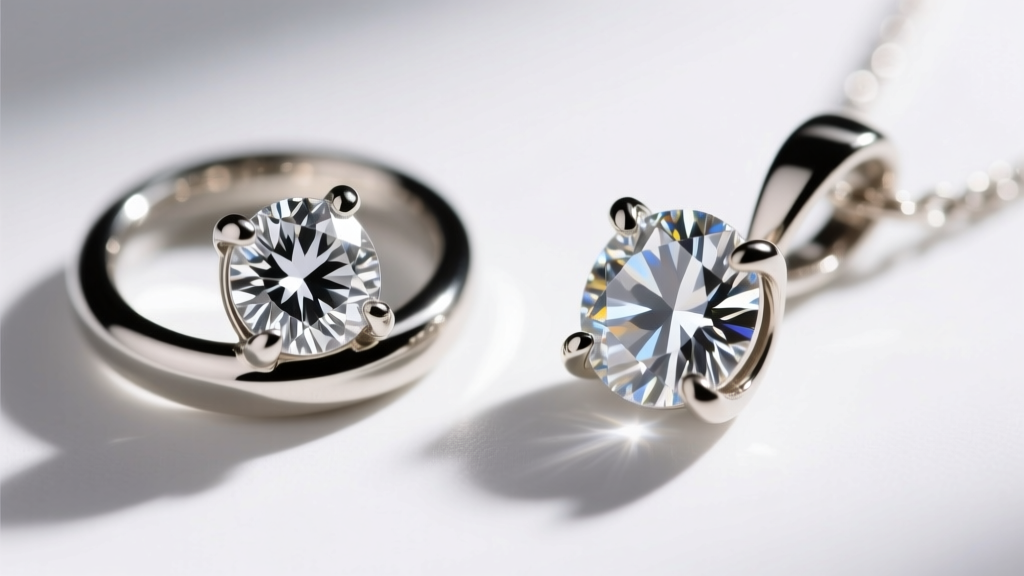
Natural vs. Lab-Grown: A 2026 Cost-Benefit Matrix
The debate between natural and lab-grown diamonds is no longer about quality; lab-grown diamonds possess the exact same physical, chemical, and optical properties as mined stones. The decision in 2026 is entirely about budget, rarity, and resale expectations. Below is a comparative breakdown of what you can expect to pay for a classic 1.00-carat solitaire pendant in the current market.
| Specification (1.00ct Pendant) | Natural Diamond (Mined) | Lab-Grown Diamond (CVD/HPHT) |
|---|---|---|
| Price Range (G/VS2) | $5,500 - $6,800 | $450 - $750 |
| Certification Standard | GIA or AGS required | IGI or GIA acceptable |
| Resale Value Retention | 20% - 35% of retail price | Near 0% (Value is in wear, not asset) |
| Best For | Heirlooms, traditional milestones | Maximizing carat size on a strict budget |
If your primary goal is to maximize visual impact and size without breaking the bank, lab-grown is the undisputed winner. However, if you view the diamond necklace as a store of value or a traditional heirloom, natural diamonds still hold a distinct, albeit depreciating, asset premium. For a deeper understanding of lab-grown identification and market shifts, the American Gem Society (AGS) provides excellent consumer resources on modern diamond sourcing.
Hidden Value Killers in Diamond Necklaces
When assessing a budget, beware of deceptive practices that inflate prices or destroy the long-term durability of your necklace. Avoid these common value traps:
- Clarity-Enhanced Diamonds: These are natural diamonds with visible fractures that have been filled with a glass-like resin to improve apparent clarity. They are significantly cheaper but are highly vulnerable to damage from standard jewelry cleaning solutions and heat. They hold virtually zero resale value.
- Heavy, Opaque Settings: A pendant setting should use the absolute minimum metal necessary to secure the stone. Heavy "basket" settings that block the pavilion (bottom) of the diamond prevent light from entering and exiting the stone, killing its brilliance. Opt for a classic 3-prong or 4-prong martini setting.
- In-House Certifications: Never buy a diamond necklace based solely on a jeweler's in-house appraisal or an unrecognized laboratory certificate. These documents frequently inflate color and clarity grades by one or two tiers to justify higher retail prices. Always demand a grading report from GIA, AGS, or IGI.
- Weak Chain Pairings: A $6,000 diamond pendant is worthless if it is attached to a $50 chain that snaps. Avoid delicate hollow-rope chains or ultra-thin box chains under 0.8mm for heavy solitaires. Invest in a solid 14k or 18k cable or wheat chain with a secure lobster clasp.
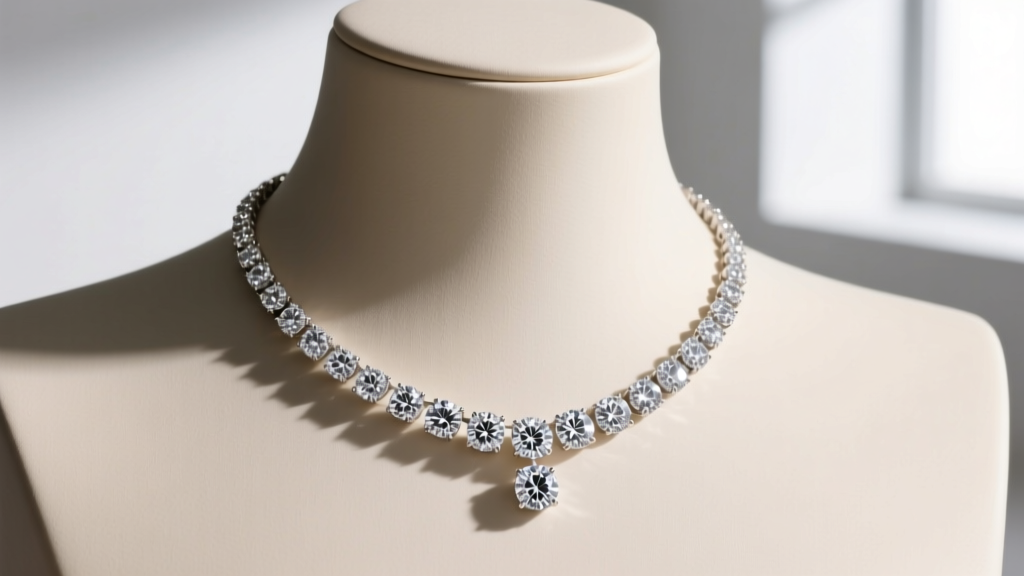
Real-World Budget Benchmarks by Style
To help you assess if a specific piece is fairly priced, use these 2026 market benchmarks for the two most popular diamond necklace styles.
The Solitaire Pendant
The solitaire pendant relies entirely on the quality of a single center stone. For a 0.50-carat natural diamond pendant (H color, SI1 clarity, Excellent cut) set in 14k gold with a matching chain, a fair retail price falls between $1,800 and $2,400. If you are looking at a 1.00-carat equivalent with the same specs, expect to pay between $4,800 and $5,900. Anything significantly higher usually includes a "brand tax" for a designer name or luxury packaging.
The Tennis Necklace
Tennis necklaces are priced by Total Carat Weight (CTW) and the uniformity of the stones. A 5.00 CTW natural diamond tennis necklace (G-H color, SI clarity) in 14k white gold should cost between $9,000 and $13,000 in 2026. The value here is heavily dependent on the craftsmanship of the links; each stone must be individually set with secure prongs, and the necklace must drape fluidly without kinking. Lab-grown equivalents for a 5.00 CTW tennis necklace have plummeted in price and can now be acquired for $1,200 to $1,800, making them an incredible budget-friendly alternative for high-impact evening wear.
Expert Appraisal Tip: When buying a pre-owned or vintage diamond necklace, always factor in the cost of a professional restringing or prong-tightening. A vintage tennis necklace may seem like a steal at $6,000, but if the solder joints on the links are fatigued, you could be looking at an immediate $800+ repair bill to make it safe for daily wear.
Final Verdict: Maximizing Your Investment
Ultimately, the diamond necklace you choose should align with your personal definition of value. If value means maximizing physical size and optical brilliance for the lowest possible out-of-pocket cost, a lab-grown diamond set in a lightweight, secure prong setting is your optimal route. If value means acquiring a rare, earth-mined asset that carries traditional weight and emotional permanence, focus your budget on an impeccably cut natural stone, dropping color and clarity grades to stretch your dollar further.
By prioritizing cut quality, demanding independent laboratory certification, and selecting durable, light-permitting settings, you ensure that every dollar of your budget translates directly into visible beauty and long-term wearability.


