Decoding Diamond Necklace Cost: Avoid Overpaying in 2026
Discover the true diamond necklace cost in 2026. Learn how to troubleshoot hidden markups, decode grading reports, and avoid overpaying for pendants.

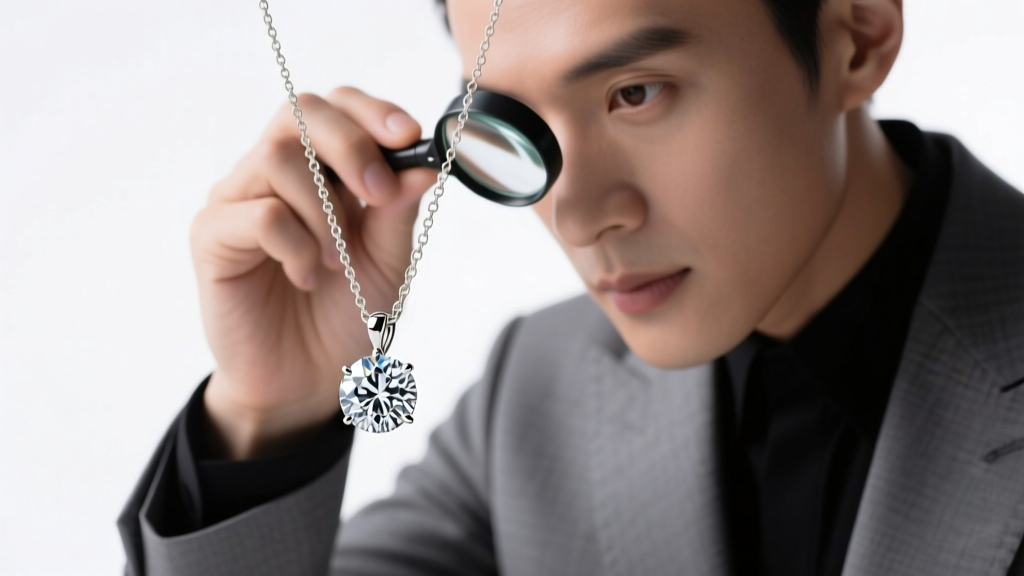
Shopping for a diamond pendant should be an exciting milestone, but for many buyers, it quickly turns into an exercise in frustration. Between conflicting appraisals, opaque pricing models, and aggressive sales tactics, determining the fair diamond necklace cost can feel like navigating a minefield. In 2026, the jewelry market has bifurcated sharply: direct-to-consumer online retailers offer aggressive pricing, while legacy brick-and-mortar brands lean heavily into the 'luxury experience' markup.
As a buyer, your primary problem isn't just finding a beautiful stone; it's troubleshooting the quote you've been handed to ensure you aren't subsidizing a retailer's overhead or falling victim to inflated grading reports. This guide will deconstruct the anatomy of diamond necklace pricing, expose hidden markups, and provide a concrete framework for auditing your purchase.
The Core Formula: How Retailers Calculate Diamond Necklace Cost
To troubleshoot a high quote, you first need to understand how the invoice is built. The total diamond necklace cost is not a single number; it is an aggregate of three distinct components. When a retailer gives you a 'lump sum' without breaking it down, that is your first red flag.
- The Center Stone (75% - 90% of cost): Driven by the 4Cs (Cut, Color, Clarity, Carat) and its origin (Natural vs. Lab-Grown). This is where the bulk of your budget should go.
- The Setting and Metal (5% - 15% of cost): The precious metal (14k, 18k, or Platinum) and the labor required to cast and polish the pendant basket.
- The Melee and Chain (5% - 10% of cost): Small accent diamonds (melee) and the chain itself. Retailers often mark up chains by 400% to 600% over their raw gold weight value.
If you are buying a solitaire pendant, the setting should cost no more than $250 to $600, depending on whether you choose 14k white gold or platinum. If a retailer is quoting you $1,500 for a simple three-prong or four-prong solitaire basket, you are being overcharged for the hardware.
Troubleshooting the 'Brand Tax' and Hidden Markups
The most common pricing problem buyers face is the 'Brand Tax'—the premium charged for a recognizable name or a high-end retail environment. To illustrate how drastically the diamond necklace cost can fluctuate based purely on the point of sale, let's look at a standardized benchmark for 2026: a 1.00 Carat, G Color, VS2 Clarity, Excellent Cut Round Brilliant Solitaire Pendant.
| Retail Tier | Estimated Price Range (Natural) | Estimated Price Range (Lab-Grown) | Markup Driver |
|---|---|---|---|
| Direct-to-Consumer Online | $4,200 - $5,800 | $650 - $1,100 | Low overhead, high volume |
| Independent Brick-and-Mortar | $6,500 - $8,500 | $1,200 - $2,000 | Storefront rent, personalized service |
| Luxury Brand (e.g., Tiffany, Cartier) | $12,000 - $18,000+ | Rarely offered | Brand heritage, packaging, prestige |
Note: Prices reflect market averages as of early 2026 and can fluctuate based on the US Dollar index and rough diamond supply chains.
Troubleshooting Step: If you are shopping at an independent jeweler and their quote is closer to the Luxury Brand tier, ask for an itemized invoice. If they refuse to separate the diamond cost from the setting cost, walk away. According to the FTC Jewelry Guides, retailers must be transparent about the materials and gemstones they are selling, which includes providing verifiable grading documentation for the center stone.
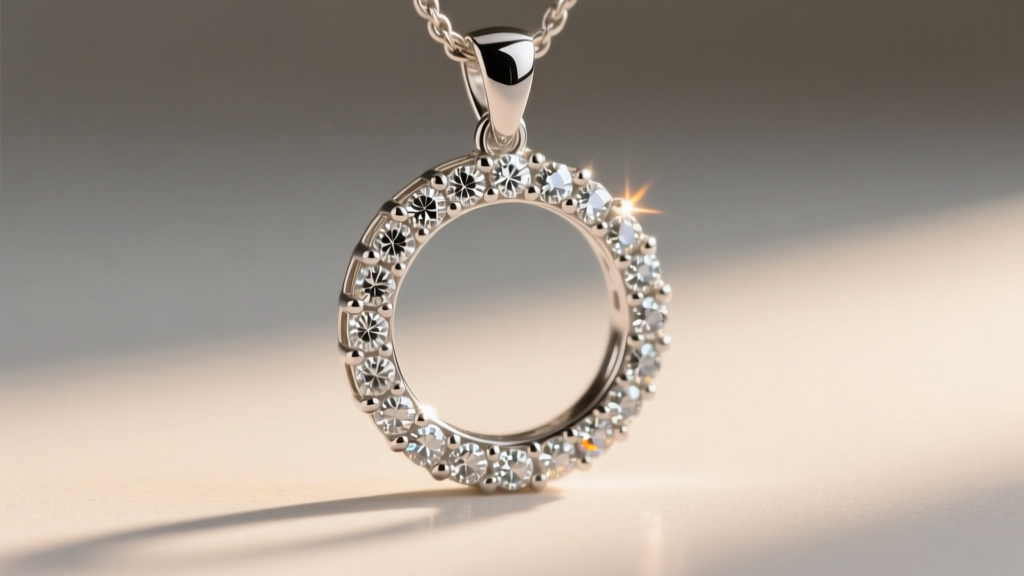
Red Flags in Grading Reports: The 'Fake Discount' Trap
Imagine you find a 1.50ct diamond pendant priced at $6,000, while competitors are charging $10,000 for the same specs. You think you've found a loophole. In reality, you've likely encountered a grading report discrepancy. Not all gemological laboratories grade diamonds with the same strictness.
The Gemological Institute of America (GIA) is the global benchmark for consistent, strict grading. Laboratories like EGL or lesser-known international labs often 'inflate' grades by two to three tiers. An EGL 'F VS1' might actually be a GIA 'H SI1'. If you pay 'F VS1' prices for an 'H SI1' stone, you haven't saved money; you've been overcharged for a lower-quality diamond. Always demand a GIA or AGS report for natural center stones over 0.50 carats, and IGI or GIA for lab-grown stones.
Optimizing the 4Cs Specifically for Pendants
Another major pricing problem is buyers applying 'engagement ring standards' to necklaces, resulting in massive overspending. A pendant rests on the sternum, roughly 12 to 16 inches away from the observer's eye, and is in constant motion. This physical reality changes how you should allocate your budget.
- Cut (Do Not Compromise): Because pendants move with your body, they rely on dynamic light return. An 'Excellent' or 'Ideal' cut is non-negotiable. A poorly cut diamond will look dead and glassy against the skin.
- Clarity (Drop to SI1): In a ring, an SI1 diamond might show inclusions when viewed up close. On a necklace, an SI1 (Slightly Included) stone will appear completely eye-clean to anyone interacting with you. Dropping from VVS to SI1 can shave 30% to 40% off your diamond necklace cost without any visible sacrifice.
- Color (Aim for G-H-I): Unless you are setting the diamond in yellow gold (where J-K colors blend beautifully), stick to the near-colorless range (G-H). You do not need to pay the premium for D-E-F colorless grades in a pendant.
Lab-Grown vs. Natural: Troubleshooting the Value Proposition
In 2026, lab-grown diamonds have completely disrupted the pendant market. Because pendants are rarely passed down as financial heirlooms in the same way engagement rings are, the 'resale value' argument for natural diamonds holds very little weight here.
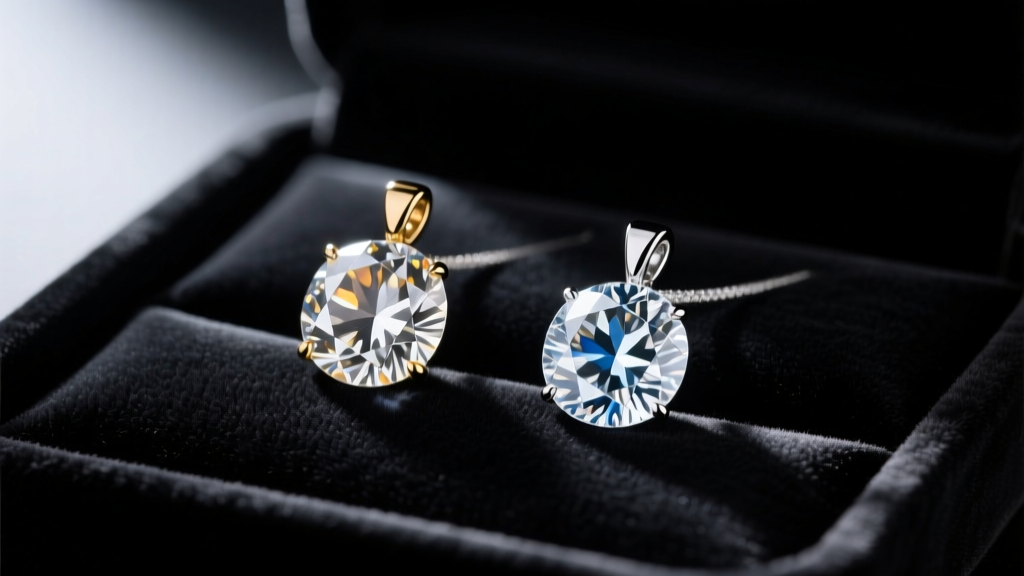
A 2.00 carat natural diamond pendant of good quality will easily exceed $15,000. A visually identical 2.00 carat lab-grown pendant will cost between $1,200 and $1,800. If your problem is wanting maximum visual impact (a large, sparkly stone) on a moderate budget, lab-grown is the undisputed solution. However, be wary of retailers who try to sell lab-grown diamonds at 'natural' prices by using vague terms like 'cultured diamonds' or 'eco-diamonds' without explicitly stating their lab-grown origin on the receipt.
Hidden Hardware Costs: Chains and Clasps
Finally, let's troubleshoot the most overlooked aspect of the diamond necklace cost: the chain. Many buyers spend thousands on a center stone and then pair it with a flimsy, mass-produced chain that is prone to snapping.
- The Spring Ring Trap: If your pendant costs more than $2,000, it should never be attached to a chain with a standard spring-ring clasp. These are prone to failing and can result in the loss of your diamond. Insist on a lobster clasp.
- Chain Gauge and Style: For pendants over 1.00 carat, avoid delicate cable chains under 1.0mm in width. Opt for a 1.2mm to 1.5mm wheat, box, or rope chain. These styles distribute the weight of the pendant evenly and resist kinking.
- The 14k vs 18k Debate: 18k white gold requires rhodium plating, which will wear off over time, revealing a slightly yellowish undertone. For a low-maintenance, highly durable chain that will hold a heavy pendant securely, 14k white gold or platinum is the superior, more cost-effective choice.
By auditing the grading report, adjusting the 4Cs for the pendant's specific wearability, and separating the stone cost from the hardware, you can accurately benchmark the true diamond necklace cost and negotiate with confidence.


