Diamond Rosary Necklace Buying Guide: What to Look For
Discover how to choose the perfect diamond rosary necklace. Our expert buying guide covers diamond grades, chain durability, pricing, and styling tips.

The Evolution of the Diamond Rosary Necklace
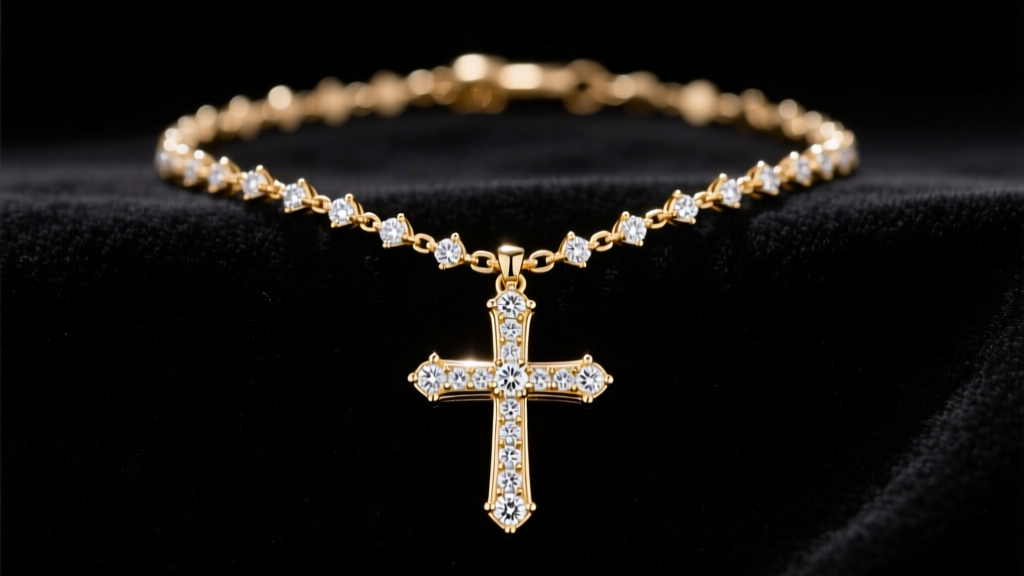
The diamond rosary necklace has transcended its traditional religious roots to become a definitive staple of modern fine jewelry. Characterized by repeating diamond stations spaced evenly along a delicate chain and typically terminating in a cross or crucifix pendant, this style bridges the gap between spiritual symbolism and high-end fashion. As we navigate the 2026 fine jewelry market, the surge in lab-grown melee diamonds and advanced chain-manufacturing techniques has made these intricate pieces more accessible than ever. However, the complexity of a rosary-style necklace introduces unique structural vulnerabilities. This comprehensive buying guide will dissect the anatomy, material grades, and critical failure modes you must evaluate before investing in a diamond rosary necklace.
Anatomy and Structural Integrity
Unlike a standard pendant necklace, a diamond rosary necklace is an assembly of dozens of individual components. The structural integrity relies heavily on the solder joints connecting the diamond stations to the main chain. When evaluating a piece, inspect the jump rings or solder points at each station. In lower-quality manufacturing, stations are simply threaded onto the chain and held in place by micro-crimps or weak solder, which can slide or snap under minimal tension. Premium jewelers use die-struck cable chains and laser-weld the bezel or prong settings directly into the chain links, ensuring the stations remain fixed and the chain retains its tensile strength.
Chain Gauge and Clasp Mechanics
The chain gauge dictates the lifespan of your necklace. For a diamond rosary necklace, the chain must support the cumulative weight of 30 to 60 melee diamonds plus the centerpiece pendant.
- 0.8mm - 1.0mm Gauge: Standard for lightweight, fashion-tier rosaries. Suitable for small melee (under 0.02ct each) but prone to kinking if snagged.
- 1.1mm - 1.5mm Gauge: The sweet spot for fine jewelry. Offers excellent drape and sufficient tensile strength to support heavier 14k or 18k gold settings.
- Clasp Selection: Avoid spring-ring clasps, which are notoriously difficult to operate and prone to internal spring failure. Insist on a small, high-quality lobster clasp with a soldered jump ring on the opposing end.
Diamond Quality: Navigating Melee Stone Grades
The diamonds used in rosary stations are classified as melee (typically ranging from 0.01 to 0.08 carats per stone). Because these stones are so small, they are rarely accompanied by individual grading reports from the GIA Diamond Grading laboratory. Instead, they are sold in parcels based on approximate color and clarity ranges.
Color and Clarity Expectations
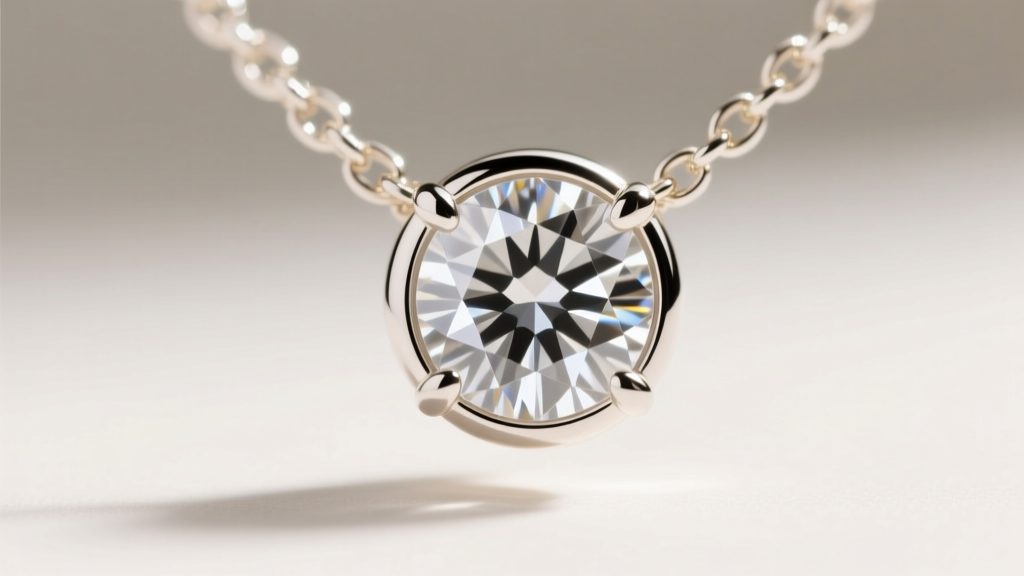
For a cohesive look, the color of the melee diamonds must match the centerpiece pendant. In white gold or platinum settings, look for G-H color melee. If the stones drop to I-J or K, they will exhibit a noticeable yellowish tint that clashes with the bright white rhodium-plated metal. Regarding clarity, SI1-SI2 is the standard for fine jewelry rosaries. While I1-I2 clarity is common in mass-market department store pieces, heavy inclusions in melee diamonds can compromise their structural integrity, making them susceptible to chipping during the setting process. Always opt for full-cut melee (57-58 facets) rather than single-cut (17-18 facets) to ensure maximum light return and brilliance across the stations.
Metal Purity and Setting Styles
The choice of metal impacts both the aesthetic and the maintenance requirements of the necklace.
14k vs. 18k Gold
14k gold (58.5% pure gold) is the industry standard for diamond rosary necklaces due to its superior hardness and resistance to scratching. The alloy metals provide the necessary rigidity to keep the delicate prongs secure. 18k gold (75% pure gold) offers a richer, warmer hue in yellow gold variations but is softer, making the micro-prongs more vulnerable to bending and releasing stones over time.
Bezel vs. Prong Settings
The setting style dramatically alters the wearability of the piece. Prong-set stations elevate the diamonds, allowing more light to enter from the sides and maximizing brilliance. However, micro-prongs are notorious for snagging on silk blouses, knitwear, and hair. Bezel-set stations, where a thin rim of metal completely encircles the diamond girdle, offer a sleek, modern profile and are virtually snag-proof. For everyday wear, bezel settings are highly recommended.
2026 Market Pricing and Value Tiers
Understanding the pricing matrix is crucial to avoid overpaying for inflated brand names or underpaying for compromised quality. The table below outlines current market expectations for a standard 18-inch diamond rosary necklace featuring approximately 1.00 to 1.50 Total Carat Weight (TCW).
| Tier | Metal | Diamond Type | Price Range (USD) |
|---|---|---|---|
| Fashion / Entry | Sterling Silver / Vermeil | Lab-Grown or Simulated | $150 - $600 |
| Fine / Mid-Market | 10k or 14k Gold | Natural Melee (I1-SI2) | $1,200 - $3,500 |
| Premium / Designer | 18k Gold or Platinum | Natural VS+ Clarity | $4,500 - $12,000+ |
Note: The proliferation of high-quality lab-grown melee diamonds has disrupted the mid-market tier, allowing buyers to secure SI-clarity, G-color lab-grown rosaries in 14k gold for under $1,500.
Layering and Length Guidelines
The versatility of the diamond rosary necklace lies in its layering potential. The length you choose should correspond to your intended styling strategy.

- 16 to 18 Inches (Choker/Collarbone): Best worn as a standalone statement piece or layered tightly with a simple 14-inch gold cable chain. This length highlights the cross pendant and keeps the stations clustered near the neckline.
- 24 Inches (Princess/Matinee): The traditional rosary length. This allows the necklace to be slipped over the head without a clasp and creates a dramatic, elongating V-shape. Ideal for layering over a 20-inch pendant necklace.
- 30+ Inches (Opera): Often designed without a pendant, functioning purely as a diamond station lariat. This length is prone to tangling and swinging, making it better suited for stationary, formal occasions rather than active daily wear.
Vulnerabilities and Long-Term Maintenance
Owning a diamond rosary necklace requires a proactive approach to maintenance. According to the Jewelers of America Care Guide, intricate chain designs require specific cleaning protocols to prevent long-term degradation.
The Ultrasonic Cleaner Hazard
Never place a diamond rosary necklace in an ultrasonic cleaner. The high-frequency vibrations can easily loosen the micro-prongs holding the melee diamonds, resulting in catastrophic stone loss. Furthermore, if any of the melee diamonds are fracture-filled or clarity-enhanced, the ultrasonic waves and hot cleaning solutions will destroy the filler, leaving the stones looking cloudy and fractured. Instead, clean your rosary necklace using a soft-bristled baby toothbrush, warm water, and a few drops of mild, ammonia-free dish soap. Gently brush the back of the settings where lotion and skin oils accumulate.
Rhodium Plating and Storage
If you choose a white gold rosary necklace, be aware that the rhodium plating will eventually wear off, particularly at the friction points where the diamond stations rub against the collarbone. Expect to have the piece re-rhodium plated every 12 to 18 months. When storing, never toss the necklace into a communal jewelry box. The stations will inevitably tangle with other chains, and pulling them apart can snap the delicate links. Always hang the necklace vertically on a padded jewelry stand or lay it completely flat in a dedicated, fabric-lined compartment.
Expert Tip: When purchasing a diamond rosary necklace, ask the jeweler if they keep replacement stations in stock. If a single station is damaged or lost, having access to matching components ensures the necklace can be repaired without compromising its visual symmetry.