Van Klief Necklace Care: Cleaning Stone Inlay Pendants
Learn expert cleaning and maintenance tips for your Van Klief necklace. Discover safe washing methods for malachite, onyx, and mother-of-pearl inlays.
The Anatomy of a Stone Inlay Clover Necklace
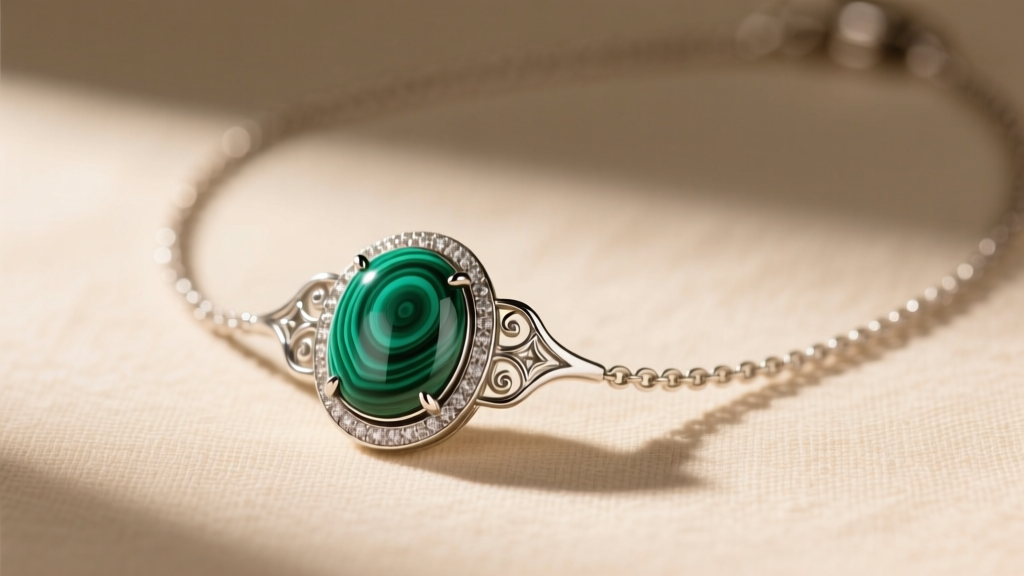
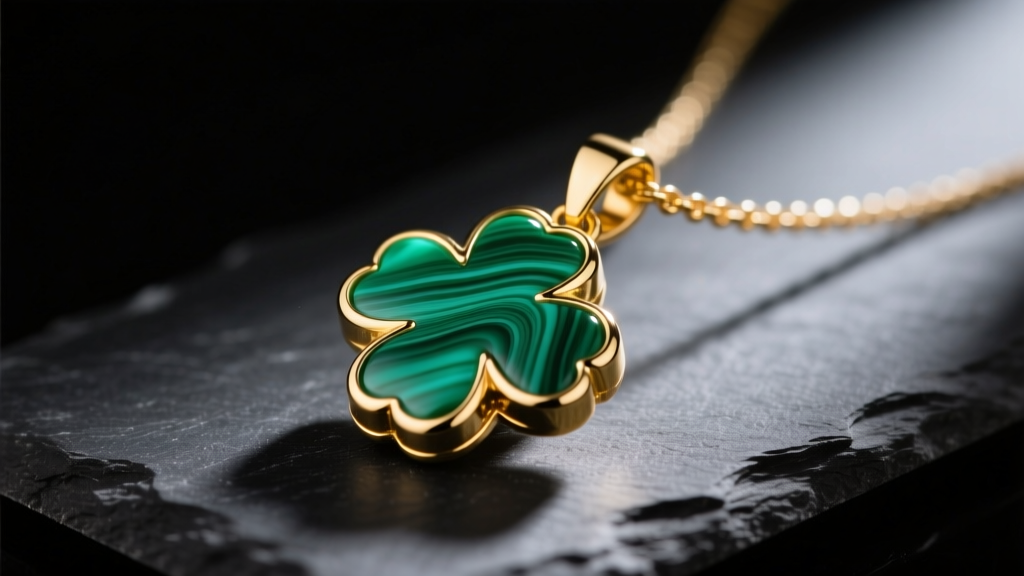
The iconic clover motif has dominated luxury jewelry for decades, and the search for the perfect Van Klief necklace continues to surge among collectors and vintage enthusiasts in 2026. Whether you are investing in an authentic heritage piece or a high-quality homage, these necklaces share a distinct architectural profile: a polished 18k gold bezel or prong setting securing a precisely cut, domed hardstone. The most common materials include malachite, black onyx, mother-of-pearl, and carnelian. While the 18k yellow gold (an alloy of 75% pure gold mixed with copper and silver for durability) is relatively low-maintenance, the organic and porous nature of the stone inlays requires a highly specific, disciplined approach to cleaning and care. Using standard jewelry dips or ultrasonic machines will permanently ruin the polish and structural integrity of these delicate stones.
Understanding Stone Porosity and the Mohs Scale
To properly care for your necklace, you must first understand the geological vulnerability of the inlay. The Mohs scale of mineral hardness dictates how easily a stone can be scratched, while porosity determines how it reacts to liquids, oils, and chemicals. Below is a critical reference chart for the most common clover pendant stones.
| Stone Material | Mohs Hardness | Porosity | Ultrasonic Safe? | Primary Threat |
|---|---|---|---|---|
| Malachite | 3.5 - 4.0 | High | No | Acids, Perfume, Heat |
| Mother-of-Pearl | 2.5 - 4.5 | Medium | No | Skin Acids, Ammonia |
| Black Onyx | 6.5 - 7.0 | Low | Risky | Thermal Shock, Chipping |
| Carnelian | 6.5 - 7.0 | Low | Yes | Prolonged Sun Exposure |
Material-Specific Vulnerabilities
Malachite: This vibrant green copper carbonate stone is notoriously fragile. According to the GIA Malachite Care Guide, malachite is highly sensitive to even weak acids. A single drop of lemon juice, vinegar, or acidic perfume can strip the factory polish in seconds, leaving a dull, white, etched spot that cannot be reversed at home.
Mother-of-Pearl: As an organic material created by mollusks, nacre is composed of calcium carbonate. It is vulnerable to the natural lactic acid in human sweat. Over time, wearing a mother-of-pearl Van Klief necklace against the skin during heavy perspiration will cause the surface to lose its iridescent luster and become chalky.
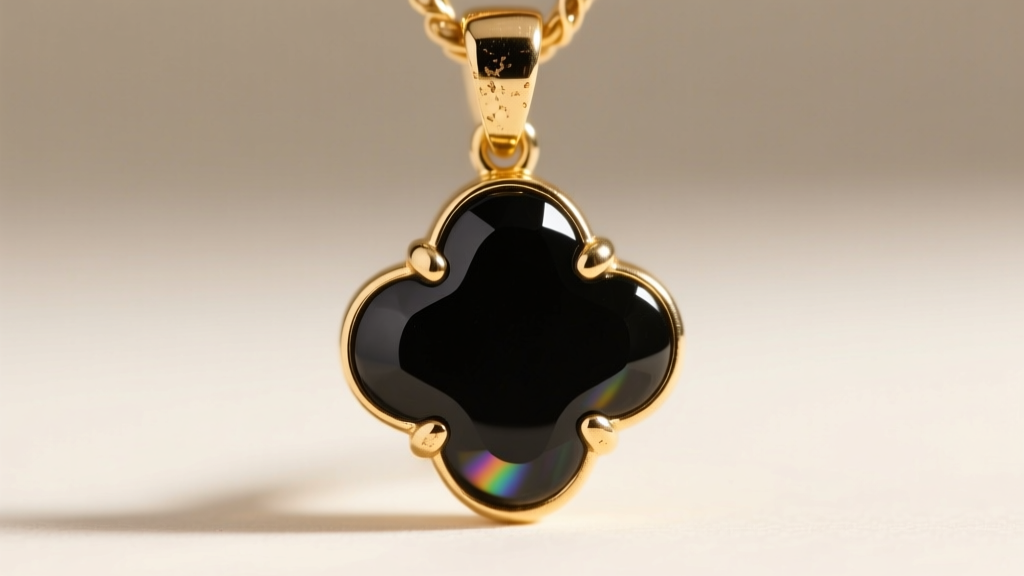
Black Onyx: While significantly harder than malachite, black onyx is often dyed to achieve its deep, uniform color. Harsh chemical cleaners can sometimes leach the dye, causing the stone to look faded or patchy. Furthermore, onyx can possess microscopic internal fractures; the high-frequency vibrations of an ultrasonic cleaner can cause the stone to split entirely.
The 2026 Professional Cleaning Protocol
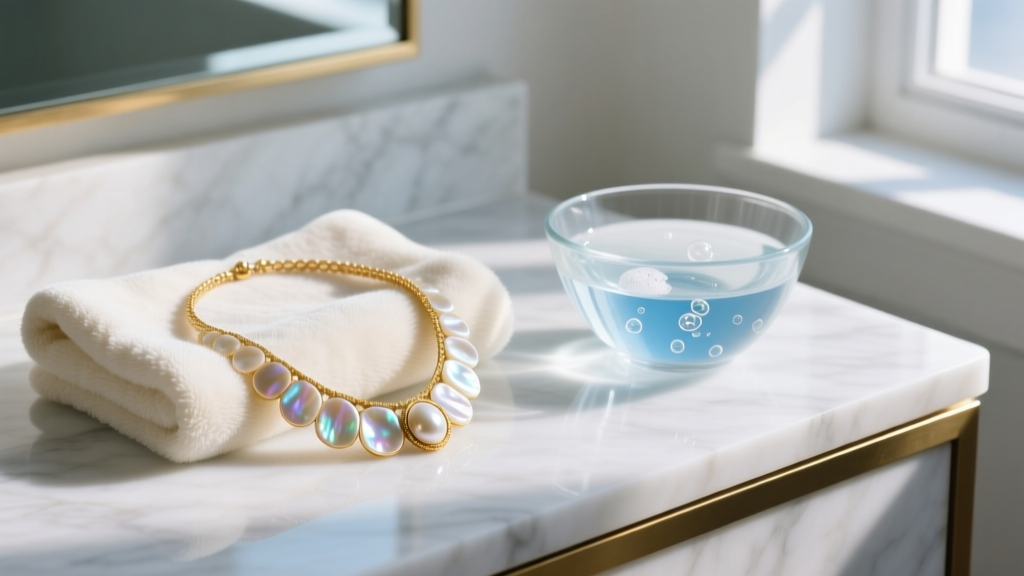
Forget commercial silver polishes, ammonia-based glass cleaners, and toothpaste. To safely remove sebum, lotion buildup, and environmental dust from your necklace, follow this exact protocol.
Required Tools
- Distilled Water: Never use tap water. Tap water contains chlorine, fluoride, and dissolved minerals (calcium and magnesium) that will leave microscopic calcified water spots on porous stones like malachite when the water evaporates.
- Phosphate-Free Dish Soap: Use a basic, lotion-free dish soap (like original Dawn). Avoid soaps with added moisturizers or citrus extracts.
- Extra-Soft Infant Toothbrush: Standard adult toothbrushes have stiff nylon bristles that can scratch malachite and pearl. Use a brush designed for infants, or a dedicated goat-hair jewelry brush.
- Lint-Free Microfiber Cloth: For final polishing and moisture removal.
- Canned Compressed Air: To blow moisture out of the crevices between the gold bezel and the stone.
Step-by-Step Washing Technique
- Prepare the Solution: Mix three drops of dish soap into one cup of lukewarm (never hot) distilled water in a glass bowl. Hot water can cause thermal shock, particularly to onyx and carnelian, leading to internal cracking.
- Targeted Agitation: Dip the infant toothbrush into the solution and gently tap the bristles against the gold chain and the back of the pendant. Do not scrub the face of the stone aggressively. Use gentle, circular motions to loosen lotion buildup trapped under the gold bezel.
- The Rinse: Submerge the pendant briefly in a second bowl of pure distilled water to rinse away the soap suds. Do not hold the necklace under a running faucet, as the water pressure can force moisture deep into the setting.
- Moisture Extraction: Lay the necklace flat on a dry microfiber cloth. Use a short burst of compressed air to blow out any trapped water droplets from the edges where the gold meets the stone. This prevents hard water rings and protects the adhesive or mechanical friction fit of the setting.
- Final Polish: Gently buff the 18k gold chain and the stone face with a clean, dry section of the microfiber cloth to restore the high-shine finish.
Critical Failure Modes: What Destroys Porous Stones
Most damage to stone inlay necklaces occurs not during cleaning, but during daily wear and improper storage. Be hyper-aware of the following failure modes:
"The number one cause of irreversible damage to malachite and pearl jewelry is the 'spray and wear' habit. Applying perfume, hairspray, or body mist while wearing the necklace allows alcohol and essential oils to settle directly onto the porous stone, degrading the polish over time."
Cosmetic Buildup: Heavy body butters, sunscreen, and liquid foundations will cake into the tiny gaps between the gold milgrain edging and the stone. This not only dulls the appearance of the necklace but can trap moisture against the stone, accelerating degradation. Always put your necklace on after your skincare and cosmetics have fully absorbed.
Ultrasonic Cleaners: While modern 2026 ultrasonic jewelry cleaners are highly effective for diamond and plain gold chains, they are lethal to clover-style stone inlays. The cavitation process creates microscopic bubbles that implode with immense force, which will pit the surface of mother-of-pearl and shatter stones with hidden internal flaws.
Long-Term Storage and Chain Maintenance
How you store your Van Klief necklace is just as critical as how you clean it. 18k gold is a relatively soft metal. If you toss your necklace into a communal jewelry box, the harder stones (like onyx or carnelian) will easily scratch the gold settings of adjacent pieces, while the gold chains can leave micro-abrasions on softer stones like malachite.
Optimal Storage Conditions
- Individual Compartments: Always store the necklace in its original soft-lined box or a dedicated satin pouch. Ensure the pendant lies completely flat so the chain does not tangle around the stone.
- Climate Control: While 18k gold resists tarnish better than sterling silver, the copper alloy within it can still oxidize in high-humidity environments. Store your jewelry in a room with stable humidity (ideally below 50%).
- Anti-Tarnish Strips: If you live in a coastal or highly humid area, place a 3M anti-tarnish strip inside the storage pouch to absorb sulfur compounds from the air, keeping the gold bezel bright and reflective.
When to Seek Professional Restoration
Even with meticulous care, mechanical wear is inevitable. The gold prongs or bezels that secure the stone can wear down over years of friction against clothing. Once a year, take your necklace to a certified bench jeweler for a microscopic prong check. If you notice the stone rattling slightly, or if the gold bezel feels rough and is catching on silk fabrics, it requires immediate professional re-tipping or bezel burnishing. Furthermore, if your malachite or pearl has already suffered chemical etching or loss of luster, a professional lapidary can carefully re-polish the stone using specialized cerium oxide compounds, restoring the original factory mirror finish without damaging the surrounding gold setting. For more on gemstone durability, refer to the GIA Onyx Care Guide to understand how different quartz-family stones respond to long-term wear and professional refinishing.


