Is a Thick Gold Necklace Worth It? 2026 Value Guide
Discover if a thick gold necklace is a smart investment in 2026. We break down solid vs. hollow, karat costs, and how to spot true value.

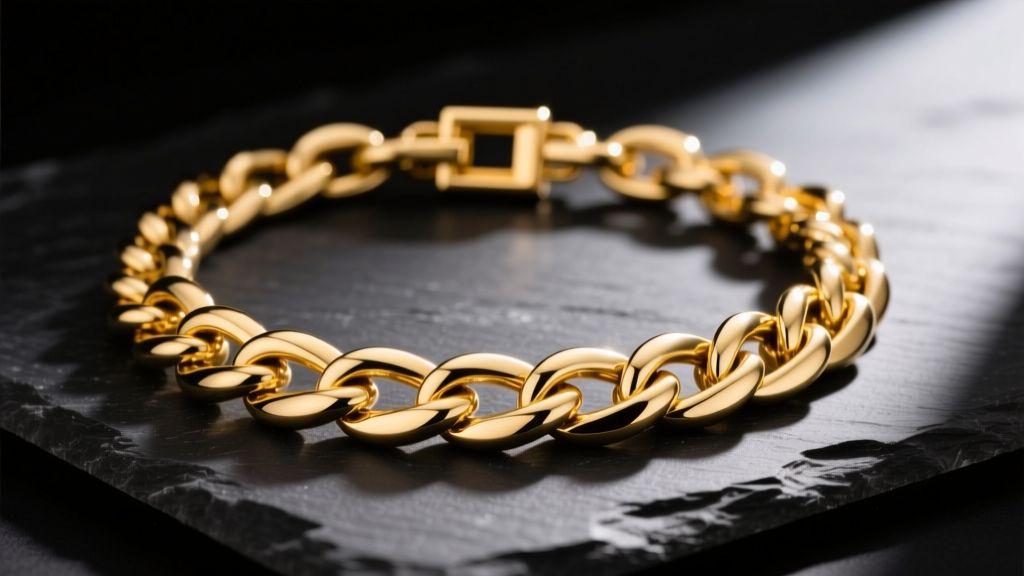
The Real Cost of a Thick Gold Necklace in Today's Market
When evaluating a thick gold necklace as a financial and sartorial asset, understanding the intersection of raw material costs and retail craftsmanship is essential. With gold spot prices stabilizing in the high $2,400 to $2,600 per ounce range throughout early 2026, the baseline cost of heavy jewelry has surged. A necklace measuring 10mm to 14mm in width is generally considered "thick" in the jewelry industry. However, width alone does not dictate value; gram weight is the ultimate metric.
To assess true value, you must calculate the melt value versus the retail premium. The formula is straightforward: (Weight in Grams / 31.103) x Current Spot Price x Karat Purity. For example, a solid 14K gold Cuban link chain weighing 85 grams contains roughly 49.7 grams of pure gold. At a spot price of $2,500/oz, the raw melt value is approximately $4,000. If a jeweler is selling this piece for $4,800, you are paying a 20% premium over melt—an excellent benchmark for a high-quality, hand-finished piece. According to market data from Kitco, premiums on heavy chains are generally lower by percentage than on delicate chains, making thick chains a superior vehicle for storing wearable wealth.
Solid vs. Hollow: The Ultimate Value Trap
The most common pitfall when shopping for heavy chains is the illusion of thickness created by hollow manufacturing techniques. Electroforming allows manufacturers to create a 12mm rope or Cuban chain that weighs a mere 15 grams, compared to the 90+ grams a solid version would require. While the upfront cost might be $900 instead of $7,000, hollow chains are a severe liability.
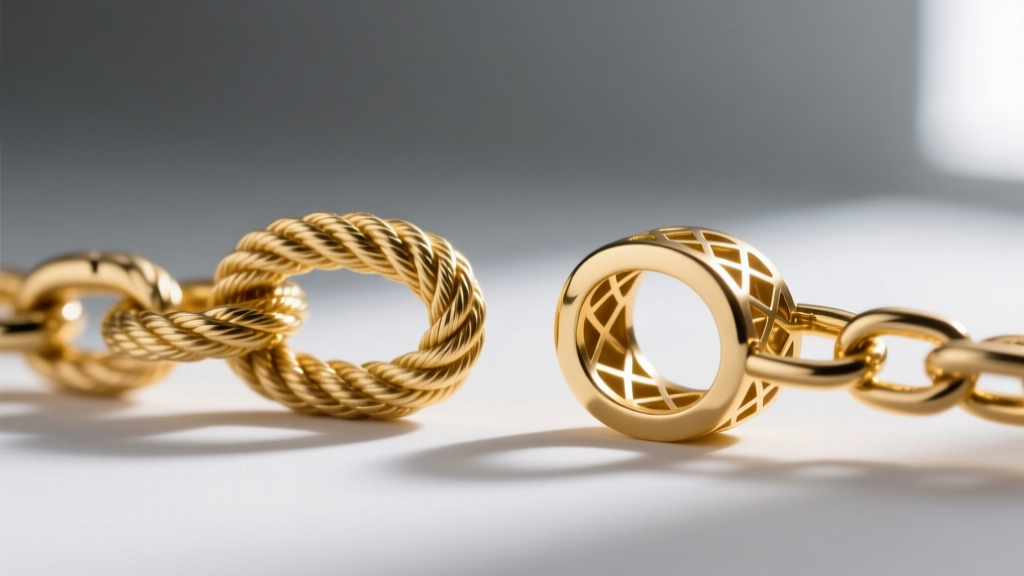
Hollow chains are highly susceptible to crushing. A simple snag on a heavy jacket zipper or a door handle can permanently dent the links. More critically, hollow chains are virtually impossible to repair. Standard torch soldering will melt the thin gold shell, and even advanced laser welding struggles to reinforce a crushed hollow link without leaving a visible, weak scar. If you are investing in a thick gold necklace for daily wear, solid construction is non-negotiable. Always ask the jeweler for the exact gram weight and compare it to industry standards for that specific chain width and style.
Karat Breakdown: 10K, 14K, 18K, and 22K Pricing
The karat system dictates the ratio of pure gold to alloy metals like copper, silver, and zinc. This ratio dramatically impacts both the price and the structural integrity of a heavy chain. The Gemological Institute of America (GIA) notes that pure gold is too soft for functional jewelry, making alloy selection critical for tensile strength.
| Karat | Gold Purity | Primary Alloys | Tensile Strength | Best Use Case |
|---|---|---|---|---|
| 10K | 41.7% | Copper, Zinc, Nickel | Very High | Budget-heavy chains, high-impact daily wear |
| 14K | 58.5% | Copper, Silver, Zinc | High | The sweet spot for durability, color, and value |
| 18K | 75.0% | Copper, Silver, Palladium | Moderate | Luxury pieces, occasional wear, rich yellow hue |
| 22K | 91.6% | Copper, Silver | Low | Investment pieces, cultural jewelry, prone to stretching |
For a thick gold necklace meant to be worn regularly, 14K remains the undisputed champion in 2026. It offers the ideal compromise between a rich golden color and the tensile strength required to support heavy links and clasps without stretching over time. While 18K offers a deeper, more saturated yellow tone, the higher gold content makes the links softer; a heavy 18K rope chain can actually stretch under its own weight if hung improperly.
Chain Styles That Maximize Budget and Durability
Not all chain styles are created equal when it comes to gram weight distribution and structural integrity. When allocating a budget for a thick piece, consider the following profiles:
- Cuban Link: The gold standard for thick chains. The interlocking, flat-filed links lay flush against the chest, distributing weight evenly. Because they require extensive hand-filing and diamond-cutting, expect to pay a higher fabrication premium (25-35% over melt) for high-end Cuban links.
- Figaro: Featuring a pattern of three short links followed by one long link, Figaro chains offer a wider visual footprint with slightly less gram weight than a solid Cuban. This makes them an excellent budget-friendly alternative that still provides a bold, masculine aesthetic.
- Solid Rope: Created by twisting multiple strands of gold wire, rope chains catch the light brilliantly. However, the deep grooves in the twist are notorious for trapping skin oils, lotions, and hair. If you choose a thick rope chain, commit to monthly ultrasonic cleanings to prevent grime buildup that can degrade the metal over time.
Hidden Costs: Clasps, Soldering, and Maintenance
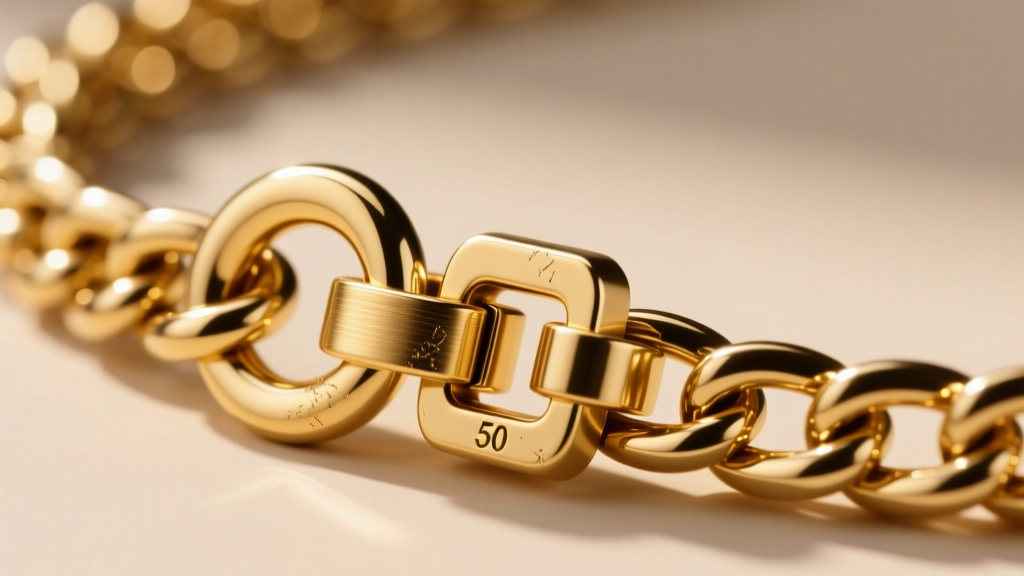
A thick gold necklace is only as strong as its weakest point, which is almost always the clasp. Standard spring-ring or small lobster clasps are entirely inadequate for chains weighing over 40 grams. The tension will eventually warp the clasp mechanism, leading to catastrophic failure and loss of the chain.
For any heavy chain, insist on a box clasp with a figure-eight safety latch. The box clasp uses a V-shaped tongue that clicks securely into a grooved housing, while the figure-eight wire provides a secondary backup if the primary tongue wears down. According to repair guidelines from Jewelers of America, replacing a worn box clasp on a heavy chain can cost between $150 and $300, depending on the gold weight of the clasp itself. Furthermore, if a thick solid link breaks, laser welding is required. Traditional torch soldering leaves a dark, brittle seam on thick links, whereas laser welding fuses the gold cleanly, though it typically costs $100 to $200 per repair. Factor these potential maintenance costs into your initial purchasing budget.
Final Verdict: How to Buy Smart
Is a thick gold necklace worth the investment in 2026? Absolutely, provided you approach the purchase as an acquisition of raw assets combined with functional art. To ensure you are getting genuine value, always demand the exact gram weight, verify the hallmark with a nitric acid or electronic gold tester if buying secondhand, and refuse to compromise on solid construction. By prioritizing 14K gold, selecting a structurally sound style like the Cuban link, and ensuring the piece is equipped with a heavy-duty box clasp, your thick gold necklace will serve as both a timeless style anchor and a resilient store of value for decades to come.


