Dick Necklace Value Guide: Materials & Pricing 2026
Evaluating the dick necklace trend: a budget and value assessment of materials, pricing tiers, and how to avoid cheap, skin-irritating novelty metals.

The intersection of meme culture, sex-positive fashion, and alt-aesthetics has firmly cemented the dick necklace as a staple of novelty and subcultural jewelry in 2026. What began as a purely comedic gag gift has evolved into a legitimate statement piece worn in punk, queer, and avant-garde fashion circles. However, as the demand for edgy, anatomical, and phallic-shaped pendants has surged, the market has been flooded with everything from high-end artisan metals to toxic, mass-produced dropship junk.
When assessing the budget and true value of a dick necklace, you cannot simply look at the price tag. A $12 pendant might seem like a steal until it leaves a green ring around your neck and triggers severe contact dermatitis. Conversely, a $75 handcrafted piece might feel like a splurge, but its cost-per-wear and material longevity make it a superior investment. This guide breaks down the metallurgy, pricing tiers, and hardware realities of novelty pendants to help you determine exactly what your money is buying.
The Anatomy of a Novelty Pendant
To properly assess value, we must first separate the pendant from the chain. The vast majority of budget-related complaints in the novelty jewelry space stem from buyers assuming a single low price guarantees a cohesive, skin-safe product. In reality, many cheap dick necklaces pair heavily plated, porous zinc-alloy pendants with hollow, easily snapped brass chains. Understanding the material composition of both the anatomical charm and the hardware it hangs from is the first step in making an informed, budget-conscious purchase.
Material Breakdown: The True Cost of Edgy Jewelry
The price of a phallic pendant is directly tied to its base metal or casting material. Here is how the most common materials stack up in terms of value, safety, and longevity.
| Material | Avg. Price Range | Skin Safety | Tarnish & Corrosion Risk |
|---|---|---|---|
| Zinc Alloy (Zamak/Pot Metal) | $3 - $12 | Poor (High Nickel Risk) | Extreme (Turns skin green) |
| 316L Surgical Stainless Steel | $15 - $30 | Good (For outer wear) | Low (Highly corrosion resistant) |
| ASTM F136 Implant-Grade Titanium | $45 - $85 | Excellent (Hypoallergenic) | None |
| Sterling Silver (925) | $50 - $120 | Very Good | Moderate (Requires polishing) |
| Platinum-Cure Silicone / Resin | $20 - $45 | Excellent (Non-toxic) | None (But can stain) |
Pricing Tiers: Where Does Your Budget Fit?
Not every buyer needs a $100 solid silver anatomical charm. Your budget should align with your intended use case—whether it is a one-night novelty, a festival accessory, or a daily-wear subculture staple.
Tier 1: The Under $15 Dropship Trap
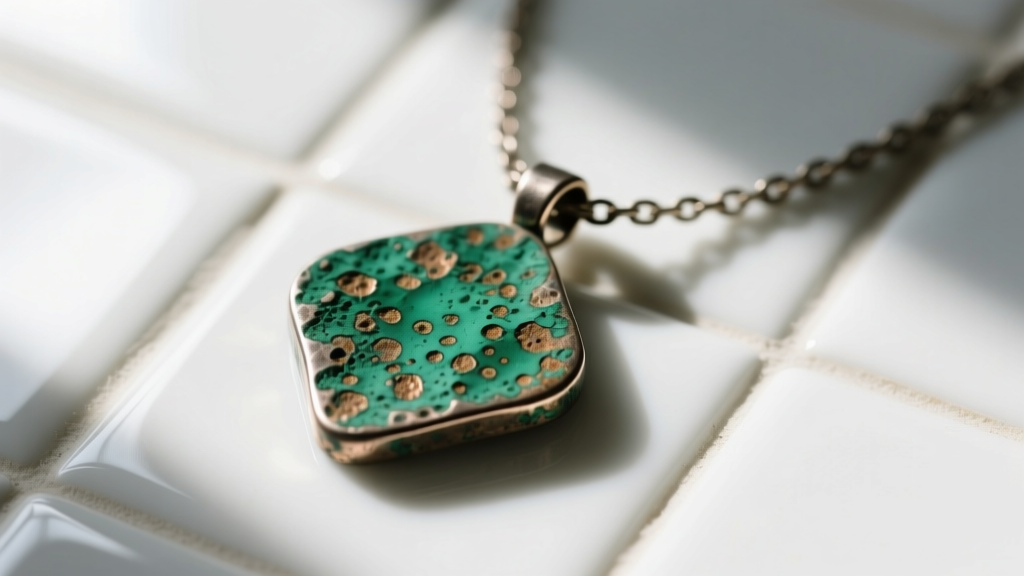
If you are browsing massive online marketplaces and see a metal dick necklace priced under $15 with free shipping, you are almost certainly looking at Zamak (a zinc alloy). While zinc itself is relatively safe, cheap casting alloys frequently contain high levels of nickel and lead to lower the melting point during manufacturing. According to the Mayo Clinic, nickel allergy is one of the most common causes of allergic contact dermatitis, resulting in itchy, red, and blistering skin. Furthermore, the American Academy of Dermatology notes that prolonged exposure to cheap base metals reacting with sweat is what causes the dreaded 'green skin' effect. At this price point, the value is virtually zero; you are paying for a disposable item that will degrade within weeks.
Tier 2: The $20–$45 Artisan & Silicone Market
This is the sweet spot for festival-goers and those seeking colorful, flexible, or highly stylized novelty pieces. Independent creators on platforms like Etsy frequently use platinum-cure silicone or high-grade epoxy resins to cast anatomical pendants. Unlike tin-cure silicone, which can leach toxic byproducts and shrink over time, platinum-cure silicone is body-safe, non-toxic, and highly durable. When assessing value in this tier, look for sellers who explicitly state their materials are body-safe and use stainless steel jump rings rather than glued-on bail caps, which frequently snap under the weight of dense resin.
Tier 3: The $50+ Fine Novelty Tier
For those treating the dick necklace as a permanent fixture of their everyday alt-fashion wardrobe, the $50 to $120 range offers legitimate fine jewelry quality. In the United States, the Federal Trade Commission (FTC) Jewelry Guides strictly regulate precious metal stamping. If a pendant is stamped '925', it must legally contain 92.5% pure silver. Artisans in this tier also utilize ASTM F136 implant-grade titanium, which is entirely nickel-free and safe even for those with severe metal sensitivities. While the upfront cost is higher, the cost-per-wear drops significantly over years of daily use, making it the highest value tier for serious collectors.
Chain Pairings: Don't Ruin a Good Pendant
A common budgeting mistake is spending $60 on a high-quality titanium or sterling silver phallic pendant, only to hang it on a $4 hollow brass chain. This creates a severe value imbalance. Brass and copper chains will oxidize rapidly, stain your clothing, and eventually snap, risking the loss of your expensive pendant.
When evaluating the total cost of your necklace, factor in the hardware. A high-quality 316L stainless steel rope or box chain (typically 1.5mm to 2.5mm in thickness) should cost between $15 and $25. Pay close attention to the clasp and jump rings. Spring ring clasps are notoriously fragile and difficult to operate with one hand; always opt for a lobster claw clasp. Additionally, ensure the jump ring connecting the clasp to the chain is soldered shut. If there is a visible gap in the jump ring, it will eventually pull apart, dropping your pendant.
The Final Value Verdict
The dick necklace has transcended its origins as a cheap punchline to become a recognized category of expressive, boundary-pushing jewelry. However, the novelty label should never be an excuse for poor metallurgy or unsafe materials. If your budget is strictly under $20, pivot away from cheap metals and opt for body-safe silicone or resin alternatives from verified independent artists. If you have $50 or more to invest, demand 316L surgical steel, implant-grade titanium, or properly stamped 925 sterling silver, paired with a sturdy, soldered stainless steel chain.
Ultimately, the true value of any piece of jewelry—no matter how provocative or humorous its shape—lies in its ability to be worn safely, comfortably, and confidently. By understanding the materials and pricing tiers outlined above, you can navigate the 2026 novelty jewelry market with a critical eye, ensuring your budget translates into a piece that lasts far longer than the initial laugh.


