Dirty Mids Necklace Guide: Raw & Oxidized Mid-Lengths
Discover the dirty mids necklace trend. Learn how to style, layer, and care for raw, oxidized mid-length chains with our beginner-friendly guide.

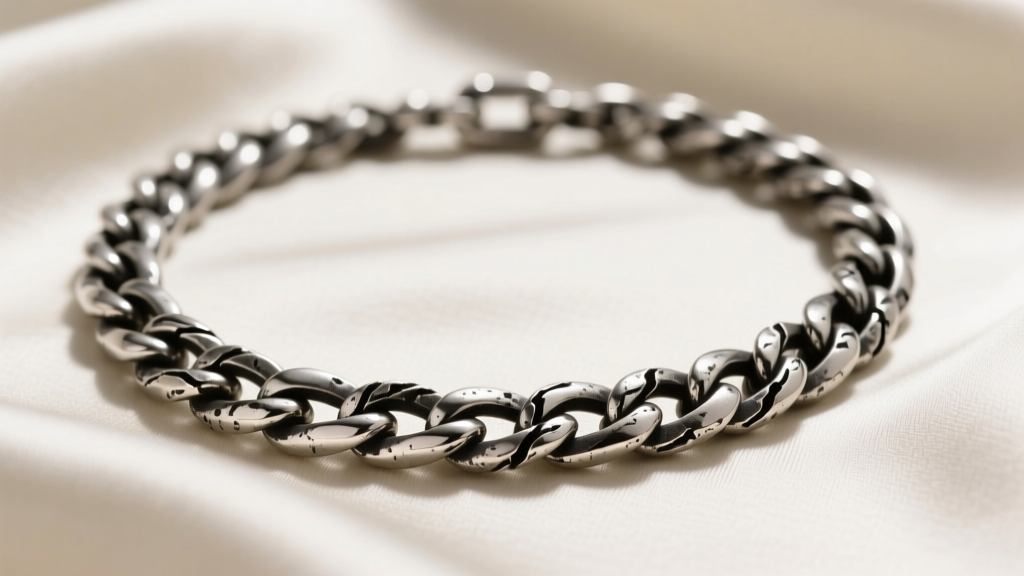
What Exactly Is a "Dirty Mids" Necklace?
In the evolving landscape of alternative, gothic, and streetwear-inspired jewelry, niche terminology often emerges to describe highly specific aesthetics. One such term gaining serious traction among jewelry collectors and stylists is the dirty mids necklace. But what does it actually mean? To the untrained eye, it might sound like a piece of jewelry that simply needs a good cleaning. In reality, it refers to a deliberate, highly curated intersection of finish and proportion.
The term breaks down into two distinct components:
- "Dirty": This refers to the finish and material state. It encompasses oxidized metals, raw unpolished alloys, antiqued patinas, and included or "imperfect" gemstones (like salt-and-pepper diamonds or raw rutilated quartz). It is the antithesis of high-polish, pristine luxury.
- "Mids": This refers to the physical length of the chain. In necklace layering, "mids" (or mid-lengths) sit squarely between the collarbone-hugging choker (14-16 inches) and the deep rope or lariat (28-36 inches). A true mid-length falls between 20 and 24 inches, resting on the upper chest or sternum.
When combined, a dirty mids necklace is a mid-length chain featuring a distressed, industrial, or raw aesthetic. It serves as the ultimate anchor piece for grunge-inspired layering, offering a heavy, textured visual weight that polished gold or silver simply cannot achieve.
The Anatomy of the Mid-Length Grunge Chain
Not every chain can pull off the "dirty" aesthetic. Delicate cable chains or lightweight box chains often look broken or tarnished when subjected to heavy oxidation. To achieve the right look, you need specific link profiles and substantial gauge sizes.
Chain Gauges and Link Styles
For a dirty mid to look intentional rather than neglected, the chain must have enough surface area to showcase the patina. We recommend looking for chains with a thickness (gauge) between 3mm and 6mm. Here are the top three link styles that excel in this category:
- Figaro Chains (4mm-5mm): The alternating pattern of flattened links creates deep crevices that trap oxidizing agents, resulting in a striking contrast between dark recesses and slightly rubbed-high edges.
- Rope Chains (3mm-4mm): The twisted, helical structure of a rope chain catches light unevenly, enhancing the raw, unrefined look of unpolished brass or bronze.
- Cuban Link Chains (5mm-6mm): Heavy, interlocking flat links provide a bold, industrial canvas. When oxidized, the tight gaps between the links turn pitch black, giving the chain a heavy, forged appearance.
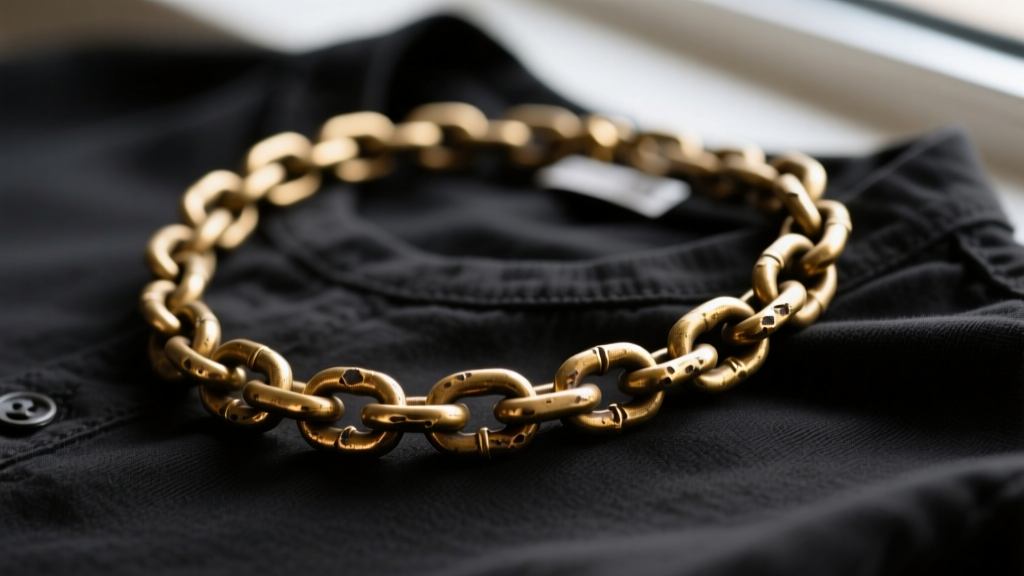
The "Dirty" Finish: Oxidation vs. Raw Alloys
The "dirty" finish is typically achieved through one of two metallurgical routes, each requiring a different base metal. According to experts at Rio Grande Jewelry Supply, the most common method for silver is forced oxidation using Liver of Sulfur (potassium sulfide). This chemical reacts with the copper content in 925 sterling silver to create a dark, blackish-grey patina. Interestingly, 999 fine silver does not oxidize well because it lacks copper; therefore, a high-quality dirty mid will almost always be crafted from 925 sterling silver or a custom silver-copper alloy.
Alternatively, the "raw" route utilizes unsealed brass, bronze, or copper. These base metals naturally oxidize when exposed to air, moisture, and the natural oils of your skin. Over months of wear, a raw brass mid-length chain will develop a rich, dark golden-brown patina that is entirely unique to the wearer's body chemistry.
Sizing and Proportions: Finding Your Mid
The placement of a mid-length chain drastically alters its visual impact. While 20 to 24 inches is the general category, your height and torso length will dictate which exact measurement works best. Use the chart below to find your ideal dirty mid placement:
| Chain Length | Placement | Best Neckline Pairing | Visual Effect |
|---|---|---|---|
| 20 Inches | Base of the neck / Collarbone | Crew neck, Scoop neck | Subtle, acts as a heavy choker alternative |
| 22 Inches | Upper chest / Sternum | V-neck, Open button-down | The true "Mid" — perfect for layering |
| 24 Inches | Mid-chest / Solar plexus | Turtleneck, Deep plunge | Bold, leans slightly into pendant territory |
How to Style and Layer Your Dirty Mid
The dirty mids necklace is rarely worn alone; it is a foundational layering piece. To achieve a professional, editorial grunge look, you must adhere to the rules of visual spacing. The golden rule of necklace layering is the 6-to-8 inch gap. If your chains are too close in length, they will tangle and create a cluttered, messy look rather than a curated one.
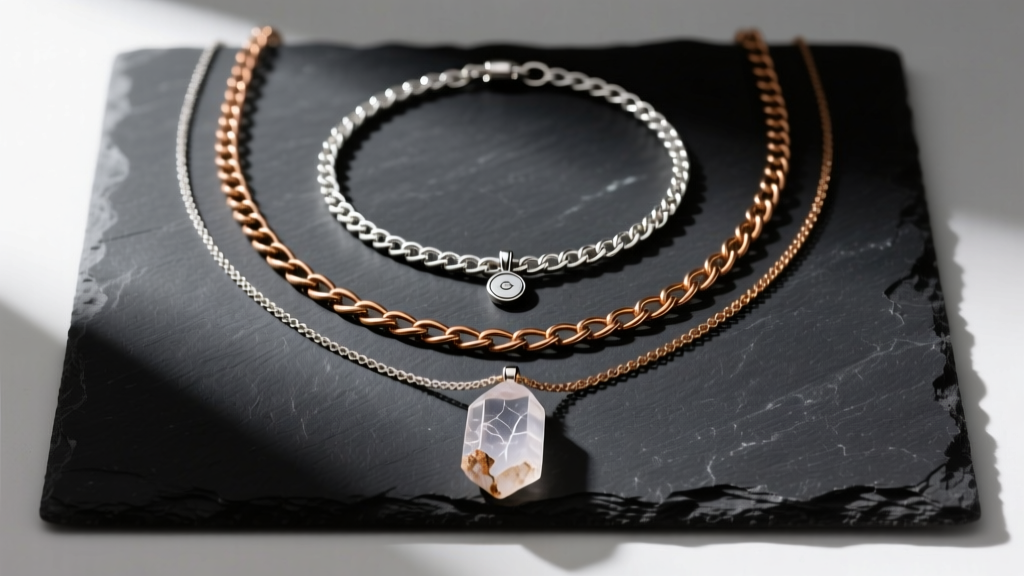
Stylist's Formula: Pair a 14-inch oxidized silver choker with your 22-inch dirty mid chain, and finish with a 30-inch raw quartz pendant. This creates a cascading triangle of weight that draws the eye downward without tangling.
When incorporating gemstones into your dirty mid, avoid perfectly faceted, high-clarity stones. Instead, look for "included" gems. The Gemological Institute of America (GIA) notes that inclusions are often treated as flaws in traditional luxury, but in the dirty aesthetic, stones like salt-and-pepper diamonds, raw emeralds, and tourmalinated quartz are prized for their internal landscapes and rugged textures.
Maintenance: Keeping the Grit Without the Green
One of the most common complaints from beginners exploring raw and oxidized metals is skin discoloration. Raw brass and copper-heavy alloys can react with sweat and lotions, leaving a harmless but unsightly green or black mark on your chest. Furthermore, you want to preserve the "dirty" patina in the crevices of the chain without it rubbing off entirely onto your clothing.
Here is how to maintain your piece like a pro:
- Seal the Metal: Apply a micro-thin layer of Renaissance Wax or a jewelry-specific sealer like ProtectaClear to the back of the chain links that touch your skin. This creates an invisible barrier that prevents the copper reaction while preserving the dark, oxidized look of the metal.
- Avoid Ultrasonic Cleaners: Never put an oxidized dirty mid into an ultrasonic jewelry cleaner. The high-frequency vibrations and chemical baths will strip the liver of sulfur patina right out of the chain's crevices, leaving you with a bright, polished chain that ruins the aesthetic.
- Spot Polishing: If the high points of the chain become too dark and lose their contrast, use a dry, soft polishing cloth to gently buff only the raised edges. This restores the metallic shine on the surface while keeping the recesses pitch black.
Price Guide: What Should You Pay?
Because the dirty mids trend bridges the gap between mass-market streetwear and artisanal gothic jewelry, pricing can vary wildly. Understanding the material grades will help you avoid overpaying for plated base metals disguised as raw alloys. For deeper insights into jewelry crafting materials, the Fire Mountain Gems Encyclopedia offers excellent breakdowns of base metal versus precious metal costs.
| Material Category | Typical Price Range | Durability & Notes |
|---|---|---|
| Raw Brass / Bronze | $40 - $90 | Highly durable, will naturally patina. Requires sealing to prevent skin discoloration. |
| Oxidized 925 Sterling Silver | $120 - $350 | Premium choice. Patina is chemically forced and long-lasting. Hypoallergenic. |
| Artisan / Designer (with raw gems) | $400 - $1,200+ | Features hand-forged links, custom liver of sulfur finishes, and included gemstones. |
| "Antiqued" Silver-Plated Brass | $15 - $35 | Avoid. The dark finish is often painted or thinly plated and will rub off to reveal bright yellow brass underneath. |
Ultimately, the dirty mids necklace is more than just a trend; it is a rejection of sterile, mass-produced perfection in favor of texture, history, and industrial grit. By understanding the metallurgy of oxidation, selecting the proper gauge weights, and mastering the mathematics of layering, you can build a mid-length chain collection that looks intentionally rugged and effortlessly striking.


