Disney Girls Crew Necklace Troubleshooting & Care Guide
Is your Disney girls crew necklace tarnishing or breaking? Discover expert troubleshooting tips, clasp repairs, and material upgrades for theme park trips.

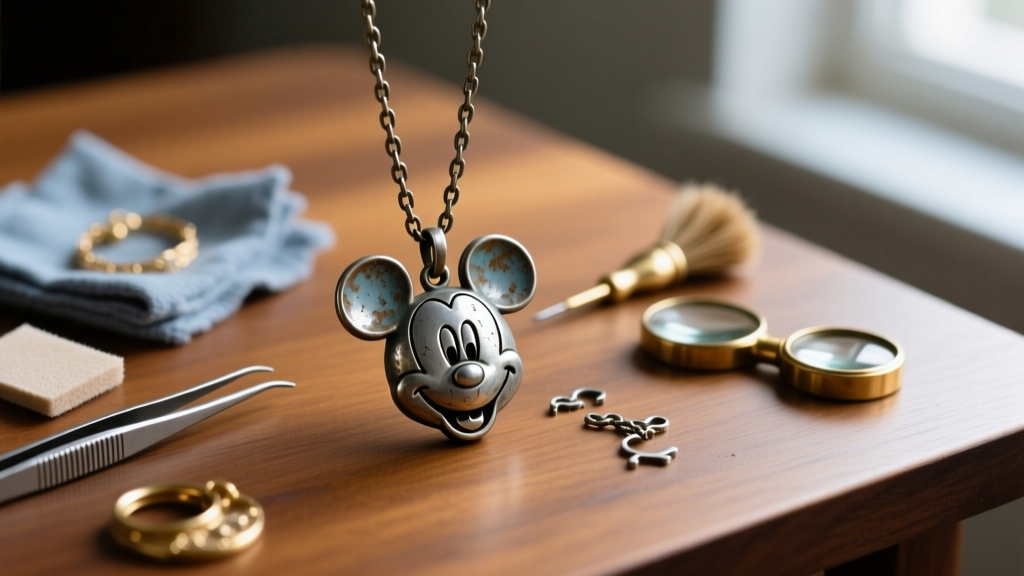
Matching jewelry is a staple for family vacations, bachelorette parties, and friend group theme park trips. The Disney girls crew necklace has become a massive trend for the 2026 park season, with squads sporting matching Mickey silhouettes, princess crests, or Lilo & Stitch charms. However, the reality of wearing novelty jewelry in the high-humidity, high-sweat environment of a theme park often leads to disaster. Within 48 hours, you might notice green skin, snapped chains, or clasps that refuse to stay closed.
As a jewelry specialist, I see these exact failures constantly. Novelty crew necklaces are frequently mass-produced with cost-cutting metallurgy that simply cannot withstand the rigors of a 14-hour park day. This guide dives deep into the material science behind these failures and provides actionable, step-by-step troubleshooting to save your matching set before your next trip.
The Most Common Disney Crew Necklace Failures
Before we can fix the jewelry, we need to diagnose the exact point of failure. Theme park environments are notoriously hostile to fashion jewelry due to a combination of UV exposure, chemical sunscreens, and physical G-forces on attractions.
1. The 'Green Skin' Chemical Reaction
If your crew is complaining of itchy, green-stained necks by 2:00 PM, you are dealing with a base metal reaction. Most budget-friendly crew necklaces are cast from zinc alloy or brass and feature a microscopic 'flash plating' of silver or gold. When this plating wears off, the underlying copper and zinc react with the chlorides and salts in human sweat, as well as the active ingredients in chemical sunscreens (like avobenzone). This creates copper chloride, which leaves a stubborn green or black residue on the skin.
2. Spring Ring Clasp Snapping on Rollercoasters
The standard 4mm spring ring clasp is the weakest link on any novelty chain. The internal tension spring is incredibly fragile. When you ride high-velocity attractions like Tron Lightcycle Run or Space Mountain, the sudden G-force changes cause the pendant to whip outward, placing immense sheer stress on the clasp's tiny soldered ring. If the clasp catches on a t-shirt collar or hair during the ride, the spring mechanism will permanently deform, leaving the necklace unusable.
Material Breakdown: Why Your Novelty Jewelry is Failing
To understand how to troubleshoot your Disney girls crew necklace, you must identify what it is actually made of. Sellers often use misleading terms like 'silver-plated' or 'stainless' without specifying the grade. Here is a metallurgical breakdown of common crew necklace materials and their actual theme park durability.
| Material Grade | Base Metal | Plating / Finish | Park Durability | Avg. Price Range |
|---|---|---|---|---|
| Zinc Alloy (Fashion) | Zinc/Copper Mix | Flash Plating (<0.1 microns) | Poor (Tarnishes in 24-48 hrs) | $8 - $15 |
| 316L Surgical Steel | Iron/Chromium/Nickel | Solid Alloy (PVD Coated) | Excellent (Sweat/Waterproof) | $18 - $35 |
| 925 Sterling Silver | 92.5% Silver / 7.5% Copper | Solid Alloy (Often Rhodium plated) | Good (Requires polishing) | $45 - $85 |
| Brass Base | Copper/Zinc | Gold Vermeil or Flash | Fair (Prone to brass rot) | $12 - $25 |
According to the Gemological Institute of America (GIA), sterling silver will naturally tarnish when exposed to sulfur and humidity, meaning even higher-end silver crew necklaces will require daily maintenance in Florida or California summers. For pure durability, 316L stainless steel with PVD (Physical Vapor Deposition) gold coating is the superior choice for theme park environments.
Step-by-Step Troubleshooting & Repair Guide
Do not throw away your matching set just because a clasp broke or the chain turned dull. With a few basic jewelry tools, you can rehabilitate your crew necklaces.
Fix 1: Upgrading the Clasp for High-G Rides
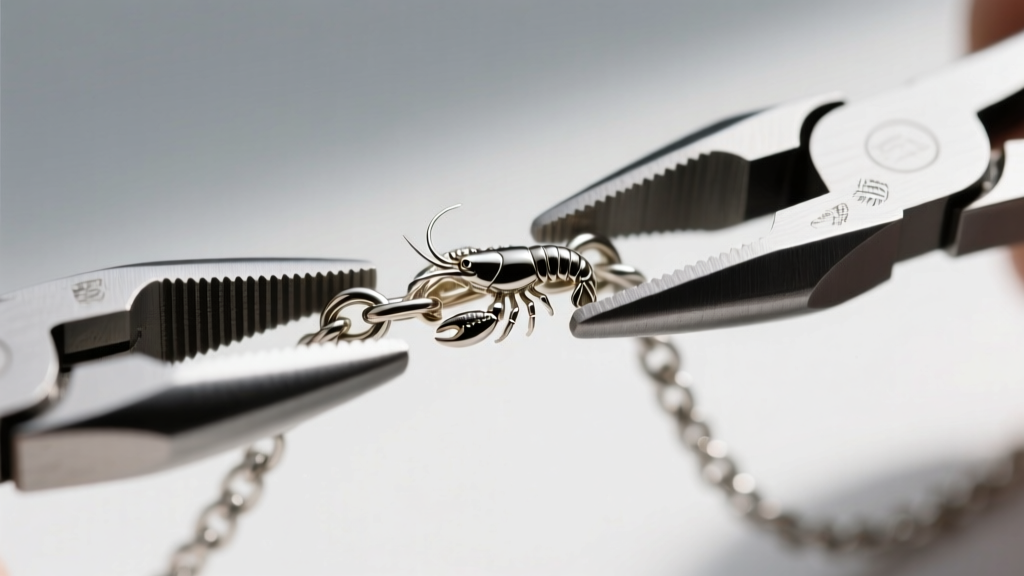
If your spring ring clasps are failing, swap them for 5mm stainless steel lobster clasps. Lobster clasps feature a solid internal spring and a heavier cast body that resists deformation.
- Tools Needed: Two pairs of flat-nose jewelry pliers, 5mm stainless steel lobster clasps, 3mm open jump rings (0.8mm thickness).
- Step 1: Use the flat-nose pliers to gently twist the existing jump ring open (always twist laterally, never pull apart, to maintain the circle shape).
- Step 2: Remove the broken spring ring and slide on the new 3mm jump ring.
- Step 3: Attach the lobster clasp and twist the jump ring securely closed. Ensure the ends of the jump ring are perfectly flush so they don't catch on hair.
Fix 2: Removing Sunscreen and Sweat Buildup
Chemical sunscreens and body oils create a waxy, grayish film that gets trapped inside the microscopic gaps of cable chains, making them look tarnished and feel stiff. According to dermatological and jewelry care standards, harsh chemical dips will strip flash plating entirely. Instead, use a mild surfactant approach.
Expert Cleaning Recipe: Mix three drops of phosphate-free dish soap (like Dawn) into a bowl of warm distilled water. Soak the necklace for 10 minutes. Use an extra-soft baby toothbrush to gently agitate the chain links. Rinse with distilled water and immediately dry with a microfiber cloth to prevent water spots.
Fix 3: Mitigating Nickel Contact Dermatitis
If members of your crew are experiencing red, itchy rashes, they may be reacting to nickel release from cheap base metals. The National Center for Biotechnology Information (NCBI) notes that nickel allergy is one of the most common causes of allergic contact dermatitis. If you cannot replace the necklaces immediately, apply a thin coat of clear, hypoallergenic nail polish to the back of the pendant and the clasp area to create a temporary physical barrier between the metal and the skin.
Sizing and Layering Fixes for Mixed-Age Crews
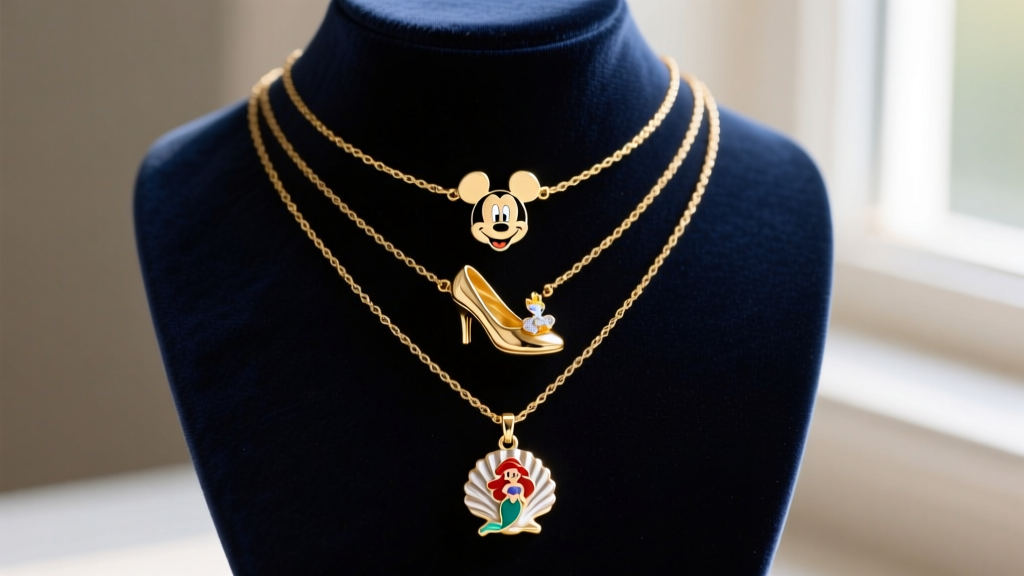
One of the biggest logistical headaches with a Disney girls crew necklace set is sizing. A 'crew' often spans multiple generations—perhaps a grandmother, a mother, and a 7-year-old daughter. A standard 16-inch chain will comfortably fit the child but will feel like a choker on the adult, especially in the sweltering heat.
The Extender Chain Solution
Rather than ordering custom lengths from third-party sellers (which delays shipping and ruins the surprise), buy a standardized 16-inch crew set and modify them locally.
- For Adults: Attach a 2-inch or 3-inch stainless steel extender chain to the clasp end. This allows the adult to wear the necklace at 18 or 19 inches, which sits perfectly at the collarbone and prevents sweat accumulation in the hollow of the neck.
- For Layering: If your crew wants to layer their character pendant with a simple park-purchased medallion, use the extender chain to drop the character pendant to 20 inches, allowing the secondary necklace to sit at 16 inches without tangling.
Final Verdict for the 2026 Park Season
A matching Disney girls crew necklace is a fantastic way to memorialize a group trip, but it requires a bit of metallurgical pragmatism. By proactively swapping out fragile spring ring clasps for heavy-duty lobster clasps, implementing a daily microfiber wipe-down to remove sunscreen, and utilizing extender chains for mixed-age groups, you can ensure your squad's jewelry survives the vacation. If you are purchasing a new set for an upcoming 2026 trip, bypass the zinc alloy options entirely and invest in 316L PVD-coated stainless steel to guarantee your memories remain untarnished.


