Material Guide: Crafting the Perfect DIY Seashell Necklace
Discover the best shells, stringing materials, and hardware for your DIY seashell necklace. Compare durability, water resistance, and aesthetics.

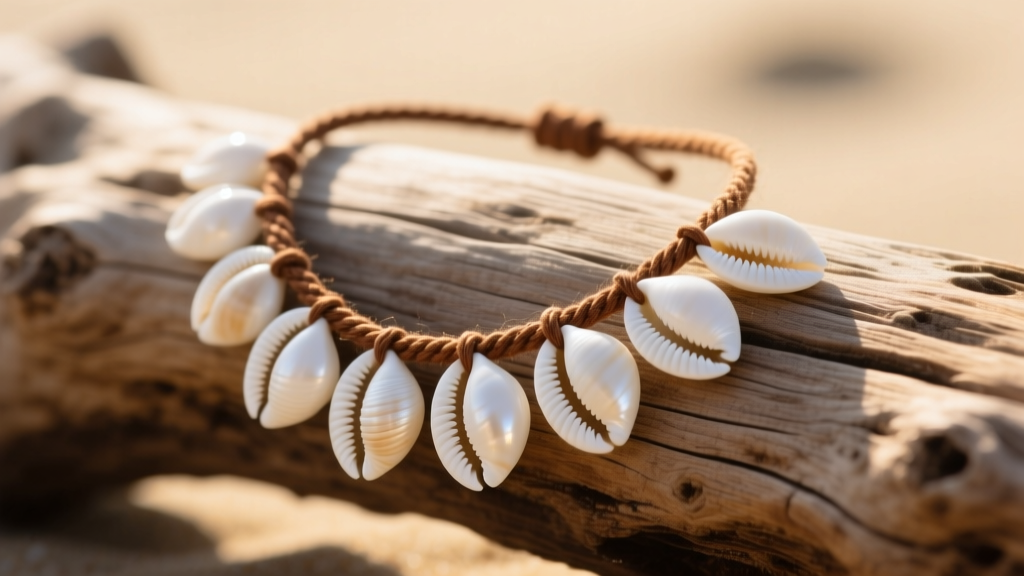
The Material Science of Coastal Jewelry
When designing a DIY seashell necklace, the romanticism of the beach often overshadows the material science required to make the piece last. Shells are not inert stones; they are organic, biomineralized structures primarily composed of calcium carbonate (CaCO3). This chemical makeup makes them inherently vulnerable to acidic environments, thermal shock, and mechanical abrasion. To craft a necklace that survives beyond a single summer vacation, you must approach your material selection with the same rigor a metallurgist applies to alloy blending.
In this comprehensive guide, we will dissect the physical properties of various shell types, evaluate the tensile strength of stringing mediums, and identify the exact hardware alloys required to prevent catastrophic failure and tarnish. Whether you are working with delicate abalone or robust puka, understanding these material interactions is the key to elevating your DIY seashell necklace from a fragile craft project to a durable, wearable artifact.
Shell Varieties: Hardness, Porosity, and Wearability
Not all shells are created equal. The durability of a shell is largely dictated by its crystalline structure. Most shells feature a cross-lamellar or nacreous (mother-of-pearl) structure, which provides varying degrees of toughness. According to the Gemological Institute of America (GIA), organic gems like shell generally fall between 2.5 and 4 on the Mohs hardness scale, making them significantly softer than quartz or agate.
Cowrie and Puka: The Daily Wear Champions
Cowrie shells and naturally tumbled puka shells are the workhorses of coastal jewelry. Puka shells, traditionally formed from the naturally weathered tips of cone snails, possess a dense, cross-lamellar structure that resists chipping. Cowrie shells, with their thick, enamel-like outer lips, offer excellent structural integrity. Both can withstand the mild abrasion of daily wear and the occasional impact against clothing or skin.
Abalone and Mother of Pearl: The Fragile Showstoppers
Abalone is prized for its breathtaking iridescence, a result of light interfering with its microscopic aragonite platelets. However, this nacreous layer is remarkably soft (Mohs 2.5) and highly susceptible to scratching. Furthermore, the porous nature of unsealed abalone makes it a sponge for lotions, perfumes, and acidic sweat, which can permanently dull its optical fire over time.
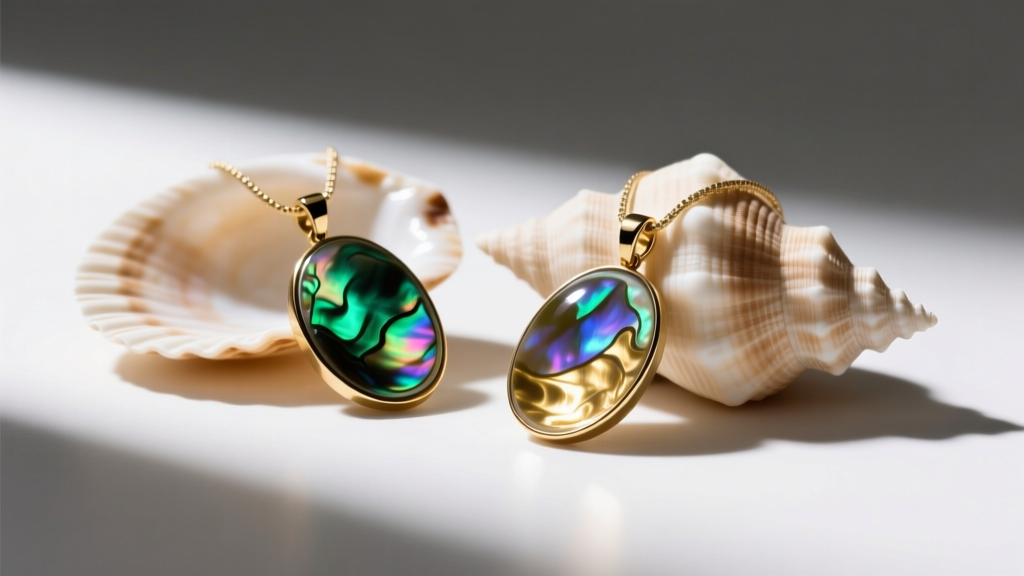
Material Comparison Matrix
| Shell Type | Mohs Hardness | Porosity | Best Stringing Method | Water/Sweat Resistance |
|---|---|---|---|---|
| Puka (Cone Snail) | 3.5 - 4.0 | Low | Waxed Cotton, Nylon | High |
| Cowrie | 3.0 - 3.5 | Very Low | Thick Leather, Hemp | High |
| Abalone | 2.5 - 3.0 | Medium-High | Silk, Fine Nylon | Low (Requires Sealing) |
| Conch (Queen) | 3.0 - 3.5 | Medium | Wire-wrapping, Cord | Medium |
The Chemistry of Shell Degradation and Sealing
Human sweat has a pH ranging from 4.5 to 7.0. Because calcium carbonate is highly reactive to acids, prolonged exposure to sweat will slowly dissolve the polished surface of your shells, leaving them chalky and brittle. To combat this, professional jewelers use archival-grade sealants.
Expert Framework: Avoid polyurethane sprays or clear nail polishes, which yellow under UV exposure and peel unpredictably. Instead, apply a microcrystalline wax, such as Renaissance Wax. Originally developed by the British Museum for artifact preservation, it creates a moisture-resistant, non-yellowing barrier that enhances the shell's natural luster without altering its tactile feel.
Drilling Protocols: Preventing Thermal Shock
If your DIY seashell necklace requires custom drilling, you must respect the thermal limits of calcium carbonate. Friction from a standard steel drill bit will generate localized heat, causing micro-fractures that shatter the shell. Always use diamond-coated core bits (1.0mm to 1.5mm diameter) paired with a rotary tool. Submerge the shell in a shallow bath of water while drilling. The water acts as a coolant to prevent thermal shock and suppresses hazardous silica and calcium dust. Keep your rotary tool between 5,000 and 10,000 RPM, applying zero downward pressure; let the diamond grit do the work.
Stringing Materials: Tensile Strength vs. Aesthetic Drape
The cord you choose dictates both the structural lifespan and the kinetic drape of the necklace. A heavy cowrie shell requires high tensile strength, while a delicate abalone pendant demands a supple, low-profile cord.
Waxed Cotton and Hemp (The Boho Standard)
Waxed cotton cords (typically 0.8mm to 1.5mm in diameter) are the industry standard for heavy shell layering. The wax coating provides crucial water resistance and prevents the cotton fibers from rotting when exposed to ocean salt. However, waxed cotton is stiff; it requires weeks of wear to 'break in' and conform to the clavicle.
Nylon and Silk Cords (The Elegant Drape)
For smaller puka shells or single abalone pendants, Griffin silk or bonded nylon (0.5mm to 0.8mm) offers superior drape. Nylon boasts a significantly higher tensile strength than silk and is entirely impervious to moisture and mildew. Silk, while luxurious and historically accurate for high-end organic gems, will degrade rapidly if exposed to saltwater or high humidity.
Stainless Steel Memory Wire (The Structured Approach)
If you are designing a rigid choker-style DIY seashell necklace, 316L stainless steel memory wire (0.7mm gauge) provides an unbreakable, self-supporting framework. This eliminates the need for clasps entirely, though it restricts the design to fixed-diameter collars.
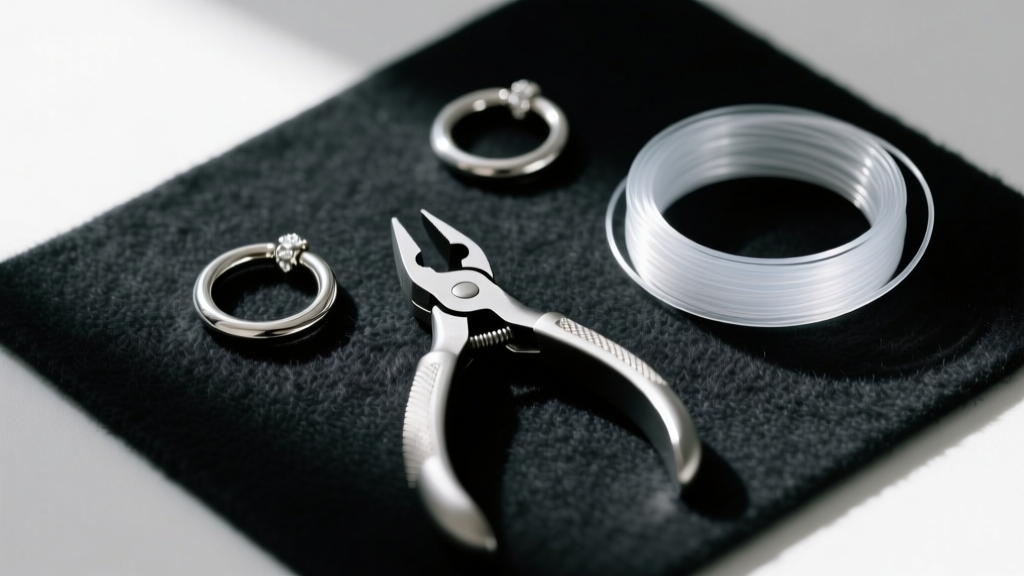
Hardware and Findings: Metallurgy Matters
The most common point of failure in coastal jewelry is not the shell or the cord, but the clasp and jump rings. According to sourcing guidelines from Rio Grande Jewelry Supply, the environment in which jewelry is worn dictates the necessary alloy.
- Avoid Brass and Copper: These base metals react with salt and moisture to form copper chloride (verdigris). This green corrosion will permanently stain porous shells and degrade the cord.
- 316L Surgical Steel: An excellent, cost-effective choice containing molybdenum, which drastically increases resistance to chloride corrosion (saltwater).
- Grade 5 Titanium (Ti-6Al-4V): The ultimate choice for a waterproof DIY seashell necklace. Titanium is completely immune to saltwater corrosion, hypoallergenic, and possesses a strength-to-weight ratio that ensures your jump rings will never pull apart under the weight of heavy shells.
When selecting jump rings, always opt for 20-gauge (0.8mm) wire thickness with a 5mm outer diameter. Anything thinner than 22-gauge will easily deform when the necklace is pulled or caught on clothing.
Final Thoughts on Material Longevity
Creating a DIY seashell necklace that stands the test of time requires looking past the aesthetic appeal of the beach and understanding the physical realities of organic materials. By matching the Mohs hardness of your shells to the appropriate stringing medium, sealing porous nacre with microcrystalline wax, and utilizing corrosion-resistant titanium or 316L steel findings, you engineer a piece of jewelry that honors the ocean without being destroyed by it. True craftsmanship lies in the invisible material choices that guarantee your necklace remains as vibrant as the day it was strung.


