Dr Strange Necklace Materials: Which Eye of Agamotto Replica Lasts?
Compare zinc, brass, silver, and steel for your Dr Strange necklace. Discover which Eye of Agamotto material resists tarnish and skin irritation.

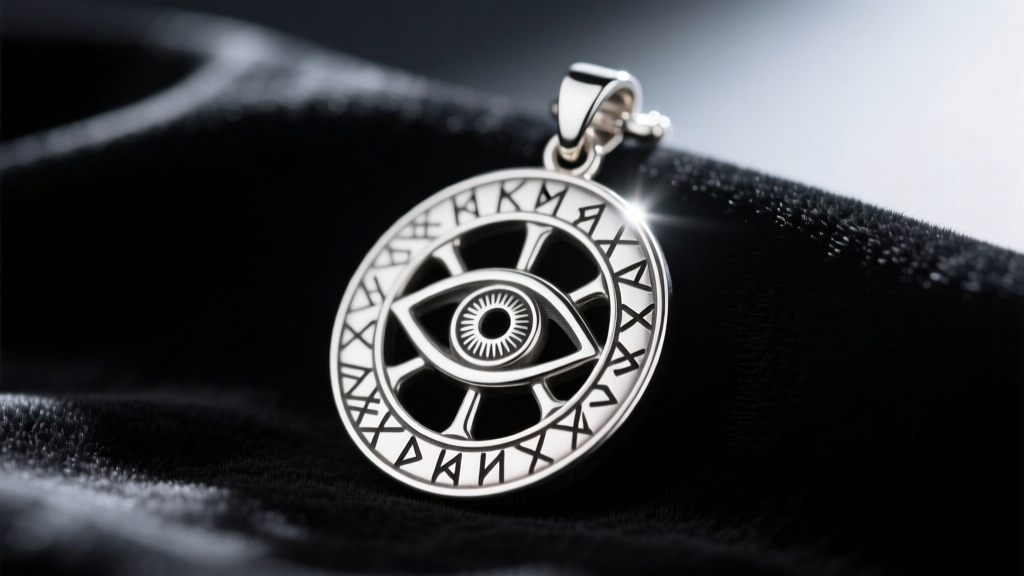
The Eye of Agamotto is arguably the most iconic piece of fictional jewelry in modern cinematic history. For fans and collectors, acquiring a high-quality Dr Strange necklace is a rite of passage. However, the online market is flooded with replicas that range from heirloom-quality masterpieces to brittle, skin-irritating pot metal. When you are investing in a replica that features complex moving parts—specifically the hinged opening mechanism to reveal the Time Stone—metallurgy matters just as much as aesthetics.
As a jewelry specialist, I have dismantled, tested, and analyzed dozens of Eye of Agamotto replicas. The difference between a $25 cosplay prop and a $250 daily-wear pendant comes down to alloy composition, tensile strength, and mechanical engineering. Below is a comprehensive material comparison to help you choose a Dr Strange necklace that will actually survive the test of time.
The Metallurgy of the Eye: 4 Common Replica Materials
The outer casing of the Eye must be durable enough to withstand daily friction while holding intricate runic engravings. Manufacturers typically rely on one of four base metals, each with vastly different physical properties.
1. Zinc Alloy (Zamak): The Cosplay Standard
The vast majority of budget-friendly replicas (under $40) are cast from Zamak 3, an alloy consisting of roughly 96% zinc and 4% aluminum. Zamak has a low melting point (around 385°C), making it incredibly cheap to cast in silicone molds. However, it is inherently brittle. According to Rio Grande's comprehensive metals guide, zinc alloys lack the tensile strength required for high-stress areas. If you drop a Zamak Eye of Agamotto on a hard floor, the delicate hinge points are highly likely to snap. Furthermore, Zamak is almost always electroplated with a thin layer of brass or gold-tone paint, which will inevitably flake and expose the dull gray base metal beneath.
2. Cartridge Brass (C260): The Vintage Look
Mid-tier replicas often use C260 cartridge brass (70% copper, 30% zinc). Brass offers excellent malleability, allowing for deeper, sharper runic engravings than zinc. It also possesses a natural, warm golden hue that mimics the movie prop beautifully. The drawback? Copper oxidation. When brass reacts with the lactic acid and salts in human sweat, it produces copper chloride, resulting in the dreaded "green neck" phenomenon. Brass requires frequent polishing and is not recommended for those with sensitive skin or metal allergies.
3. Sterling Silver (925): The Collector's Choice
High-end artisan replicas are cast in 925 sterling silver (92.5% silver, 7.5% copper). Silver provides a brilliant, reflective finish and holds immense intrinsic value. However, pure silver is too soft for mechanical hinges (scoring only 2.5 to 3 on the Mohs hardness scale). Therefore, a well-engineered silver Dr Strange necklace will feature a sterling silver outer shell but utilize hardened steel or brass pins for the hinge mechanism to prevent structural failure. Silver will tarnish when exposed to atmospheric sulfur, requiring occasional wiping with a treated jeweler's cloth.
4. 316L Surgical Stainless Steel: The Daily Driver
For a necklace that can be worn in the shower, at the gym, and in the rain without degrading, 316L marine-grade stainless steel is unmatched. The addition of molybdenum in the 316L alloy provides extreme resistance to chloride corrosion. Because steel has a high melting point, it cannot be easily cast; instead, these pendants are usually CNC-machined or die-stamped, resulting in incredibly precise, sharp edges. It is heavy, hypoallergenic, and virtually indestructible in daily wear scenarios.
Material Comparison Chart: Weight, Tarnish, and Price
Use the table below to cross-reference the physical properties of each material against your specific needs, whether you are building a convention-accurate cosplay or looking for a subtle piece of everyday geek-chic jewelry.
| Material | Density / Weight | Tarnish & Corrosion | Skin Safety (Nickel) | Avg. Price Range |
|---|---|---|---|---|
| Zinc Alloy (Zamak) | Medium (Feels hollow) | Plating flakes; base metal oxidizes white | Poor (Often contains nickel/cadmium) | $15 - $45 |
| Cartridge Brass | Heavy / Substantial | High (Patinas quickly, turns skin green) | Moderate (Nickel-free, but copper reacts) | $50 - $90 |
| 925 Sterling Silver | Heavy / Premium | Moderate (Sulfur tarnish, easily polished) | Excellent (Hypoallergenic) | $120 - $350+ |
| 316L Stainless Steel | Very Heavy / Dense | None (Impervious to water and sweat) | Excellent (Surgical grade, nickel-safe) | $60 - $150 |
Mechanical Failure Points: Hinges, Catches, and Chains
The defining feature of the Eye of Agamotto is its ability to open. This mechanical complexity is where 90% of replica necklaces fail. Understanding the engineering of the hinge and the accompanying chain is crucial for longevity.
The Hinge and Clasp Mechanism
In cheap zinc replicas, the "hinge" is often just a friction-fit nub molded into the metal. After a dozen openings, the nub wears down, and the front face of the Eye falls off. High-quality brass and silver replicas use a traditional barrel hinge with a removable steel pin. The closure mechanism should feature a rare-earth neodymium magnet embedded in the metal, rather than a simple mechanical catch, ensuring the Eye snaps shut securely and stays closed while bouncing against your chest.
Chain Tensile Strength and Gauge
The movie prop utilizes a braided leather cord, but most metal replicas come with metallic chains. The weight of a solid brass or steel pendant can easily exceed 80 grams. If this is hung on a flimsy 1.5mm curb chain, the links will stretch and eventually snap.
For a heavy pendant, you must demand a minimum 3.0mm gauge box chain or rope chain. Box chains distribute weight evenly across flat surfaces, while rope chains offer superior tensile strength due to their interlocking twisted links. Furthermore, ensure the chain's jump ring (the loop connecting the chain to the pendant) is laser-welded or soldered shut. An open jump ring will inevitably pull apart under the pendulum motion of a heavy amulet.
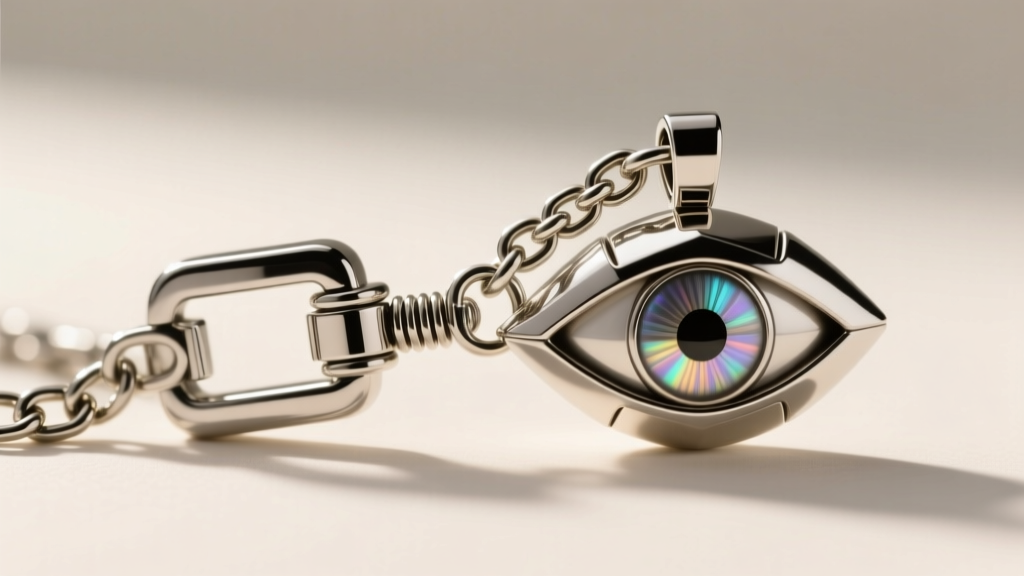
The Time Stone: Epoxy vs. Lab-Created Gems
When the Eye opens, the green "Time Stone" is revealed. The material used for this centerpiece drastically affects the necklace's overall value and light performance.
- Dyed Epoxy Resin: Found in budget replicas. It looks like opaque green plastic, scratches easily (Mohs 2.0), and will yellow over time when exposed to UV sunlight.
- Faceted Glass: A step up, offering better light refraction but prone to chipping at the girdle if the pendant is dropped.
- Lab-Created Green Spinel or CZ: Found in premium silver and steel replicas. Cubic Zirconia (Mohs 8.5) or synthetic spinel provides brilliant, diamond-like faceting and will not scratch during daily wear. High-end jewelers will often set these stones in a proper prong or bezel setting rather than simply gluing them into a recessed cavity.
Skin Reactions and the "Green Neck" Phenomenon
According to the Gemological Institute of America (GIA), contact dermatitis from jewelry is most commonly triggered by nickel, copper, and certain chemical plating baths. If you purchase a brass or zinc-alloy Dr Strange necklace, you must take proactive steps to prevent skin discoloration and irritation.
The most effective, professional-grade solution is to apply a micro-crystalline wax, such as Renaissance Wax, to the back of the pendant. This museum-grade conservator's wax creates an invisible, moisture-proof barrier between the reactive copper/zinc alloys and your skin's natural acids. Reapply the wax every few months. Avoid using clear nail polish, a common internet "hack," as it yellows, chips, and traps moisture against the metal, accelerating localized corrosion.
Verdict: Choosing the Right Amulet for Your Needs
Selecting the ultimate Dr Strange necklace requires matching the metallurgy to your lifestyle. If you are building a convention-accurate cosplay and only plan to wear the piece for a weekend, a Zinc Alloy replica is a cost-effective, lightweight choice. If you want a vintage, prop-accurate aesthetic and don't mind regular polishing, Cartridge Brass offers the most authentic cinematic look.
However, if you intend to wear the Eye of Agamotto daily as a staple of your personal wardrobe, bypass the base metals entirely. Invest in a 316L Stainless Steel piece for a rugged, maintenance-free lifestyle, or opt for 925 Sterling Silver if you want a premium, heirloom-quality artifact with genuine intrinsic value. By prioritizing alloy composition, hinge engineering, and chain tensile strength, you ensure your replica is protected by more than just magic.


