Dragon Tooth Necklace Buying Guide: What to Look For
Discover how to choose the perfect dragon tooth necklace. Compare materials, chain pairings, and ethical sourcing in our expert 2026 buying guide.

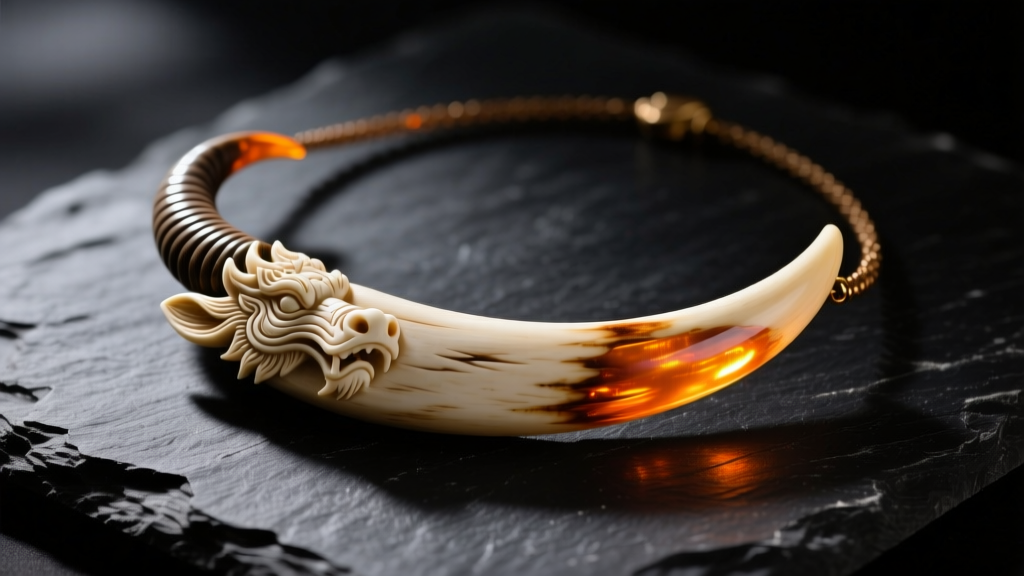
The dragon tooth necklace has transcended its niche fantasy origins to become a striking staple in contemporary alternative and statement jewelry. Whether you are drawn to the rugged, primal energy of carved bone or the sleek, dark fantasy aesthetic of oxidized sterling silver, a dragon tooth pendant is an investment in personal mythology. However, as the 2026 fantasy jewelry market expands, so does the influx of mass-produced, low-quality dropshipped items. Navigating this landscape requires a discerning eye for material integrity, artisanal craftsmanship, and ethical sourcing.
This comprehensive buying guide will equip you with the technical knowledge needed to evaluate a dragon tooth necklace. We will break down material hardness, bail construction, chain compatibility, and the crucial legalities surrounding organic gemstones and animal byproducts.
Material Breakdown: Resin, Bone, or Precious Metals?
The foundation of any pendant dictates its weight, durability, and price point. When shopping for a dragon tooth necklace, you will primarily encounter three material categories. Understanding the physical properties of each is essential for long-term wearability.
High-Grade Epoxy and Polyurethane Resins
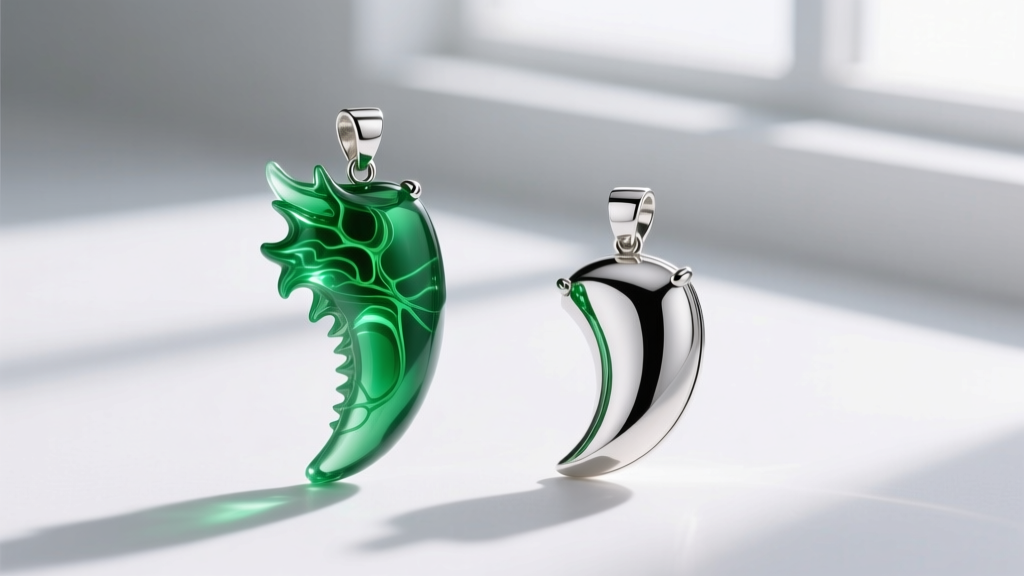
Modern jewelry-grade resins have evolved far beyond cheap plastics. Artisans now use high-durometer epoxy resins (often rated 80-85 on the Shore D hardness scale) to create translucent, gem-like dragon teeth. These pieces can be cast with internal metallic foils, LED-reactive pigments, or suspended botanical elements. While lightweight and highly customizable, resin is susceptible to micro-scratches and should be kept away from prolonged UV exposure to prevent yellowing.
Organic Carved Bone and Horn
For a traditional, primal aesthetic, carved water buffalo bone or horn remains the gold standard. Bone is a porous organic material that requires specific maintenance. It should be periodically treated with food-grade mineral oil to prevent desiccation and cracking. Authentic hand-carved bone will feature slight asymmetrical nuances and a distinct, matte-to-satin polish that synthetic materials cannot replicate.
Precious Metals: Sterling Silver and Gold
For a refined, dark-academia or high-fantasy look, cast precious metals are ideal. Sterling silver (925) is frequently oxidized (treated with liver of sulfur) to highlight the intricate serrations and gum-line detailing of the tooth. 14k and 18k gold offer exceptional longevity but come with a significant weight and financial premium. Metal teeth are typically created via the lost-wax casting method, allowing for aggressive, deep undercuts that would be impossible to achieve in brittle stone or bone.
| Material | Avg. Price Range | Durability & Maintenance | Weight Profile |
|---|---|---|---|
| Epoxy Resin | $25 - $85 | Moderate; avoid UV/heat. Clean with damp cloth. | Ultra-Light |
| Carved Buffalo Bone | $40 - $120 | High if oiled; porous. Avoid water/chemicals. | Light to Medium |
| Oxidized 925 Silver | $90 - $250 | Very High; requires occasional polishing cloth. | Medium to Heavy |
| 14k Solid Gold | $450 - $1,500+ | Exceptional; hypoallergenic, heirloom-grade. | Heavy |
Hand-Carved vs. Cast: Evaluating Craftsmanship
One of the most critical skills in evaluating fantasy jewelry is distinguishing between a master artisan's hand-carved original and a cheap, mass-produced cast replica. When a pendant is mass-cast from an existing mold (often in low-grade pewter or cheap resin), it loses the sharp, aggressive geometry of the original sculpture.
What to look for in hand-carved bone or horn: Look for 'undercutting.' This is a technique where the carver removes material beneath the surface layer to create deep, shadow-casting crevices—such as the gum line where the tooth meets the jawbone, or the serrated edges of a predator's fang. Mass-produced items rarely feature deep undercuts because the material cannot easily be pulled from the silicone mold without tearing.
What to look for in cast metals: Examine the back of the pendant and the area around the bail (the loop where the chain passes through). Cheap castings often leave behind 'sprue marks'—small, raised nubs where the molten metal entered the mold. Furthermore, high-end silver castings will feature a 'tumbler polish' followed by hand-brushing, ensuring the recessed areas remain dark (oxidized) while the high points shine brightly.
Ethical Sourcing and CITES Regulations
The fantasy jewelry market is unfortunately rife with unethical sourcing. Because a 'dragon' is a mythical creature, some unscrupulous vendors market real, endangered animal parts (such as bear claws, wolf teeth, or reptile fangs) under the guise of 'dragon teeth' to bypass scrutiny.
Always demand a certificate of origin for any organic pendant. If a vendor claims a tooth is from a 'wild-caught dragon' or refuses to specify the exact animal source of the bone, walk away. Ethical fantasy jewelry should never come at the cost of endangered wildlife.
When purchasing bone or horn, ensure the vendor explicitly states it is sourced from domestic water buffalo (Bubalus bubalis), which are widely farmed for agriculture, making their bones a sustainable byproduct. For exotic materials, familiarize yourself with the CITES (Convention on International Trade in Endangered Species) database. Importing or selling carved teeth from protected species without rigorous, government-issued CITES permits is a federal offense in most countries.
Furthermore, the FTC Jewelry Guides strictly prohibit the misrepresentation of organic materials. If a pendant is made of molded bone powder mixed with resin, it must be disclosed as a composite, not 'solid carved bone.' Always buy from transparent artisans who document their sourcing and carving processes on their storefronts.
Chain Pairings: Matching the Cord to the Claw
A dragon tooth pendant is only as good as the suspension system holding it. The aesthetic weight of the tooth must be matched by an appropriate chain or cord. More importantly, you must consider the bail inner diameter.
- Leather Cords (2mm - 3mm): The quintessential pairing for carved bone or rustic silver teeth. Opt for genuine kangaroo or calfskin leather, which offers superior tensile strength compared to cowhide. Ensure the pendant's bail is a 'wrap bail' or a large drilled loop (minimum 4mm inner diameter) to accommodate the thick cord and the metal end-caps.
- Sterling Silver Wheat or Rope Chains (1.5mm - 2.5mm): Ideal for metallic or polished gemstone teeth. A wheat chain provides a braided, serpentine texture that complements the organic curves of a dragon tooth. Avoid delicate box chains under 1.2mm, as the concentrated weight of a solid silver or gold tooth will snap the links over time.
- Blackened Steel or Titanium Cables: For a modern, industrial-gothic aesthetic, matte black steel cables offer incredible tensile strength and a striking contrast to pale bone or bright silver pendants.
Sizing and Proportions for Different Necklines
The visual impact of a dragon tooth necklace is heavily dictated by its scale and the length of the chain. Fantasy jewelry can easily cross the line from 'striking' to 'costume' if the proportions are ignored.
The Subtle Talisman (1 to 1.5 Inches)
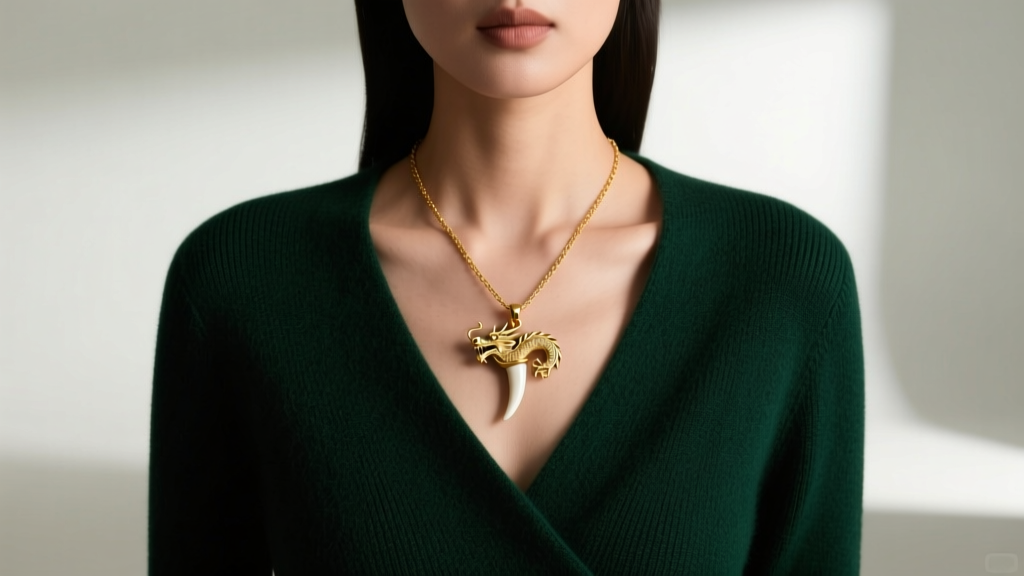
Teeth in this size range are perfect for everyday wear and professional environments where alternative jewelry might be scrutinized. Worn on a 16-inch to 18-inch fine chain, a small resin or gold tooth rests neatly in the suprasternal notch (the hollow of the collarbone). This size pairs beautifully with V-neck sweaters, unbuttoned collared shirts, or simple crew-neck tees.
The Statement Piece (2 to 3 Inches)
Large, aggressive teeth with deep serrations and pronounced root structures demand attention. These should be worn on longer chains (20 to 24 inches) so the pendant rests on the sternum. This placement prevents the heavy piece from constantly flipping upside down—a common annoyance with top-heavy pendants on short chains. Statement pieces are best layered over dark, solid-colored garments like turtlenecks or leather jackets, allowing the intricate carving to serve as the focal point of the outfit.
Final Verdict: Investing in Fantasy Jewelry
A dragon tooth necklace is more than a mere accessory; it is a wearable piece of folklore. When making your purchase in 2026, prioritize transparency and craftsmanship over sheer size or low prices. Seek out independent lapidaries and metalsmiths who provide detailed macro-photography of their work, clearly state their material origins, and utilize robust hardware like soldered jump rings and reinforced bails.
By focusing on high-durometer resins, ethically sourced water buffalo bone, or expertly cast precious metals, you ensure that your pendant will not only capture the mythical essence of the dragon but will also withstand the rigors of daily wear for decades to come. Choose a piece that resonates with your personal aesthetic, and wear it with the confidence of the myth it represents.


