Dragonstone Necklace OSRS: Real-World Replica Buying Guide
Discover how to buy the perfect real-world Dragonstone necklace inspired by OSRS. Learn about gemstone alternatives, metal grades, and chain gauges.

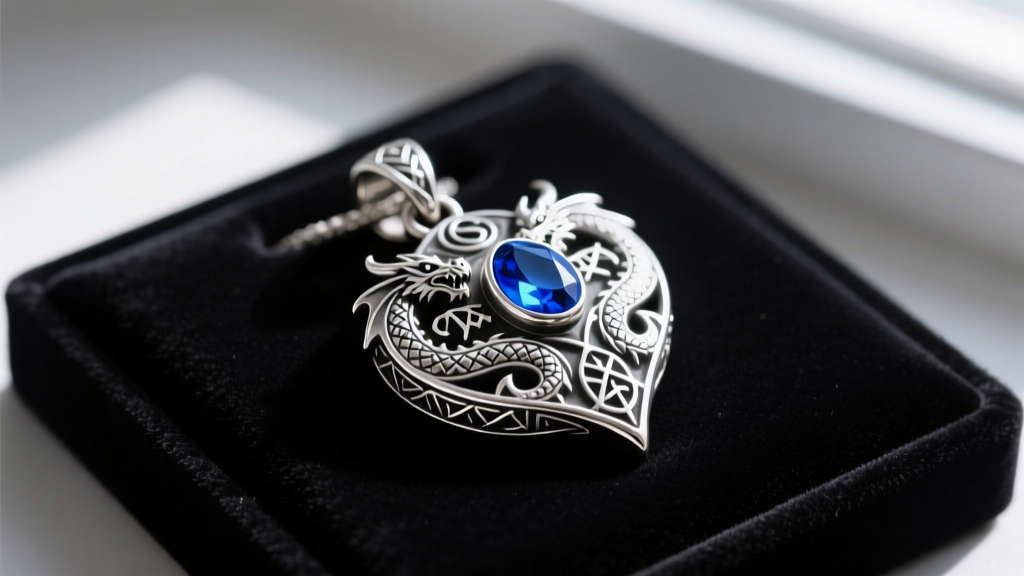
The Allure of the OSRS Dragonstone Amulet
For fans of Old School RuneScape, few items carry the prestige, nostalgia, and visual weight of the dragonstone amulet. In-game, crafting the dragonstone necklace requires level 72 Crafting, and stringing it with a ball of wool transforms it into the iconic amulet. Enchanting it further yields the legendary Amulet of Glory. But as of 2026, the trend of 'subtle fantasy' and high-end geek-chic jewelry has exploded, meaning fans no longer have to settle for cheap, plastic cosplay props. Today, master jewelers and specialized fantasy smiths offer sophisticated, real-world replicas that honor the lore of Gielinor while functioning as legitimate luxury pieces.
If you are looking to purchase or commission a real-world dragonstone necklace, you must navigate the intersection of fantasy design and real-world gemology. This comprehensive buying guide will break down exactly what to look for regarding gemstone alternatives, metalwork grades, chain gauges, and setting styles to ensure your amulet is both visually accurate and built to last a lifetime of daily wear.
Decoding the Gem: Real-World 'Dragonstone' Alternatives
The in-game dragonstone is depicted as a brilliant, fiery red gem with deep orange and gold inclusions, often cut into a distinct elongated hexagon or teardrop. In real-world gemology, no single natural stone perfectly matches this fantasy description, but several come incredibly close. When buying a replica, the gemstone is the focal point, and choosing the right material dictates both the price and the durability of the piece.
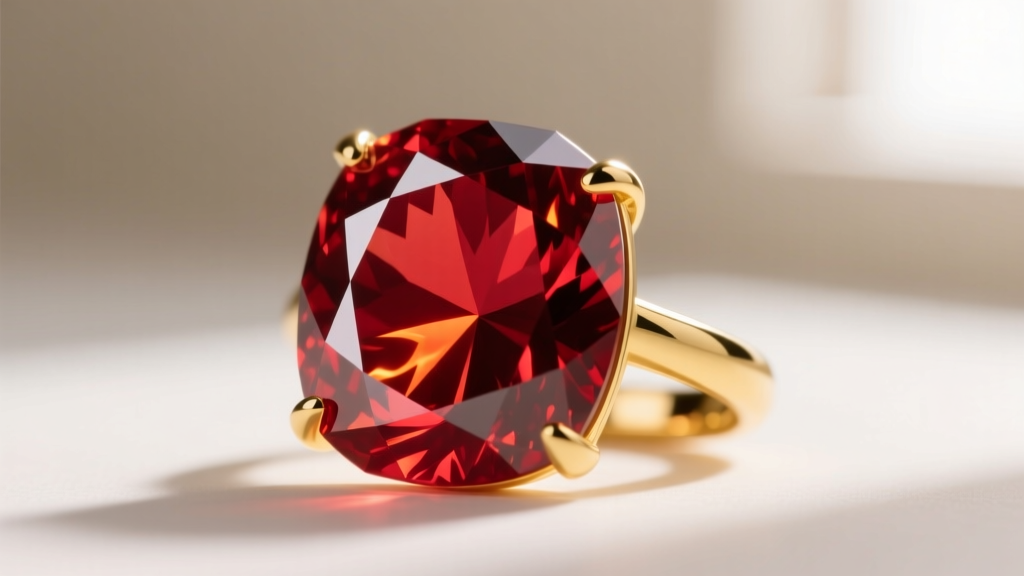
According to the Gemological Institute of America (GIA), natural rubies (red corundum) possess the exact fiery brilliance seen in OSRS, but high-clarity natural rubies can cost upwards of $10,000 per carat. For a replica, buyers typically turn to three main alternatives:
| Gemstone Material | Mohs Hardness | Visual Accuracy to OSRS | Estimated Price (Per Carat) | Best For |
|---|---|---|---|---|
| Lab-Created Ruby (Corundum) | 9.0 | High (Excellent brilliance) | $20 - $60 | Daily wear, high-end replicas |
| Rhodolite Garnet | 7.0 - 7.5 | Medium (Slightly purple/red) | $40 - $150 | Budget natural stone seekers |
| Red Spinel | 8.0 | High (Great fire, rare) | $500 - $2,000+ | Luxury collectors |
| Cubic Zirconia (Red) | 8.0 - 8.5 | Medium (Too much rainbow fire) | $1 - $5 | Cosplay, temporary wear |
Expert Recommendation: Opt for a lab-created ruby (often sold as synthetic corundum). It shares the exact same chemical and physical properties as a natural ruby, scoring a 9 on the Mohs scale, meaning it will not scratch from daily wear. Furthermore, lab rubies can be custom-cut into the specific elongated hexagonal shape required to mimic the OSRS sprite, whereas natural rubies are usually cut to maximize carat weight, resulting in standard ovals.
Metalwork and Setting: Crafting the Amulet Base
The setting of the OSRS dragonstone amulet features a distinct, ornate gold or brass casing with a prominent bail at the top. Translating this bulky, fantasy-style metalwork into reality requires careful attention to metallurgy and structural integrity.
Silver vs. Gold Vermeil vs. Solid Gold
Many cheap replicas on the market are made from brass or zinc alloy plated with a microscopic layer of gold. These will inevitably tarnish, turn your skin green, and degrade within months. For a piece meant to be worn regularly, insist on the following metal grades:
- 925 Sterling Silver: The most cost-effective durable option. Ensure the piece is stamped '.925'. To mimic the in-game gold look without the massive price tag, look for 18k Gold Vermeil (which requires a thick 2.5-micron layer of gold over sterling silver, unlike standard gold plating).
- 14k Solid Gold: If you are commissioning a custom piece from a master jeweler, 14k yellow gold provides the exact warm, rich tone of the OSRS amulet while offering superior scratch resistance compared to 18k or 24k gold.
Bezel vs. Prong Settings
The OSRS amulet visually resembles a bezel setting, where a metal rim completely encircles the girdle of the gemstone. For a heavy, teardrop-shaped fantasy stone, a bezel setting is vastly superior to a prong setting. Prongs can snag on clothing and bend, potentially losing your custom-cut dragonstone. A bezel setting not only mirrors the game's aesthetic perfectly but also provides maximum protection for the gem's edges.
Chain Selection: Gauge, Length, and Durability
A common mistake buyers make when purchasing heavy fantasy pendants is pairing them with delicate, lightweight chains. The real-world dragonstone amulet, especially when cast in solid silver or gold with a large gemstone, can easily weigh between 15 and 30 grams. A standard 1.0mm chain will snap under this weight.
The Golden Rule of Chain Gauges
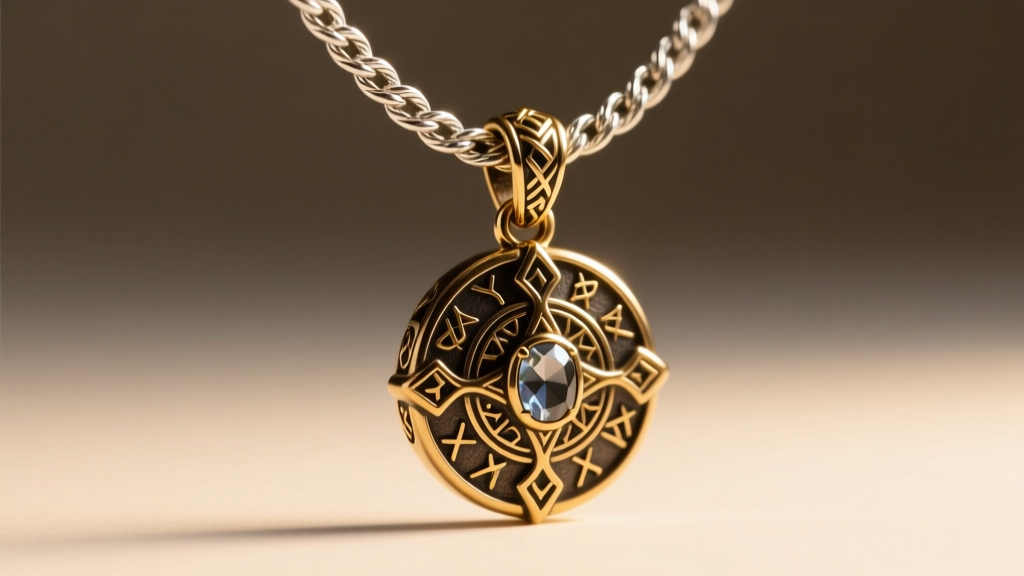
When selecting a chain for your dragonstone necklace, you must look at the gauge (thickness) and the link style. The bail (the loop at the top of the pendant) must also be wide enough to accommodate the chain without causing friction wear.
- 2.0mm to 3.0mm Rope Chain: This is the ideal choice. The twisted links of a rope chain mimic the 'strung' look of the OSRS amulet while providing immense tensile strength. A 2.5mm sterling silver rope chain can support over 40 pounds of tension, making it virtually unbreakable for daily necklace wear.
- 2.5mm Curb or Cuban Chain: Offers a flatter, more modern look that lays flush against the collarbone. Excellent for heavier, oversized custom dragonstone pendants.
- Avoid Box Chains under 2.0mm: While box chains are popular, thin box chains are notorious for kinking and snapping when subjected to the pendulum-like swinging motion of a heavy pendant.
Length Guide: For the amulet to sit exactly where it does on the OSRS character model (resting just below the collarbone), opt for an 18-inch chain if you are under 5'8", or a 20-inch chain if you are taller. This ensures the heavy pendant doesn't choke the neck or swing too low into the sternum.
Styling Your Fantasy Pendant for Everyday Wear
Wearing a direct replica of a video game item can sometimes feel out of place in professional or formal settings. The 2026 approach to fantasy jewelry is 'subtle integration.' If you are commissioning a piece, ask the jeweler to incorporate subtle diamond accents around the bezel. This mimics the 'Amulet of Glory' upgrade (which features diamond inlays in-game) while elevating the piece to a recognizable luxury item that resembles high-end Victorian or Art Deco jewelry to the untrained eye.
Pair the dragonstone necklace with solid-colored, high-neck garments like black turtlenecks, crisp white button-downs, or dark leather jackets. The deep red of the lab-ruby and the warm gold of the vermeil setting will pop beautifully against dark fabrics, allowing the amulet to serve as a striking statement piece without screaming 'cosplay.' For more insights on historical and fantasy gemstone cuts, you can explore the GIA's extensive gemstone encyclopedia to better understand how light interacts with deep red stones.
Where to Buy and Commission Custom Pieces
While mass-market gaming merchandise sites sell cheap alloy replicas, true collectors should look toward independent jewelers on platforms like Etsy who specialize in 'geek-chic' and fantasy fine jewelry. Search for terms like 'custom cut lab ruby hexagon pendant' or 'fantasy bezel set amulet.' Expect to pay between $150 and $350 for a high-quality 925 sterling silver and gold vermeil piece with a lab-created ruby, and upwards of $800 to $1,500 for a solid 14k gold custom commission. Always verify the seller's return policy and ask for a macro-video of the gemstone's brilliance before finalizing your purchase.


