Duck Call Necklace Materials: Acrylic, Wood, and Metal
Compare acrylic, wood, and metal duck call necklace materials. Learn about weather resistance, durability, and chain options for hunters.

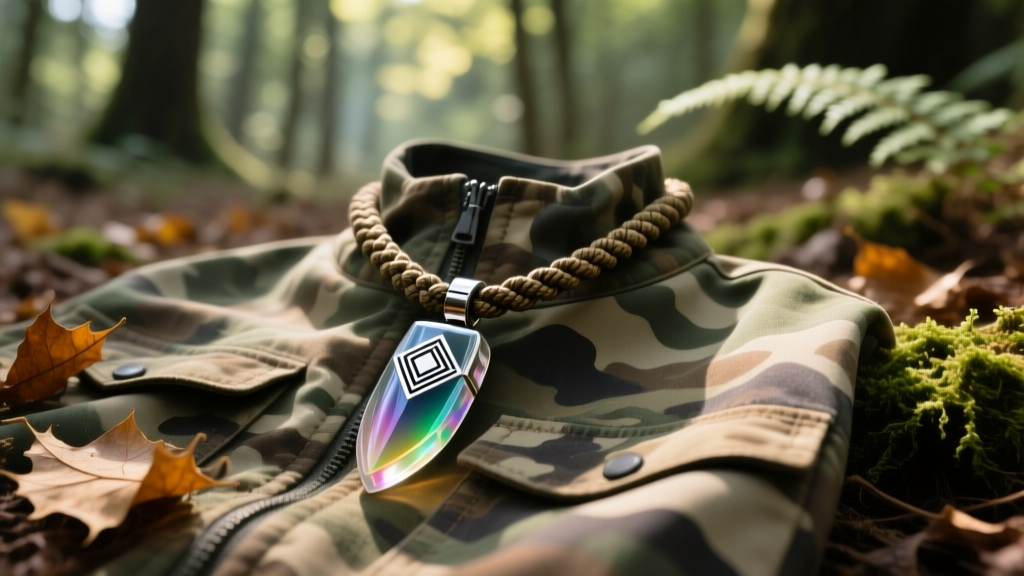
The Intersection of Waterfowl Heritage and Jewelry Design
For waterfowl hunters and outdoor enthusiasts, a duck call is far more than a simple acoustic tool; it is a meticulously crafted instrument and a cherished heirloom. In recent years, the duck call necklace has emerged as a premier way to showcase this heritage, blending rugged outdoor utility with sophisticated pendant design. Whether you are wearing a fully functional miniature call or a stylized decorative replica, the materials used in its construction dictate its longevity, acoustic properties, and aesthetic appeal. In 2026, advancements in material stabilization and marine-grade alloys have vastly expanded the options available to sportsmen and collectors alike.
Choosing the right material combination requires a deep understanding of how these elements interact with harsh marsh environments, saltwater exposure, and daily wear. According to Ducks Unlimited, the modern waterfowler spends an average of 35 days a season in the field, subjecting their gear to extreme humidity, freezing temperatures, and abrasive vegetation. Your necklace must be engineered to survive these exact conditions.
The Core Pendant: Acrylic vs. Polycarbonate vs. Wood
The barrel and insert of a duck call pendant form the visual and structural core of the necklace. The choice between synthetic polymers and natural hardwoods fundamentally changes the weight, durability, and acoustic resonance of the piece.
Acrylic and Polycarbonate Blends
Cast acrylic is the industry standard for high-end, functional duck calls due to its exceptional density and acoustic clarity. However, standard cast acrylic can be brittle; a sharp drop onto a rocky shoreline can shatter the barrel. For necklaces, machined cell-cast acrylic is preferred, as it offers superior impact resistance while maintaining the brilliant, glass-like transparency that allows for intricate inner-wall painting and metallic flake suspensions.
Polycarbonate (often known by the brand name Lexan) is the alternative for hunters who prioritize indestructibility over acoustic perfection. Polycarbonate is virtually unbreakable and highly resistant to UV degradation, making it an excellent choice for a daily-wear duck call necklace that will be exposed to relentless summer sun on the boat deck. The trade-off is a slightly lower density, which yields a higher-pitched, less resonant tone if the pendant is a functional miniature call.
Exotic and Domestic Hardwoods
Wood offers an unparalleled, organic beauty and a warmer, deeper acoustic tone. However, raw wood is highly susceptible to warping and cracking when exposed to the 90%+ humidity typical of morning marsh environments. To combat this, premium wooden duck call pendants undergo vacuum resin stabilization.
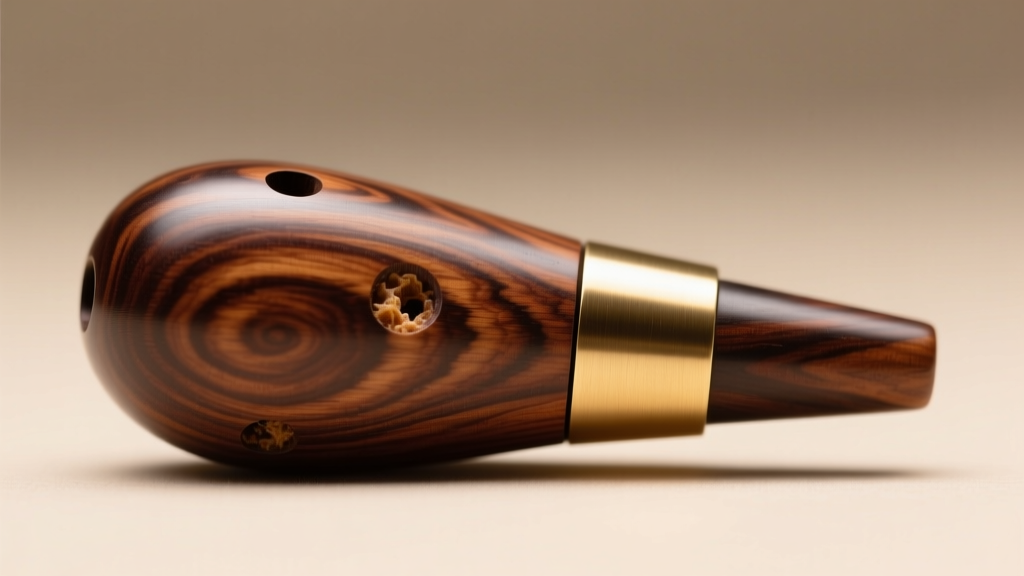
During this process, blanks of exotic woods like Cocobolo, Bocote, or Buckeye Burl are placed in a vacuum chamber to extract all air and moisture, then submerged in a methyl methacrylate resin (commonly referred to as Cactus Juice). The resin penetrates the cellular structure of the wood, and once heat-cured, it transforms the organic material into a dense, moisture-proof composite. A properly stabilized wood pendant will not warp, swell, or rot, even after years of exposure to saltwater and sweat.
Hardware and Toneboard Inserts: Brass, Stainless Steel, and Titanium
The toneboard—the internal wedge that directs air over the reed—is often banded or capped with metal for structural integrity and visual contrast. In a necklace context, these metal bands also serve as the primary bail or loop through which the chain is threaded. The metallurgy of these components is critical for preventing galvanic corrosion and skin irritation.
| Material Grade | Density (g/cm³) | Corrosion Resistance | Best Use Case |
|---|---|---|---|
| Yellow Brass (C260) | 8.53 | Moderate (Develops Patina) | Traditional aesthetics, collectors who enjoy aging and polishing. |
| 304 Stainless Steel | 8.00 | High (Freshwater) | Standard freshwater hunting, budget-friendly durability. |
| 316L Marine Stainless | 8.00 | Exceptional (Saltwater) | Saltwater and brackish marsh environments, high-sweat daily wear. |
| Grade 5 Titanium (Ti-6Al-4V) | 4.43 | Absolute (Impervious) | Lightweight comfort, hypoallergenic requirements, premium EDC. |
While traditional brass offers a nostalgic, vintage appeal, it requires regular polishing with a mild abrasive to prevent verdigris (green oxidation) from transferring to your skin and clothing. For hunters operating in coastal saltwater environments, Online Metals data confirms that 316L marine-grade stainless steel, alloyed with molybdenum, is mandatory to prevent pitting and crevice corrosion that rapidly destroys standard 304 stainless steel.
Suspension Systems: Paracord vs. Metal Chains
The method used to suspend the duck call pendant is just as critical as the pendant itself. The suspension must support the weight of the call (which can range from 15 grams for a mini-call to over 80 grams for a full-sized replica) while resisting the abrasive friction of hunting jackets and waders.
550 Paracord and Tactical Lanyards
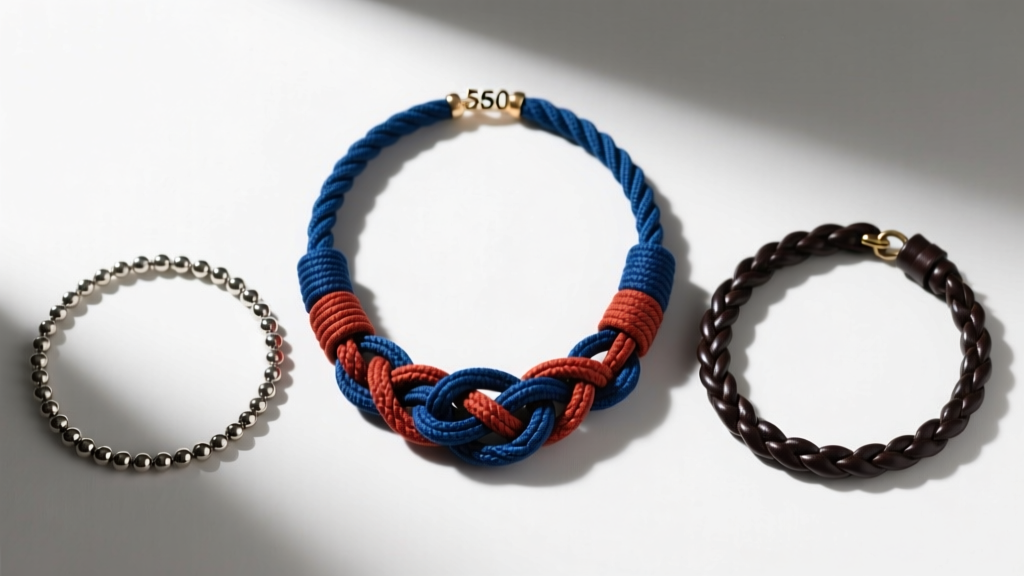
Authentic 550 paracord, featuring a braided nylon sheath over seven inner yarns, boasts a minimum breaking strength of 550 pounds. It is the undisputed king of field durability. However, standard nylon paracord is susceptible to UV degradation over a 3-to-5-year period of continuous sun exposure, eventually becoming brittle. Furthermore, if the cord becomes saturated with marsh water and is not allowed to dry, it can develop a mildew odor. Modern upgrades include Kevlar-core paracord, which maintains the tactile feel of nylon but offers immense cut-resistance against sharp reeds and branches.
Stainless Steel and Titanium Bead Chains
For a more refined, jewelry-forward approach, metal bead chains (often referred to as dog-tag chains) or heavy Cuban link chains provide a sophisticated look suitable for the lodge or the office. When selecting a metal chain, ensure the clasp is a heavy-duty lobster claw rather than a standard spring ring, which can easily fail under the dynamic load of a heavy brass-banded duck call pendant bouncing against your chest while walking.
Maintenance and Weatherproofing Your Necklace
Proper maintenance ensures your duck call necklace remains a lifelong accessory. The care routine depends entirely on the material matrix you have chosen.
- Acrylic Care: Never use ammonia-based glass cleaners on acrylic pendants, as they will cause micro-crazing (tiny surface cracks). Use a dedicated plastic polish and a clean microfiber cloth to restore clarity and remove fine scratches.
- Stabilized Wood Care: While the resin prevents moisture ingress, the surface can still dull from skin oils. Wipe it down weekly with a dry cloth and apply a micro-thin layer of carnauba wax once a year to maintain a deep, glass-like luster.
- Hardware Care: For brass bands, use a mild brass polish, but be extremely careful to keep the polish away from the wooden or acrylic barrel, as it can stain the grain or cloud the plastic.
"A well-crafted duck call is an extension of the hunter's voice. When worn as a necklace, it becomes a testament to the conservation and heritage of the waterfowl community. Treat the materials with the same respect you treat the marsh."
Final Verdict: Which Material Should You Choose?
If your primary goal is field durability and zero maintenance, opt for a machined polycarbonate barrel with 316L stainless steel hardware, strung on a Kevlar-core paracord lanyard with a magnetic breakaway clasp for safety in heavy timber.
If you are seeking a premium, heirloom-grade piece for both the field and formal outdoor gatherings, choose a vacuum-stabilized Cocobolo wood pendant with Grade 5 Titanium bands, suspended on a heavy 3mm stainless steel rope chain. By understanding the specific properties of these materials, you ensure your duck call necklace is as resilient and reliable as the sport it represents.


