Elevated DIY Necklace Ideas: 2026 Trends in Custom Layering
Discover elevated DIY necklace ideas for 2026. Learn expert layering techniques, premium wire gauges, and trending materials for custom jewelry designs.

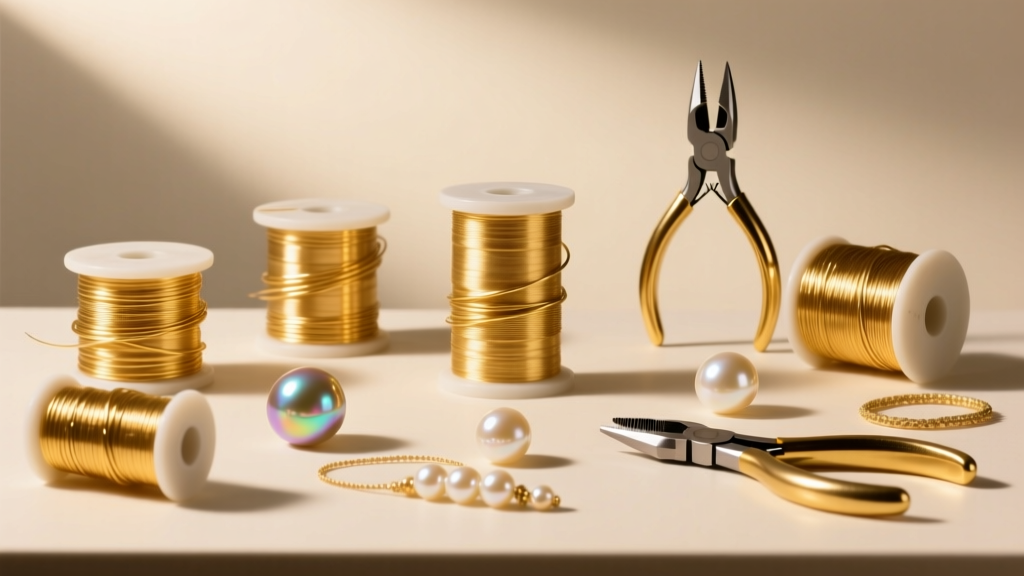
The landscape of bespoke jewelry has shifted dramatically. In 2026, the search for elevated diy necklace ideas no longer yields simple string-and-bead crafts or mass-produced charm chokers. Today’s independent designers and style enthusiasts are engineering fine jewelry at home, utilizing professional-grade findings, ethically sourced gemstones, and advanced metallurgical techniques. This evolution is driven by a desire for hyper-personalization, asymmetric layering, and a strict rejection of fast-fashion alloys that cause contact dermatitis.
As we analyze the current trajectory of neckwear trends, the most successful DIY creators are treating their workbenches like micro-laboratories. They are prioritizing structural integrity, metal purity, and intentional asymmetry. Below, we break down the materials, engineering principles, and specific design frameworks defining the 2026 custom necklace movement.
The 2026 Material Shift: Moving Beyond Basic Beads
The foundation of any high-end DIY necklace lies in its raw materials. The era of base-metal craft wire is over for serious hobbyists. According to the Gemological Institute of America (GIA), consumer demand for traceable, ethically sourced materials has pushed DIY suppliers to offer commercial-grade metals and lab-grown alternatives to the public.
Two materials are dominating the 2026 DIY space:
- Argentium Silver (935/960): Unlike traditional 925 sterling silver, Argentium replaces a portion of the copper with germanium. This creates a transparent germanium oxide layer on the surface that drastically slows tarnishing. For DIYers who do not have access to professional rhodium plating tanks, Argentium is a game-changer for maintaining a bright, white-metal finish.
- 14/20 Gold-Filled Wire: Often confused with gold-plated wire, 14/20 gold-filled material contains a solid brass core mechanically bonded to a 14k gold outer layer that makes up exactly 5% (1/20th) of the total weight. It will not flake or wear off over a decade of daily wear, making it the gold standard for DIY wire-wrapping and chainmaille.
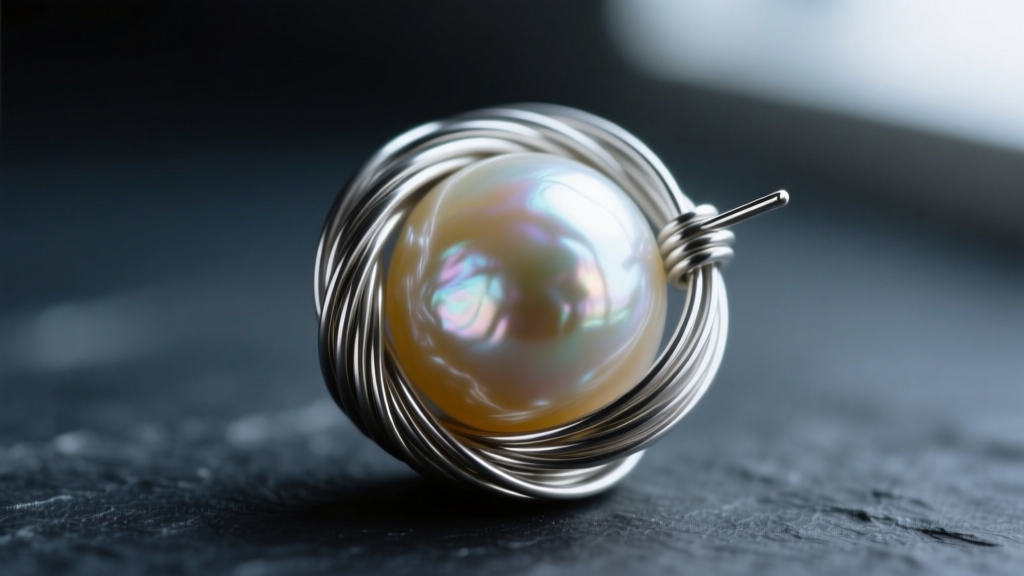
Wire Gauges and Findings: The Engineering of DIY
The most common failure mode in amateur necklace making is structural collapse. A beautiful pendant is useless if the jump ring pulls apart under its weight. Understanding wire gauge (the thickness of the wire) and temper (the hardness of the metal) is non-negotiable for executing professional diy necklace ideas.
Wire thickness is measured in the American Wire Gauge (AWG) system, where a higher number indicates a thinner wire. However, the temper dictates how the wire behaves under stress.
| Wire Gauge (AWG) | Diameter (mm) | Recommended Temper | Best Application in Necklaces |
|---|---|---|---|
| 18-Gauge | 1.02mm | Half-Hard | Heavy-duty clasps, thick chain links, structural pendant bails. |
| 20-Gauge | 0.81mm | Half-Hard | Standard jump rings, ear wires, linking moderate-weight gemstones. |
| 22-Gauge | 0.64mm | Dead-Soft | Wire-wrapping briolettes, weaving, creating custom headpins. |
| 24-Gauge | 0.51mm | Dead-Soft | Delicate pearl knotting alternatives, micro-macrame integration. |
| 28-Gauge | 0.32mm | Dead-Soft | Invisible gemstone weaving, securing fragile melee diamonds. |
Critical Troubleshooting: Work Hardening and Clasp Fatigue
When manipulating dead-soft wire, the metal undergoes "work hardening." As you bend and twist the wire with your pliers, the crystalline structure of the metal compresses, making it harder but significantly more brittle. If you overwork a 22-gauge wire wrap, it will snap cleanly. To prevent this, anneal the wire with a micro-torch or limit your manipulation to precise, singular bends.
Furthermore, avoid cheap lobster claw clasps. The internal steel spring in mass-produced clasps is prone to rust from skin oils and humidity, leading to sudden failure. Source solid-cast, spring-less toggle clasps or magnetic neodymium tube clasps from reputable suppliers like Rio Grande to ensure the closure mechanism outlasts the chain itself.
Trending DIY Necklace Ideas for Asymmetric Layering
Symmetry is taking a backseat in 2026. The most compelling layering techniques involve deliberate imbalance, mixing chain textures, and offsetting pendants. Here are two advanced frameworks to build your next bespoke piece.
1. The Baroque Pearl & Paperclip Chain Hybrid
This design merges the organic, irregular shapes of freshwater baroque pearls with the rigid, industrial geometry of a hollow 14k gold-filled paperclip chain.
- The Build: Take a 16-inch 20-gauge gold-filled paperclip chain. Using 24-gauge dead-soft gold-filled wire, wire-wrap three distinct, high-luster baroque pearls (approximately 10x14mm each).
- The Asymmetry: Attach all three pearls to a single 4mm jump ring, and connect that jump ring to the chain exactly two inches off-center from the clasp. This creates a dramatic, weighted drape that pools on one side of the collarbone, leaving the other side stark and minimalist.
- The Cost: Approximately $65 in raw materials, compared to $350+ for a retail equivalent.

2. The Mixed-Metal Tension Lariat
Mixing silver and gold tones in a single piece is a hallmark of contemporary 2026 styling. The tension lariat relies on friction and gravity rather than a traditional clasp.
- The Build: Construct a 24-inch length of 2.5mm oxidized sterling silver rolo chain. At one end, solder a 10mm Argentium silver tube bead. At the other end, attach a 14k gold-filled geometric tension slide (a tube with a silicone-lined interior).
- The Execution: The wearer threads the silver tube bead through the gold tension slide. The silicone interior grips the silver chain, allowing the wearer to adjust the Y-drop length dynamically throughout the day without the slide slipping.
- Pro-Tip: Always use a silicone-lined bead for the slider component; bare metal-on-metal friction will eventually wear down the chain links and cause the lariat to slip open.
Sourcing Premium Components on a Budget
The barrier to entry for fine jewelry DIY has lowered significantly due to specialized online metallurgical suppliers. While local craft stores offer convenience, their metal purity is often unverified, and their jump rings are rarely flash-soldered.
For serious creators, sourcing directly from wholesale jewelers is mandatory. Fire Mountain Gems offers an excellent tiered pricing model for independent designers buying in small lots, while Rio Grande remains the industry standard for precious metal wire and advanced soldering equipment.
"The true cost of DIY jewelry isn't measured in the price of the wire, but in the cost of the mistakes made while learning to manipulate it. Invest in high-quality flush cutters and nylon-jaw pliers to protect your precious metal investments from tool marks."
Ultimately, the most successful diy necklace ideas in 2026 are those that refuse to compromise on the unseen elements. By prioritizing Argentium silver, understanding the physics of wire temper, and embracing asymmetric layering, independent creators are producing neckwear that rivals, and often exceeds, the quality of contemporary boutique designers.


