Emerald Cut Tennis Necklace: 2026 Budget & Value Guide
Discover how to budget for an emerald cut tennis necklace in 2026. Compare lab vs. natural pricing, ideal clarity grades, and setting costs.

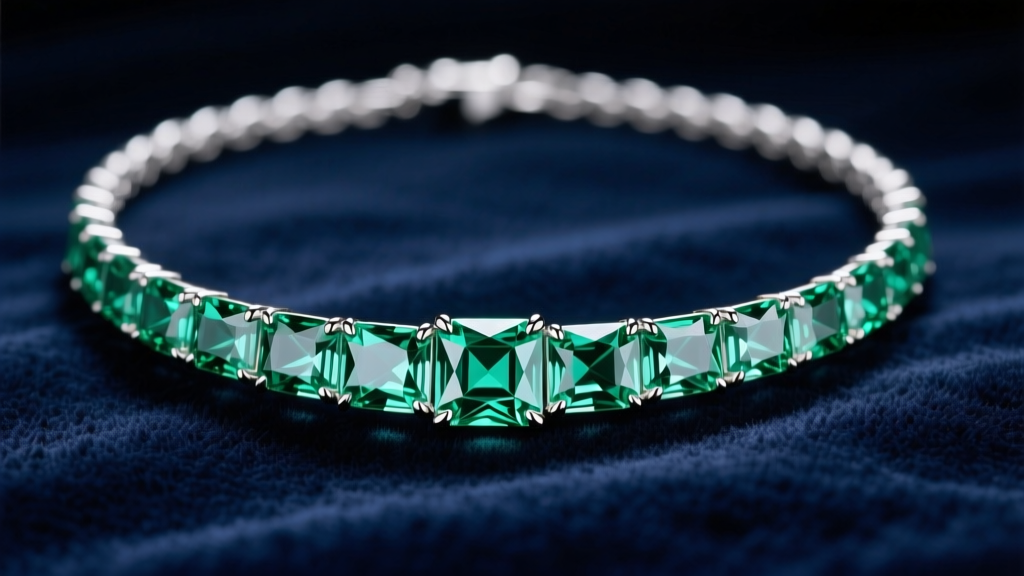
The Shift in 2026: Why Emerald Cuts Are Dominating the Market
The emerald cut tennis necklace has transitioned from a vintage-inspired niche to a dominant force in fine jewelry. Unlike the ubiquitous round brilliant, the emerald cut offers a sophisticated, geometric 'hall of mirrors' effect that appeals to buyers seeking understated luxury. However, as we navigate the 2026 market, buyers are faced with a complex web of pricing variables. The influx of high-quality lab-grown diamonds, shifting precious metal prices, and evolving consumer preferences mean that assessing the true value of an emerald cut tennis necklace requires a highly strategic approach.
This guide cuts through the marketing fluff to provide a rigorous, data-driven budget and value assessment. Whether you are allocating $4,000 or $40,000, understanding the specific gemological traits and structural nuances of the emerald cut is essential to maximizing your return on investment.
Lab-Grown vs. Natural: The 2026 Pricing Matrix
The most significant factor impacting your budget in 2026 is the origin of the diamonds. Lab-grown diamond prices have continued their downward trajectory, making larger total carat weights (TCW) accessible to a broader market. According to the Federal Trade Commission (FTC) Jewelry Guides, retailers must clearly disclose the origin of lab-grown stones, ensuring transparency for consumers comparing prices.
Below is a realistic 2026 pricing matrix for a standard 14k white gold, prong-set emerald cut tennis necklace. Prices assume a baseline of G-H color and VS2 clarity.
| Total Carat Weight (TCW) | Lab-Grown Price Range (2026) | Natural Diamond Price Range | Value Assessment |
|---|---|---|---|
| 5.00 - 7.00 TCW | $2,200 - $3,800 | $18,000 - $28,000 | Lab-grown offers exceptional daily-wear value. |
| 8.00 - 10.00 TCW | $3,500 - $5,500 | $35,000 - $55,000 | The sweet spot for visual impact vs. budget. |
| 12.00 - 15.00 TCW | $5,000 - $8,500 | $65,000 - $110,000 | Natural stones in this range are investment-grade. |
| 18.00+ TCW | $8,000 - $14,000 | $140,000+ | Custom territory; natural prices scale exponentially. |
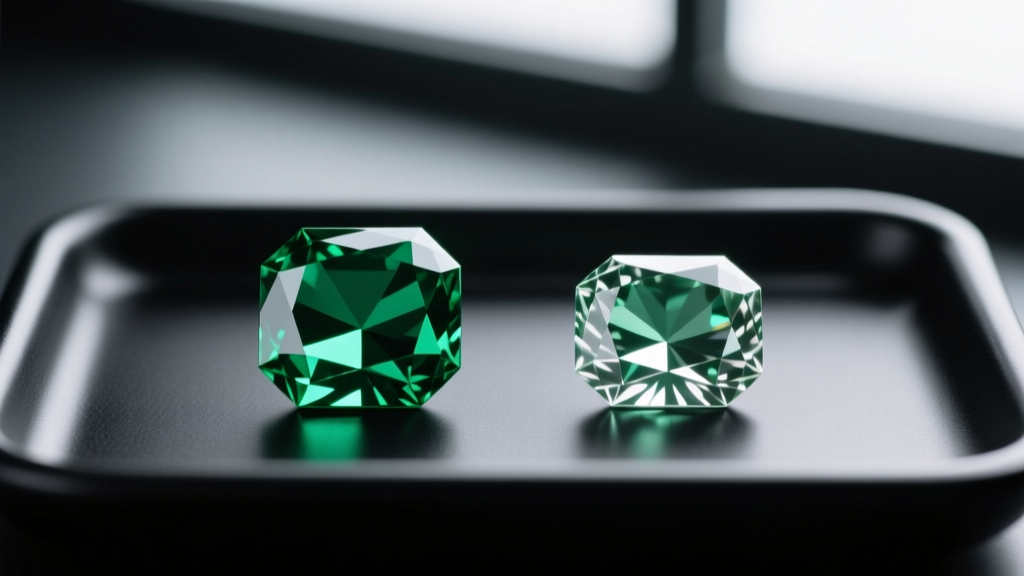
The 'Hall of Mirrors' Effect: Grading for Value
The emerald cut is a step cut, characterized by long, parallel facets that create a mesmerizing optical illusion. Because of this faceting style, the stone acts like a mirror, making it highly unforgiving of poor clarity or color. When budgeting, you must allocate your funds toward specific grading parameters to avoid a dull or flawed appearance.
Clarity: Where You Cannot Compromise
Unlike round brilliant diamonds, which can hide inclusions within their complex facet patterns, emerald cuts expose almost everything. The Gemological Institute of America (GIA) notes that step cuts require higher clarity grades because inclusions are easily visible to the naked eye. For an emerald cut tennis necklace, VS2 is the absolute minimum clarity grade you should accept. SI1 or SI2 stones will almost certainly show visible black carbon spots or white feathers, which ruins the continuous, icy flow of a tennis necklace. If your budget is tight, opt for a smaller TCW with VS1/VS2 clarity rather than a larger TCW with SI1 clarity.
Color: The Sweet Spot for White Gold and Platinum
Step cuts also retain color more noticeably than brilliant cuts. However, you do not need to pay the premium for D or E colorless grades. For a necklace set in 14k or 18k white gold or platinum, the G to H color range is the ultimate value sweet spot. These stones will face up completely white to the naked eye once set in the mounting. If you are setting the necklace in 18k yellow gold or rose gold, you can safely drop down to I or J color, as the warm metal will naturally mask the faint yellow tints, saving you 15% to 25% on the diamond cost.
Proportions and the 'Spread' Advantage
One of the greatest value propositions of the emerald cut tennis necklace is the 'spread.' Emerald cuts typically have a shallower depth and a larger table (the flat top facet) compared to round diamonds. This means they 'face up' larger. A 1-carat emerald cut diamond will visually appear about 5% to 10% larger than a 1-carat round brilliant. When buying a tennis necklace, you are paying for visual impact. The emerald cut allows you to achieve a bolder, heavier look on the neckline without paying for the hidden carat weight found in the deep pavilions of round stones.
Critical E-E-A-T Metric: Pay strict attention to the Length-to-Width (L/W) ratio. For a tennis necklace, you want uniform stones that drape elegantly without flipping over. Insist on an L/W ratio between 1.35 and 1.45. Stones that are too long (1.60+) resemble baguettes and can poke the skin, while stones that are too square (1.10) lose the classic emerald elegance and disrupt the visual flow of the chain.
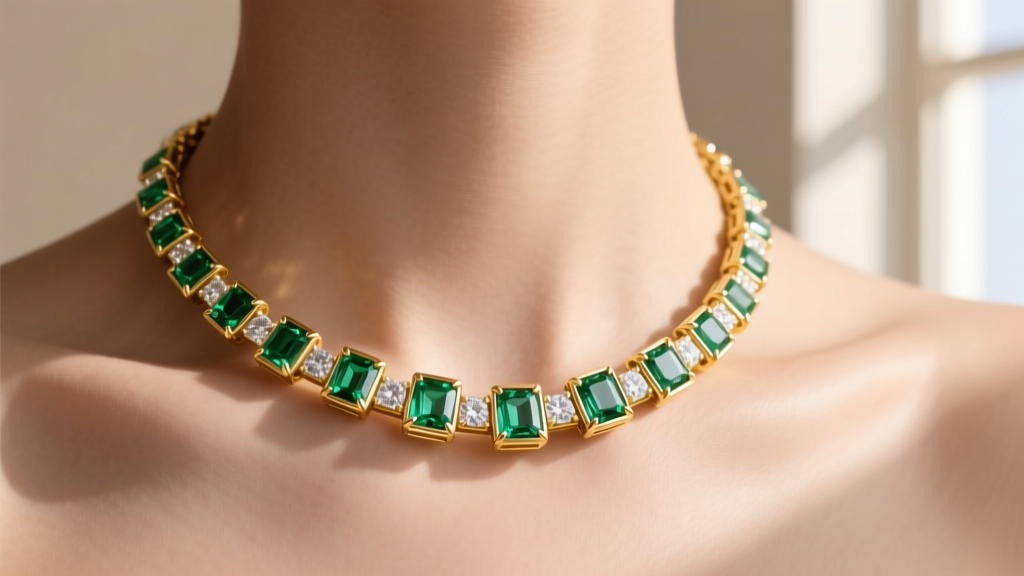
Setting Styles: Prong vs. Bezel Cost Analysis
The metalwork and setting style profoundly impact both the aesthetic and the final price tag of your necklace.
- Classic 4-Prong Setting: The most common and budget-friendly option. It uses less precious metal, keeping the overall weight and cost down. It also allows maximum light entry into the stone. However, the exposed cropped corners of the emerald cut are slightly more vulnerable to chipping if the necklace is snagged on clothing.
- Full Bezel Setting: A sleek rim of metal surrounds the entire perimeter of each stone. This is the ultimate choice for durability and modern aesthetics. The drawback? A bezel-set emerald cut tennis necklace requires significantly more gold or platinum, which can increase the metal cost by 30% to 50% compared to a prong setting. It also reduces the light return slightly, making high-clarity stones even more critical.
- 3-Prong 'Y' Setting: A niche design where three prongs secure the stone. It uses the least amount of metal but is generally not recommended for high-TCW emerald cuts due to structural instability over time.
Final 2026 Purchasing Checklist
Before you authorize the wire transfer or click 'checkout,' ensure your chosen emerald cut tennis necklace meets these strict value criteria:
- Clarity: VS2 or higher (VS1 preferred for stones over 1.00 ct each).
- Color: G-H for white metals; I-J for yellow/rose metals.
- L/W Ratio: 1.35 to 1.45 for optimal drape and proportion.
- Depth Percentage: 60% to 68% (ensures the stone isn't cut too deep, hiding weight).
- Cropped Corners: Verify that the corners are distinctly cropped (chamfered) to prevent chipping.
- Matching: Request a macro-video of the entire necklace laid flat to ensure the step-cut facets align uniformly across the strand.
Expert Insight: Always check the clasp mechanism. A standard lobster clasp is insufficient for a heavy, high-TCW emerald cut tennis necklace. Insist on a secure barrel clasp, a fold-over safety clasp, or a box clasp with a figure-eight safety wire to protect your investment from accidental drops.
By prioritizing optical spread, strict clarity minimums, and intelligent metal allocation, you can secure an emerald cut tennis necklace that delivers unparalleled luxury and long-term value in today's market.


