The Emerald Lariat Necklace: 2026 Trend & Style Guide
Explore 2026 emerald lariat necklace trends, from raw Zambian sliders to asymmetrical drops. Expert styling, pricing, and care frameworks inside.

The Resurgence of the Emerald Lariat Necklace in 2026
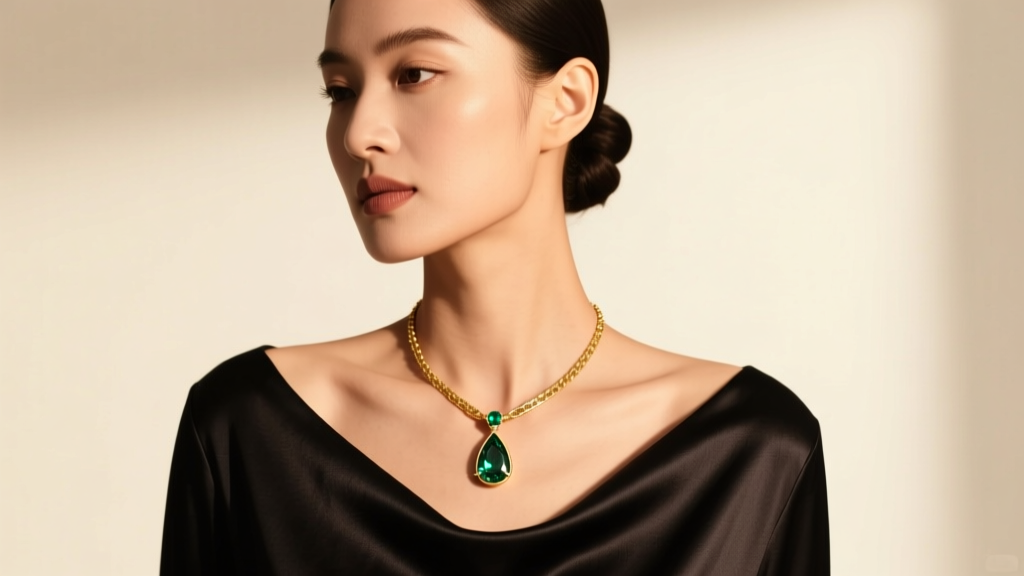
The jewelry landscape of 2026 is defined by a desire for fluidity, movement, and personalized expression. At the forefront of this shift is the emerald lariat necklace, a piece that brilliantly bridges the gap between historical Art Deco opulence and modern, effortless minimalism. Unlike traditional pendants that sit statically against the collarbone, the lariat’s Y-drop or lasso design creates a vertical line that elongates the neck and draws the eye downward. This year, designers are moving away from perfectly matched, heavily treated stones, favoring instead the raw, organic beauty of natural emeralds paired with innovative chain mechanics. Whether you are investing in a heritage piece or exploring contemporary artisan sliders, understanding the nuances of this trend is essential for curating a relevant, high-impact jewelry wardrobe.
Anatomy of the Lariat: Chain Mechanics and Emerald Grades
To evaluate a high-quality emerald lariat necklace, one must look beyond the gemstone and scrutinize the structural engineering of the piece. The lariat relies heavily on its chain and slider mechanism, which are subject to continuous friction and tension.
Chain Gauge and Slider Friction
The most common point of failure in lariat necklaces is chain stretching or slider wear. For a durable piece, seek a box chain or a reinforced cable chain with a thickness between 0.9mm and 1.2mm. Chains thinner than 0.8mm are prone to kinking when pulled through a metal slider. In 2026, premium jewelers are increasingly utilizing silicone-lined metal sliders. These hidden silicone inserts grip the gold or platinum chain gently, allowing the wearer to adjust the Y-drop length without the metal-on-metal grinding that eventually shaves down chain links and ruins the finish.
Emerald Origin and the 'Jardin'
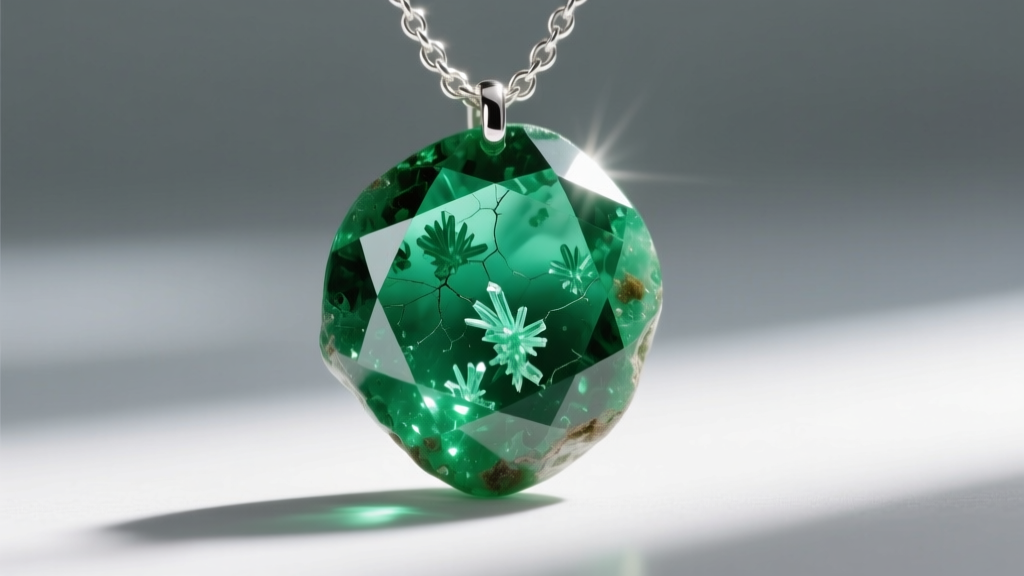
Emeralds rank 7.5 to 8 on the Mohs scale of hardness, making them durable enough for daily wear, but their natural inclusions—affectionately termed 'jardin' (French for garden) by gemologists—make them brittle. According to the Gemological Institute of America (GIA), virtually all natural emeralds undergo some form of clarity enhancement, typically oiling. When selecting a lariat drop, Colombian emeralds offer a warm, intensely saturated green with a slight yellowish undertone, while Zambian emeralds present a cooler, bluish-green hue with higher inherent clarity. For lariat designs, where the stone dangles freely and is prone to bumping against surfaces, a slightly included Zambian stone often offers better structural integrity than a heavily fractured Colombian one.
2026 Trend Matrix: Emerging Lariat Styles
The traditional single-drop lariat has evolved. This year's market is dominated by three distinct stylistic variations that cater to different aesthetic preferences and layering strategies.
| Style Variant | Design Characteristics | Best Suited For | 2026 Popularity |
|---|---|---|---|
| The Asymmetrical Drop | Features an off-center slider with a cascading chain that ends in a small diamond or gold bead, creating an unbalanced, avant-garde look. | High-fashion editorial styling, evening wear, and deep-V necklines. | High (Emerging) |
| The Raw Slider | Utilizes an uncut, unpolished emerald crystal with a horizontal drill hole, allowing it to slide freely along a heavy oxidized silver or matte gold chain. | Bohemian aesthetics, everyday casual wear, and mixed-metal layering. | Very High (Mainstream) |
| The Double-Wrap Lasso | An extra-long (36-42 inch) chain that can be looped twice around the neck before dropping down, often featuring emerald stations along the chain. | Winter fashion, layering over turtlenecks, and versatile day-to-night transitions. | Moderate (Niche) |
Pricing and Value: What to Expect in the Current Market
The pricing of an emerald lariat necklace varies wildly based on the origin of the stone, the carat weight, and the precious metal used for the chain. Understanding these tiers will help you identify genuine value versus inflated brand premiums.
- Entry-Level / Fashion Fine ($400 - $900): Typically features lab-created emeralds or heavily included, low-grade natural Zambian stones (under 0.50 carats) set in 10k or 14k gold vermeil or sterling silver. The chains are usually lightweight (under 0.8mm) and utilize simple metal tension sliders.
- Mid-Tier Artisan ($1,200 - $3,500): The sweet spot for contemporary jewelry lovers. Expect natural, moderately included Colombian or Zambian emeralds (0.75 to 1.50 carats) with minor oil treatments. Chains are solid 14k gold (1.0mm box or cable) with silicone-lined sliders. Brands in this tier often focus on unique, hand-cut shapes rather than standard teardrops.
- Heritage & High Jewelry ($5,000 - $15,000+): Features AAA-grade, lightly included Colombian emeralds with excellent color saturation and minimal cedar oil treatment. Set in 18k yellow gold or platinum, often accompanied by diamond-set sliders or intricate Art Deco-inspired geometric bail work. These pieces come with full gemological certification and provenance documentation.
Neckline Pairing Frameworks
The primary advantage of the emerald lariat necklace is its adjustability, which allows it to be precisely calibrated to your outfit's neckline. Here is a practical framework for styling your lariat in 2026.
The Deep V-Neck and Plunge
For deep V-neck blouses or wrap dresses, adjust the slider so the emerald drop rests exactly one inch above the apex of the V. This creates a continuous, unbroken vertical line that elongates the torso. Opt for a heavier chain (1.2mm) to ensure the necklace doesn't get lost in the fabric's drape.
The Square and Sweetheart Neckline
Square and sweetheart necklines provide a horizontal frame that can clash with long Y-drops. Instead of letting the lariat hang low, pull the slider up high to create a short, choker-style Y-drop where the emerald rests just below the collarbone, acting as a central focal point without competing with the garment's hemline.
The High Collar and Turtleneck
When wearing high necklines, the lariat must be worn on the outside of the fabric. Lengthen the chain to its maximum drop (usually 20 to 24 inches for standard lariats) so the emerald rests against the solid block of color of the sweater or shirt. This is where the 'Double-Wrap Lasso' trend excels, providing visual interest and breaking up the monotony of winter knitwear.
Maintenance: Preserving the Slider and the Stone
Because emeralds are almost universally treated with oils or resins to mask fissures and improve clarity, they require specialized care. Never place an emerald lariat necklace in an ultrasonic cleaner or use steam cleaning methods. The high-frequency vibrations can shatter the brittle stone, and the heat can melt or dry out the cedar oil or Opticon fracture sealer inside the emerald, causing it to turn cloudy and white.
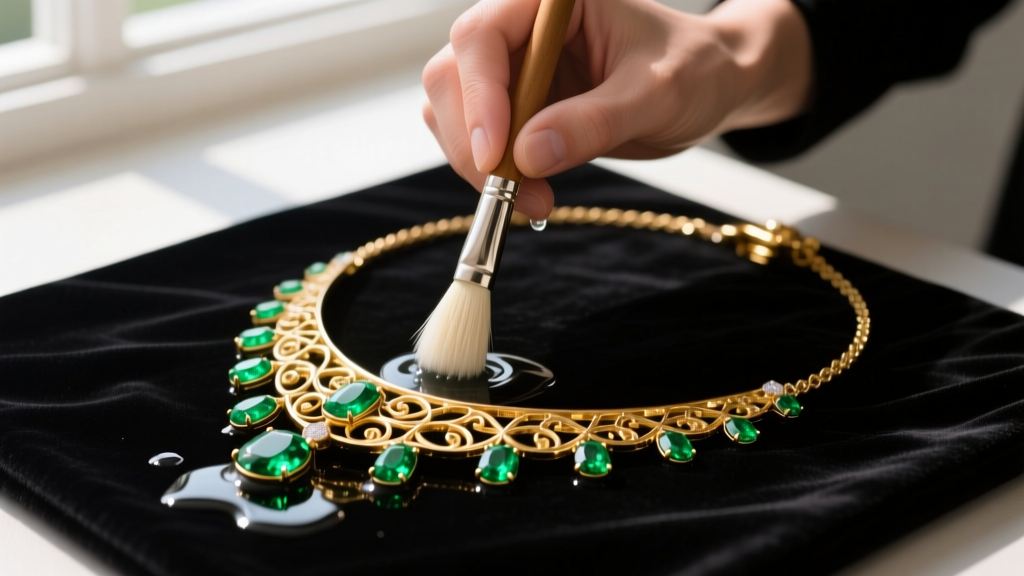
To clean your piece, lay it flat on a soft microfiber cloth. Use a soft-bristled baby toothbrush dipped in lukewarm water mixed with a single drop of mild, ammonia-free dish soap. Gently brush the gold slider mechanism and the chain to remove skin oils and lotion buildup, which can cause the slider to stick. Avoid scrubbing the emerald itself; instead, wipe it gently with a damp cloth. Once a year, have a professional jeweler inspect the slider's silicone insert and, if necessary, have the emerald professionally re-oiled to maintain its vibrant luster and structural stability.
Final Verdict
The emerald lariat necklace is not merely a fleeting trend; it is a versatile, architectural piece of jewelry that adapts to the wearer. By prioritizing chain gauge, understanding the implications of emerald inclusions, and mastering neckline pairings, you can invest in a piece that remains relevant and breathtaking well beyond 2026. Whether you choose the raw, organic appeal of a Zambian slider or the refined elegance of a Colombian teardrop, the lariat offers a dynamic way to wear one of nature's most captivating gemstones.


